What Does Water Damage Look Like on Laminate Flooring? Key Signs to Watch
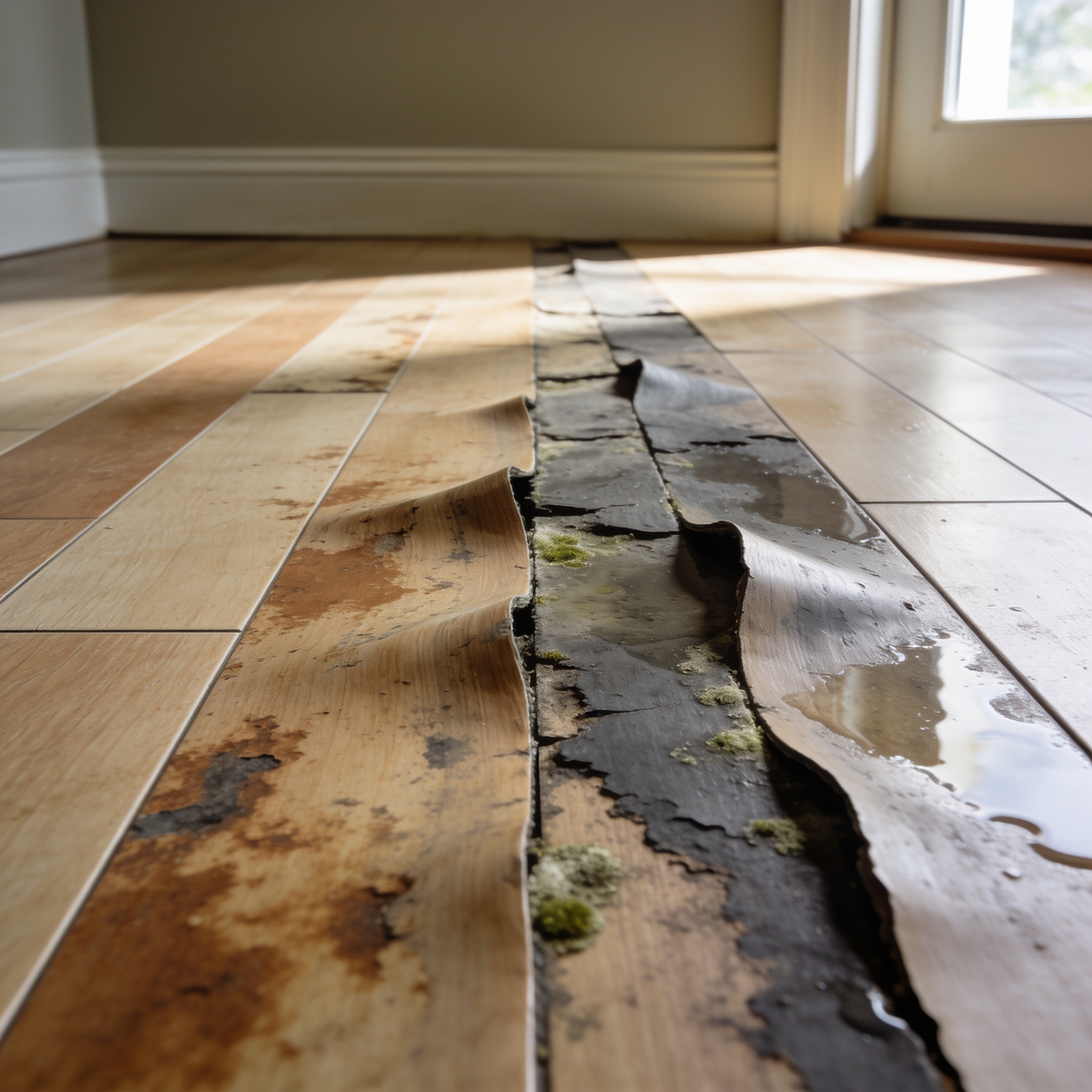
Water damage on laminate flooring typically manifests as visible swelling or cupping of planks, and in SWFL, you should expect repair costs to range from $500 to $3,000 depending on the square footage affected by moisture intrusion. Understanding what does water damage look like on laminate flooring is essential for homeowners in Lee, Collier, and Charlotte counties, where high humidity and hurricane-related flooding frequently compromise residential structures. Early detection of these signs of water damage can help prevent costly repairs and mitigate potential mold growth in your home. Whether you have hardwood, vinyl flooring, or laminate, knowing how to identify floor water damage is vital to protecting your property and addressing any water damage in your home.
Key Takeaways
- Visible signs include plank swelling, cupping, and discoloration at the seams.
- Moisture underneath the laminate often leads to a spongy or soft feel underfoot.
- Prompt action, such as using a dehumidifier, is critical to prevent further damage.
- Hidden water damage can compromise the subfloor even if the surface appears dry.
- Professional assessment is recommended if you suspect water has reached the core of the laminate.
- Excess water can cause serious damage to any flooring type, including hardwood flooring.
- You must act quickly to prevent long-term structural issues.
Common Signs of Water Damage
The 5 visual early warning signs of water damage on laminate flooring include:
- Peaking or tenting at the joints: The edges of the laminate planks push upward, creating a ridge-like appearance.
- Surface bubbling or blistering: The decorative top layer separates from the fiberboard core, creating a raised bubble or circular bump.
- Plank discoloration or staining: Dark, murky patches appear on the surface, often indicating that water has been present for an extended period.
- Separation of seams: Gaps widen between individual planks as the core material expands and then contracts, breaking the locking mechanism.
- Soft or spongy texture: The floor feels soft when walked upon, signaling that the structural integrity of the fiberboard core has been compromised.
- Planks that curl at the edges: Watch for boards that begin to curl at the edges as they absorb moisture.
Sign of Water and Floor Water Damage
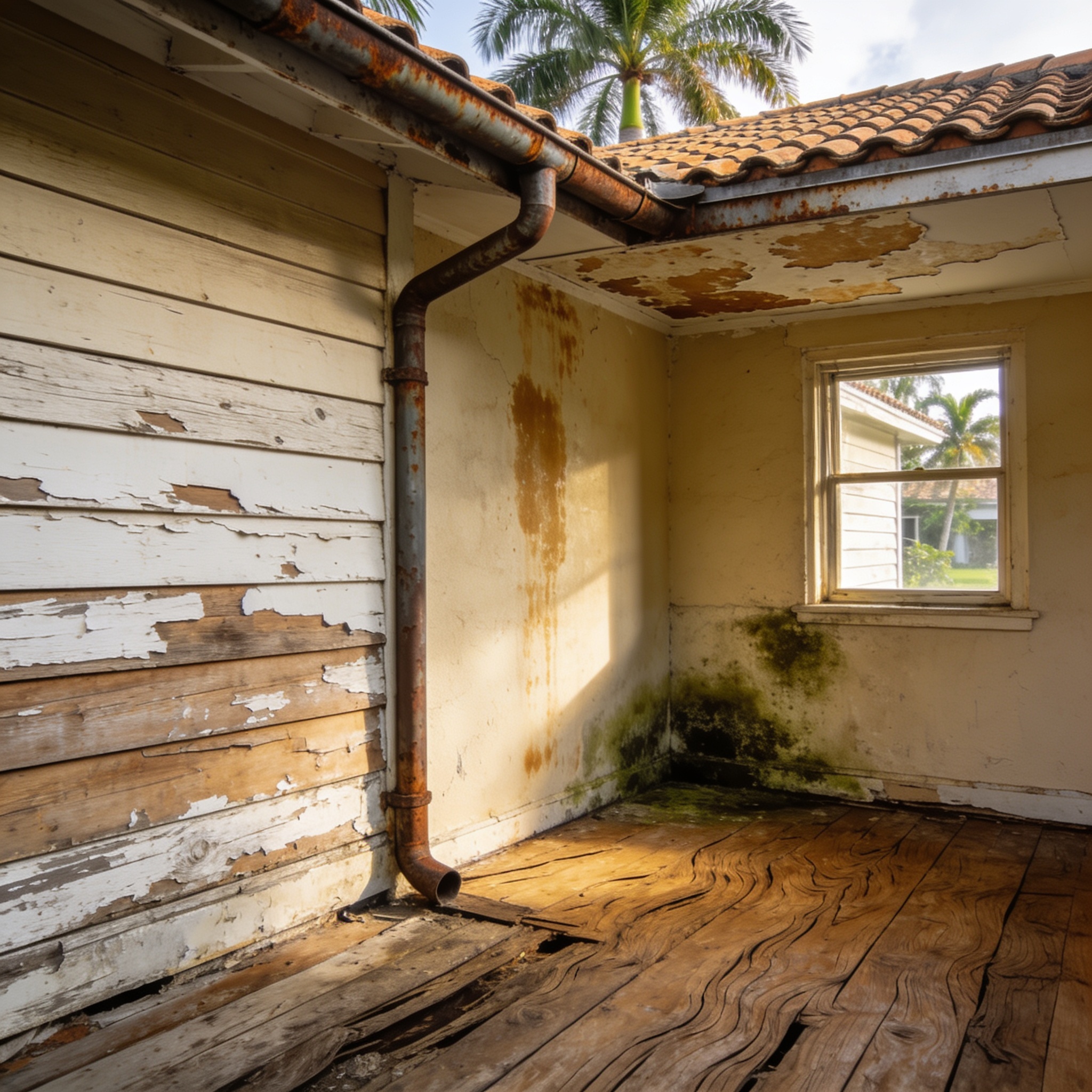
Common signs of water damage often involve sensory cues beyond just visual observation, such as a musty odor or a damp sensation when walking across the floor. Any visible sign of water, such as warping, is a clear indicator that water is coming into contact with the core. In Southwest Florida, high water tables and heavy rainfall mean that water penetration can occur through a slab, causing damage that isn’t immediately obvious. If you notice a persistent mildew smell, it is a strong indicator of mold to grow beneath the flooring structure. You may need to consult a Water Damage Restoration specialist if the smell persists after surface cleaning.
Hidden Water Damage
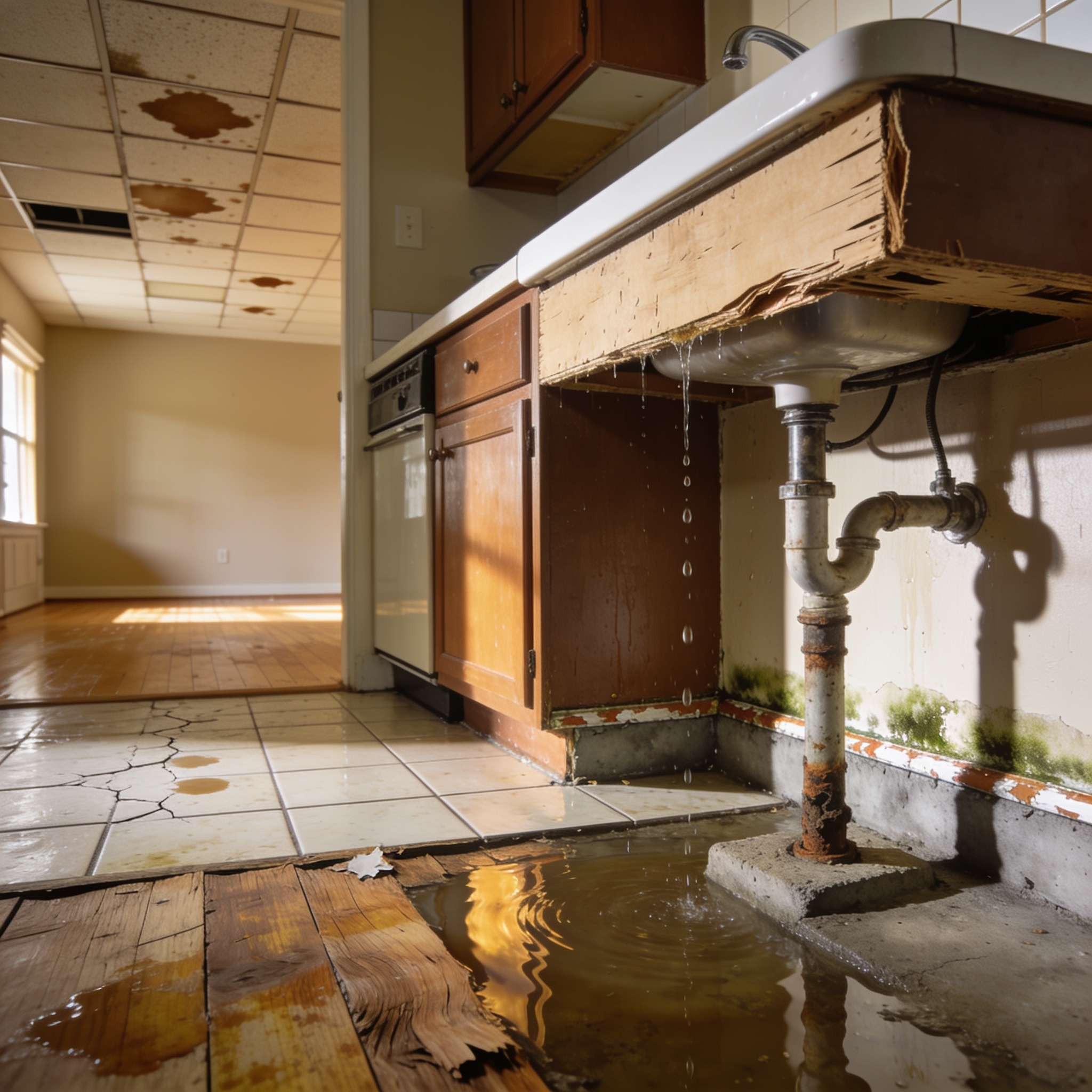
Hidden water damage is often identified by using a moisture meter to detect excess moisture levels within the core of laminate or the subfloor. Even if the surface looks pristine, water can cause the fiberboard core to expand, which may lead to the floor feeling uneven or “bouncy” in specific areas. Because SWFL homes often use concrete slabs, check for signs of efflorescence or dampness near the baseboards. If you live in a coastal area, consider scheduling a Water Damage Restoration inspection to rule out salt-air moisture intrusion. Always check for water beneath the surface if you suspect a hidden water leak where damage occurs.
Laminate Flooring and Water
Laminate flooring and water are a poor combination because the core of laminate is highly susceptible to water damage. Once moisture penetrates the joints, the compressed fibers expand, which can cause significant damage to the entire flooring installation. If you are dealing with large amounts of water, it is essential to remove standing water immediately to save the surrounding areas. Unlike a traditional wood floor, laminate cannot be sanded down once it has suffered from underlying water damage.
Prevent Water Damage
The subfloor is highly susceptible to structural damage once water penetrates the laminate, often requiring professional water damage restoration to prevent the growth of mold or rot. If the subfloor is made of plywood or oriented strand board (OSB), it will absorb moisture rapidly, leading to warping or degradation. Subfloor damage requires immediate attention to ensure the structural safety of your home’s foundation. You should assess the damage by removing a small section of the laminate to inspect the condition of the subfloor underneath.
Restore Your Water-Damaged Floors
You must immediately remove all standing water from the affected areas to prevent further damage to your home. Use a wet-dry vacuum to extract as much liquid as possible, then set up high-capacity fans and a dehumidifier to dry the subfloor and lower the ambient humidity. If the water source is a burst pipe, shut off the main water valve to stop the flow. For larger incidents, contacting a professional for Water Damage Restoration is the safest course of action to restore your water-damaged floors.
How Long Does It Take for Water-Damaged Laminate to Dry?
Laminate flooring is notoriously difficult to dry because the core is made of compressed wood fibers that trap moisture, often taking 48 to 72 hours of continuous mechanical drying. Thoroughly drying the area is essential to avoid the long-term health risks associated with mold spores. If the flooring does not return to its original shape after this period, the damage is likely permanent. You can research the water damage restoration cost fort myers residents typically pay to understand the investment required for professional drying services.
Repairing or Replacing
Repairing or replacing the floor depends on the extent of the damage, as laminate is generally not designed to be restored once the fiberboard core has swollen. Small, isolated areas may be patched if you have matching spare planks, but widespread swelling necessitates a full flooring replacement. Attempting to fix water damaged sections is rarely cost-effective if the core has degraded. Use a water damage restoration cost to compare the expense of piecemeal repairs against a complete installation.
Water Damage Repair and Professional Assessment
You should call a professional when the water damage covers a large area, involves sewage-contaminated water, or if you suspect mold growth. Professional assessment is critical for identifying the source of the water and ensuring the subfloor is completely dry. Insurance companies often require documentation from a certified restoration firm to cleanup and repair the site effectively. Attempting to manage major water intrusion without professional equipment can lead to recurring flooring issues and increased repair costs.
Prevent Costly Repairs
Prevent water damage by maintaining a consistent indoor humidity level between 30% and 50% and promptly addressing any leaks around windows or doors. Consistent maintenance is the most effective way to prevent costly repairs in your Southwest Florida home. Use area rugs in high-traffic zones and ensure that appliances like refrigerators, dishwashers, and nearby tile floors or tile or grout transitions are checked for slow leaks regularly. You should also monitor for excess moisture in the air to learn the signs of potential humidity issues. Following these steps will help protect your flooring investment for years to come.
Frequently asked questions
Addressing common concerns regarding laminate flooring and moisture exposure helps homeowners make informed decisions about their maintenance and restoration needs.
Can I just let the laminate floor air dry?
No, air drying is insufficient because moisture trapped beneath the planks will likely cause mold growth and permanent structural degradation.
Does homeowner’s insurance cover water-damaged laminate?
Coverage depends on the source of the water; sudden, accidental leaks are often covered, while damage from long-term seepage or flooding may require specific flood insurance.
Is laminate flooring waterproof?
Standard laminate is water-resistant at best, while only specific “waterproof” labeled products can withstand standing water for limited periods.
What are the health risks of water-damaged flooring?
The primary health risk is the growth of mold and bacteria, which can release spores into the air and trigger respiratory issues or allergies.
Can I reinstall laminate planks after they get wet?
Once laminate planks have swollen, the locking mechanism is usually warped, making it impossible to reinstall them correctly without gaps.
Our editorial team verifies licensing and reviews for every restoration company in the directory and writes practical, Florida-specific guides to help homeowners act fast and protect their insurance claims after water, fire, mold or storm damage.