How to Destroy Black Mold Safely and Permanently
You can effectively destroy black mold by addressing the underlying moisture source and physically removing contaminated porous materials, a process that typically costs between $500 and $6,000 depending on the square footage of the infestation. Learning how to destroy black mold requires a systematic approach to ensure that mold spores are not spread throughout your Southwest Florida home during the cleanup process. If you notice a persistent leak or excessive humidity, it is vital to act before the situation escalates. Taking quick action is the best way to prevent the spread of mold and mildew throughout your living space.
Key Takeaways
- Identify and stop the moisture source immediately to prevent recurring mold growth.
- Use proper personal protective equipment including N95 masks and gloves.
- Remove porous materials like drywall that show deep signs of infestation.
- Utilize professional-grade HEPA vacuums to capture microscopic spores.
- Maintain indoor humidity levels below 60% to inhibit future development.
5 Proven Removal Steps
Following these five steps ensures you remove the threat of black mold effectively from your living space.
- Contain the affected area by sealing off doorways and vents with plastic sheeting to prevent cross-contamination.
- Wear appropriate protective gear including a respirator, goggles, and gloves to minimize exposure to spores.
- Remove all porous materials that are heavily infested, such as saturated drywall or soaked carpet padding.
- Clean non-porous surfaces thoroughly using an EPA-registered antimicrobial solution or specialized cleaner.
- Dry the area completely using industrial dehumidifiers to eliminate any remaining moisture.
Is black mold harmful to breathe in, and what are the dangers to your health?
Exposure to black mold, or Stachybotrys chartarum, can pose significant health risks, particularly for individuals with pre-existing asthma or compromised immune systems. Some individuals may develop a respiratory syndrome after prolonged exposure. According to the United States Environmental Protection Agency, inhalation of spores may trigger allergic reactions or chronic respiratory symptoms. Prolonged exposure to indoor mold environments in humid climates like Lee County can lead to more severe health concerns.
Can I kill black mold myself, or is it too risky to DIY?
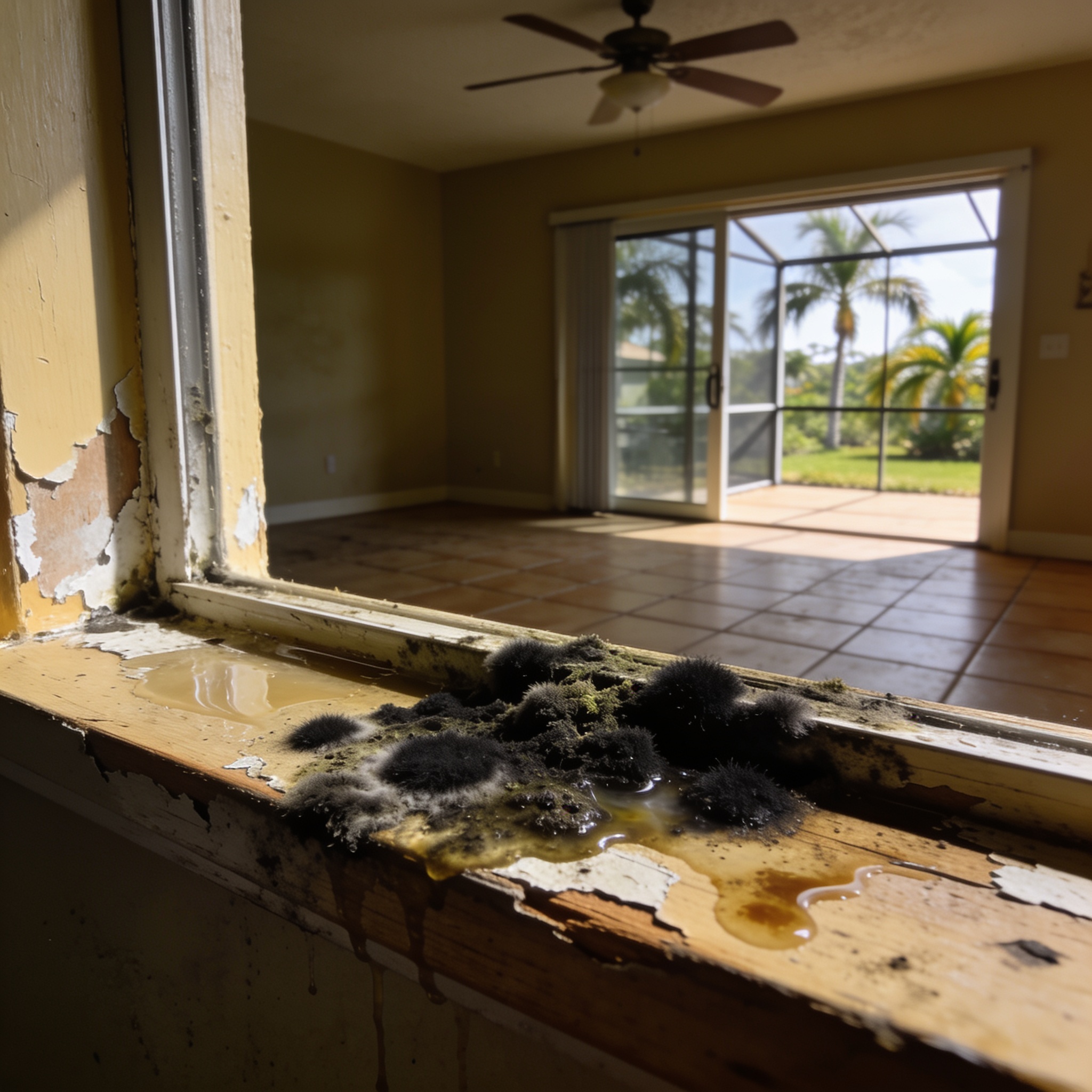
You can attempt to clean small, isolated patches, but DIY methods are often insufficient for large-scale infestations caused by water damage. Attempting to remove mold from extensive areas without proper containment often spreads spores to other parts of your home. If the mold covers an area larger than 10 square feet, you should search for mold remediation companies near me to ensure the job is handled safely. A specialist can perform a thorough inspection to identify hidden growth.
What materials and tools do you need to remove black mold safely?
Effective removal requires specific tools to ensure the safety of the occupant and the integrity of the structure. You will need an N95 mask, nitrile gloves, safety goggles, a HEPA-filtered vacuum, and heavy-duty plastic bags for disposal. Use a sponge to wipe surfaces and a spray bottle for application. Always ensure you have adequate ventilation by keeping windows open while working on a small, contained surface.
What are the most effective solutions to kill black mold fast?
The most effective way to kill mold is to physically remove the contaminated material rather than just applying a surface treatment. While some people consider using bleach, the EPA notes that it is often ineffective on porous surfaces because it does not penetrate deep enough to kill the roots. Professional mold remediation professionals utilize specialized antimicrobial agents that are designed to eliminate mold at the cellular level. These agents often contain a powerful surfactant to help the solution penetrate and lift the stain.
What kills black mold naturally without harsh chemicals?
Natural alternatives like white vinegar or hydrogen peroxide can be effective for minor surface mold on non-porous items. Vinegar is acidic and can kill many types of fungi, while hydrogen peroxide acts as an antifungal and antibacterial agent. You can also create a paste using baking soda to help scrub away stubborn patches. Applying these solutions requires letting them sit on the surface for at least ten minutes before scrubbing the area clean.
How do you remove black mold from different surfaces like walls, wood, and grout?
Different materials require specific approaches to ensure the mold is fully extracted. For non-porous surfaces like tile grout in your shower, a stiff scrub brush and a soap-based detergent solution work well. Porous materials like drywall that have been exposed to water damage often require complete removal and replacement to prevent the mold from returning. If you are dealing with significant structural dampness, you may need professional Water Damage Restoration services.
Can you get rid of black mold permanently, or will it always come back?
Permanent removal is only possible if you identify and fix the moisture issue that allowed the mold to grow in the first place. High humidity and condensation in Southwest Florida homes act as a constant food source for fungus. Eliminating the moisture source is the only way to ensure that the infestation does not return after your initial cleanup efforts. Avoid aggressive scrubbing that might release spores into the air.
When should you call a professional for black mold removal instead of doing it yourself?
You should hire a professional when the mold is the result of significant flooding or if it has infiltrated your HVAC system. Professionals have the training to handle toxic materials and can provide a detailed assessment of the damage. Consulting with experts regarding how much mold remediation services can help you understand the total cost of professional intervention versus DIY risks.
How can you prevent mold and moisture from returning?
Preventing mold requires constant vigilance regarding moisture and humidity control within your home. Use high-quality dehumidifiers and ensure that your bathroom and kitchen are properly ventilated. Maintaining a consistent indoor environment is the most effective strategy to prevent mold from re-establishing itself in your home. Identify any common household area that is prone to mold, such as basements or laundry rooms, and keep them dry.
How to manage a mould infestation and prevent mold
If you discover a moldy area, address it immediately to stop it from spreading. It is important to realize that mold can embed itself into porous materials, making simple surface cleaning ineffective. Always prioritize safety when dealing with any mould growth.
Frequently asked questions
Common concerns regarding mold management often center on safety and long-term prevention strategies.
Does bleach kill black mold?
Bleach is often ineffective on porous surfaces like wood or drywall because it cannot reach the roots of the mold.
Is black mold common in Florida?
Due to high humidity and frequent hurricane-related Water Damage Restoration, mold growth is a common issue for homeowners in the region.
How do I know if I have a mold infestation?
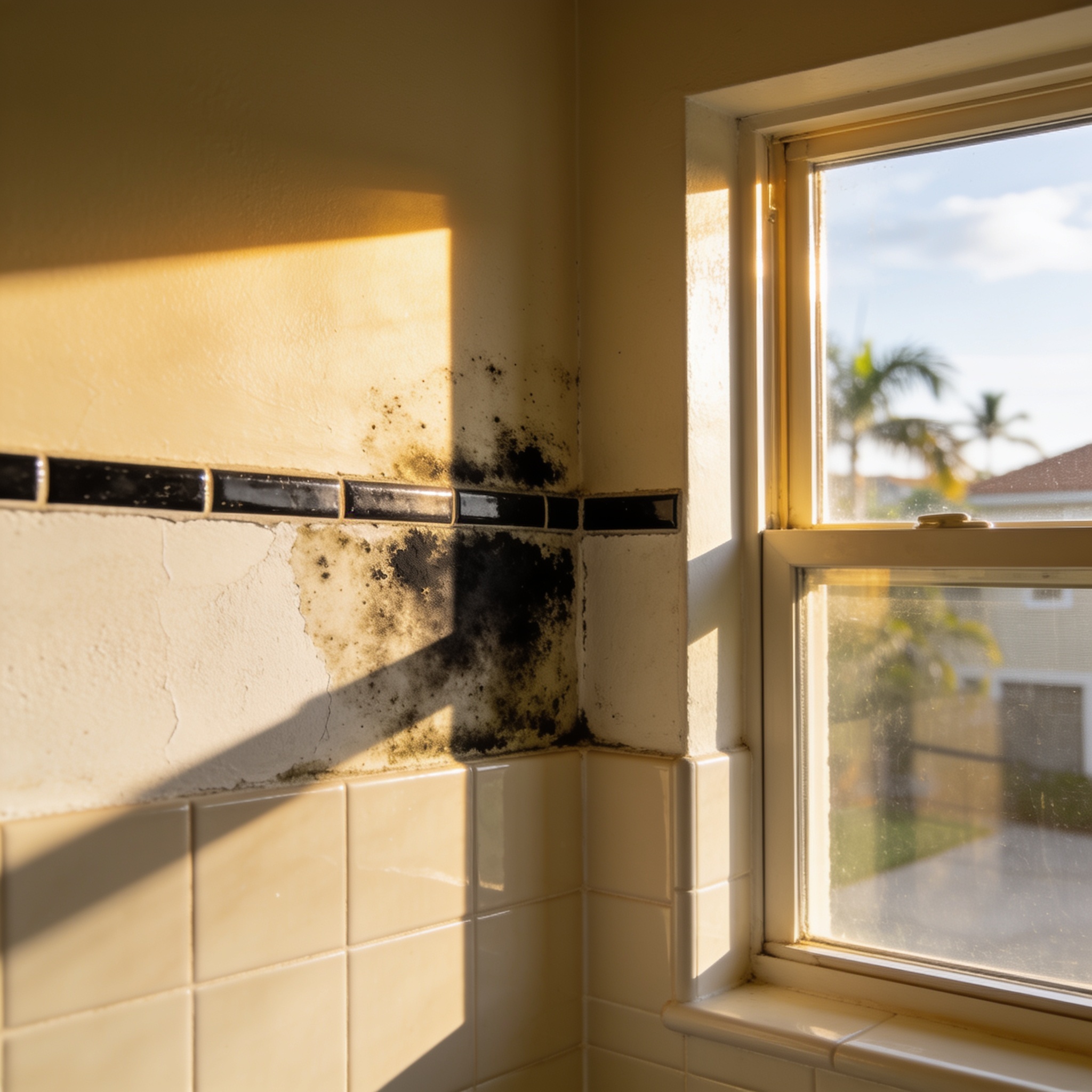
Visible signs include dark spots, a musty odor, and peeling paint or wallpaper in areas prone to dampness.
Can mold cause long-term health issues?
While most people experience minor reactions, chronic exposure can lead to persistent respiratory symptoms in sensitive individuals.
Our editorial team verifies licensing and reviews for every restoration company in the directory and writes practical, Florida-specific guides to help homeowners act fast and protect their insurance claims after water, fire, mold or storm damage.