What Does Water Damage Look Like on Walls? Key Signs to Watch For
The most reliable way to identify water damage in walls is by looking for discoloration, texture changes, or structural warping, which typically cost between $1,000 and $5,000 to remediate depending on the severity of the water intrusion. Understanding what does water damage look like on walls is critical for homeowners in Southwest Florida, where high humidity and storm damage frequently compromise building envelopes. Early detection of a leak can prevent expensive structural repairs and mitigate health risks associated with indoor mold growth. When it comes to water damage, the speed of your response determines the total cost of restoration.
Key Takeaways
- Visible signs like bubbling paint or dark stains often indicate that water damage has already penetrated the drywall surface.
- Hidden water damage can often be identified by a persistent musty odor or soft, spongy areas when pressing against the wall.
- Professional inspection using moisture meters or thermography is the only way to confirm the extent of water damage inside wall cavities.
- Timely intervention is essential to prevent secondary damage, such as wood rot or the proliferation of mold colonies.
- Homeowners should prioritize stopping the source of water immediately to avoid further degradation of the building structure.
- Monitoring your monthly water bill can help you detect a hidden water leak before it causes significant structural harm.
Common Visual Signs of Water Damage on Walls
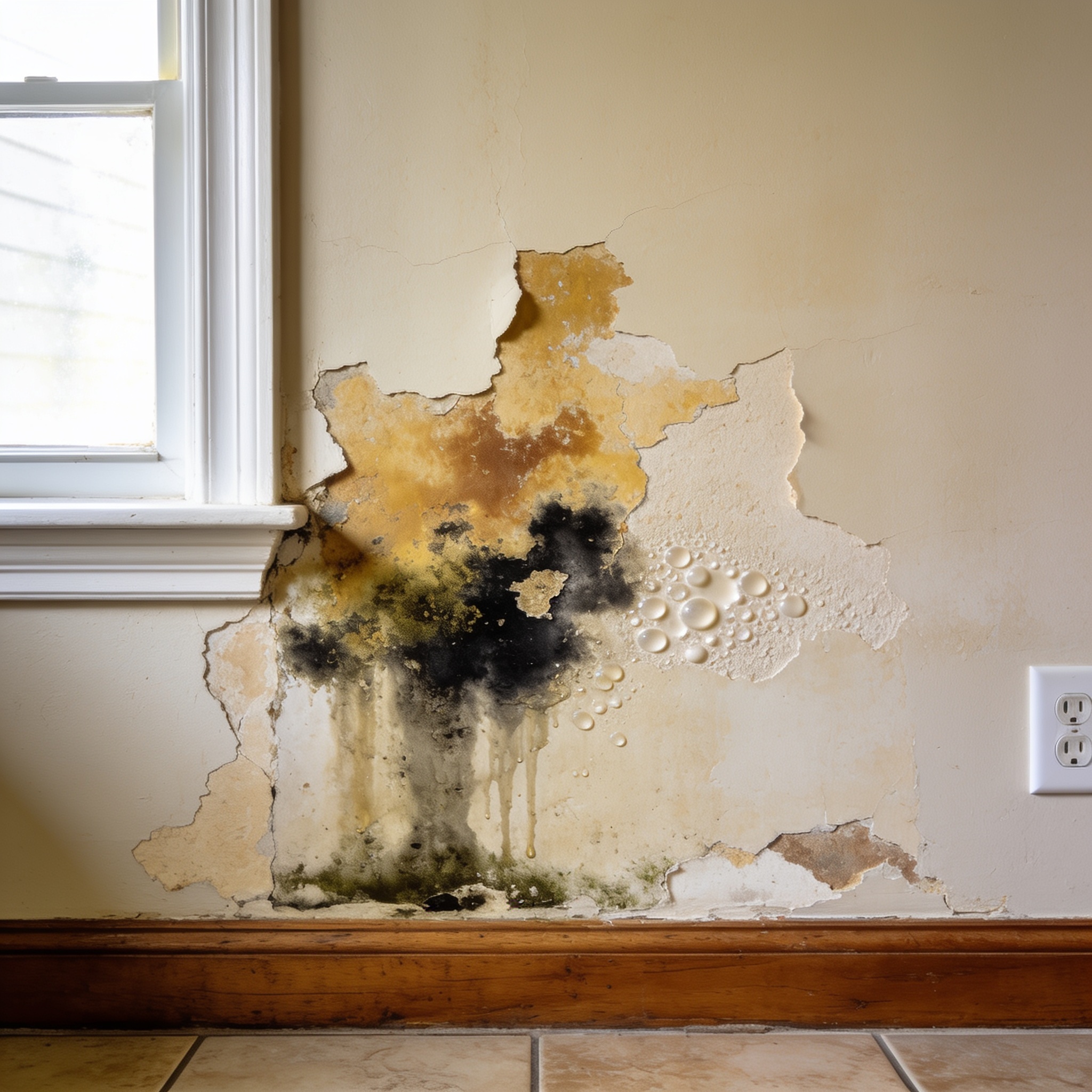
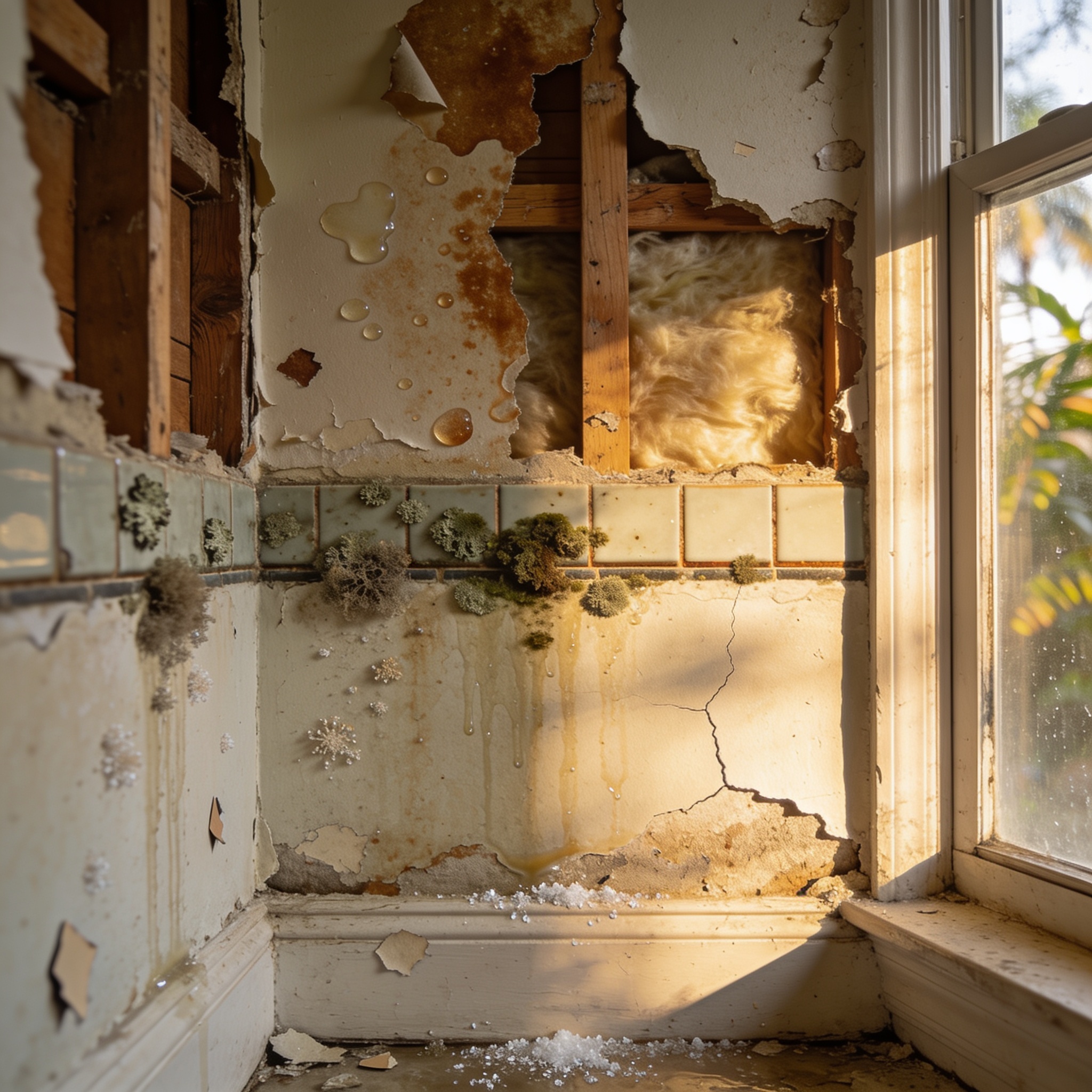
The following signs of water damage on walls include visible staining, bubbling paint, sagging drywall, efflorescence, and warped baseboards. These indicators are the most common signs of water damage that property owners in Lee and Collier counties encounter after heavy rain events. Recognizing these early warning signs is the best way to address water damage early before it compromises your home’s integrity.
The 5 warning signs of water damage
- Discoloration or Water Stains: Yellow, brown, or copper-colored rings appearing on walls and ceilings often signal a slow, persistent leak.
- Bubbling or Peeling Paint: When moisture collects behind the paint layer, it causes the finish to blister or flake away from the drywall surface.
- Sagging or Bowing Drywall: As drywall absorbs water, it loses structural integrity, leading to noticeable sagging or bulging in the affected area.
- Efflorescence: A white, powdery, or crusty substance on masonry or concrete walls indicates that water is moving through the material and leaving mineral deposits behind.
- Warped Baseboards or Trim: Wood trim and baseboards often swell and buckle when they come into contact with excessive moisture seeping from the floor or wall cavity.
Hidden Water Damage in Your Walls
Hidden water damage often manifests as a persistent musty odor or walls that feel cool and damp to the touch despite no visible surface moisture. In our humid Southwest Florida climate, moisture can linger behind walls for weeks without showing external signs of damage. You may notice that the drywall feels soft or spongy when pressed, which is a clear indicator that the material is saturated. If you suspect hidden water, professional water damage restoration cost fort myers services can use thermal imaging cameras to see behind the wall without unnecessary demolition. Identifying water damage in the drywall early is the most effective way to prevent mold damage from spreading throughout your home.
What Does Mold from Water Damage Look Like on Walls?
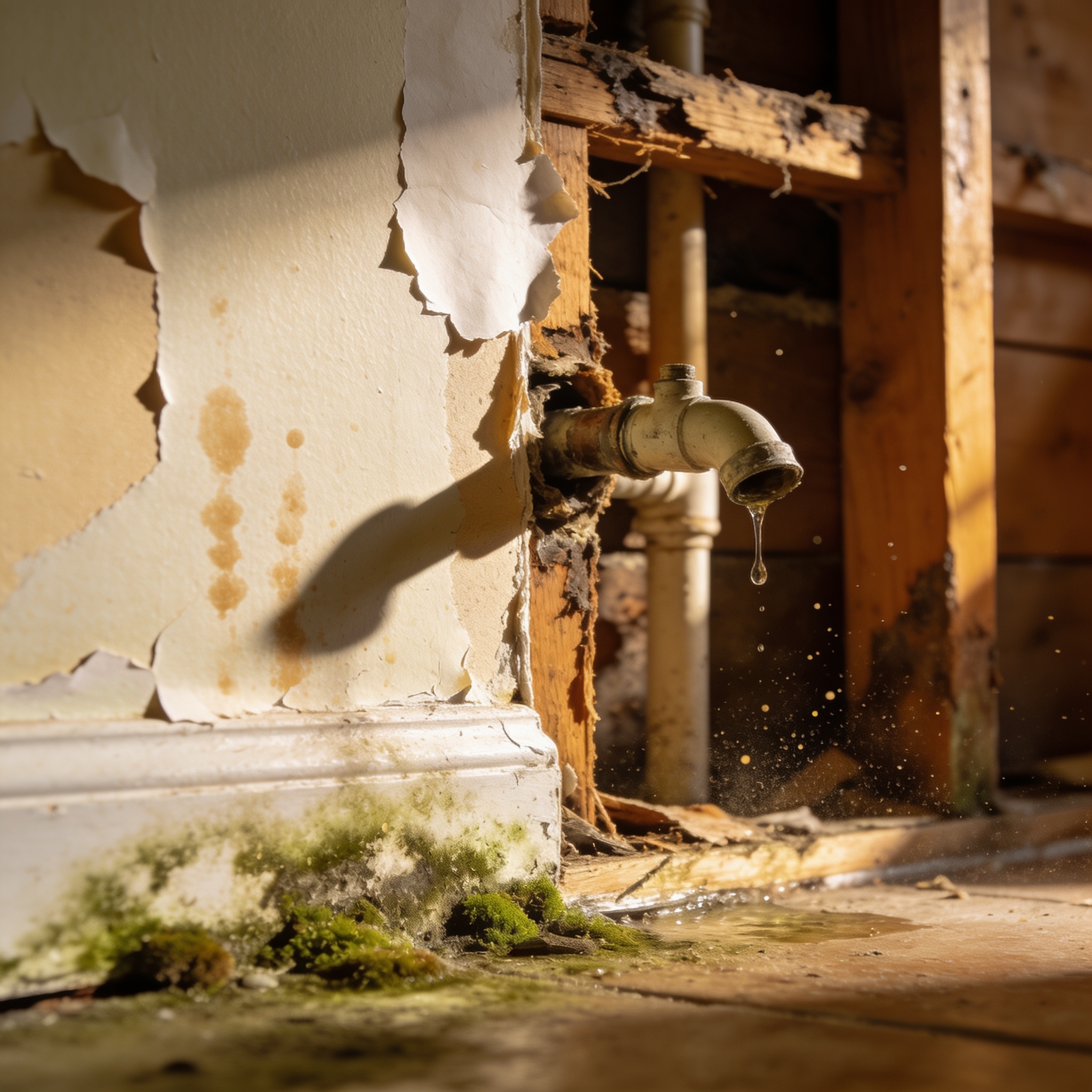
Mold from water damage typically appears as fuzzy, dark, or multicolored patches that grow in circular patterns on the surface of drywall or wallpaper. Any sign of mold growth requires immediate attention, as it indicates the presence of moisture that has likely been present for at least 24 to 48 hours. If you find signs of mold, it is vital to contact a professional for Water Damage Restoration to ensure the spores are properly contained and removed.
How Can You Tell If Water Damage Is Permanent or Minor?
Minor water damage is generally limited to surface-level discoloration, whereas permanent structural damage involves deep saturation of the studs, insulation, and drywall backing. You can test the depth of the issue by using a moisture meter to determine if the moisture content exceeds 15-17%. If the wall feels solid and the damage is restricted to a small patch of paint, it may be a minor issue that can be dried out quickly. However, if the wall feels soft or the drywall is crumbling, you are likely dealing with severe structural damage that requires professional water damage repair.
| Indicator | Minor Damage | Major Damage |
|---|---|---|
| Surface Texture | Slightly discolored | Soft, spongy, or crumbling |
| Odor | None | Strong, musty, or earthy |
| Structural Integrity | Solid to the touch | Bowing, sagging, or warped |
| Hidden Damage | None | Visible dark spots on walls |
Causes of Water Damage
The most common causes of water damage in walls include roof leaks, plumbing failures, and wind-driven rain penetrating the building envelope during tropical storms. In Southwest Florida, improper flashing around roof shingles or damaged gutters can cause water to seep into walls during heavy summer storms. Additionally, internal plumbing issues like a pipe inside a wall or leaking water heaters are frequent culprits for hidden water damage. High indoor humidity levels can also lead to condensation buildup if your HVAC system is not properly ventilated or maintained.
Hidden Water
When water exposure occurs, it can easily penetrate walls, leading to significant degradation of your home’s interior. You might notice stains on walls or warped walls that indicate moisture has traveled far from the original source. Often, the walls may feel cool or damp to the touch, which is a primary indicator of underlying water damage. If you notice these issues, it is essential to act quickly to prevent serious water damage from affecting the rest of your property.
Detect Water Damage
To detect water damage, look for early signs of water damage such as peeling wallpaper or bubbling paint. Because moisture can accumulate behind walls, it is important to check areas where water damage may be present, such as near plumbing fixtures or exterior walls exposed to rain. If you suspect water damage in your home, professional tools like moisture meters can confirm if materials have begun to absorb water.
Ceiling Water Damage
Ceiling water damage often occurs when leaks from a roof or a second-story bathroom travel down the framing. This type of damage can result from water that has pooled in the attic or leaked through roof shingles. If you see dark spots on your ceiling, it is often a sign that the moisture has already begun to compromise the structural integrity of the ceiling joists.
Musty Odor
A musty odor is one of the most common early warning signs that mold is growing behind your walls. If you smell a damp, earthy scent, it is likely that water has been trapped inside a wall for an extended period. This odor is often the first indicator that you have a hidden leak that requires immediate professional attention.
Lead to Mold
Excessive moisture will inevitably lead to mold if not dried within 48 hours. Mold spores thrive in the dark, damp environment found behind walls, and once they take hold, they can spread rapidly. Addressing water damage early is the only way to prevent a minor leak from becoming a major mold remediation project.
Water Stain
A water stain is often the most visible symptom of a larger problem. While the stain itself might look like a simple cosmetic issue, it often points to a deeper leak that has already caused significant saturation. If you see a water stain, investigate the area immediately to determine if the wall behind it is soft or damaged.
Water Damage Restoration
Professional water damage restoration is necessary when the damage is extensive or involves hazardous materials. Experts use specialized equipment to dry out the structure, remove mold, and perform water damage repair to restore your home to its pre-loss condition. Taking action quickly ensures that your home remains safe and structurally sound.
Frequently asked questions
These answers address common concerns regarding the identification and management of water-related issues in residential properties.
Can a small leak really cause major structural damage?
Yes, even a small, consistent leak can lead to significant structural damage by rotting wood studs and weakening the drywall over time. It is vital to detect water damage before it leads to sagging walls.
How do I know if the water in my wall is from a pipe or the roof?
A professional inspection using moisture mapping can determine the source by tracing the path of the moisture from the ceiling or floor upward or downward, as water seeping from above often creates ceiling water damage.
Does homeowners insurance cover water damage in walls?
Coverage depends entirely on your specific policy, as most standard policies cover sudden and accidental leaks but exclude long-term maintenance issues or flood damage.
Is it safe to stay in a home with water damage?
It is generally not safe to remain in a home with significant water damage, especially if mold is present, as it can cause respiratory issues for vulnerable individuals.
How often should I check my walls for water damage?
You should perform a visual inspection of your walls and ceilings at least twice a year, and immediately following any major storm event in Southwest Florida, looking specifically for any sign of water damage.
See also: Water Damage Restoration
See also: Water Damage Restoration
Related: Water Damage Restoration Cost
Our editorial team verifies licensing and reviews for every restoration company in the directory and writes practical, Florida-specific guides to help homeowners act fast and protect their insurance claims after water, fire, mold or storm damage.