Water Backup Coverage vs. Water Damage: Understanding Your Homeowner Policy
The primary distinction between these two concepts is that standard water damage typically covers sudden, accidental pipe bursts, while water backup coverage is an optional endorsement specifically designed to pay for damage caused by a backed-up sewer or sump pump overflow. In Southwest Florida, where tropical storms and aging infrastructure frequently stress local plumbing, failing to distinguish between these two can result in costly water damage that remains uncovered. Understanding how insurance covers these events is vital for every property owner. Your home insurance policy acts as the foundation for your protection, but it is rarely enough on its own to handle external failures, which is why you should add optional water endorsements to your plan.
Key Takeaways
- Standard homeowners policies usually covered accidental pipe bursts but exclude damage caused by sewer and drain backups.
- Water backup coverage is an optional endorsement that must be added to your existing policy to address accidental water intrusion.
- Flood insurance is a separate flood insurance policy requirement for many SWFL properties and does not overlap with backup protection.
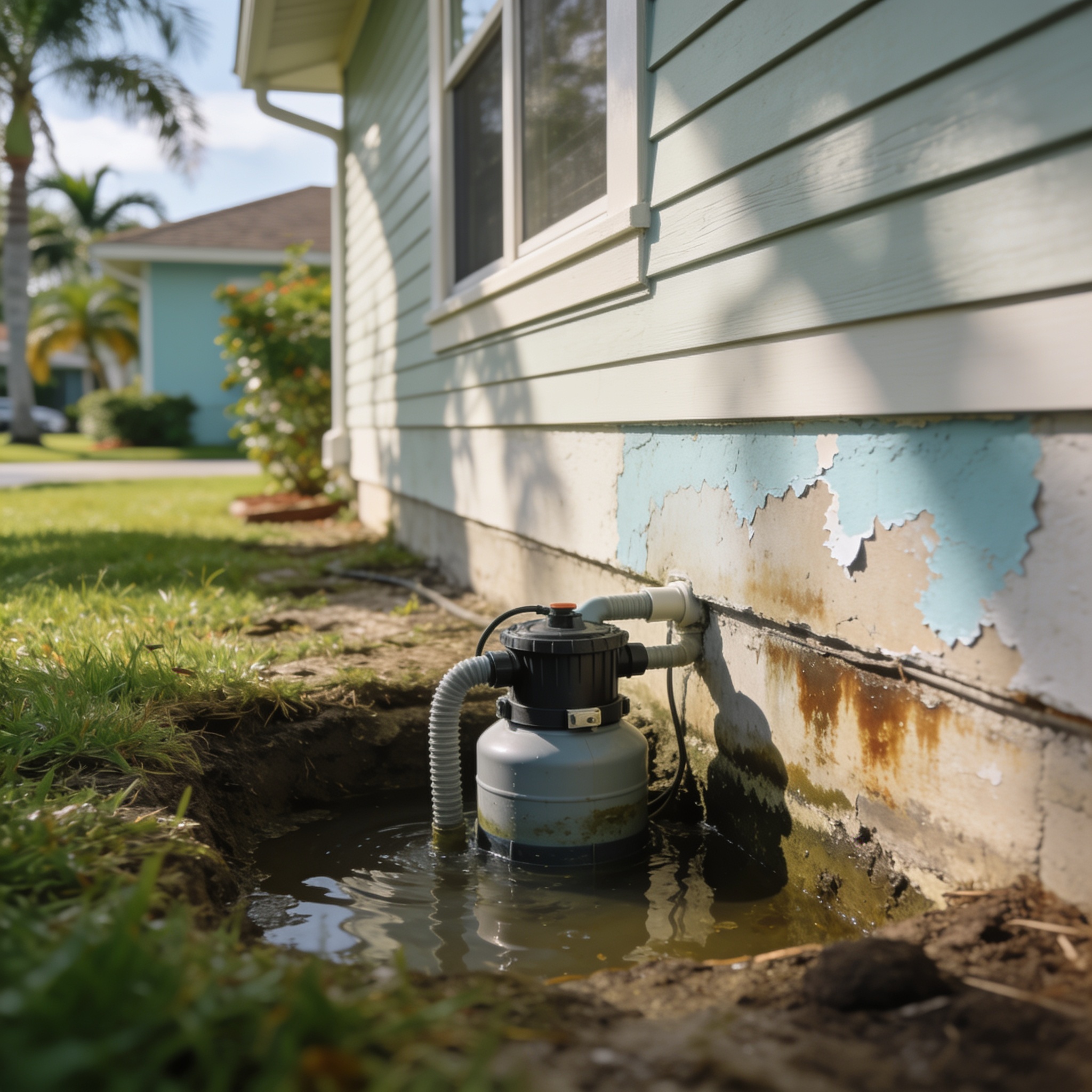
- Sump pump failure is often excluded unless you specifically carry sump pump overflow coverage.
- Regular maintenance of your main sewer line is the most effective way to prevent costly water damage.
What Is Water Backup Coverage and What Does It Include?
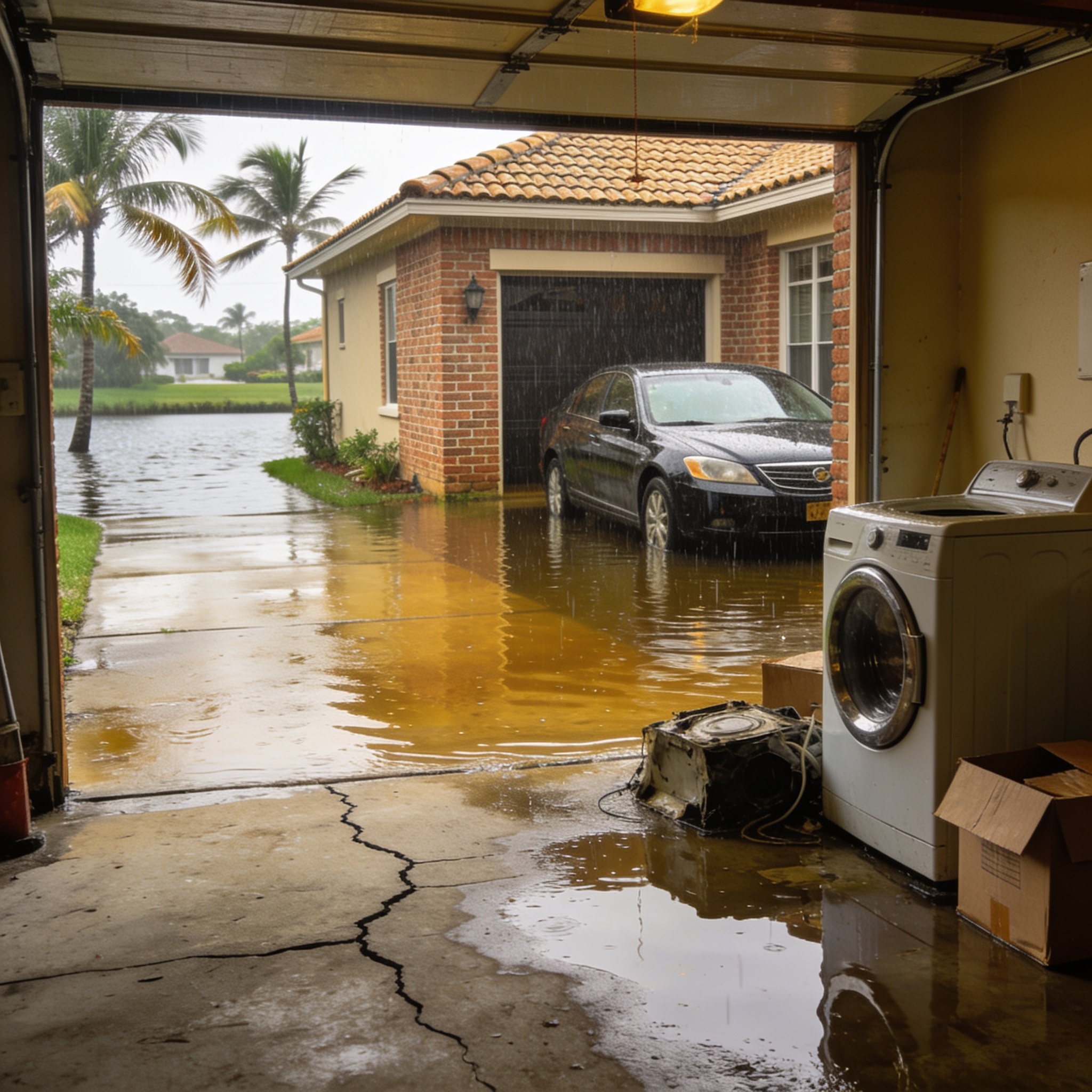
Water backup coverage is a specific policy endorsement that protects you against the high costs associated with sewage or water entering your home through pipes, drains, or a failed sump pump. This coverage is essential for any homeowner in Lee or Collier County, as heavy rainfall during hurricane season can overwhelm municipal sewer systems, forcing waste back into residential properties. When water originates from an external source and water backs up into your living space, this water backup coverage would mitigate the financial burden. According to the Insurance Information Institute, maintaining proper documentation is key to identifying the specific category of water involved.
Scope of Coverage
This endorsement typically covers the cost of cleaning up the mess, repairing damaged flooring, and replacing personal property affected by the backup. It specifically addresses the “sudden and accidental” nature of these events. It does not, however, cover damage resulting from a lack of maintenance, such as a tree root that has been slowly infiltrating your pipes for years. This property coverage ensures that damage to your home is addressed promptly, and it includes overflow coverage for drains.
Is Water Backup Coverage the Same as Water Damage — Or Are They Different?
The critical difference lies in the source of the water: standard water damage coverage applies to internal plumbing failures like a burst pipe, whereas water backup coverage addresses water entering from external sewer or drain systems. If a water heater ruptures in your garage, your standard policy likely triggers. If your toilet overflows because the city main is clogged, you need the specific endorsement. Water backup coverage may help bridge the gap where standard home insurance falls short, especially when sewer line backs up into your home.
| Feature | Standard Water Damage | Water Backup Coverage |
|---|---|---|
| Source | Internal (Pipes, Appliances) | External (Sewer, Drains, Sump) |
| Inclusion | Included in most policies | Optional endorsement |
| Common Cause | Burst pipe, failed water heater | Clogged sewer, pump failure |
| Limits | Policy limits apply | Specific water backup coverage limits apply |
What Is the Difference Between Water Backup Coverage and Flood Insurance?
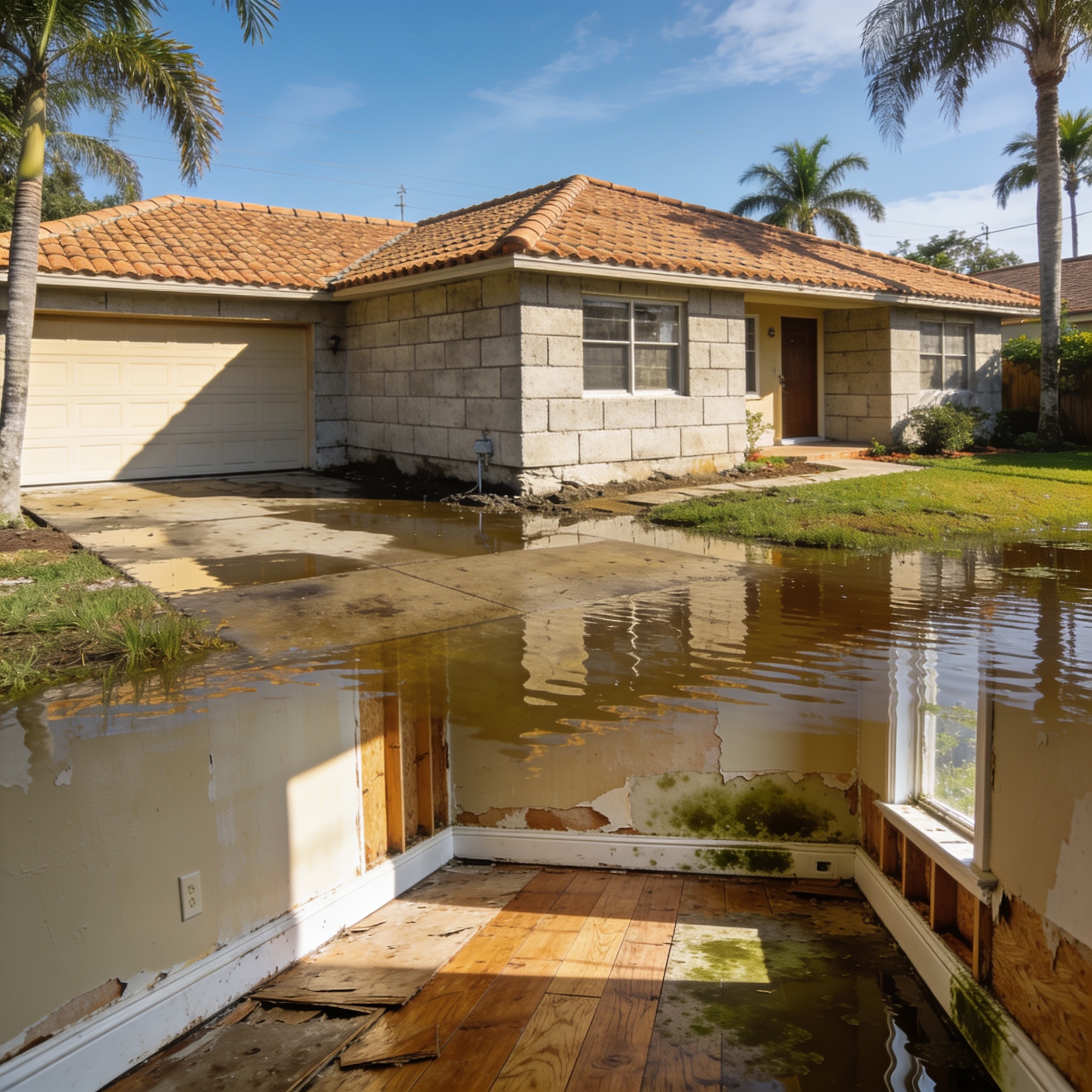
Flood insurance is designed to cover damage from rising surface water, such as storm surges or overflow of bodies of water, which is fundamentally different from the localized pipe or sewer issues addressed by backup coverage. In SWFL, many homeowners mistakenly believe their standard policy covers hurricane-related flooding. Understanding the differences between flood and backup events is essential, as rising water on normally dry land is considered a flood, not a backup. Coverage may vary by insurance group, so always review your specific insurance information.
Does Homeowners Insurance Cover Water Backup?
Standard homeowners insurance policies almost universally exclude damage from sewer or drain backups, meaning you are financially responsible for the cleanup unless you add the specific endorsement. If you live in an area prone to drainage issues, such as low-lying parts of Charlotte County, relying on your base policy is a significant financial risk. Always verify your insurance coverage limits with your local insurance agent. Remember, renters insurance may also have specific limitations regarding these events, and you should evaluate the total coverage you need.
Do You Need Water Backup Coverage for Your Home?
You need water backup coverage if your home utilizes a sump pump, has a basement, or is connected to an aging municipal sewer system that struggles during heavy tropical rain events. For those in older neighborhoods, the risk of a clogged sewer line is statistically higher. If you require professional assistance, you might search for a reputable Water Damage Restoration to assess your property’s vulnerability. This water backup endorsement is a low-cost way to cover the damage that could otherwise ruin your finances. You should also consider equipment breakdown coverage to protect your mechanical systems.
How Much Does Water Backup Coverage Cost?
The annual premium for water backup coverage typically ranges from $50 to $250, depending on the amount of coverage you select and your specific location in Florida. This is a small price compared to the thousands of dollars in damage caused by a major sewage event. When considering Water Damage Restoration Cost, the cost of the endorsement is negligible. Home insurance is an investment, and adding this protection ensures you are fully prepared.
Is It Worth Filing an Insurance Claim for Water Damage?
You should only file an insurance claim if the total cost of repairs significantly exceeds your deductible, as frequent claims can lead to increased premiums or policy non-renewal. Before calling your provider, consult with a professional who specializes in water damage restoration cost fort myers to get an accurate estimate of the restoration costs. If the damage is minor, paying out of pocket may protect your long-term insurance standing.
What Not to Say to an Insurance Adjuster for Water Damage?
Never admit to neglecting your plumbing maintenance or suggest that the issue has been ongoing for a long time, as this can lead to an immediate denial of your claim. Adjusters look for evidence of wear and tear, which is not covered by insurance. Stick to the facts regarding the sudden nature of the event when providing information to your carrier.
How Can You Prevent Water Backups in Your Home?
Regular maintenance, such as installing a backflow valve and testing your sump pump annually, is the most effective way to prevent water backups from damaging your property. For residents in areas like Sanibel, scheduling routine Water Damage Restoration can help identify potential plumbing weaknesses before they become disasters. Does your insurance include water backup protection? If not, now is the time to ask.
The 5 Steps to Prevent Water Backups
- Install a backflow prevention valve on your sewer line to stop sewage from flowing back into your home.
- Test your sump pump at least twice a year to ensure the float and discharge pipe are functioning correctly.
- Avoid flushing grease, wipes, or feminine hygiene products, as these are the primary causes of a clogged sewer line.
- Clear debris from your outdoor storm drains regularly to ensure water flows away from your foundation during heavy rain.
- Schedule an annual inspection of your main sewer line to check for tree root intrusion or pipe degradation.
Frequently asked questions
These common inquiries help clarify the nuances of protecting your property against water-related disasters in Florida. If you have questions about water damage, these answers provide clarity.
Does homeowners insurance cover a broken water heater?
Yes, standard homeowners insurance typically covers damage from a hot water heater that bursts suddenly, as this is considered an internal plumbing failure. This coverage covers the resulting interior damage.
Is sewage backup the same as a flood?
No, sewage backup is considered a plumbing issue, whereas a flood is defined by the NFIP as rising surface water affecting multiple properties.
What happens if my sump pump fails during a storm?
If your sump pump fails, you are only covered if you have specifically added back-up coverage to your policy, as standard policies exclude mechanical failure.
Are older homes at higher risk for sewer backups?
Yes, older homes often have aging sewer systems and clay pipes that are more susceptible to cracks and root infiltration, increasing the risk of a backup when water damage happens.
How do I get water backup coverage?
Contact your agent to get water backup coverage added to your existing policy before the next storm season begins.
See also: Water Damage Restoration
Our editorial team verifies licensing and reviews for every restoration company in the directory and writes practical, Florida-specific guides to help homeowners act fast and protect their insurance claims after water, fire, mold or storm damage.