How Long Does It Take Wet Insulation to Dry? A Restoration Expert’s Guide
It typically takes between 48 to 72 hours for wet insulation to dry under professional conditions, provided the source of the moisture is stopped and industrial-grade air movers are deployed. Knowing how long does it take wet insulation to dry is critical for SWFL homeowners, as our high humidity levels often prevent natural evaporation in enclosed wall cavities or attic spaces. When moisture gets trapped within these spaces, it creates a high risk of mold and mildew growth, which can pose health risks to your family. Because this affects indoor air quality, you must act quickly to protect your home and health.
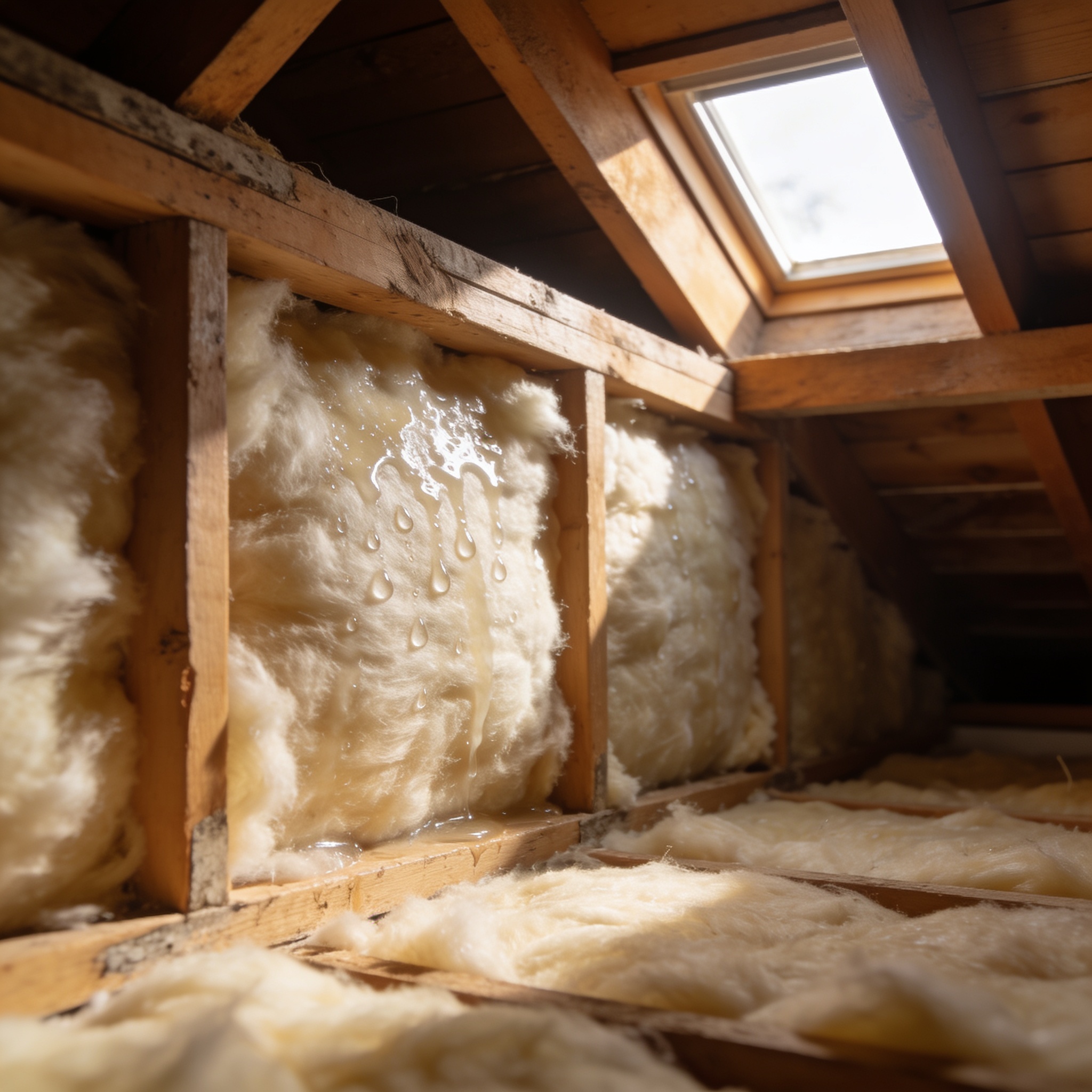
Key Takeaways
- Professional restoration protocols require moisture to be mitigated within 72 hours to prevent microbial growth.
- Fiberglass and cellulose materials often require removal if they have been saturated by category 2 or 3 water.
- High humidity in Southwest Florida significantly slows the natural drying process of building materials.
- Insurance policies often cover the cost of removal and replacement if the damage is sudden and accidental.
- Monitoring moisture content with professional-grade hygrometers is the only way to confirm if a space is truly dry.
What Causes Insulation to Get Wet in the First Place?
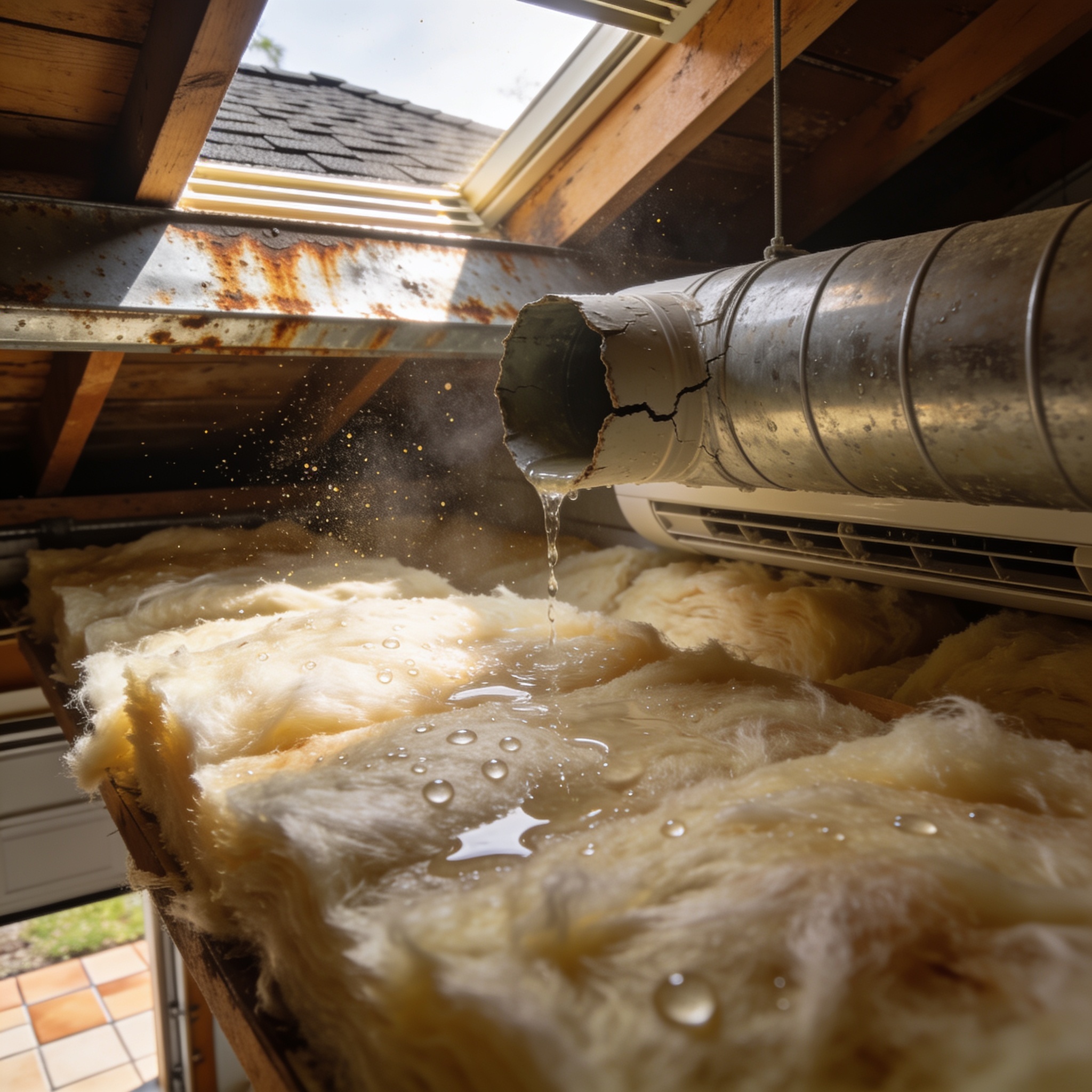
The primary cause of insulation get wet scenarios in Southwest Florida involves roof leaks following tropical storms or severe thunderstorms. When heavy rain penetrates the roof deck, it seeps inside the attic, where the insulation materials absorb water like a sponge. Leading to wet insulation, these leaks often go unnoticed until saturation occurs within the insulation. When insulation becomes wet, it is vital to identify the source of water immediately to stop further intrusion.
Plumbing failures and condensation issues within wall cavities are also frequent culprits. In our climate, improper ventilation in the attic or basement can cause warm, humid indoor air to meet cooler surfaces, resulting in moisture buildup. If you notice a persistent water leak that allows moisture to enter your home, seeking Water Damage Restoration services immediately can prevent the moisture from migrating further into your structural framing.
What Are the Signs of Water-Damaged Insulation?
The first sign of water-damaged insulation is often a visible water stain on the ceiling or walls below the affected insulation. You may also notice a musty odor, which indicates that mold or mildew is already beginning to colonize the damp materials. Sagging drywall and increased humidity levels in specific rooms are reliable indicators that your insulation is wet and requires professional assessment. If you observe these signs, it is important to document the damage for your insurance provider before you remove wet insulation.
What Happens If Insulation Gets Wet?
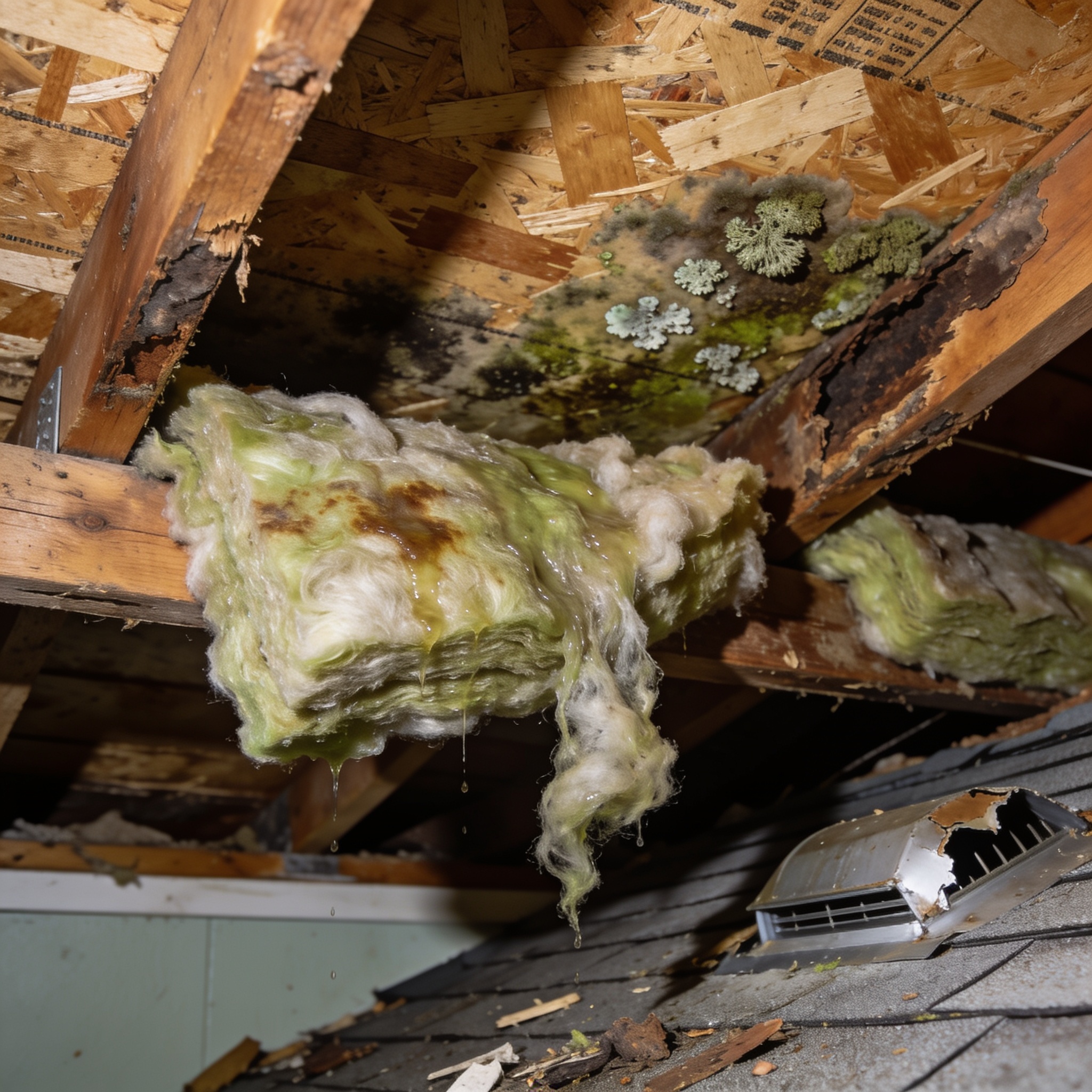
What happens if insulation wet conditions persist is a rapid loss of structural integrity and a significant decline in insulation performance. Once the material becomes saturated, insulation loses its ability to regulate temperature and humidity, creating a persistent dampness that encourages wood rot. Most porous insulation materials will retain moisture for extended periods, creating a persistent dampness that encourages wood rot in nearby structural members. This is especially problematic in Lee and Collier counties, where the ambient humidity makes it nearly impossible for these materials to dry out the insulation on their own without a warm place to dry.
Does Insulation Lose R-Value When Wet?
Insulation can lose its effectiveness when wet because the trapped moisture replaces the air pockets that provide thermal resistance. As the material becomes saturated, its ability to insulate your home drops significantly, leading to higher energy bills as your HVAC system works harder to compensate. The R-value of fiberglass and cellulose insulation is essentially negated once the material is fully saturated with water. Even after the drying process is complete, some materials may not regain their original loft or insulating properties, necessitating a full replacement. You may need to replace the material if it fails to perform to standard, as moisture can permanently damage your insulation.
How Long Does It Take Wet Insulation to Dry?
The 3-day rule is the industry standard for determining how long it takes for wet insulation to dry before it must be discarded. If the insulation cannot be returned to its original moisture content within this window, the risk of microbial contamination becomes too great. You must dry wet materials quickly to prevent wet insulation from causing further structural issues. Professional restoration teams utilize industrial dehumidifiers and high-velocity fans to force the drying process, but even then, saturated fiberglass often fails to meet safety standards. In the humid climate of SWFL, relying on passive ventilation is rarely sufficient to dry wet insulation effectively in deep wall cavities or thick attic blankets.
How Long Does It Take for Mold to Grow on Wet Insulation?
Mold can begin to grow on wet insulation in as little as 24 to 48 hours if the temperature and moisture levels are ideal. In our tropical environment, the high humidity provides the perfect conditions for spores to germinate rapidly. Once mold colonies establish themselves within the fibers of the insulation, the material is considered contaminated and must be safely removed. For residents in areas prone to storm surges, understanding how much does mold remediation cost is a vital part of emergency preparedness.
How Do You Address Wet Insulation?
You address wet insulation by first identifying and stopping the source of the water intrusion, such as a roof leak or pipe burst. Once the source is controlled, you must use industrial-grade equipment to manage the moisture inside your home. Professional crews use specialized fans and dehumidifiers to lower the humidity in the affected area, effectively pulling moisture out of the air and the building materials. If you are dealing with significant water damage, consult a professional to ensure the area is properly remediated.
Can Wet Insulation Be Saved or Does It Need to Be Replaced?
Wet insulation generally needs to be replaced if it has been exposed to water or if it has been localized wet for too long. While minor condensation might be managed, porous materials like fiberglass batts and cellulose insulation rarely recover their performance once they have been fully soaked. Homeowners should prioritize replacing wet insulation rather than attempting to dry it, as the cost of future mold remediation far outweighs the price of new materials. Always consult a professional to ensure that the replace wet insulation process meets current Florida building codes.
What Types of Insulation Are Most Resistant to Water Damage?
Closed-cell spray foam is the most water-resistant insulation type available, as its dense structure prevents it from absorbing water. Unlike open-cell spray foam or fiberglass insulation, closed-cell foam acts as a vapor barrier, protecting your home from moisture intrusion. When choosing different insulation types, prioritize moisture-resistant insulation for wet areas. Selecting the right insulation type during a renovation can significantly reduce the risk of future water damage and improve your home’s overall resilience. Mineral wool insulation is another option that is naturally hydrophobic. When comparing different insulation, consider how moisture might damage your insulation over time.
Frequently asked questions
Understanding the nuances of moisture management is essential for maintaining a healthy home in Southwest Florida.
Can I use a fan to dry out my attic insulation?
Using a fan to dry out attic insulation is typically ineffective and can actually spread mold spores throughout your home. Professional restoration companies use negative air machines with HEPA filtration to ensure that the drying process does not degrade your indoor air quality.
Is it safe to leave damp insulation in my walls?
It is never safe to leave damp insulation in your walls, as it provides a constant food source for mold and can lead to structural rot. You should always address wet insulation immediately to protect your home’s structural integrity.
Does my insurance cover the cost of replacing wet insulation?
Most homeowner insurance policies cover the cost of replacing wet insulation if the damage is caused by a sudden, accidental event like a burst pipe or storm-related roof damage. You should contact your adjuster immediately to document the damage before any cleanup begins.
How can I tell if my insulation is dry enough?
The only way to confirm that insulation is dry is by using a professional-grade moisture meter to check the moisture content of the material and the surrounding wood studs. Relying on visual inspection is not enough, as the interior of the insulation may still be holding water.
What is the difference between open-cell and closed-cell foam?
Open-cell foam is porous and can absorb water if it gets wet, whereas closed-cell foam is dense and moisture-resistant. In flood-prone regions of Florida, closed-cell spray foam is often recommended for its superior durability and resistance to water damage.
Comparison of Insulation Materials
| Insulation Type | Water Resistance | Drying Potential |
|---|---|---|
| Fiberglass Batts | Low | Poor |
| Cellulose | Very Low | Poor |
| Open-Cell Foam | Moderate | Fair |
| Closed-Cell Foam | High | Excellent |
| Mineral Wool | High | Good |
See also: Water Damage Restoration
See also: Water Damage Restoration
Our editorial team verifies licensing and reviews for every restoration company in the directory and writes practical, Florida-specific guides to help homeowners act fast and protect their insurance claims after water, fire, mold or storm damage.