Is Water Damage Covered by Homeowners Insurance? What Every Florida Homeowner Must Know
If you’ve ever watched a pipe burst under your kitchen sink or returned home after a Florida storm to find water pooling across your floors, your first thought is probably: will my homeowners insurance cover this? The answer, unfortunately, isn’t a simple yes or no. Whether your policy covers water damage to your home depends heavily on the source of the water, the circumstances that caused it, and — critically for Southwest Florida residents — whether you live in a designated flood zone in Lee, Collier, or Charlotte County. This guide breaks down everything you need to know so you can protect your home and personal property, file a water damage claim confidently, and avoid costly surprises.
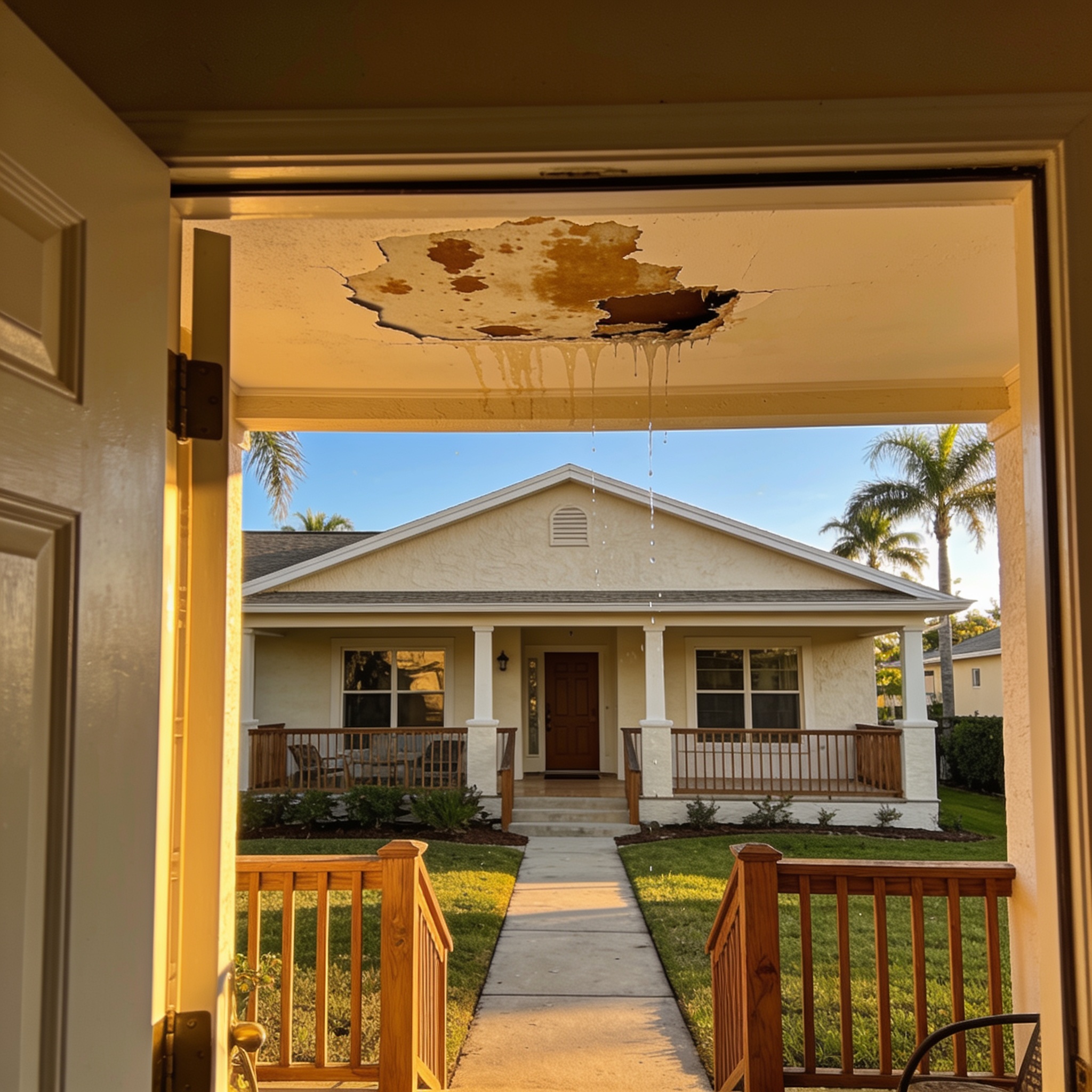
Understanding Water Damage Insurance Claims in Southwest Florida
Water damage insurance claims are among the most common — and most disputed — claims filed with home insurance companies across the country. According to industry data, water damages and freezing account for nearly 24% of all homeowners insurance claims. In Southwest Florida, that number skews even higher because of hurricane season, aging plumbing infrastructure, and the region’s intense humidity that accelerates mold growth and gradual damage to building materials.
The core principle behind any water damage insurance claim is straightforward: homeowners insurance covers sudden and accidental water damage, but it does not typically cover flooding from outside your home or damage that results from long-term neglect. Understanding this distinction — including the critical difference between water damage and flood damage — before you file a claim can save you weeks of frustration and thousands of dollars in out-of-pocket costs. Whether water damage in your home is covered by your policy ultimately depends on the source and circumstances of the loss. For additional insurance information specific to Florida, the Florida Department of Financial Services provides guidance on homeowners policy requirements and consumer rights.
What Type of Water Damage Is Covered by Homeowners Insurance?
A standard homeowners insurance policy generally covers water damages that are sudden, accidental, and originate from inside the home. Knowing which scenarios mean homeowners insurance covers your loss — and which don’t — is essential for every SWFL homeowner. Homeowners insurance usually covers losses that stem from a sudden, accidental internal event, while excluding gradual deterioration and external flooding. Here are the most common situations where your home insurance cover water damage provisions will apply, and where damage may be covered under a covered peril:
- Burst or frozen pipes: A pipe that suddenly ruptures — whether from pressure, a manufacturing defect, or a rare cold snap — is typically covered by home insurance. The resulting water damages to floors, walls, and personal property are covered by home insurance in most cases. This is one of the clearest examples of water damage if the cause is sudden and accidental.
- Water heater failure: If your water heater suddenly cracks or bursts and floods your utility room, a standard homeowners insurance policy will usually cover the resulting damage inside your home. Note that the water heater itself may or may not be replaced depending on your policy terms.
- Appliance leaks: A washing machine hose that suddenly fails, a dishwasher that overflows, or a refrigerator ice-maker line that bursts are all examples of accidental water leak events that homeowners insurance covers. These types of water damages are covered because they are sudden and accidental.
- Roof leak from a covered peril: If a storm tears off shingles and rain enters your home through the damaged roof, your policy may cover the resulting interior water damage — provided the roof damage itself was caused by a covered peril like wind or hail. Whether your policy covers water damage depends on how well you document that the roof opening was storm-created rather than pre-existing.
- Accidental overflow: A bathtub, shower, or toilet that overflows accidentally and causes water damages to your floors or subfloor is generally covered by your homeowners insurance.
Insurance expert and Policygenius editor Stephanie Nieves notes that the key phrase in most policies is “sudden and accidental.” If the damage is caused by a one-time event rather than a slow, ongoing condition, you’re far more likely to have a covered claim. Whether your insurance coverage will pay out depends on how well you can document that the loss was sudden rather than gradual.
Does Homeowners Insurance Cover Water Damage from a Leaking Roof?
Yes — with an important caveat. If a hurricane, tropical storm, or severe thunderstorm (all extremely common in Lee, Collier, and Charlotte counties) damages your roof and water comes inside, the resulting water damage to your home caused by the storm is covered by home insurance as long as the roof damage was caused by a covered peril. However, if your roof was already in poor condition and a routine rainstorm caused a leak, your insurance company may deny the claim on the grounds of gradual damage or lack of maintenance. In that scenario, your insurer may not cover the water damage, leaving you to cover the cost out of pocket. SWFL homeowners should schedule annual roof inspections, especially after hurricane season, to document the condition of their roof and avoid claim disputes.
What Types of Water Damage Are Not Covered?
Knowing what types of damage are not covered is just as important as knowing what is. Standard home insurance policies — including most home insurance policies sold in Florida — doesn’t cover the following categories of loss, which are explicitly excluded under standard home insurance policies:
- Flood damage from rising water: This is the single biggest gap for Southwest Florida homeowners. If water enters your home from outside — whether from a storm surge, an overflowing body of water such as a canal or river, or heavy rain that overwhelms drainage systems — that is classified as flood damage. Understanding the difference between water damage and flood damage is critical: a standard home insurance policy doesn’t cover flood damage from rising water. You need a separate flood insurance policy to cover losses from rising water, storm surge, or ground-level flooding.
- Gradual damage and neglect: A slow drip under a sink that goes unaddressed for months, a water heater that shows visible rust for years before finally failing, or a roof that has been leaking gradually — these are all examples of gradual damage that homeowners insurance typically may not cover. Your policy may not cover water damage that results from a failure to maintain your home.
- Sewer backup and sewer line damage: Water damage caused by a sewer backup or water backup from a drain is not included in most standard policies. Homeowners can purchase a sewer and water backup endorsement to cover this gap for a modest additional premium — something SWFL homeowners should strongly consider given the region’s aging sewer infrastructure.
- Sump pump overflow: If your sump pump fails during heavy rain and your lower level floods, standard homeowners insurance won’t cover it. A separate sump pump endorsement may cover the damage.
- Mold from neglected water damage: Homeowners insurance may help cover mold remediation if the mold is a direct result of a covered water event, but it generally won’t cover mold that developed because a water damage issue went unaddressed. In SWFL’s humid climate, mold can develop within 24–48 hours of a water event, making rapid response critical.
- Seepage through foundation: Water that seeps through your foundation or enters through cracks in your slab is not covered by standard homeowners insurance.
Does Homeowners Insurance Cover Basement or Slab Flooding from Rain?
Most homes in Southwest Florida are built on slabs rather than basements, but the principle applies to lower-level living spaces and garages. If heavy rain causes water to enter your home from the ground up — whether through a slab, doorway, or foundation — that is considered flood damage, not a covered peril under standard homeowners policies. This is why flood insurance is so critical in SWFL, where many neighborhoods sit in FEMA-designated Special Flood Hazard Areas. If you’re unsure of your flood zone status, check FEMA’s flood map or ask your insurance agent.
What Types of Rain Water Damages Does Home Insurance Cover?
Whether your home insurance covers water damage depends on how the water enters your home. Homeowners insurance may cover water damage from rain only when the rain enters through a sudden, storm-created opening — like a wind-damaged roof or a broken window. It does not cover rainwater that enters through pre-existing gaps, poor seals, or ground-level flooding. Whether insurance may cover water damage from rain depends on the specific cause, so documentation is everything. Cover water damage from rain claims are among the most frequently disputed in Florida.
What Homeowners Insurance Covers — and Typically Cover Scenarios Explained
To summarize what a standard homeowners insurance policy will typically cover, keep in mind that most policies cover water damage that is sudden, accidental, and internal. The scenarios that policies typically cover include burst pipes, appliance failures, and storm-driven rain through a damaged roof. By contrast, whether a policy covers water damage depends heavily on the source: losses that originate from outside the structure — such as flooding from a nearby body of water — are excluded. Homeowners insurance usually covers water damage from a covered peril inside your home, but it will not cover the cost of losses that stem from flooding, neglect, or gradual deterioration.
Water Damage Are Covered vs. Not Covered: A Quick Reference
Understanding which water damage are covered and which are excluded under a standard homeowners insurance policy helps you plan your overall insurance coverage strategy. Covered water damages are covered when they are sudden and accidental; excluded losses — such as flood damage, sewer backup, and gradual leaks — require separate endorsements or standalone policies. Renters insurance policies follow a similar framework: renters insurance typically covers personal property damaged by sudden and accidental water events inside your home, but renters insurance also doesn’t cover flood damage without a separate flood policy.
The Southwest Florida Flood Damage and Insurance Gap
Lee County, Collier County, and Charlotte County are among the most flood-prone areas in the United States. Hurricane Ian in 2022 caused catastrophic storm surge flooding across Fort Myers, Cape Coral, Sanibel Island, and Punta Gorda — and the vast majority of that water damage to your home was flood damage, not covered by standard homeowners insurance. Thousands of homeowners who lacked a separate flood insurance policy were left paying out of pocket to cover the cost of repairs.
The National Flood Insurance Program (NFIP) offers federally backed flood insurance policies that cover the structure of your home and, with a separate policy, your home and personal property contents. You need a flood insurance policy to cover losses from any body of water that overflows its banks or surges inland during a storm. Private flood insurance options may offer higher coverage limits and shorter waiting periods. If you don’t currently carry flood insurance and you live in SWFL, speak with an insurance agent immediately — there is typically a 30-day waiting period before NFIP coverage takes effect, so don’t wait until a storm is in the forecast.
Homeowners in areas like Sanibel, Punta Gorda, and Port Charlotte should also be aware that even properties outside of high-risk flood zones can experience flooding. Consider visiting our local resource pages for Water Damage Restoration and Water Damage Restoration for community-specific guidance.
How to File a Water Damage Insurance Claim
When water damage occurs in your home, acting quickly and methodically will give your water damage insurance claim the best chance of success. Here’s the process SWFL restoration professionals recommend:
- Stop the source: Shut off the water supply to the affected area immediately. For a burst pipe, locate your main shutoff valve. Keeping the damage from getting worse is both a practical necessity and a policy requirement — most homeowners insurance policies require you to take reasonable steps to keep the damage from getting worse after a loss.
- Document everything: Before moving anything, photograph and video the damage thoroughly. Capture the source of the water, the affected rooms, damaged belongings, and any visible structural damage.
- Call your insurance company: Notify your insurance company as soon as possible. Ask specifically what your policy covers, what documentation they need, and what the claims process timeline looks like.
- Hire a professional restoration company: Contact a licensed water damage restoration contractor to begin mitigation — water extraction, drying, and mold prevention. Many insurance companies require professional mitigation to honor a claim.
- File a water damage claim formally: Work with your adjuster to file a claim. Provide all documentation, receipts, and the restoration company’s assessment. Keep copies of everything.
- Review the settlement: If the settlement offer seems low, you have the right to dispute it. A public adjuster or insurance expert can help you negotiate.
Homeowners in Port Charlotte dealing with storm-related water intrusion can find vetted local contractors through our Water Damage Restoration directory page.
How to Prevent Water Damages to Your SWFL Home
The best water damage insurance claim is the one you never have to file. Here are practical steps to prevent water damages specific to Southwest Florida’s climate and housing stock:
- Inspect your roof annually and after every major storm. Replace missing or damaged shingles promptly.
- Check washing machine hoses, water heater connections, and under-sink plumbing for signs of a water leak at least twice a year.
- Install a water leak detection sensor near your water heater, washing machine, and under kitchen and bathroom sinks.
- Clean gutters and downspouts regularly to prevent water from pooling against your foundation during heavy rain.
- Ensure your sewer cleanouts are accessible and have your sewer lines inspected if your home is more than 20 years old — a sewer backup that damages your home is an expensive and disruptive event that standard home insurance policies don’t cover without an endorsement.
- Elevate electrical panels, HVAC equipment, and appliances if you live in a flood-prone area.
- Review your home insurance policies annually to make sure your coverage keeps pace with rising rebuild costs in SWFL. Comparing home insurance policies every year ensures you’re not underinsured when a loss occurs.
Water Damage Coverage Cost Ranges in Southwest Florida
| Type of Water Damage | Typically Covered by Homeowners Insurance? | Estimated Repair Cost (SWFL) | Notes |
|---|---|---|---|
| Burst pipe | Yes | $1,500 – $15,000+ | Depends on location and extent of damage |
| Water heater failure | Yes (resulting damage) | $500 – $8,000 | Unit replacement may not be covered |
| Storm-driven rain through damaged roof | Yes (if roof damage is covered) | $2,000 – $25,000+ | Document roof condition pre-storm |
| Flood damage / storm surge from body of water | No — requires separate flood insurance; standard home insurance policies don’t cover flood damage | $20,000 – $100,000+ | NFIP or private flood policy needed |
| Sewer backup damages your home | No — requires endorsement to cover this loss; standard home insurance policies exclude sewer backup | $3,000 – $20,000 | Add water backup rider to your policy; homeowners can purchase this endorsement affordably |
| Gradual leak / neglect | No | $1,000 – $30,000+ | Prevention is the only protection |
| Mold from covered water event | Sometimes (limited) — damage may be covered if prompt action is taken | $2,000 – $10,000 | Act within 24–48 hours in SWFL humidity |
Frequently Asked Questions
Does homeowners insurance cover water damage from a neighbor’s property?
It depends on the circumstances. If a neighbor’s tree falls on your roof during a storm and water enters your home, your own homeowners insurance typically covers the resulting damage — you would then pursue your neighbor’s liability coverage separately if negligence was involved. If water flows from a neighbor’s yard onto your property due to grading or drainage issues, coverage becomes more complex and may be covered only partially, or may fall into flood or seepage exclusions. Consult your insurance agent for specifics.
Is mold covered by homeowners insurance after a water damage event?
Homeowners insurance may cover mold remediation if the mold is a direct result of a covered water damage event and you acted promptly to address it. However, most standard homeowners insurance policies cap mold coverage at $5,000–$10,000, and many exclude mold entirely if it resulted from gradual damage or neglect. In Southwest Florida’s humid climate, mold can begin growing within 24–48 hours, so calling a professional restoration company immediately after any water event is essential to preserving your claim and your health.
Do I need separate flood insurance if I’m not in a high-risk flood zone in SWFL?
Yes — strongly consider it. Hurricane Ian demonstrated that flood damage is not limited to FEMA-designated high-risk zones. Homes in moderate- and low-risk zones in Lee, Collier, and Charlotte counties experienced significant flooding. Flood insurance through the National Flood Insurance Program is available to all property owners regardless of flood zone, and premiums in lower-risk zones are often quite affordable. A separate flood insurance policy to cover water damage from rising water, storm surge, or ground-level flooding is the only way to protect yourself from losses that a standard homeowners insurance policy doesn’t cover.
How long do I have to file a water damage claim in Florida?
Florida law generally requires homeowners to file a property insurance claim within one year of the date of loss for hurricane and flood-related claims, and within two years for other property damage claims under recent legislative changes. However, your individual policy may have stricter deadlines. More importantly, waiting to file a water damage insurance claim can result in additional damage — especially mold growth in SWFL’s climate — that your insurance company may argue was preventable. Always file a claim and begin mitigation as quickly as possible after water damage occurs in your home.
Our editorial team verifies licensing and reviews for every restoration company in the directory and writes practical, Florida-specific guides to help homeowners act fast and protect their insurance claims after water, fire, mold or storm damage.