What to Do When You See a Water Stain on a Ceiling: A Homeowner’s Action Plan
The immediate action required when you see a water stain on a ceiling is to stop the moisture source, which typically costs between $150 and $600 for minor repairs, though structural damage can push costs higher. Knowing what to do when you see a water stain on your ceiling involves a systematic approach to prevent secondary issues like mold and mildew. Following these five steps will help you mitigate the situation effectively.
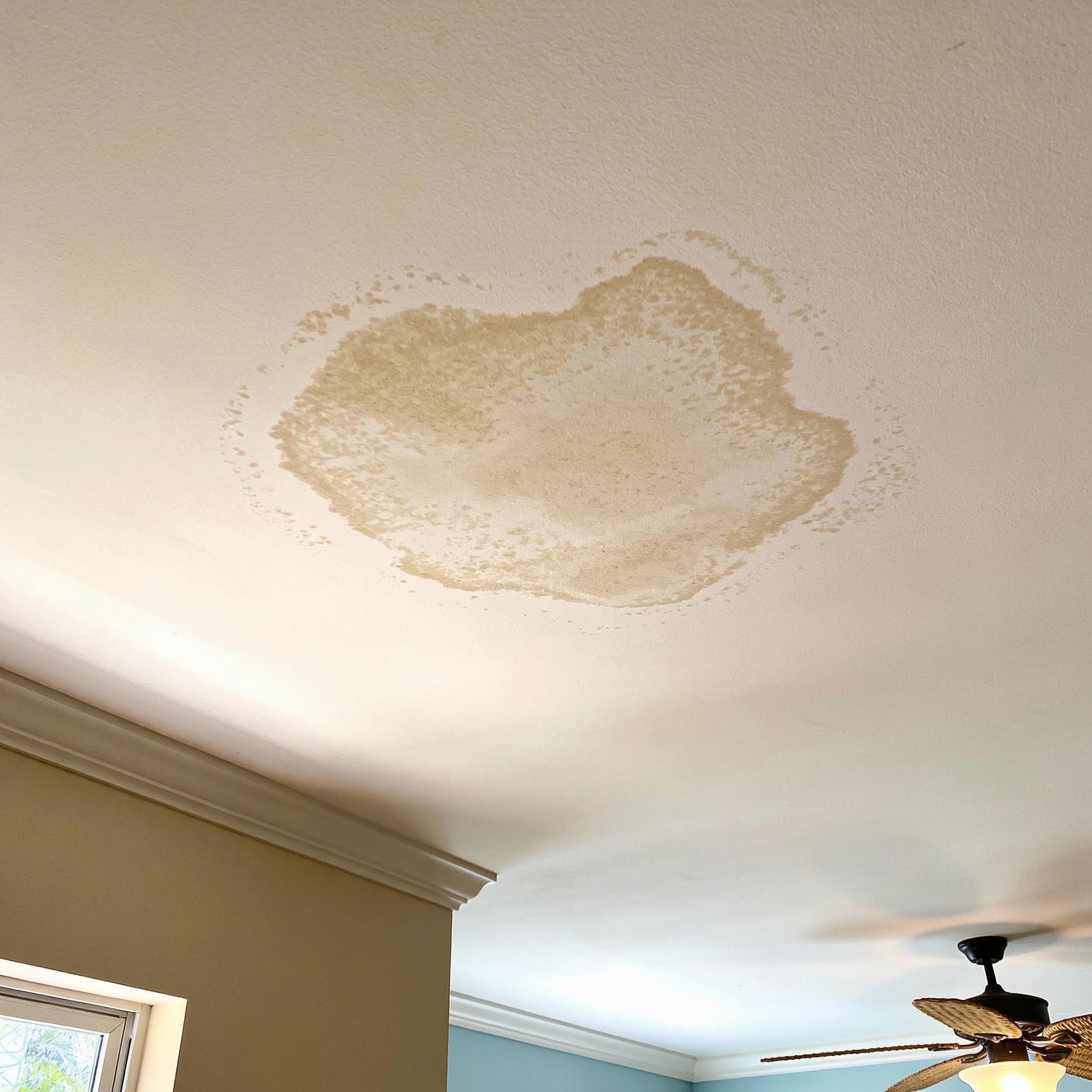
Key Takeaways
- Identify the source of the water leak immediately to prevent further structural degradation.
- Document all water damage on ceilings with photos for potential insurance claims in Florida.
- Ensure the area is dry before attempting any cosmetic ceiling repair.
- Use a stain-blocking primer to prevent the stain from bleeding through new paint.
- Consult with a professional if you suspect water damage or structural instability in your ceiling.
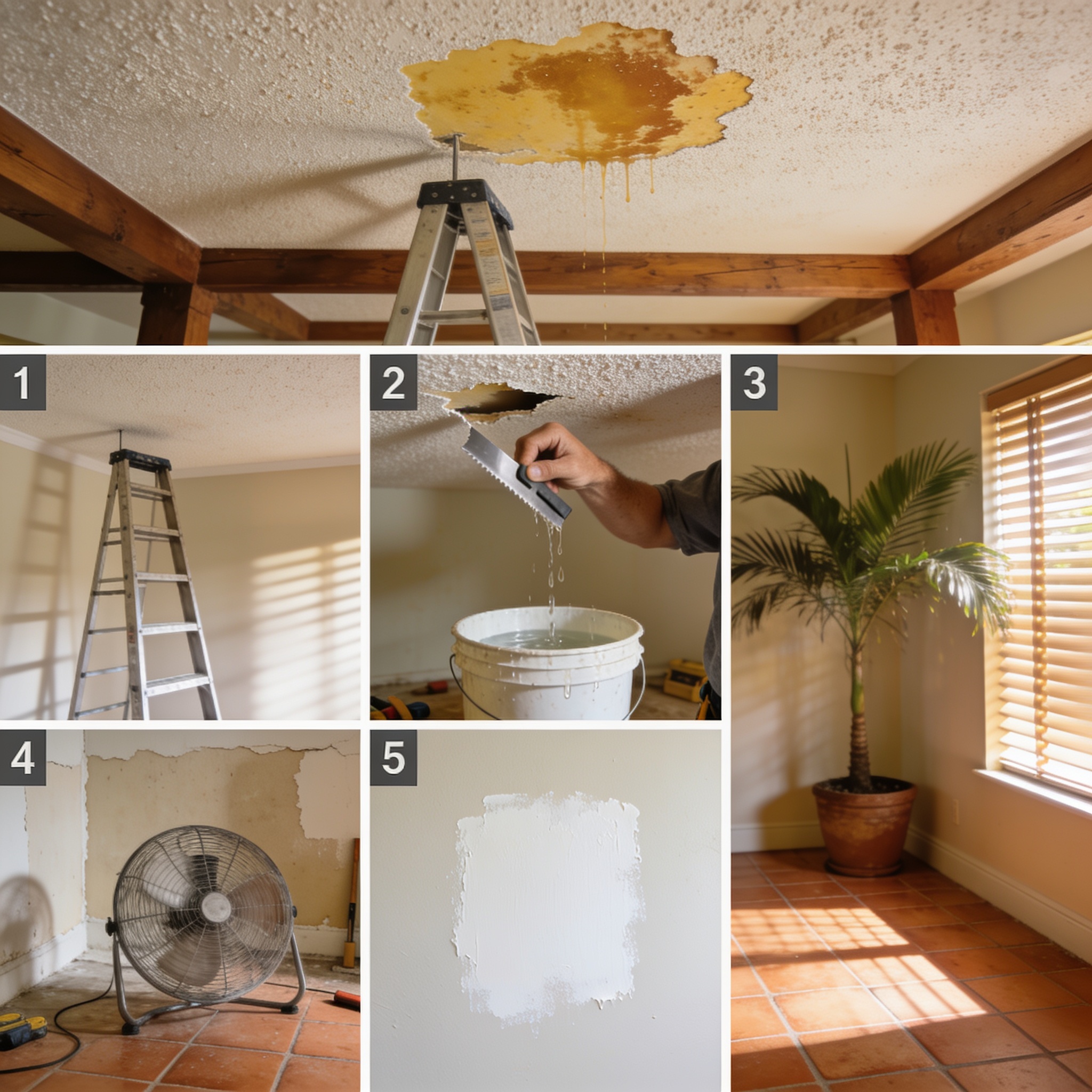
5 Steps to Address a Ceiling Water Stain
Following a structured plan ensures you address the underlying issue rather than just the cosmetic symptom. If you notice a water leak or a wet spot, follow these steps:
- Step 1: Locate and stop the leak by shutting off the water supply or covering the damage to your roof.
- Step 2: Document the stained area with clear photographs to support your insurance claim process.
- Step 3: Dry the affected area thoroughly using fans and improve ventilation in your home to prevent mold growth.
- Step 4: Clean the surface with a mild detergent or bleach solution once the moisture is gone.
- Step 5: Apply a high-quality stain-blocking primer followed by a fresh coat of ceiling paint.
Causes of Ceiling Water Stains
The primary cause of water stains in Southwest Florida involves roof failures, plumbing issues, or HVAC condensation. High humidity and intense tropical storms often exacerbate existing vulnerabilities, especially in older homes. Understanding stains and how to fix them is vital, as moisture can cause a water stain if left unaddressed.
Roof and Exterior Factors
A common cause of water stains is a damaged roof shingle or compromised flashing. During hurricane season, wind-driven rain can penetrate even small gaps in your roof construction. If you notice persistent issues, you might need Water Damage Restoration to assess the integrity of your roof, as gaps often lead to roof leaks.
Internal Plumbing and HVAC
A plumbing pipe from a bathroom or kitchen directly above the room is another frequent culprit. Additionally, a clogged HVAC drip pan or drain line often leads to condensation buildup that drips onto the ceiling. In many cases, you may require professional Water Damage Restoration mitigation if the water seeps into the insulation and begins to cause water stains.
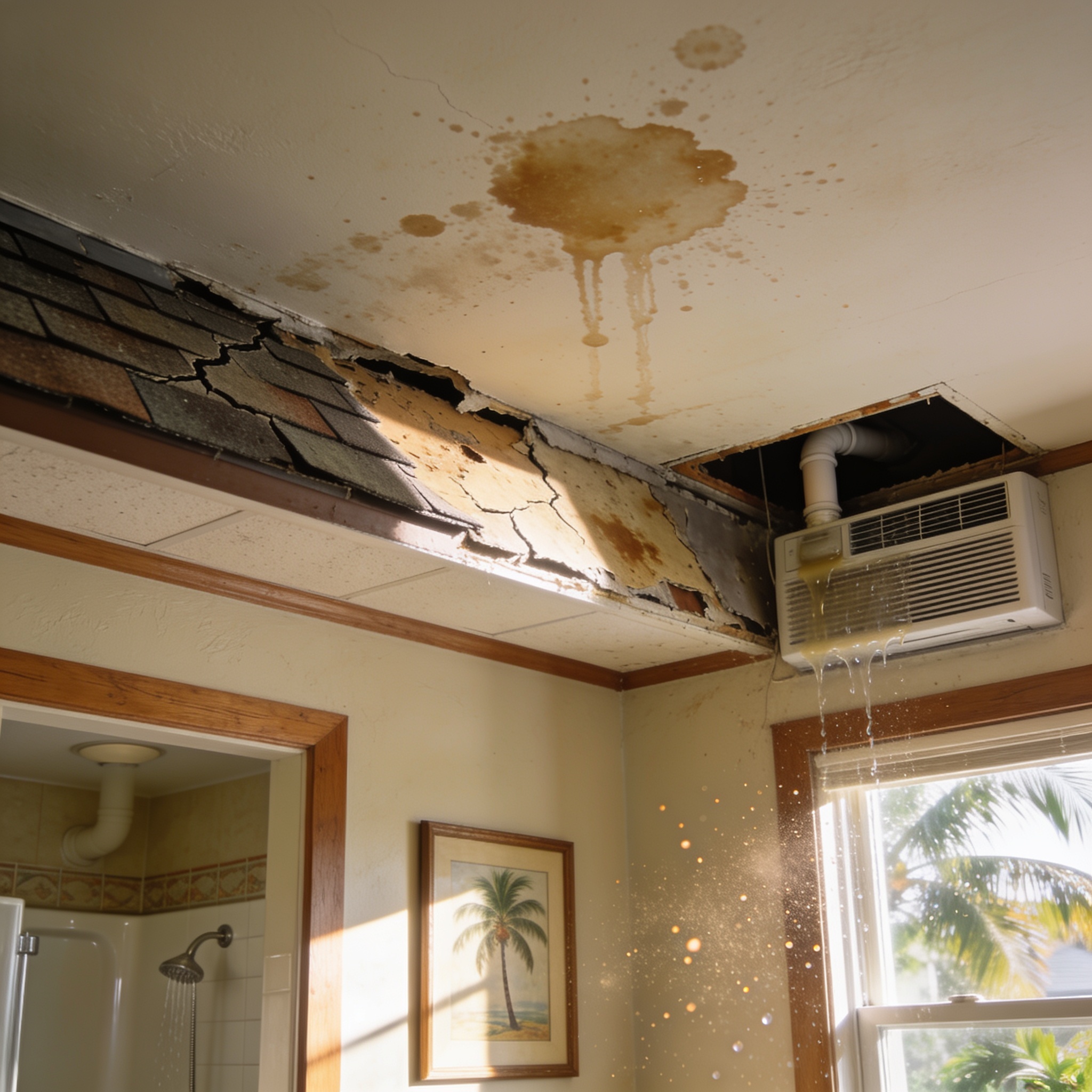
How Do You Identify the Source of a Water Stain on a Ceiling?
To identify the source of the water leak, examine the area directly above the stain for signs of moisture, such as damp insulation or rusted pipes. You must determine if there is a leak somewhere in a pressurized water supply line or an overflow from a drain pipe.
- Check the attic for signs of daylight coming through the roof deck.
- Inspect the HVAC duct system for signs of condensation or poor insulation.
- Test plumbing fixtures like toilets and showers to see if the stain grows after use.
Is a Water Stain on a Ceiling Serious?
A water stain on the ceiling often indicates an active leak that can lead to structural rot and dangerous mold growth if left untreated. Ignoring a small spot can turn a minor repair into a major renovation project. In Southwest Florida, the high ambient humidity accelerates the rate at which water damage develops within drywall and ceiling materials.
How Do You Remove New or Old Water Stains from a Ceiling?
Removing a ceiling stain requires ensuring the surface is completely dry before applying any cleaning agents. If the stain is caused by hard water, a mixture of water and mild detergent often works well on ceiling tiles. For more stubborn spots, a light application of a bleach-water solution can help, but always ensure proper ventilation.
How to Fix a Water Stained Wood Ceiling?
Fixing a water stained wood ceiling involves sanding the affected area to remove the discoloration and then refinishing the wood to match the surrounding surface. Wood is porous, so it tends to absorb moisture deeply, which may require a specialized wood-bleaching agent. If the wood shows signs of structural sag, you must call in a professional to evaluate the safety of the ceiling joists.
Can You Paint Over a Water Stain on a Ceiling?
You should never paint directly over a water stain on a ceiling without first applying a high-quality, oil-based stain-blocking primer. Standard latex paint will not cover the mineral deposits left behind by the water, and the stain will eventually bleed through the new layer. Proper preparation is essential to stop the leak and ensure a lasting finish in the humid Florida climate.
When Should You Call a Professional for Ceiling Water Stains?
You should call a professional if the stain is large, if you suspect mold growth, or if you cannot identify the source of the water leak. Expert technicians can provide comprehensive Water Damage Restoration services to ensure your home remains safe and dry. Attempting to fix major structural damage yourself can lead to further issues and potential injury.
How Much Does It Cost to Fix Water Stains on a Ceiling?
The cost to fix water stains on a ceiling generally ranges from $200 to $1,000 depending on the size and complexity of the repair. This estimate includes locating the leak, repairing the drywall or ceiling materials, and repainting the area. The following table provides a rough breakdown of potential costs for common scenarios.
| Service Type | Estimated Cost Range |
|---|---|
| Small cosmetic patch and paint | $150 – $350 |
| Plumbing leak repair (minor) | $250 – $600 |
| Roof leak repair (shingle/flashing) | $400 – $1,200 |
| Major drywall replacement | $800 – $2,500+ |
| Apply caulk to seal gaps | $50 – $150 |
Does Insurance Cover Water Stains in a Ceiling?
Insurance coverage for a ceiling water stain depends entirely on whether the leak was caused by a sudden, accidental event or a long-term maintenance issue. Most standard homeowners’ insurance policies in Florida cover sudden pipe bursts or storm-related roof damage. However, damage resulting from neglected maintenance, such as a slow, long-term leak, is typically excluded from coverage. Always review your policy details and consult with your agent before filing a claim.
How Can You Prevent Water Stains on Ceilings?
Preventing water stains requires regular maintenance, including biannual roof inspections and keeping your HVAC system in optimal condition. Ensure your gutters are free of debris to prevent water from backing up under your shingles. Proper ventilation in your attic also helps reduce condensation, which is a frequent cause of ceiling water stains in our region.
Frequently asked questions
These answers address the most common concerns homeowners have regarding ceiling maintenance and water damage.
How long does it take for a ceiling to dry out?
A ceiling typically takes 24 to 48 hours to dry completely with proper ventilation and dehumidification. If the area remains damp after this period, you may have an ongoing leak.
Can a water stain on the ceiling cause health issues?
Yes, if the moisture leads to mold growth, it can trigger respiratory issues for sensitive individuals. It is vital to dry the area quickly to inhibit mold development.
What if the water stain keeps coming back?
If a stain returns after you have painted it, the underlying leak has not been successfully stopped. You must identify the source of the water leak to prevent the problem from recurring.
Are ceiling tiles different from drywall when repairing stains?
Yes, ceiling tiles often need to be replaced rather than painted, as they can lose their structural integrity when saturated. Drywall can usually be patched if the damage is limited to the surface.
Does a high water bill indicate a ceiling leak?
A sudden spike in your water bill is a strong indicator of a pressurized plumbing leak. If you see a water stain on your ceiling and high usage, shut off the main water supply immediately.
Our editorial team verifies licensing and reviews for every restoration company in the directory and writes practical, Florida-specific guides to help homeowners act fast and protect their insurance claims after water, fire, mold or storm damage.