What Does Sewage Backup Look Like? Identifying Signs of Trouble
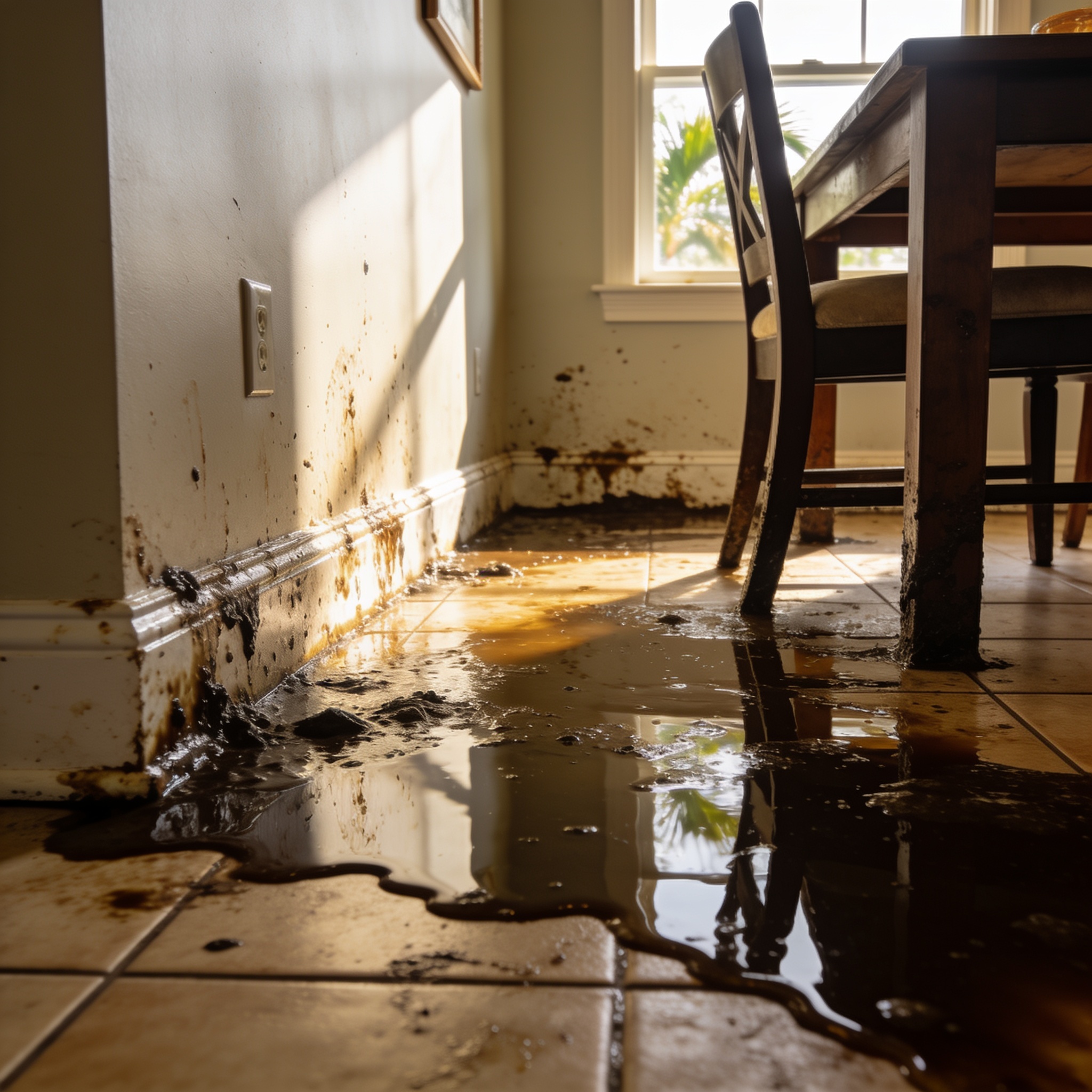
A sewage backup typically manifests as dark, foul-smelling wastewater emerging from your lowest household drain, often costing between $3,000 and $7,000 to remediate depending on the severity of the contamination. Identifying what does sewage backup look like early is critical for SWFL residents, as high water tables and aging sewage systems in counties like Lee and Collier increase the risk of property damage. If you notice standing water in your basement or a gurgling toilet, you must act immediately to mitigate the impact of water and sewage. A functioning sump pump is essential for managing excess moisture, but it cannot handle a backup from the sanitary sewer system.
Key Takeaways
- Sewage backup often appears as dark, odorous liquid pooling around floor drains or toilets.
- Common causes include tree root intrusion, grease buildup, and heavy rainfall overwhelming the public sewer.
- Immediate containment is necessary to prevent severe water damage and biological contamination.
- Professional restoration is required to ensure the area is properly sanitized and dried.
- Installing a backwater valve can significantly reduce the risk of future sewage intrusion.
- Recognizing signs of a sewer backup early is the responsibility of the property owner to avoid costly repairs.
What Does a Backed Up Sewer Look Like? Visual Signs to Identify the Problem
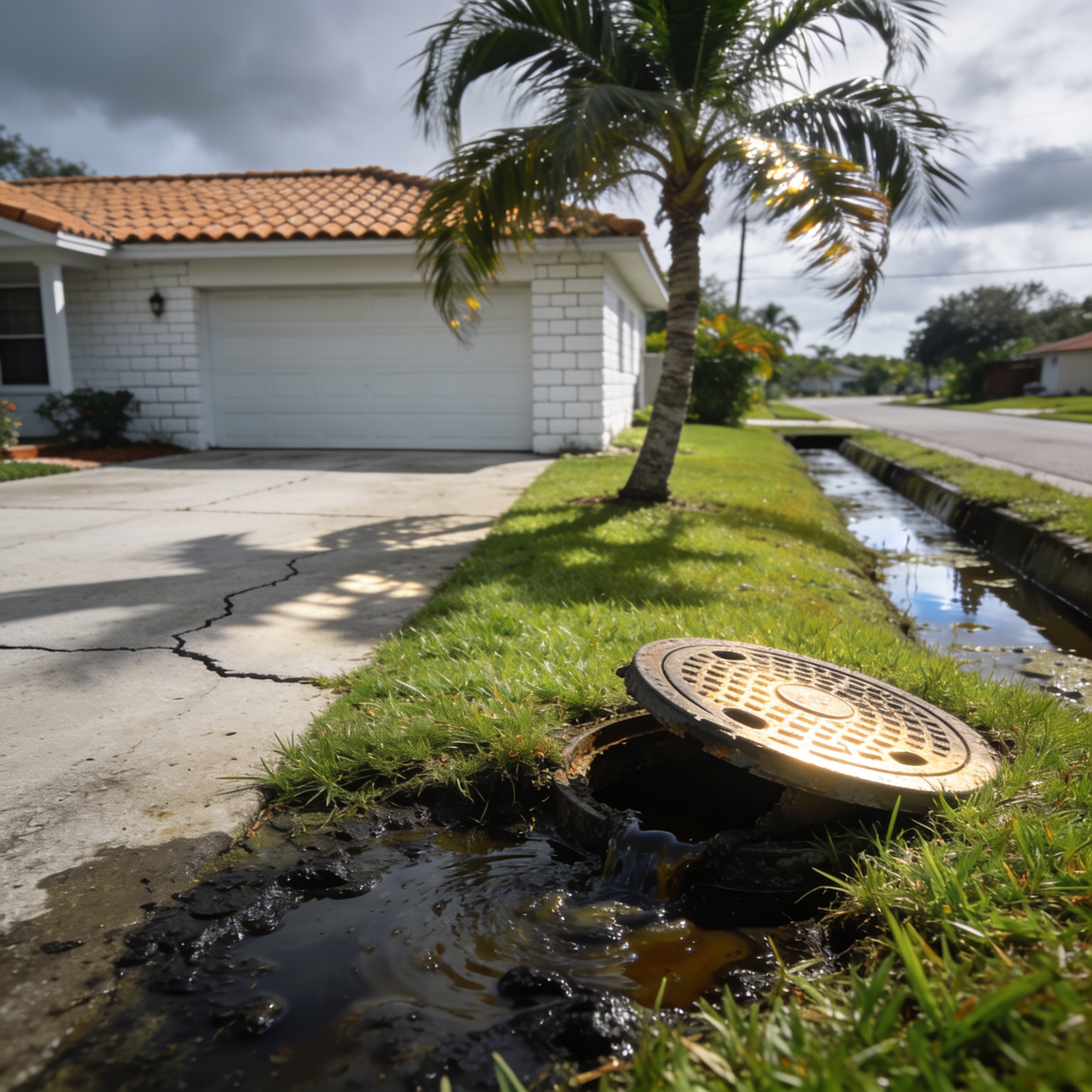
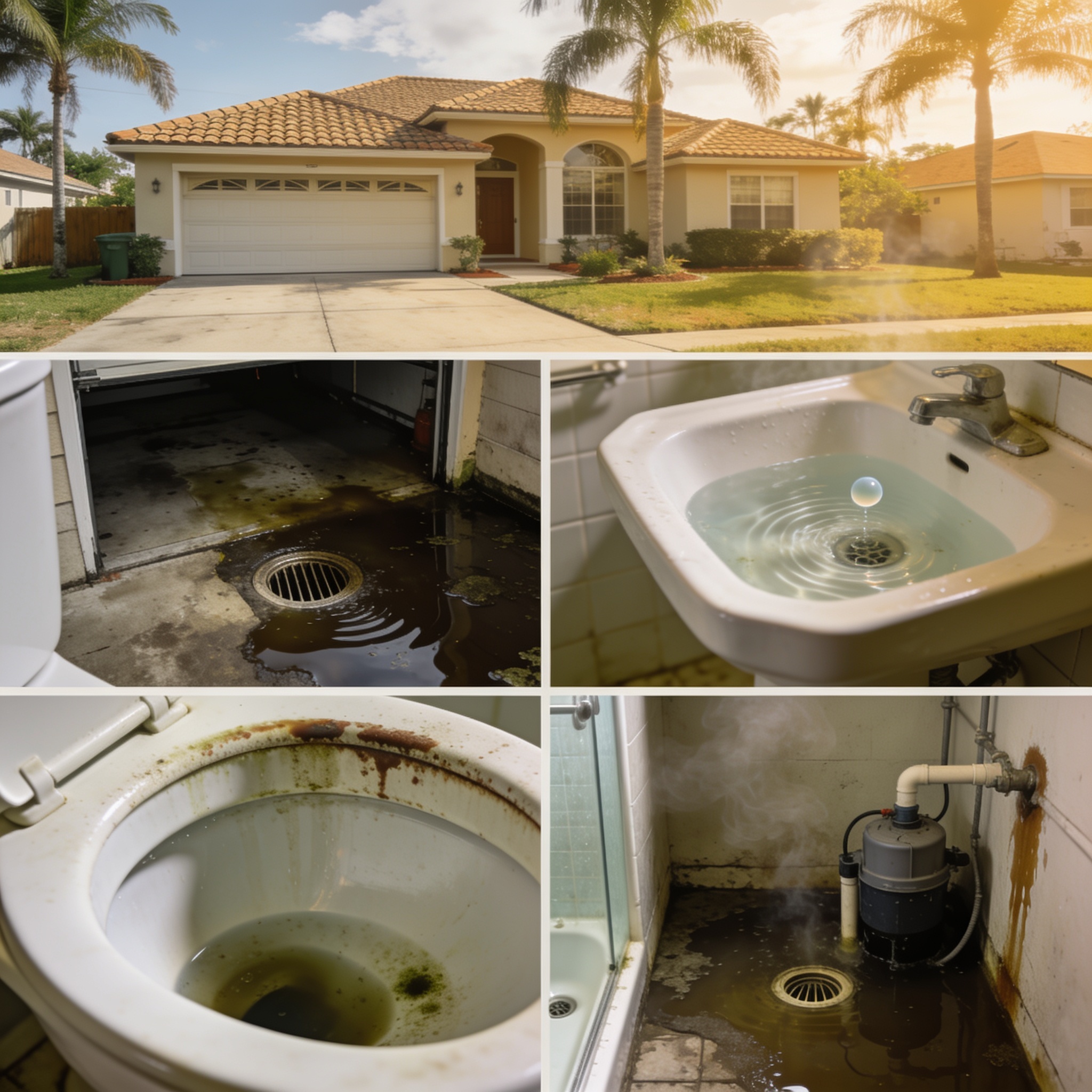
A sewer backup is visually characterized by murky, dark liquid rising from a floor drain or toilet fixture. This sewage water often contains visible debris and carries a pungent, unmistakable odor of rotten eggs or methane. In many SWFL homes, especially those with slab foundations, you might notice water seeping up through cracks or pooling around the base of a downstairs shower or toilet. If you suspect an issue, you may need professional Water Damage Restoration services to assess the structural integrity of your flooring. Identifying sewage backup in your basement quickly is vital to prevent long-term mold growth.
How Do You Tell If You Have a Sewage Backup? 5 Warning Signs to Watch For
Recognizing these five specific indicators can help you identify a sewage backup before it causes catastrophic damage to your home.
- Gurgling Sounds: If your toilet or drain makes a persistent bubbling noise when other appliances run, it indicates trapped air caused by a blockage in the sewer line.
- Slow Drainage: Multiple fixtures draining slowly at the same time suggest a main sewer line clog rather than a simple localized issue.
- Foul Odors: A strong, persistent sewer gas smell emanating from your drains is a primary indicator that the sewer system is compromised.
- Water Pooling: The appearance of standing water near a floor drain or in a low-lying area of the home confirms a backup is occurring.
- Toilet Backflow: When flushing one toilet causes water or waste to rise in another toilet or shower, you are dealing with a severe sewer system obstruction.
Common Causes of Sewer Backups and How to Prevent Sewer Issues
The most frequent common causes of sewer backups in Southwest Florida involve tree root infiltration, structural pipe failure, and improper disposal of household waste. Tree roots often seek moisture, penetrating the sewer lateral and creating a blockage that prevents wastewater from exiting the property. Additionally, pouring grease down the drain or flushing feminine products down the toilet can clog your sewer and restrict flow. According to the EPA, aging sewage systems in older homes often struggle to handle modern capacity, leading to frequent failures. To prevent tree roots from compromising your pipes, schedule regular professional inspections.
Water in Basement: Understanding the Risks of Sewer Backing
Heavy rain events common in Florida can overwhelm a sanitary sewer main if stormwater enters the pipes through illegal connections or cracks. When the public sewer main reaches capacity during a tropical storm, the excess water and sewer can back up into your home. This is particularly common in low-lying flood zones where the groundwater level is high, often resulting in flooded basements. Integrated flood control systems are vital for managing this runoff, but if they fail, you should look for Water Damage Restoration experts to handle the specific challenges of flood-related contamination and water line breaches.
Sewer Line Maintenance for the Homeowner
Maintaining your sewer service is essential to ensure that waste does not back up into your home. Many homeowners are unaware that the service connection from the house to the municipal line is the responsibility of the property owner. Regular cleaning of the sewer pipe can prevent debris buildup. If you notice water in basement areas or persistent dampness near a drain, it could be a sign of a failing sewer lateral.
Sewer Lateral and Fixture Care
Every toilet and drain fixture in your house relies on a clear path to the main sewage line. If you notice a sewage line backup, avoid using any water. A blocked sewer lateral can cause water and sewer to push back through your lowest fixture. Keep your basement dry by ensuring your sump is clear and your backwater valve is functional.
What Should I Do Immediately If I Experience a Sewage Backup?
The first step in dealing with a sewage backup is to shut off the main water supply to stop additional wastewater from entering your home. Because sewage is considered a hazardous material due to pathogens, avoid contact with the standing water. Avoid using any water, including toilets and sinks, as this will only push more waste into the flooded area. Notify your insurance company immediately to document the incident and begin the claims process. If you need help finding a qualified expert, searching for Water Damage Restoration can connect you with local professionals who understand Florida’s specific plumbing code and remediation requirements.
How Do I Unclog a Sewage Backup? DIY Steps vs. Calling a Professional
DIY methods for a sewage backup are limited to minor, localized drain issues and should never involve attempting to clear a main sewer line blockage yourself. You can use a plunger for a single toilet clog, but if the issue involves multiple drains, you must call a licensed plumber. Attempting to force a snake through a main sewer line can result in pipe damage or personal injury. Professional contractors use specialized cameras to inspect the sewer lateral and high-pressure jetting to clear debris effectively.
When Should I Call a Professional for a Sewage Backup?
You must call a professional immediately if you observe sewage backing up from multiple drains or if the backup is caused by an issue in the city sewer main. Professionals have the industrial-grade equipment required to extract sewage, disinfect surfaces, and use a dehumidifier to properly dry the structure. Attempting to handle a large-scale backup without professional help often leads to incomplete sanitization, which can result in long-term mold growth and structural decay. Always ensure the company you hire is licensed and follows IICRC standards for water damage restoration.
How Can I Prevent a Sewage Backup From Happening Again?
Preventing a sewer backup requires routine maintenance and the installation of protective devices like a backwater valve. A backwater valve is a mechanical device that allows water to exit your home while preventing it from flowing back in during a system overload. Additionally, you should properly dispose of grease and never flush paper towels or feminine products down the toilet. You must also learn how to properly dispose of paper products that are not flushable to avoid future clogs. Regular professional inspections of your sewer line can help identify tree roots or pipe degradation before a major failure occurs.
Frequently asked questions
Understanding these common concerns can help you navigate the complexities of managing a sewer backup in your home.
Does home insurance cover a sewage backup?
Most standard homeowners insurance policies do not cover sewage backups unless you have added a specific endorsement or rider to your policy.
How long does it take to clean up a sewage backup?
Depending on the extent of the damage, professional cleanup and restoration typically take between three to seven days to complete.
Can I use bleach to clean up sewage?
While bleach can disinfect surfaces, it is often ineffective against porous materials and cannot replace the professional extraction and drying process.
What is a backwater valve?
A backwater valve is a plumbing device installed on your main sewer line that prevents wastewater from flowing back into your home during a surge.
Who is responsible for a sewer backup?
If the blockage is in the sewer lateral on your property, it is the responsibility of the homeowner; if it is in the city main, the municipality is typically responsible.
| Action | Who Handles It |
|---|---|
| Main Sewer Line Blockage | Licensed Plumber |
| Sewage Extraction | Restoration Professional |
| Sanitizing Affected Areas | Restoration Professional |
| Insurance Claim Filing | Homeowner |
| Basement Flooding Mitigation | Water Damage Specialist |
Our editorial team verifies licensing and reviews for every restoration company in the directory and writes practical, Florida-specific guides to help homeowners act fast and protect their insurance claims after water, fire, mold or storm damage.