Water Pipe Insulation to Prevent Freezing: A Complete Homeowner’s Guide
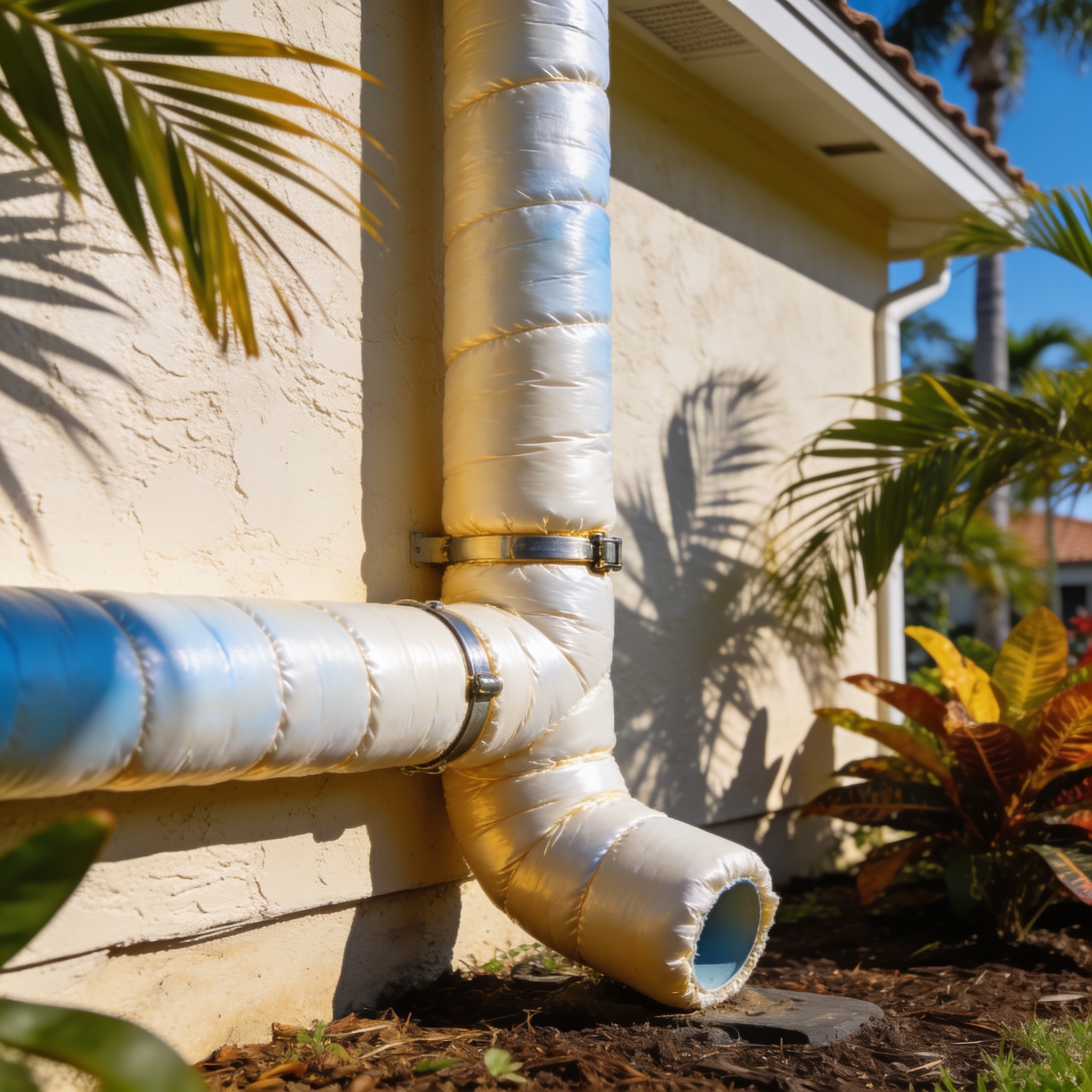
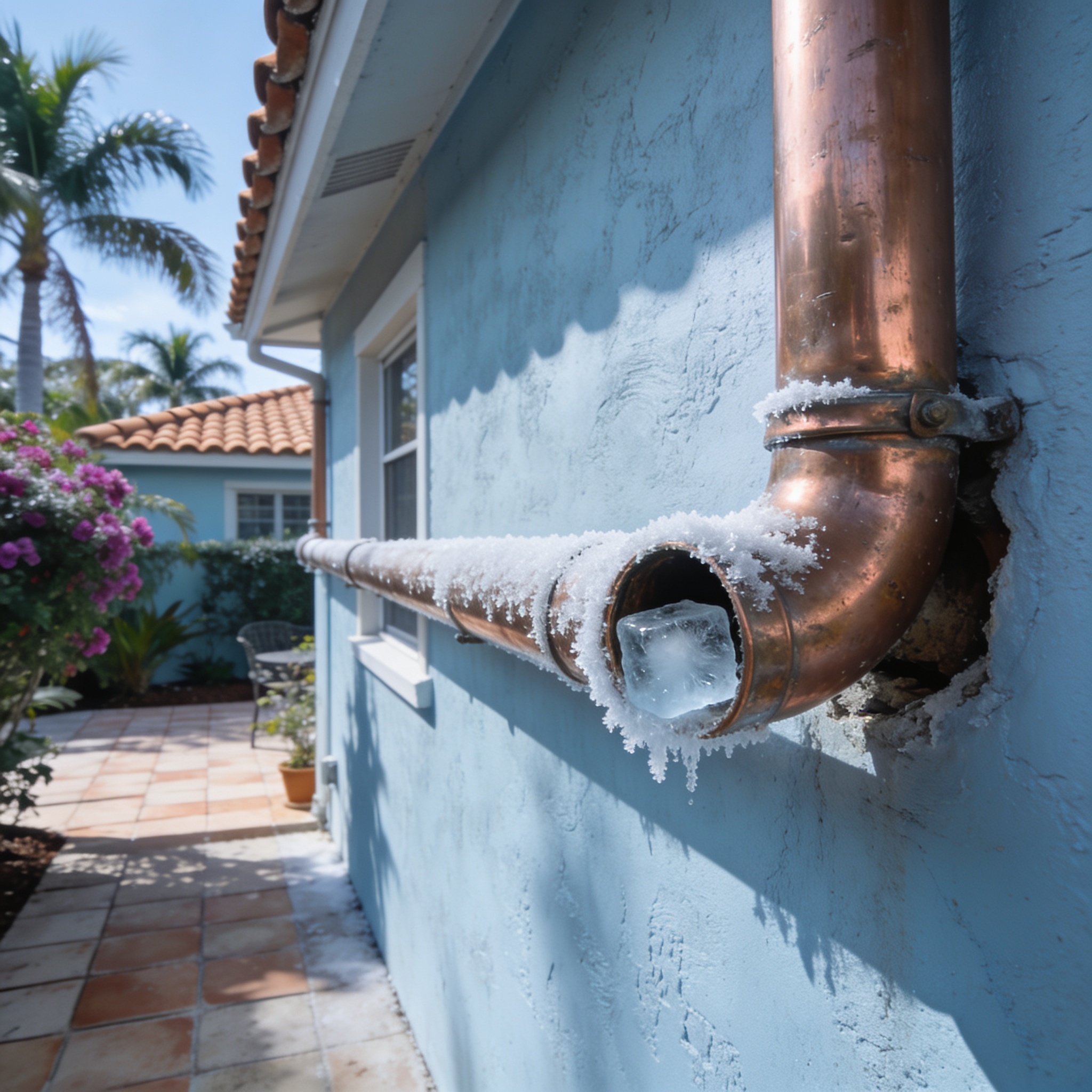
Proper water pipe insulation to prevent freezing typically costs between $1 and $5 per linear foot, serving as a critical defense against costly plumbing failures during rare but severe cold snaps in Southwest Florida. While our region is known for tropical warmth, sudden temperature drops can cause exposed pipes to burst, leading to catastrophic property loss that often requires professional Water Damage Restoration mitigation. By securing your plumbing now, you avoid the high costs associated with emergency repairs and insurance deductibles. When water turns to ice, it will expand, creating immense pressure that leads to freeze damage if the pipe cannot accommodate the expansion. Proper installation also helps manage moisture, preventing the buildup of condensation that can lead to mold.
Key Takeaways
- Insulation acts as a thermal barrier, slowing down the rate at which water lose heat to the surrounding air.
- Even in SWFL, uninsulated external pipes are vulnerable when temperatures stay below freezing for extended periods.
- Foam sleeves and heat tape are the most effective DIY solutions for residential applications.
- Proper installation requires sealing all seams to prevent moisture buildup and potential mold growth.
- Regular maintenance of your plumbing system ensures your home remains resilient during unpredictable weather events.
Why Is Water Pipe Insulation Important for Preventing Frozen Pipes
?
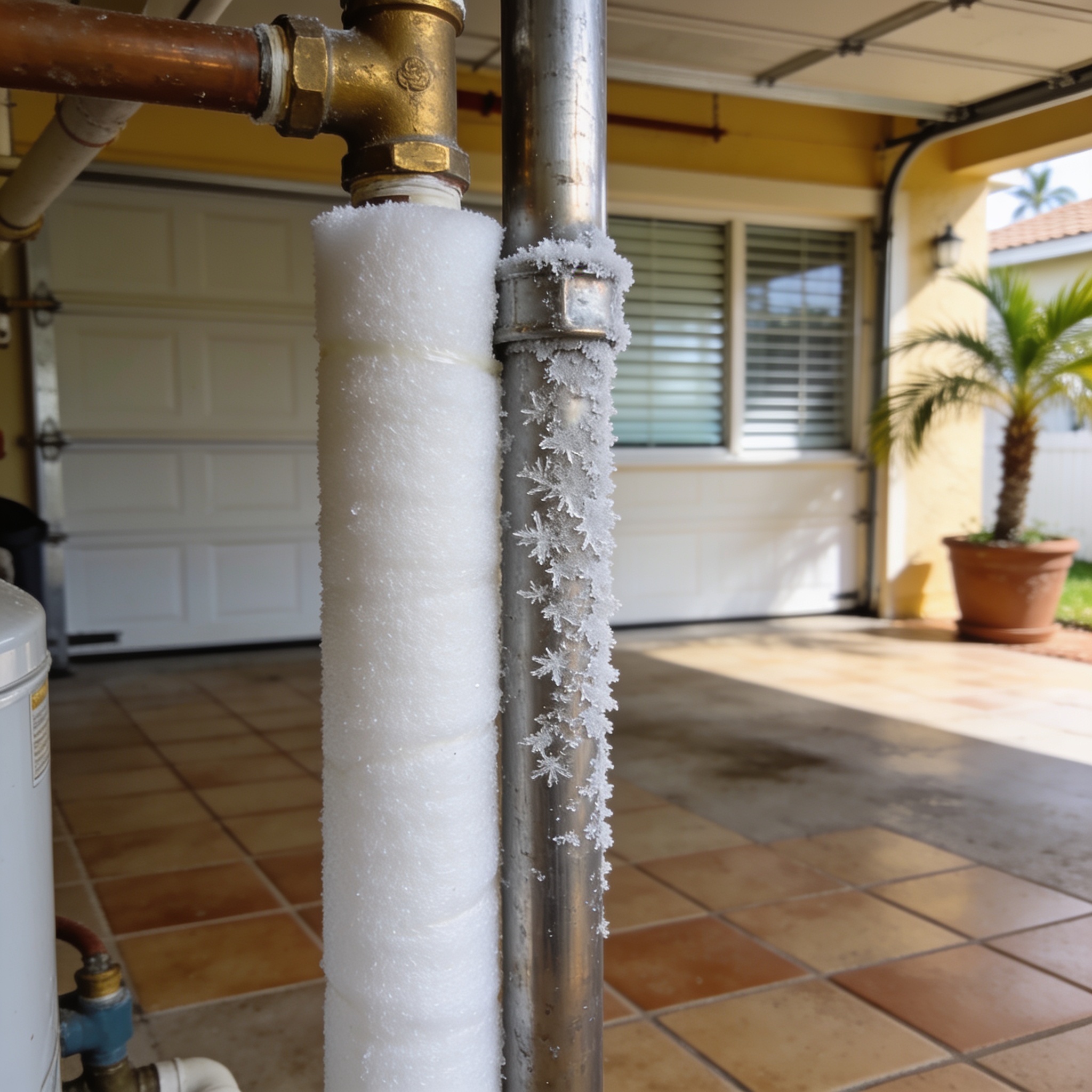
Insulation is essential because it maintains the water temperature inside the pipe, preventing the fluid from reaching the critical freezing point during cold weather. Without a thermal barrier, the water inside your plumbing system loses heat rapidly when exposed to freezing air temperatures. In counties like Lee and Collier, many homes have outdoor water pipes or a pipeline in unheated garages that are not built for extreme cold. Protecting these lines is a fundamental part of home preparedness, especially for pipes located in unheated areas like basement zones or crawl spaces. Utilizing high-quality line insulation is the most reliable method for providing long-term protection for pipelines.
At What Temperature Do Pipes Typically Freeze?
Pipes typically begin to freeze when the ambient temperature drops to 32°F (0°C) or lower for several consecutive hours. While Southwest Florida rarely experiences sustained sub-freezing weather, even a short cold snap can cause significant damage to exposed water supply lines. The risk increases significantly if the wind chill factor lowers the effective temperature around the pipe. Always monitor local weather reports for freezing outside conditions during winter months. Even if the air is 32°F, a pipe might still freeze if it is not properly protected.
Will Thermal
Wrap
Effectively Stop Exterior
Pipes From Freezing in Winter?
Insulation effectively slows heat transfer, but it cannot stop a pipe from freezing if the temperature remains below freezing for an extended duration. Insulation buys you time by delaying the freezing process, but it does not generate heat on its own. For long-term protection, you should combine insulation with other methods like dripping faucets. If you experience a burst pipe, seek professional Water Damage Restoration immediately to prevent structural rot. Ensure you use line insulation to provide protection for pipelines against the cold.
What Are the Different Types of Insulation Available for a Water Line
?
Common materials include foam sleeves, fiberglass wraps, and rubberized insulation tape. Choosing the right material depends on whether the pipe is located indoors or outdoors and the specific diameter of the water line. Foam is excellent for indoor use, while fiberglass or specialized weatherproof covers are better for exterior applications. Always ensure the material is rated for the specific climate conditions of your region, such as using copper-compatible wraps.
What Is the Best Insulation to Protect
Pipes From Freezing (Indoors and Outdoors)?
Closed-cell foam insulation is widely considered the best choice for most residential pipes due to its high R-value and moisture resistance. For outdoor hose bibs and exposed exterior pipes, a combination of foam pipe insulation and a hard-shell cover provides the highest level of protection. These materials are durable, easy to install, and resistant to the humidity levels common in Charlotte County. If you need assistance with pipe damage, contact experts for Water Damage Restoration to assess your property. You may also use a portable heater in specific zones to maintain higher temperatures near vulnerable plumbing.
What Materials and Covers Can Be Used to Prevent Pipeline
Freezing in Winter?
You can utilize a variety of materials to secure your plumbing system against the cold. If you must bend a pipe, ensure the insulation remains intact. Proper line insulation is essential for protection for pipelines.
| Material | Best Use Case |
|---|---|
| Foam Sleeves | Indoor pipes and unheated garages |
| Heat Tape | Areas prone to extreme cold |
| Fiberglass Wrap | Large diameter pipes |
| Hard-shell Covers | Outdoor hose bibs |
| Antifreeze | Winterizing specific systems |
| Portable Heaters | Maintaining higher temperatures in utility rooms |
How Do You Install Insulation on a Wall
to Prevent Pipe Freezes
?
Installation is a straightforward process that involves measuring the pipe length and securing the insulation material tightly around the exterior. You must ensure that there are no gaps in the insulation, as even a small opening can allow cold air to reach the pipe. Use high-quality adhesive tape to seal all seams and joints. Proper sealing is vital to prevent moisture from becoming trapped, which can lead to pipe corrosion over time. Always remember to drain the system if you will be away for an extended period.
Are There Other Methods Besides Insulation to Prevent Exterior Walls
Pipes From Freezing?
Beyond insulation, homeowners should consider letting faucets drip during extreme cold to keep water moving through the system. Moving water is much harder to freeze than stagnant water, making this a simple yet effective strategy for preventing pipe bursts. Additionally, opening cabinet doors under sinks allows warmer indoor air to circulate around pipes located near exterior walls. These simple steps significantly reduce the risk of costly plumbing emergencies. Ensure every valve is accessible for quick shut-off if needed.
What Are the Key Benefits of Insulating Your Hot Water
Pipes?
Insulating your pipes provides year-round benefits, including energy savings and improved water temperature consistency. By reducing heat loss in hot water pipes, you lower the energy demand on your water heater, which directly impacts your monthly utility bills. Furthermore, insulation prevents condensation on cold water pipes during our humid Florida summers, protecting your home from moisture damage. Investing in this simple upgrade enhances the overall longevity and reliability of your home’s plumbing infrastructure.
Frequently asked questions
Below are common inquiries regarding the maintenance and protection of your home’s water supply lines.
Does insulation work on PEX pipe?
Yes, insulation is highly recommended for PEX pipe to prevent freezing and reduce heat loss.
Can I use duct tape to secure insulation?
While possible, it is better to use specialized insulation tape for better adhesion and durability against moisture.
Should I insulate both hot and cold water pipes?
Yes, insulating both types of pipes helps maintain water temperature and prevents condensation issues.
How often should I check my pipe insulation?
Inspect your insulation annually, preferably before the winter season, to ensure there are no gaps or signs of breakdown.
Does insulation prevent pipes from bursting completely?
Insulation significantly reduces the risk, but extreme, prolonged freezes may still cause damage if other precautions are not taken.
Our editorial team verifies licensing and reviews for every restoration company in the directory and writes practical, Florida-specific guides to help homeowners act fast and protect their insurance claims after water, fire, mold or storm damage.