Signs of Wind Damage to Roof: How to Spot Hidden Storm Issues
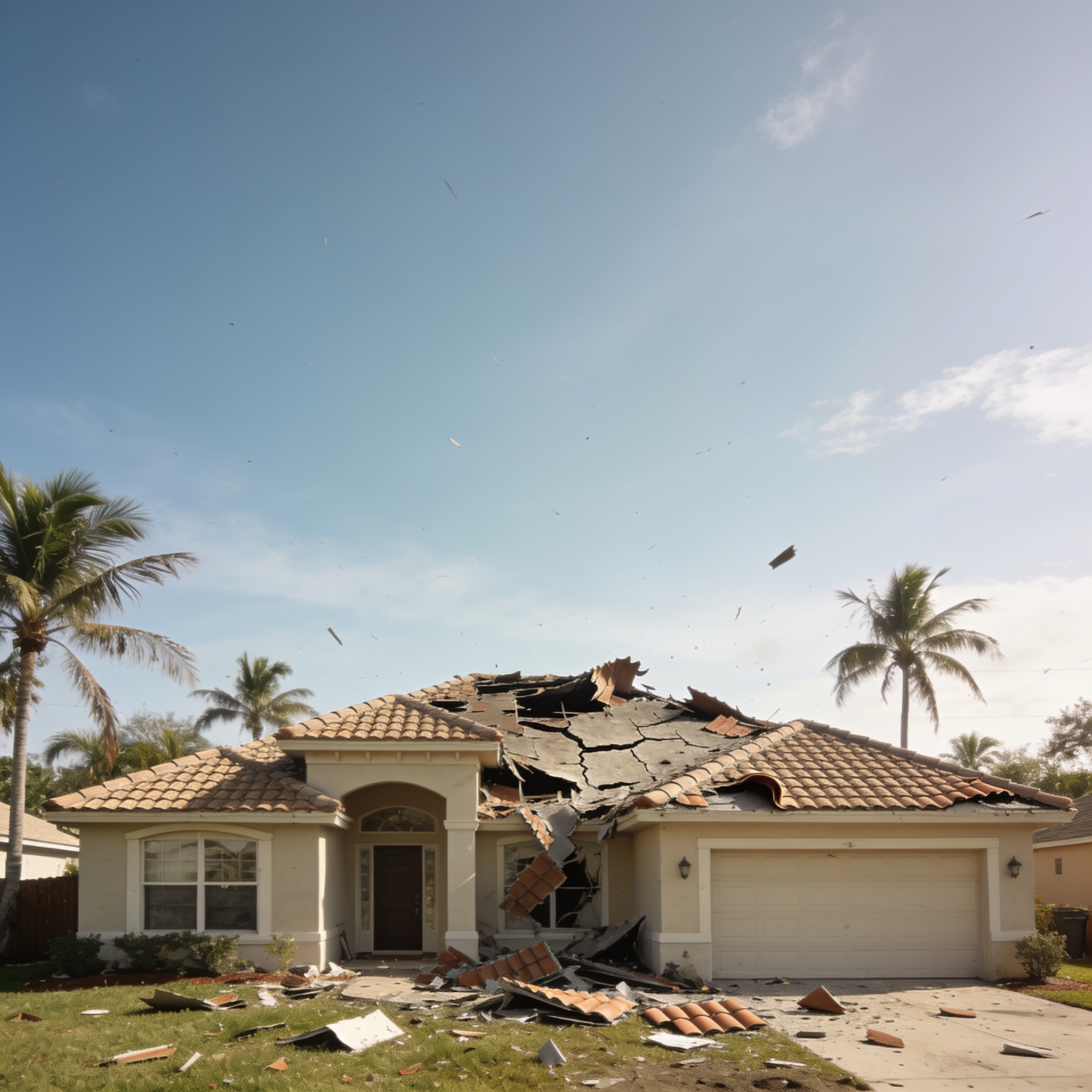
The most reliable way to identify signs of wind damage to roof systems in Southwest Florida is to look for missing shingles or granule loss, which typically costs between $500 and $3,000 for minor repairs depending on the extent of the damage. Identifying these issues early is critical because even minor roof wind damage can allow water to penetrate your home’s interior during our frequent tropical storms. If you suspect your home has been compromised, professional assessments are necessary to prevent further water damage. To spot wind damage early, you should look for after a storm, as even minor wind damage can lead to leaks if left unaddressed. Wind doesn’t always remove shingles entirely; sometimes it just lifts them, which can damage shingles over time. When wind damage occurs, it often compromises the integrity of your entire roofing system.
Key Takeaways
- Wind damage to your roof often manifests as missing shingles, lifted edges, or significant granule loss.
- Early detection is the best way to prevent water damage and avoid costly interior repairs.
- Southwest Florida homeowners should perform a roof inspection after every named storm or high-wind event.
- Documenting all signs of storm damage with photos is essential before you file a claim.
- Consulting a licensed roofing contractor is safer and more accurate than attempting a DIY inspection.
- There are 5 signs of storm damage on your roof that every homeowner should monitor.
What Are the Common Signs of Roof Wind Damage?
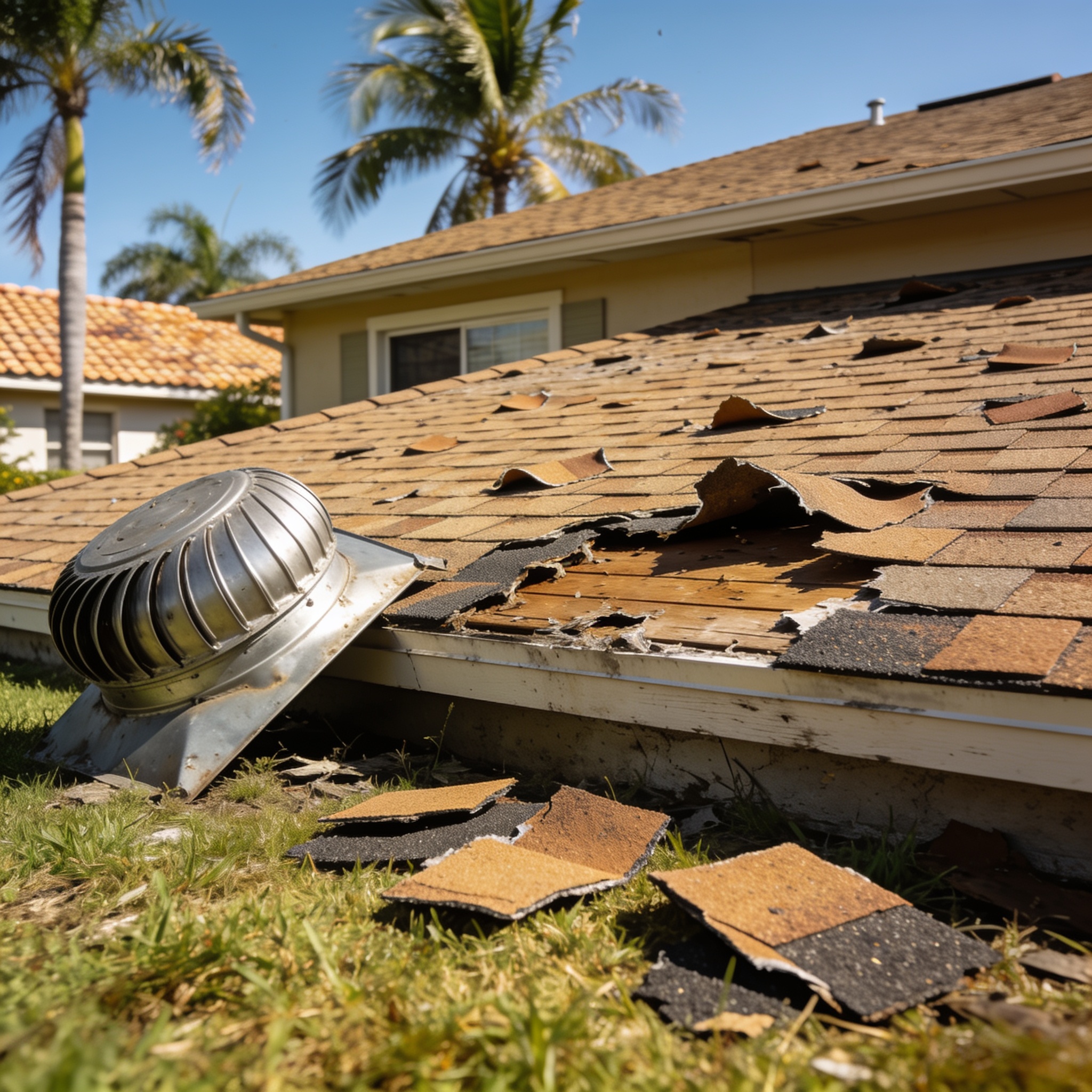
The primary signs of wind damage to roof structures include displaced materials, damaged flashing, and visible debris. You must prioritize a visual survey of your roof edges and valleys immediately following any significant weather event. High winds can silently lift shingles, breaking the adhesive seal that keeps your roof watertight. Once this seal is broken, wind can cause shingles to blow off, leaving the underlying roof deck exposed to the elements. These gaps can lead to leaks, and missing shingles can lead to significant interior issues. Wind damage often leaves telltale signs, such as lifted edges where wind lifts the material, and shingles often look uneven or displaced when viewed from the ground.
The 7-Point Inspection Checklist to Repair and Protect Your Roof
To properly assess your roof for wind-related issues and help protect your roof, follow this 7-point checklist after every storm:
- Missing Shingles: Look for gaps in the shingle pattern where wind has torn material away from the roof deck; remember that wind damage is missing shingles.
- Lifted or Curled Shingles: Check for shingles that are no longer lying flat, as these are vulnerable to the next gust of wind.
- Granule Loss: Inspect your rain gutter and downspout for an accumulation of dark, sand-like granules, which indicates the protective coating has eroded.
- Damaged Flashing: Examine the metal strips around chimneys, vents, and skylights for signs of bending or separation from the roof surface.
- Debris on Your Roof: Identify any tree limbs or heavy objects that may have struck the roof, causing structural impact or punctures; debris on the roof can cause damage to underlying layers.
- Interior Water Stains: Check your attic and ceiling for damp spots or discoloration, which suggest that the roof barrier has been breached.
- Loose Shingles: Gently check for shingles that move or “flap” when touched, indicating that the adhesive bond has failed.
What Does Damage to Your Roof Look Like? (Visible vs. Hidden Damage)
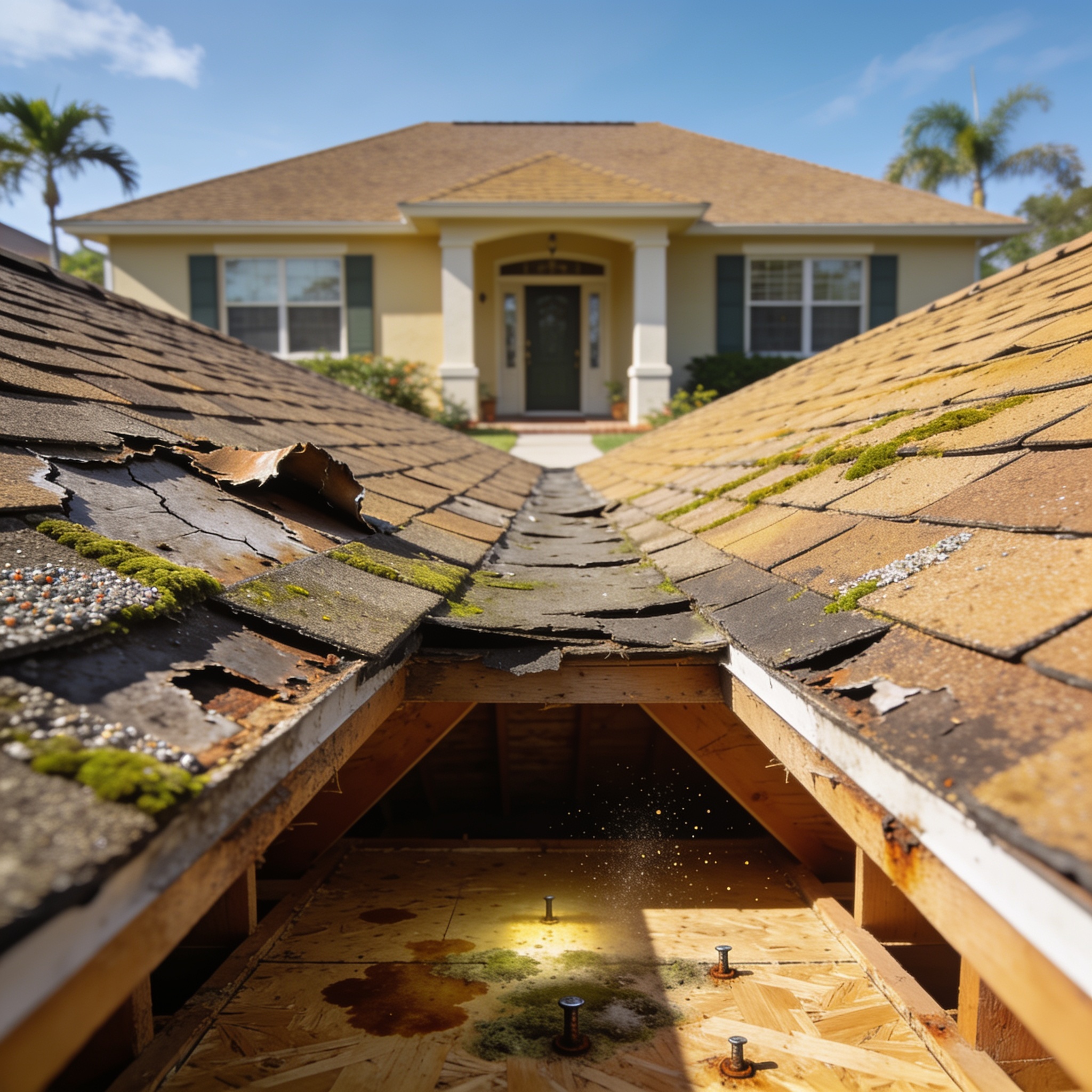
Visible damage is easy to spot from the ground, but hidden damage often requires a professional to identify. Obvious signs like missing shingles are clear indicators that your roof has sustained severe damage. However, hidden damage often involves the failure of the adhesive strip under the shingle, which may look perfectly fine from a distance. If you notice signs of Water Damage Restoration inside your home, the roof may have already failed in a way that is not visible from the exterior. Always look for interior damage, as this is a primary indicator of roof storm damage. If a major storm has recently passed, be aware that damage may not be immediately apparent.
Can Wind Damage to Your Roof Be Invisible or Hard to Spot?
Wind damage is often deceptive because the structural integrity of the shingle can be compromised without the shingle actually blowing off. High winds can lift shingles just enough to break the seal, allowing moisture to seep into the underlayment during subsequent rain. This type of damage is common in Lee and Collier counties, where humidity and heat accelerate the degradation of roofing materials. You might have wind damage that remains undetected until a heavy rainstorm causes a significant leak in your living room. If you suspect your shingles are missing or damaged, it is time to call a roofing professional to inspect the property.
How Fast Do Wind Speeds Need to Be to Damage Your Roof?
Most asphalt shingle roofs are designed to withstand wind speeds between 60 and 130 mph, depending on the specific product warranty and installation quality. According to GAF Materials Corporation, wind damage to your roof can occur when gusts exceed the manufacturer’s rated wind resistance for your specific shingles. In Southwest Florida, even a strong wind storm with localized gusts can exceed these thresholds, especially if the roof is aging or has pre-existing wear. You should always monitor local weather reports to see if wind speeds reached the threshold where damage to your roof becomes likely. If you notice any roof problems after a gusty day, document the damage immediately.
What Types of Debris Can Damage Your Roof?
Straight-line winds associated with severe thunderstorms are the most frequent cause of roof damage in our region. While hurricanes get the most attention, localized wind gusts during summer squalls are just as capable of causing damage to your roof. These winds create pressure differentials that lift shingles, while flying debris can puncture the roof deck. If you live in a coastal area, the combination of wind and salt air can further weaken the adhesive bonds that keep your roof secure. If heavy branches hit your roof, the impact can cause shingles to blow off or crack, leading to future wind vulnerability.
What Should I Do After Spotting Wind Damage to Your Roof?
The first step after spotting damage is to document everything thoroughly for your insurance provider. You should take clear, date-stamped photographs of all visible damage on your roof and any interior water stains you find. Once documented, contact a reputable roofing contractor to perform a professional inspection and provide a repair estimate. If the damage is extensive, you may need to reach out to a specialist for Water Damage Restoration services to prevent mold growth. It is vital to call a roofing company as soon as you notice severe wind damage to prevent further issues.
Should I Inspect My Roof for Wind Damage Myself or Call a Professional?
While you can perform a ground-level inspection using binoculars, you should never climb onto your roof to assess damage yourself. Attempting to inspect your roof without professional training is dangerous and may void your manufacturer’s warranty if you accidentally cause further damage. A professional roofer has the safety equipment and expertise to identify subtle signs of wind damage that a homeowner might miss. They can also help catch loose shingles before they become a larger problem. Always call a roofing professional to ensure the safety of your home.
Will Insurance Cover Wind Damage to Your Roof?
Most standard homeowners insurance policies in Florida cover wind damage, but coverage depends on your specific policy terms and your deductible. You must review your policy carefully to understand how your insurance provider handles wind-related claims versus general wear and tear. If your roof is older, some companies may only pay the actual cash value rather than the full replacement cost. Always consult with your agent before you file a claim to understand the potential impact on your premiums.
How Can I Prevent Damage to Your Roof Materials?
Regular maintenance is the most effective way to prevent wind damage and extend the lifespan of your roof. You should schedule an annual inspection with a licensed roofing contractor to ensure all shingles are secure and flashing is properly sealed. Keeping your roof free of debris and trimming overhanging tree limbs can also significantly reduce the risk of structural failure during a storm. Investing in high-quality roof materials and professional installation provides the best defense against the volatile weather we experience in Southwest Florida.
Frequently asked questions
Homeowners often have specific concerns regarding the longevity and maintenance of their roofing systems after major weather events.
How do I know if my roof has wind damage?
Look for missing or curled shingles, loose granules in your gutters, and any signs of water intrusion in your attic or ceiling.
Does a missing shingle mean I need a full roof replacement?
Not necessarily, as a professional roofer can often perform a targeted repair if the rest of the roof deck remains in good condition.
How long do I have to file an insurance claim after a storm?
Florida law generally allows a specific window to file, but you should act as quickly as possible to prevent further water damage from occurring.
Can I use a tarp to temporarily stop a leak?
Yes, a tarp can prevent further water damage while you wait for a professional to arrive, but it is a temporary fix and not a permanent repair.
What is the most common cause of roof failure in Florida?
Beyond natural aging, the most common causes are high-wind events and the impact of flying debris during tropical storms.
| Inspection Area | What to Look For | Action Required |
|---|---|---|
| Shingles | Missing, curled, or loose tabs | Call a professional for repair |
| Gutters | Granule accumulation | Clean and monitor for leaks |
| Flashing | Bending or separation | Reseal or replace flashing |
| Attic/Ceiling | Water stains or dampness | Contact a restoration expert |
| Overall Structure | Widespread damage | Assess for severe damage |
If you need assistance with Water Damage Restoration, ensure you choose a licensed and insured contractor who understands the unique demands of the Florida climate. Protecting your roof is the first line of defense in maintaining the value and safety of your home.
Our editorial team verifies licensing and reviews for every restoration company in the directory and writes practical, Florida-specific guides to help homeowners act fast and protect their insurance claims after water, fire, mold or storm damage.