Sewage Backup in Basement Cost: What You Need to Know
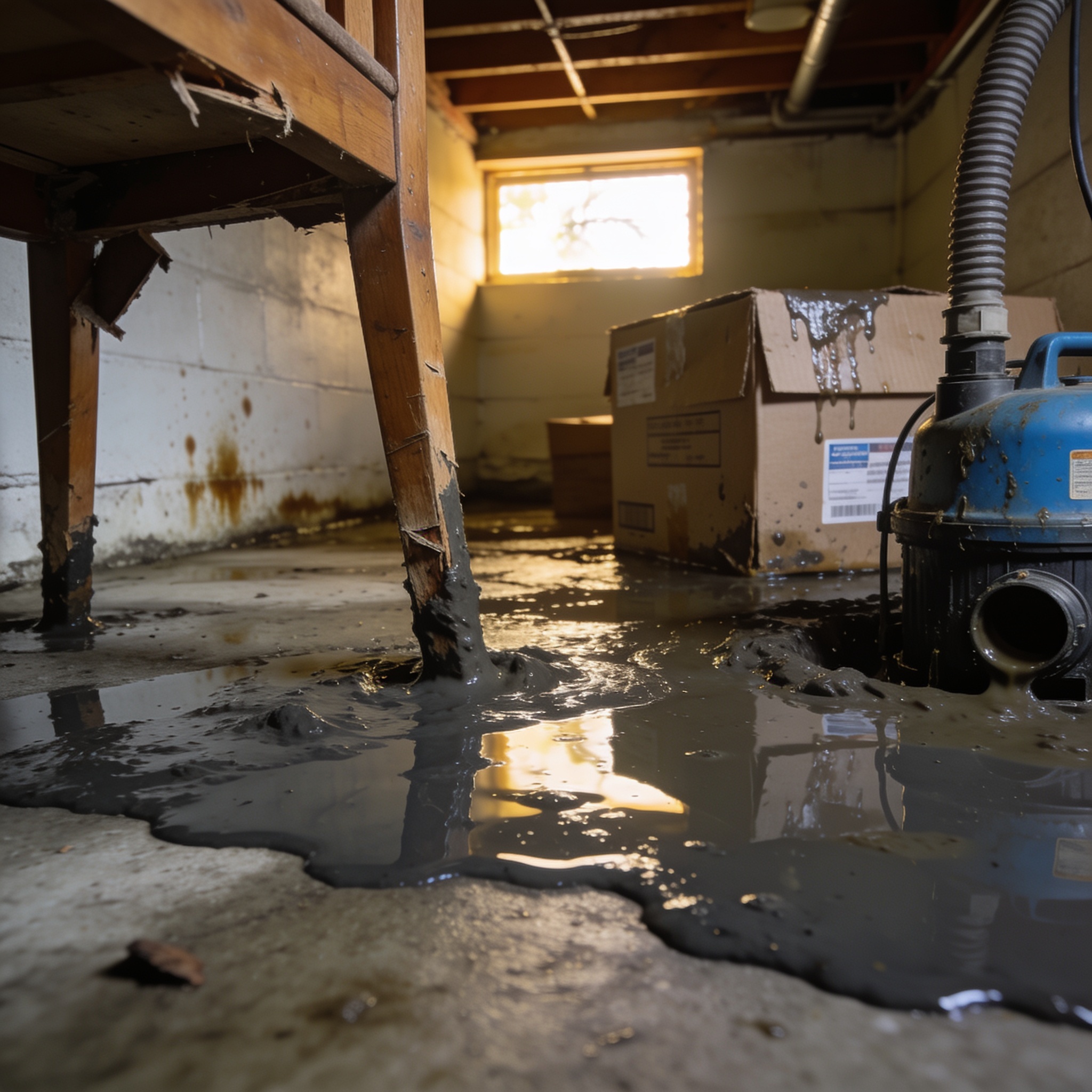
The total sewage backup in basement cost typically ranges from $3,000 to $20,000 depending on the severity of the contamination and the square footage involved. This price reflects the intensive labor, specialized equipment, and hazardous material disposal required to return a home to a safe condition. Addressing this issue immediately is critical to preventing long-term structural damage and severe health risks, including the mitigation of property damage caused by water backup. Homeowners should be aware that the overall cost of sewage remediation is often higher than standard water extraction due to the biohazardous nature of the waste.
Key Takeaways
- Sewage cleanup requires professional intervention due to the presence of pathogens and hazardous bacteria.
- Costs vary significantly based on the volume of wastewater and the types of materials affected, such as drywall or carpet.
- Standard homeowner insurance policies often exclude sewer backup unless a specific rider or endorsement is purchased.
- SWFL residents must consider high water tables and hurricane-related flooding when assessing basement vulnerability.
- Acting within the first 24-48 hours is essential to mitigate secondary damage like mold growth.
What Are the Common Causes of Sewage Backup in a Basement?
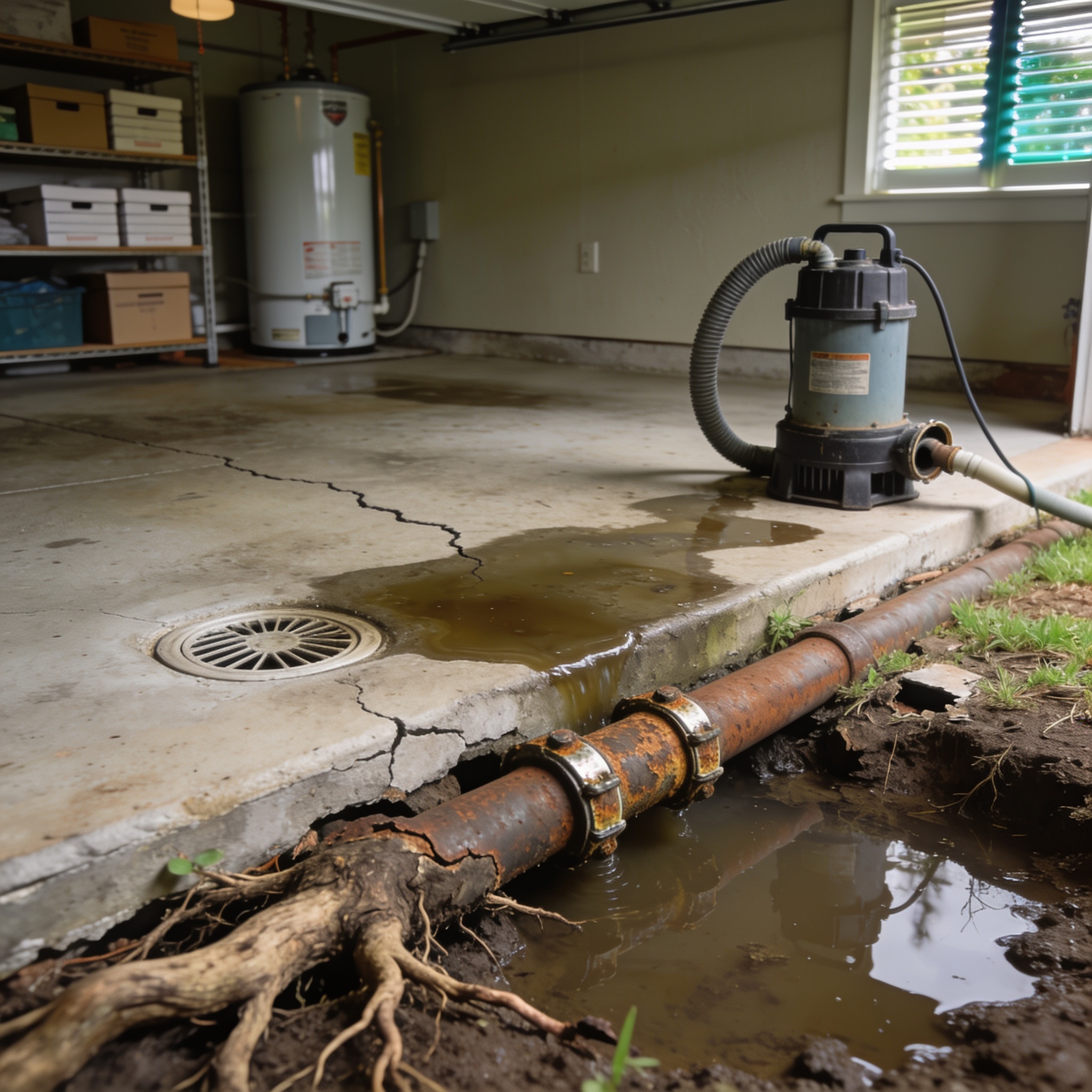
Most basement sewage issues stem from blockages in the sewer main or external environmental factors common in Southwest Florida. Tree roots are a primary culprit, as they infiltrate aging clay or cast iron sewer pipes in search of moisture. During heavy tropical storms or hurricanes, the city’s sewer system can become overwhelmed, forcing wastewater backward into residential plumbing. Additionally, a clog caused by non-flushable items like human waste and toilet paper can create a significant backup within your home’s private lateral line.
Is It Safe to Stay in a House With Sewage Backup in the Basement?
Staying in a house with raw sewage is not recommended because it presents serious health risks due to exposure to bacteria, viruses, and parasites. The Environmental Protection Agency (EPA) classifies sewage as Category 3 water, which is highly contaminated and potentially toxic. Inhaling airborne pathogens or coming into physical contact with sewage water can lead to severe gastrointestinal illnesses. You should vacate the premises until professional sewage restoration services have completed the remediation and sanitization process.
What Should You Do Immediately If Sewage Backs Up Into Your Basement?
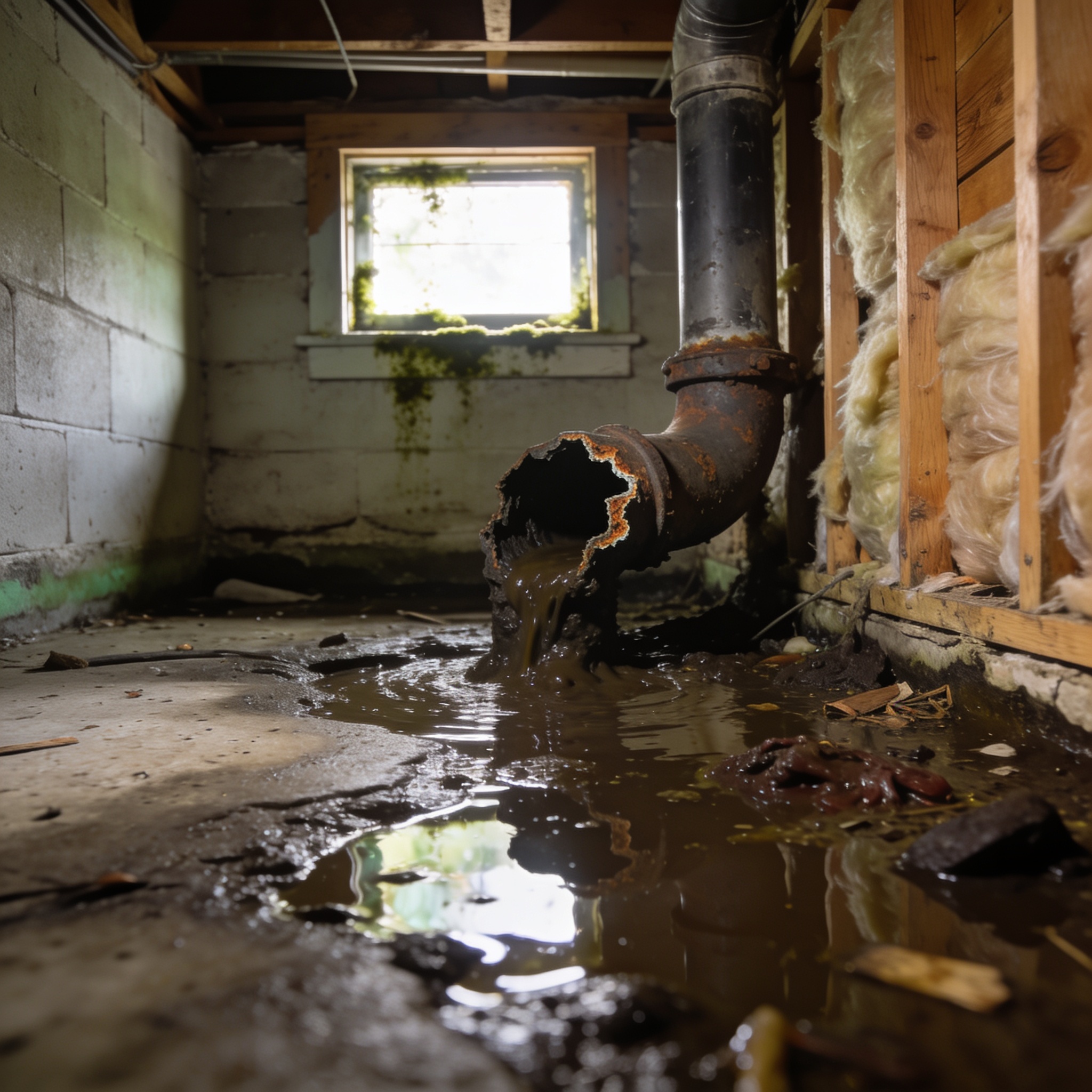
You must act quickly to minimize the extent of the damage by shutting off the main water supply to your home to prevent further flow. Avoid touching any standing liquid, as it may contain electrical hazards or sharp debris hidden beneath the surface. Contact a licensed plumber to identify the source of the clog and call a certified restoration company to begin the cleanup process. Document the affected area with photos and videos for your insurance agent before any cleanup and repair begins.
How Much Does It Cost to Clean Up a Sewage Backup in a Basement?
The average sewage cleanup cost generally falls between $3,000 and $10,000 for minor incidents, while major flooding can push the total cost toward $20,000. These expenses cover the sewage removal, the disposal of porous materials like carpet and drywall, and the application of antimicrobial agents. Professional teams utilize industrial-grade pumps and dehumidifiers to ensure the environment is fully dried. If you require Water Damage Restoration in Lehigh Acres, ensure the contractor is IICRC-certified to handle biohazardous materials.
What Factors Influence the Total Cost of Fixing a Sewage Backup?
Several cost factors dictate the final invoice, including the volume of wastewater and the specific materials that require replacing. The following table illustrates how different variables impact your budget:
| Factor | Impact on Cost |
|---|---|
| Volume of Sewage | Higher volume increases labor and disposal fees. |
| Porous Materials | Carpet, insulation, and drywall must be discarded. |
| Plumbing Repairs | Replacing a collapsed sewer line adds significant expense. |
| Per square foot area | Larger affected areas increase the overall cleanup costs. |
Can You Clean Up a Sewage Backup Yourself, or Do You Need a Professional?
Attempting a DIY cleanup is dangerous and highly discouraged due to the extreme health hazards posed by raw sewage. Professionals use specialized protective gear, such as respirators and chemical-resistant suits, to prevent direct contact with pathogens. They also utilize advanced cleaning agents that are not available to the general public to ensure the area is truly sanitized. For reliable help in the region, consider professional restoration companies for Water Damage Restoration or reach out to experts for Water Damage Restoration to ensure the job is done correctly.
How Long Does Sewage Cleanup and Restoration Typically Take?
The cleanup and restoration timeline typically spans from three days to over a week, depending on the extent of damage. Initial extraction and waste removal usually occur within the first 24 hours to stop the spread of contamination. Drying the structure can take several days, especially in the high-humidity climate of Lee, Collier, and Charlotte counties. Final repairs, such as replacing damaged flooring or drywall in a finished basement, are only performed once moisture levels meet safety standards.
Does Insurance Cover Sewage Backup in a Basement?
Standard homeowner’s insurance policies often exclude damage caused by sewer backup unless you have specifically purchased a sewer backup coverage or backup coverage endorsement. Understanding your insurance coverage is vital, as general water damage restoration is frequently covered, but sewage-specific issues are treated differently. You should speak directly with your insurance company to clarify if your policy includes this specific protection. If you reside in a flood zone, remember that FEMA-backed NFIP policies do not cover sewer backup unless it is a direct result of flood-related damage.
How Can You Prevent Future Sewage Backups in Your Basement?
Regular maintenance of your home’s plumbing system is the most effective way to prevent future sewage backup incidents. You should have a licensed plumber inspect your main sewer line annually to check for tree root intrusion or pipe degradation. Installing a backwater valve can prevent city sewer water from flowing backward into your basement during heavy rain events. Avoid flushing items like paper towels, feminine hygiene products, or grease down the drain, as these are common causes of a sewer clog. Keep your basement dry by using a sump pump and checking that your foundation drains are clear of debris.
Frequently asked questions
Understanding the nuances of sewage remediation can help you navigate this stressful event more effectively.
Does homeowner insurance cover sewage backup?
Most standard policies do not cover sewage backup unless you have added a specific rider or endorsement to your plan.
What is the biggest health risk of sewage?
The primary health risk involves exposure to harmful bacteria, viruses, and parasites that can cause severe illness upon contact or inhalation.
How do I know if the sewer line is blocked?
Common warning signs include slow-draining sinks, gurgling sounds in the toilets, or foul odors emanating from your drains.
Can I use bleach to clean raw sewage?
Bleach is generally insufficient for a large-scale sewage backup and should not be used as a substitute for professional-grade antimicrobial remediation.
What is the cost to fix a major sewer issue?
The cost of sewer line repairs varies, but a full sewer line replacement can range from $5,000 to $15,000 depending on depth and accessibility.
What is the sewage backup cleanup process?
The process involves identifying the type of sewage, ensuring proper disposal of contaminated waste, and performing a professional sewage damage assessment.
What is the cleanup cost breakdown?
The sewage backup cleanup cost includes labor, equipment rental, and sewer repairs, which are all cost factors that influence the final bill.
Our editorial team verifies licensing and reviews for every restoration company in the directory and writes practical, Florida-specific guides to help homeowners act fast and protect their insurance claims after water, fire, mold or storm damage.