Is Water Backup Coverage Worth It for Your Florida Home?
Water backup coverage is worth it for the vast majority of Southwest Florida homeowners because it typically costs between $50 and $250 annually while providing protection against claims that often exceed $5,000. This optional endorsement is essential because standard home insurance policies almost universally exclude damage caused by backed-up water, leaving residents in Lee, Collier, and Charlotte counties financially exposed during heavy tropical rain events. Understanding your insurance coverage is the first step in ensuring you have adequate protection for your home. When reviewing your documents, verify if your sewer backup coverage is sufficient to handle the total cost of remediation.
Key Takeaways
- Standard homeowners insurance policies specifically exclude damage from sewer or drain backups.
- Water backup coverage is an affordable add-on that protects against sewage and drain-related flooding.
- SWFL residents face higher risks due to flat terrain, high water tables, and frequent tropical storms.
- A single backup incident can cause thousands of dollars in property damage and cleanup costs.
- Consulting a professional water restoration company can help you assess your property’s specific plumbing vulnerabilities.
- Backup coverage is an optional endorsement that you must proactively add to your policy.
What Does Water Backup Mean on a Home Insurance Policy?
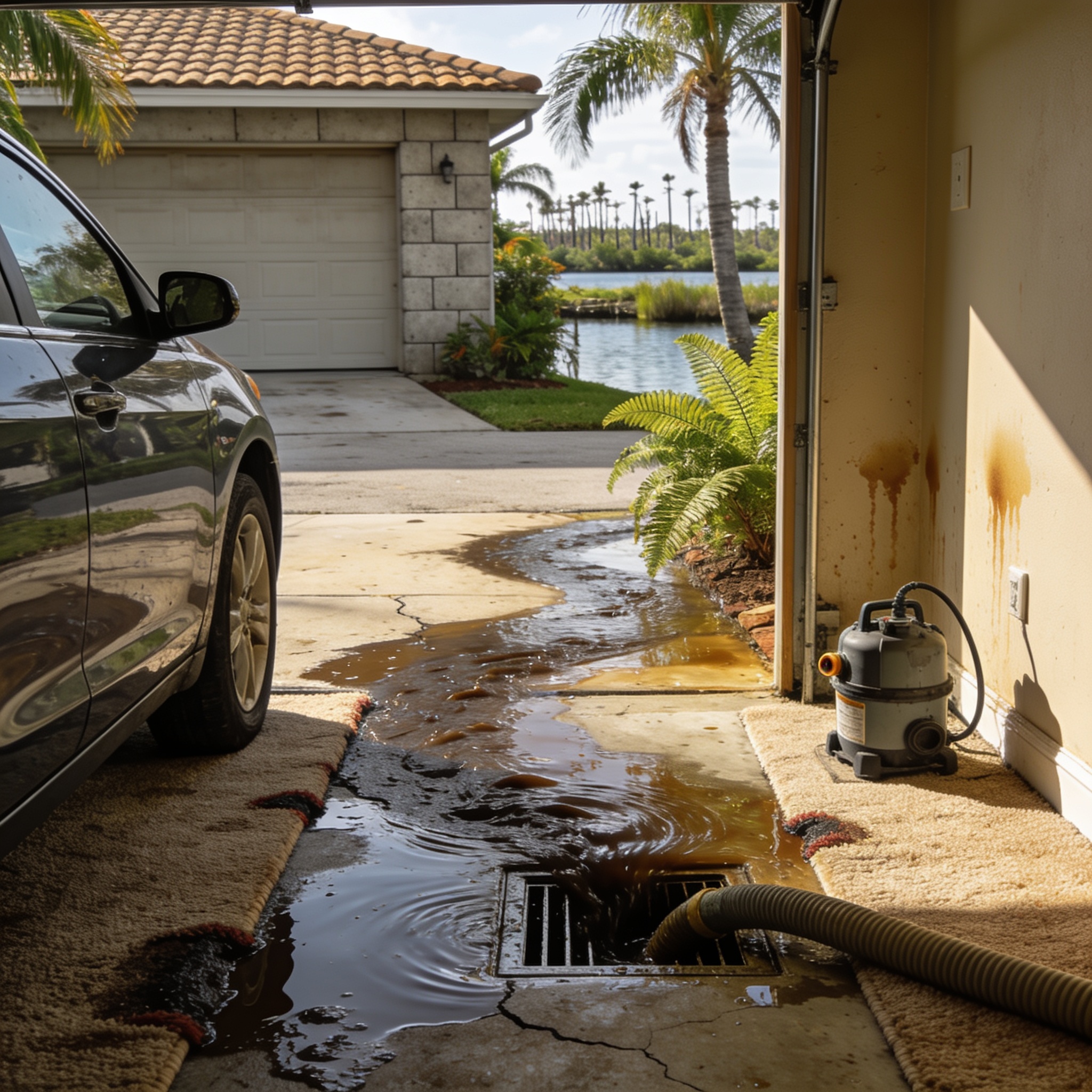
Water backup refers to the sudden overflow of water or sewage into your home through drains, toilets, or sump pumps when the municipal or private plumbing system becomes overwhelmed. This type of damage is distinct from flood insurance claims because the water originates from within your home’s internal plumbing or connected sewer lines rather than from rising surface water. When a sewage backup occurs, the resulting mess often involves contaminated, dirty water that requires specialized cleanup protocols. Because there are many types of water damage, it is vital to know that standard policies do not automatically cover water that backs up from drains. Homeowners often ask, “Do I need water backup protection?” and the answer is yes, as standard insurance policies do not account for these specific plumbing failures.
Is Water Backup Coverage Included in a Standard Homeowners Insurance Policy?
Water backup coverage is almost never included in a standard homeowners insurance policy and must be purchased as a separate endorsement. Most insurance companies explicitly list sewer and drain backups as excluded perils in their base contracts. If you do not proactively add this specific coverage to your policy, you will be responsible for the entire cost of restoring your home after a backup incident. This creates a significant coverage gap for many homeowners who assume they are protected against all forms of accidental water damage. You must confirm that your insurance covers these specific events, as standard insurance policies are rarely comprehensive enough to include them by default.
What Causes Water Backups in Your Home?
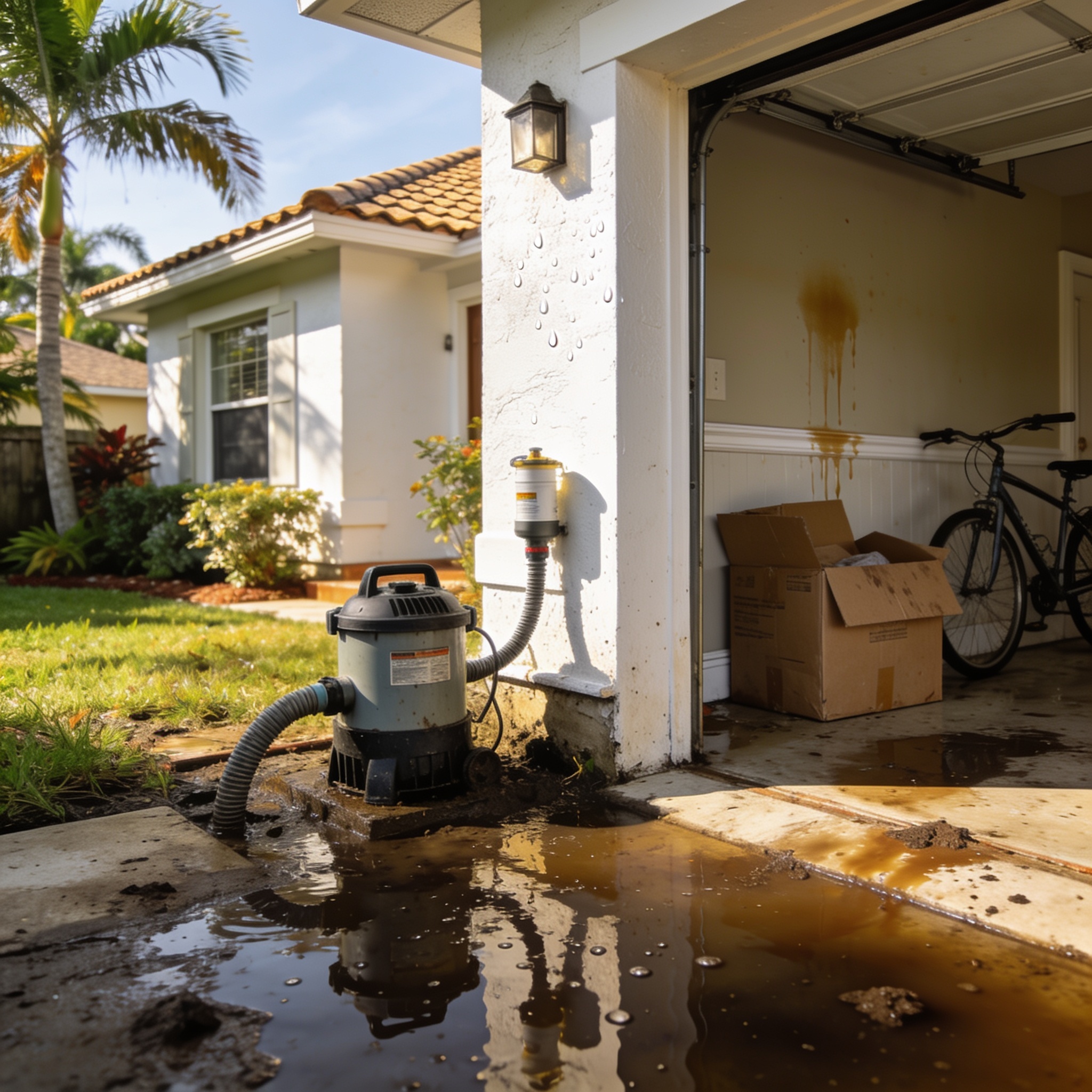
Water backups are frequently caused by municipal sewer system overloads, tree root intrusion, or mechanical failures within your home’s plumbing. Heavy rainfall common in Southwest Florida can overwhelm local storm drains, causing a backup to push sewage back into residential lines. Additionally, a failed sump pump during a hurricane can lead to rapid flooding in lower-level areas of your property. If you experience a water backup incident, the resulting damage to your home can be extensive and costly to remediate.
Common culprits of backup incidents
- Tree Roots: Roots penetrate aging sewer lines, creating obstructions that trap debris.
- System Overload: Intense tropical rain forces excess water into sanitary sewer systems.
- Mechanical Failure: A sump pump may fail due to power loss or motor burnout.
- Blockages: Grease, paper products, or foreign objects clogging the main drain line.
- Emergency Response: Knowing the importance of shutting off water at the main valve can help mitigate further damage.
What Does Water Backup Insurance Cover and Not Cover?
Water backup insurance covers the cost of cleaning up and repairing damage inside your home caused by water that has backed up through sewers or drains. The policy typically pays for structural repairs, professional cleaning, and sometimes loss of use coverage if your home is uninhabitable during the restoration process. It is important to note that it does not cover the repair of the faulty pipe itself, which is often handled under service line coverage. Furthermore, damage from sewer backups is distinct from equipment breakdown coverage, which usually applies to mechanical failures of appliances rather than plumbing line issues. When you look at what water backup insurance covers, you will see it focuses on the resulting damage rather than the plumbing repair itself.
| Coverage Type | What is Covered | What is Not Covered |
|---|---|---|
| Water Backup | Cleanup, drying, and structural repair | Repairing the broken pipe or sewer line |
| Flood Insurance | Damage from external rising water | Damage originating from internal drains |
| Renters Insurance | Personal property in a renters insurance policy | Structural damage (covered by landlord’s insurance) |
| Service line coverage | Repairing the underground pipe | Interior water damage cleanup |
How Common Are Water Backup Claims — and Could It Happen to You?
Water backup claims are surprisingly frequent, with the Insurance Information Institute noting that water-related issues are among the most common homeowners insurance claim types. Every homeowner in Florida is at risk because our high water table and frequent storm surges put constant pressure on residential plumbing systems. Even if your neighborhood has modern infrastructure, a localized clog or a failed sump pump can cause a significant backup event at any time. Because multiple insurance policies may be involved if you are a tenant, always verify what is covered by water backup endorsements versus standard liability. Many residents realize they need water backup coverage only after a major incident occurs.
Is Water Backup Coverage Worth It, and Do You Really Need It?
You need water backup coverage because the financial impact of a single sewage event often dwarfs the annual premium cost of the endorsement. Without this protection, you are personally liable for the cost of water damage remediation, which can easily reach $5,000 or more for a single room. Many homeowners find that the peace of mind provided by this optional insurance is well worth the modest price. When evaluating your type of insurance, remember that water backup coverage would provide the necessary financial cushion to handle unexpected plumbing disasters. If you are asking if you need water backup, consider the high cost of professional sewage remediation.
How Much Water Backup Coverage Do You Need?
You should aim for a coverage limit that matches the potential cost of restoring your home’s most vulnerable areas, such as a finished basement or a ground-floor living space. Consulting with a licensed insurance agent can help you determine the right level of coverage based on your home’s square footage and the value of your personal property. It is safer to over-insure slightly than to face a massive out-of-pocket expense during a disaster. Adding water backup coverage is a simple adjustment to your existing plan that can save you thousands in the long run. Always review your insurance coverage limits annually to ensure they keep pace with rising repair costs.
How Much Does Water Backup Insurance Cost?
The cost of water backup coverage is relatively low, typically ranging from $50 to $250 per year depending on your location and the chosen limit. This small investment provides a significant safety net against the high cost of water damage that standard policies ignore. Coverage costs vary based on your home’s age, the type of plumbing, and your claims history with your current insurance company. By comparing coverage costs across different providers, you can find an affordable way to protect your assets.
Is It Worth Going Through Insurance for Water Damage?
Going through insurance is worth it when the damage exceeds your deductible and the incident is clearly covered by your policy, such as when you have purchased a water backup endorsement. Determining if is water damage covered by homeowners insurance requires a careful review of your specific policy declarations page. If you are unsure, contact a reputable water restoration company to assess the scope of the damage before filing a claim. Remember that water backup insurance covers the cleanup, but you must have the endorsement active before the loss occurs.
How Can You Prevent Water Backups and Protect Your Home?
You can prevent water backups by performing regular maintenance on your plumbing and installing protective devices like backflow valves. Taking proactive steps to protect your home is the most effective way to avoid the stress and expense of a major insurance claim. Below are the 5 essential steps to minimize your risk:
The 5 steps to prevent water backups
- Install a Backflow Valve: This device prevents sewage from flowing back into your home during a surge.
- Maintain Your Sump Pump: Test your pump quarterly and consider adding a battery backup system for power outages.
- Clear Your Drains: Avoid pouring grease or non-flushable items down your toilets and sinks.
- Inspect Sewer Lines: Hire a professional to conduct a camera inspection of your main sewer line every few years.
- Trim Nearby Trees: Keep trees away from your sewer line path to prevent root intrusion and blockages.
Frequently asked questions
Addressing these common concerns will help you better understand your policy and the risks associated with water backups.
Does my flood insurance cover sewer backups?
No, standard flood insurance policies explicitly exclude damage caused by sewer or drain backups, as they only cover damage from external rising water.
What happens if my home is uninhabitable after a backup?
If your policy includes loss of use coverage, your insurance will cover reasonable living expenses while your home is undergoing necessary repairs.
Should I install a sump pump if I don’t have a basement?
Even without a basement, a sump pump can be vital for protecting your home’s foundation and crawlspace from water accumulation during heavy Florida rains.
Does the age of my home affect my backup risk?
Yes, older homes often have clay or cast-iron pipes that are more susceptible to corrosion, root intrusion, and structural collapse compared to modern PVC piping.
How do I know if I have water backup coverage?
Check your homeowners insurance policy declarations page for an endorsement labeled “Water Backup,” “Sewer Backup,” or “Sump Pump Overflow.”
See also: Water Damage Restoration
See also: Water Damage Restoration
See also: Water Damage Restoration
Our editorial team verifies licensing and reviews for every restoration company in the directory and writes practical, Florida-specific guides to help homeowners act fast and protect their insurance claims after water, fire, mold or storm damage.