Is Sewage Backup an Emergency? Why You Need Immediate Professional Help
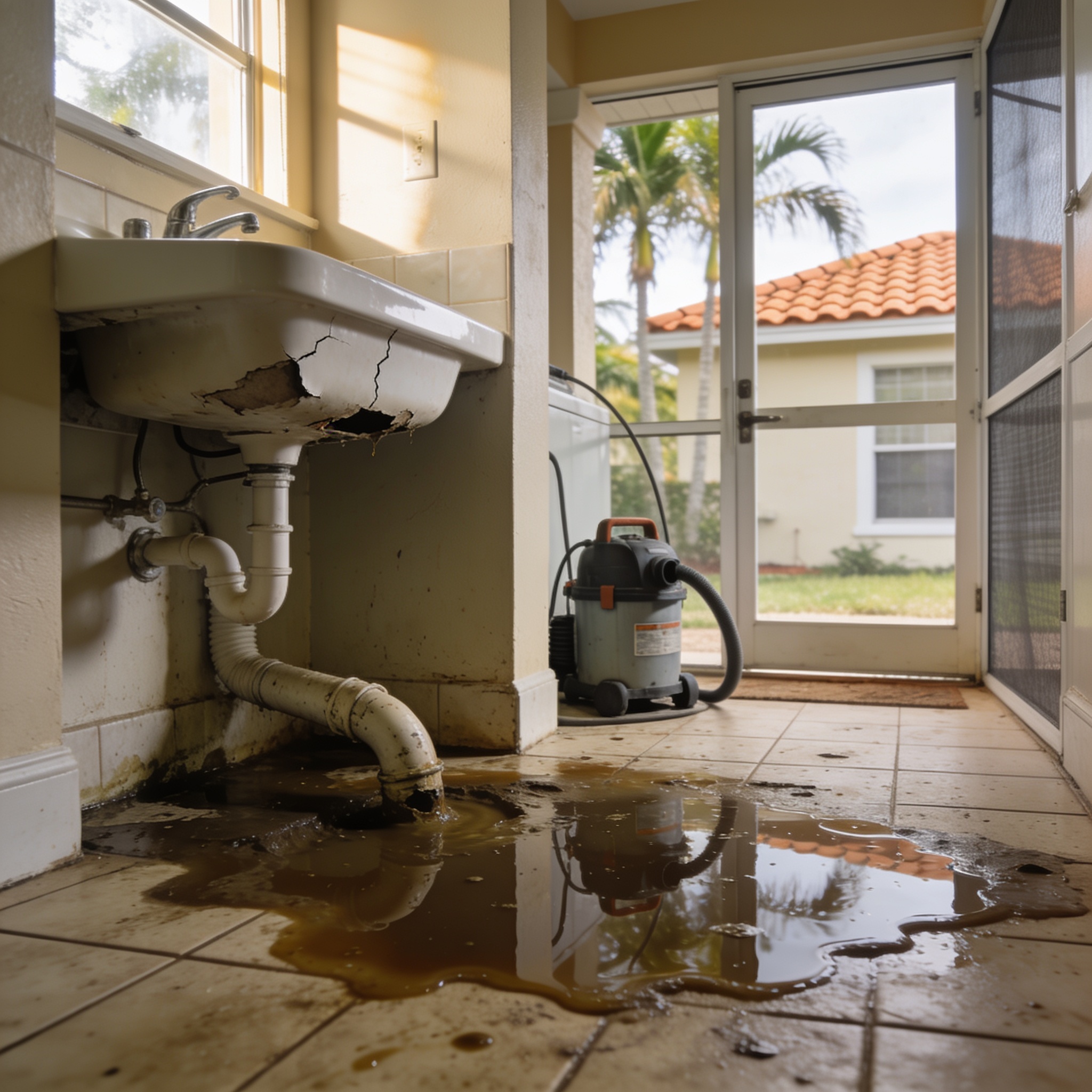
A sewage backup is an emergency that requires immediate professional intervention because raw wastewater contains pathogens that pose a serious health hazard and can cause thousands of dollars in structural damage within hours. In Southwest Florida, where high water tables and seasonal heavy rain frequently stress municipal sewer lines, failing to act immediately can lead to catastrophic property loss. Whether you are in Lee, Collier, or Charlotte County, treating this as a high-priority crisis is essential to protect your home or business. If you are unsure who to call, keep your local plumber’s contact information readily available.
Key Takeaways
- Sewage backup is classified as Category 3 water damage by the IICRC, meaning it is highly unsanitary and dangerous.
- Immediate action is required to prevent the rapid spread of harmful bacteria, viruses, and parasites.
- Most standard homeowners insurance policies do not cover sewer backup unless a specific rider or endorsement is purchased.
- Professional remediation is necessary to ensure the property is properly sanitized and structural components are dried.
- Preventive maintenance, such as regular inspections of cast iron pipes, is critical for SWFL homeowners.
What Are the Common Causes and Warning Signs of a Sewer Backup?
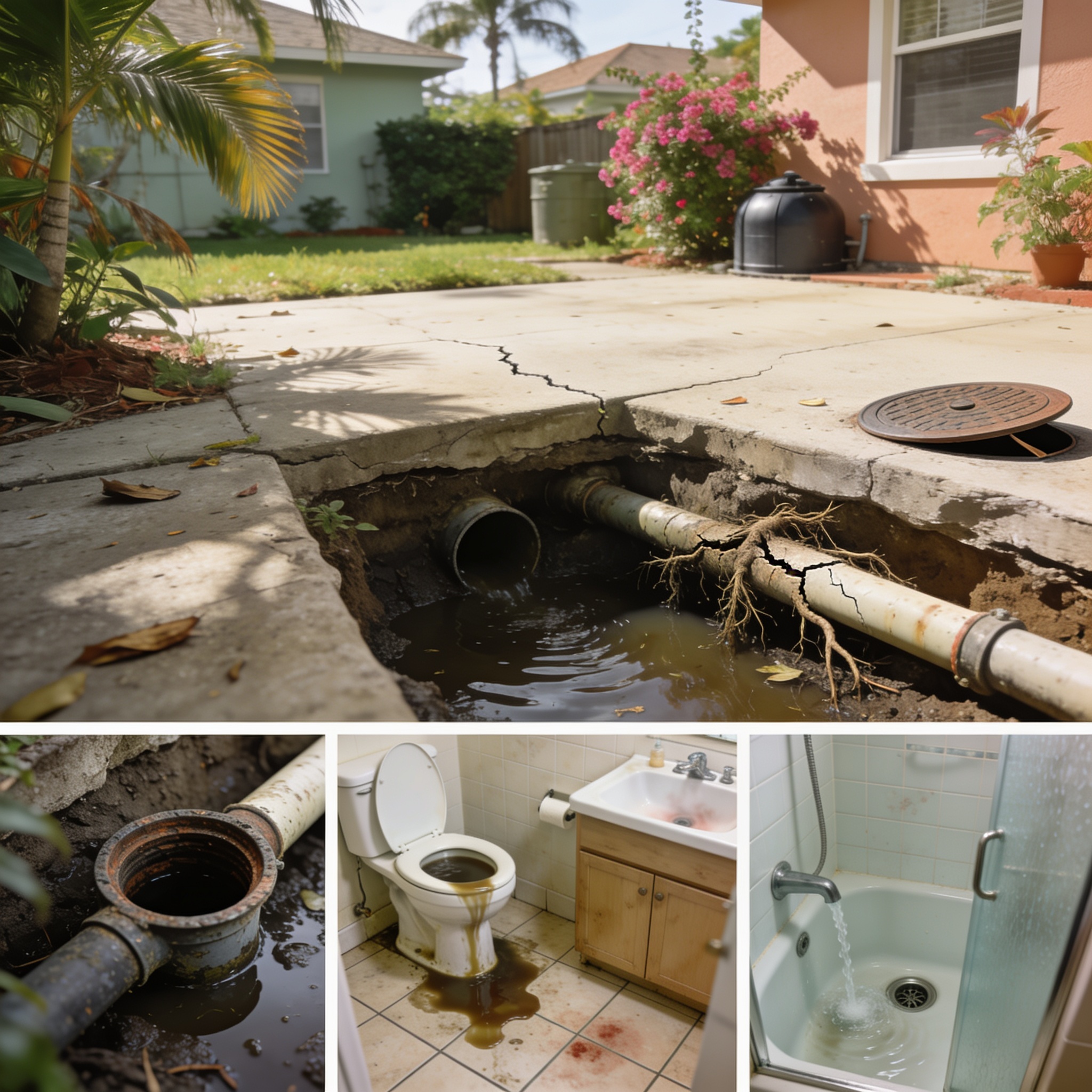
The primary cause of the backup is often a blockage in the sewer main or a private sewage line caused by tree roots or the accumulation of non-flushable items. In Southwest Florida, roots naturally seek out water, often infiltrating aging cast iron pipes common in older coastal homes. A red flag indicating a major clog includes gurgling sounds in your drains or toilets, multiple drains backing up simultaneously, or a foul odor emanating from your sewer system. If you notice water rising in a bathtub or tub, don’t wait to report the problem to a professional.
Is It Safe to Stay in a House With Sewage Backup?
It is not safe to remain in a home where raw sewage is present because the environment is considered a serious health hazard. Exposure to standing water contaminated with fecal matter can pose health risks, including skin infections, respiratory issues, and gastrointestinal illnesses. You should evacuate the affected area immediately and contact Servpro or other 24/7 Emergency Restoration Companies in Southwest to begin the containment process asap.
Can You Get Sick From Breathing In or Being Exposed to Backed Up Sewage?
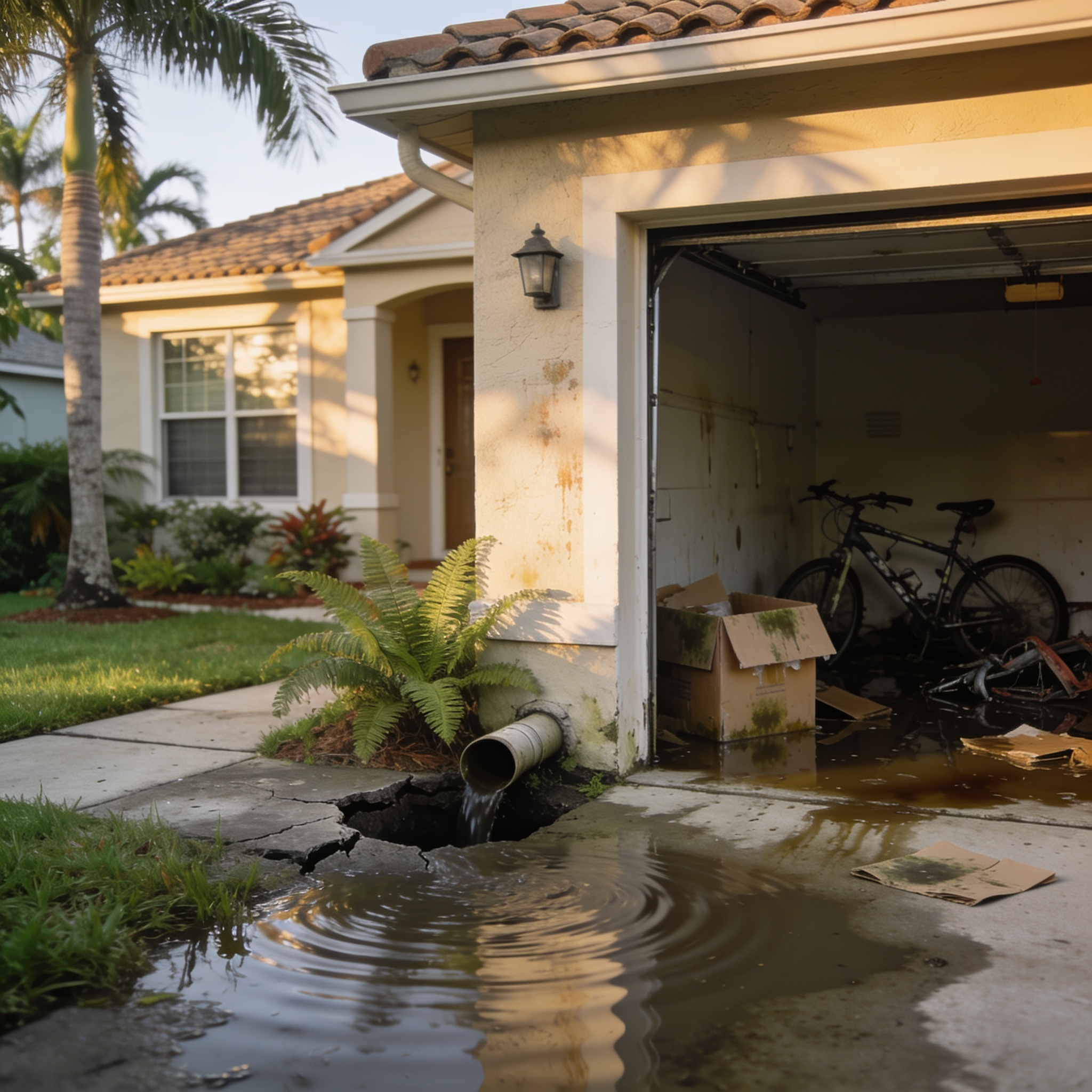
Exposure to raw sewage poses significant health risks due to the fact that sewage contains harmful bacteria, viruses, and parasites that thrive in wastewater. These pathogens can be transmitted through direct skin contact or by breathing in aerosolized particles from the backup. If you suspect your home has been compromised, seek professional Water Damage Restoration in Estero to ensure the space is decontaminated safely.
What Should You Do Immediately If the Sewer Backs Up in Your House?
The first step is to stop using all water and avoid flushing toilets or running the washing machine to prevent more water from flowing back into your home. Dealing with a sewage backup requires caution; avoid using appliances that drain into the system. Turn off the main water supply to stop the flow of liquid into the property. If you must move through the area, use towels to create a barrier, document the damage with photos for filing a claim, but do not attempt to clean the area yourself without proper protective gear.
Can You Clean Up a Sewage Backup Yourself, or Is Professional Cleanup Necessary?
Professional cleanup is necessary because standard household cleaners are insufficient to eliminate the deep-seated pathogens found in sewage. Certified technicians use industrial-grade antimicrobial agents and specialized equipment to restore your home to a safe condition. Attempting a DIY cleanup often results in incomplete sanitization, which can disrupt your life by leading to long-term mold growth and structural damage.
When Should You Call a Professional Plumber or Emergency Services for a Sewer Backup?
You must call a professional plumber or emergency restoration service as soon as you notice signs of a backup to prevent the situation from worsening. A licensed plumber can inspect your pipes to determine if the blockage is on your private property or the municipal side and fix the issue before it escalates. If you are experiencing issues in Charlotte County, seeking Water Damage Restoration providers is a critical step in the recovery process.
Can the City Be Held Liable for a Sewage Backup in Your House?
Liability for a sewer backup depends on whether the blockage occurred in the city-owned main sewer line or your private lateral line. If the failure is due to municipal negligence, you may need to file a claim with the local government office. However, the burden of proof rests on the homeowner, and you should consult with a local attorney regarding the specific statutes in your municipality.
Does Homeowners Insurance Typically Cover Sewage Backup Damage?
Standard homeowners insurance policies typically exclude damage caused by sewage backup unless you have specifically purchased a sewer backup endorsement. Without this coverage, the repair costs and remediation expenses fall entirely on the property owner. Always review your policy details with your agent to understand your financial exposure before a disaster occurs.
How Can You Prevent Future Backups in Your Home?
Preventing future backups requires regular maintenance, such as scheduling a professional inspection of your pipes every two to three years. Avoid pouring grease down the sink, never flush items labeled as “flushable” wipes, and consider installing a backwater valve to ensure proper flow and prevent wastewater from flowing back into your home. Proactive care is the most effective way to protect your property, provide peace of mind, and ensure your plumbing system remains working properly.
Frequently asked questions
Understanding the nuances of sewage emergencies can help you make informed decisions during a crisis.
Is a sewage backup considered a plumbing emergency?
Yes, any backup involving raw sewage is a critical emergency due to the immediate risk of disease and structural damage.
How much does a professional sewer repair cost?
Costs vary significantly based on the severity of the blockage and whether a full line replacement is required, typically ranging from $1,500 to over $10,000.
Will my insurance pay for the cleanup?
Only if you have a specific sewer backup endorsement; otherwise, most standard policies explicitly exclude this type of water damage.
Can I use a chemical drain cleaner to fix the backup?
No, chemical drain cleaners can damage your pipes and are ineffective against the types of blockages that cause major sewer backups.
What should I do if I am renting my home?
Notify your landlord immediately in writing, as they are generally responsible for maintaining the plumbing system and addressing structural failures.
| Action | Priority Level |
|---|---|
| Stop water usage | Immediate |
| Evacuate affected area | Immediate |
| Call professional restoration | High |
| Document damage for insurance | Medium |
Our editorial team verifies licensing and reviews for every restoration company in the directory and writes practical, Florida-specific guides to help homeowners act fast and protect their insurance claims after water, fire, mold or storm damage.