Is Crawl Space Encapsulation Worth It? A Homeowner’s Guide
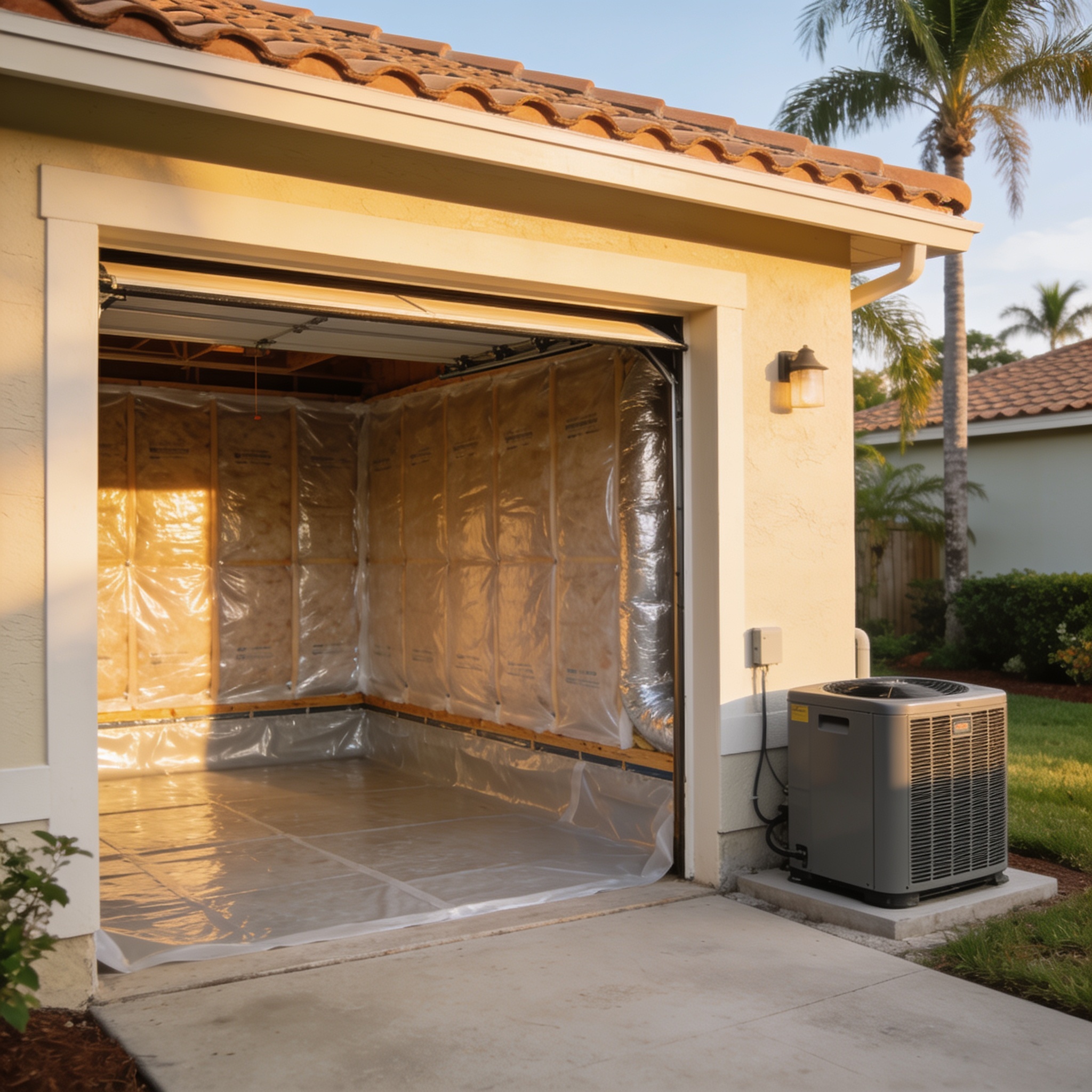
Crawl space encapsulation is worth the investment for most Southwest Florida homeowners because it typically costs between $5,000 and $15,000 while significantly reducing the risk of structural decay caused by our region’s extreme humidity. By sealing off the crawl spaces from the outside environment, you effectively manage the moisture problem that plagues coastal properties in Lee, Collier, and Charlotte counties. This process transforms a damp, problematic area into a controlled environment that protects your home’s foundation and improves overall energy efficiency. When considering whether to encapsulate a crawl space, remember that a dry environment is the first step to prevent mold and protect your home from long-term damage. To keep it dry, homeowners must evaluate if encapsulation makes sense for their specific foundation type and crawl space size.
Key Takeaways
- Encapsulation creates a sealed, dry environment that prevents mold growth and structural wood rot.
- Southwest Florida’s high water tables and hurricane-prone climate make moisture control in crawl spaces critical for home longevity.
- A professional-grade system includes a heavy-duty vapor barrier, a dehumidifier, and often a sump pump for drainage.
- Properly installed encapsulation can improve indoor air quality by reducing the “stack effect” where crawl space air rises into your living space.
- While the upfront cost is significant, the long-term savings on energy bills and potential water damage repairs often justify the expense.
What is crawl space encapsulation and what does it include?
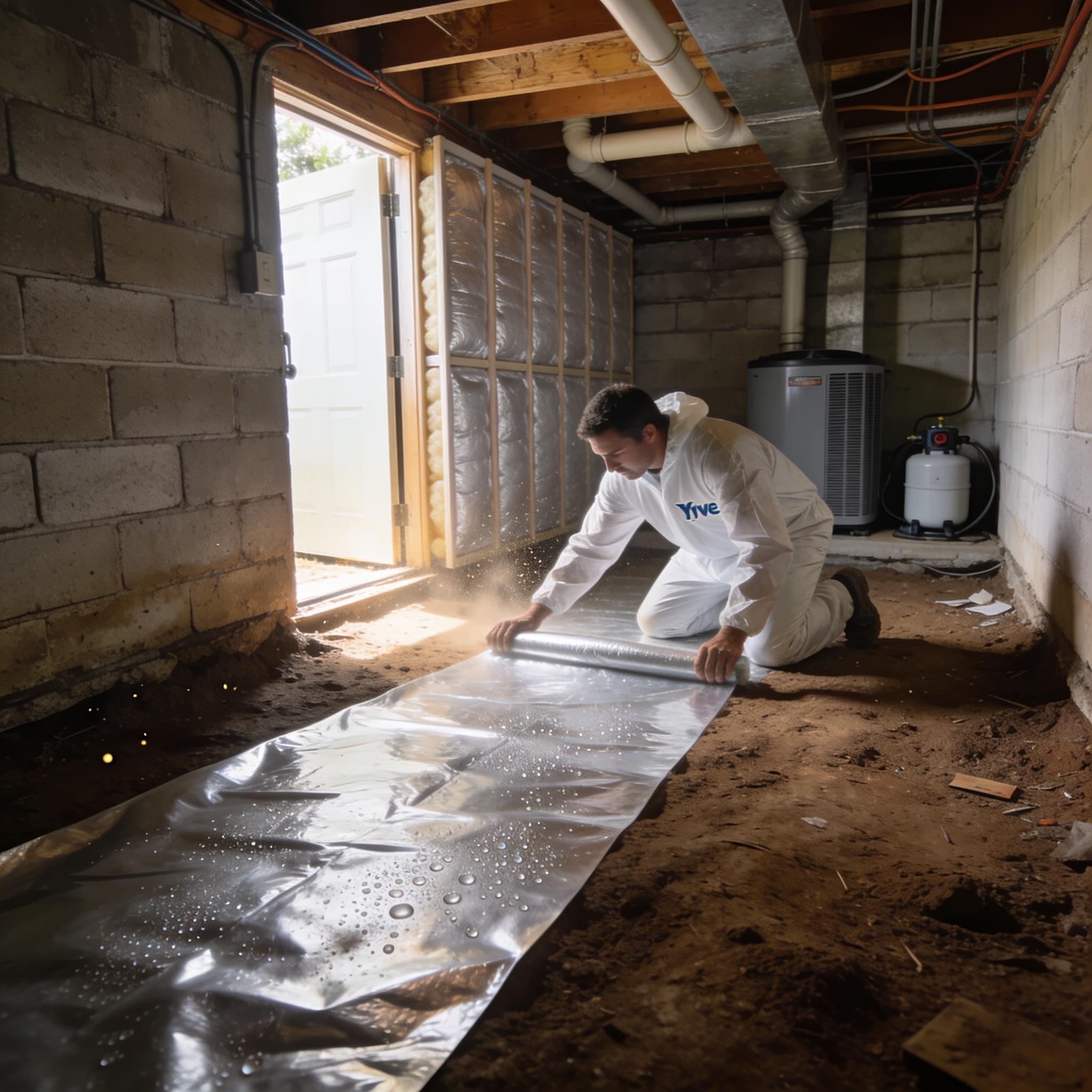
Crawl space encapsulation is the process of sealing crawl spaces to isolate them from the surrounding soil and outside air. This comprehensive approach involves installing a thick, reinforced encapsulation material that covers the floor, walls, and piers of your crawl spaces. The goal is to create a conditioned space that prevents moisture and pests from entering your home’s foundation. If you are wondering whether to encapsulate the crawl space is right for your home, understand that the process ensures your crawl space is sealed against external humidity.
A standard encapsulation system includes several critical components designed to keep the area dry:
- Vapor Barrier: A heavy-duty, puncture-resistant plastic liner that acts as a moisture barrier against ground humidity in crawl spaces.
- Sealing: All vents and gaps are closed to prevent outside air from entering, effectively sealing the crawlspace.
- Drainage: A sump pump may be installed to manage water intrusion, especially in low-lying flood zones common in SWFL.
- Dehumidifier: A commercial-grade dehumidifier is essential to maintain low humidity levels within the sealed crawl spaces.
How does crawl space encapsulation differ from a vapor barrier or insulation?
Crawl space encapsulation is a holistic system, whereas a simple vapor barrier or basic crawl space insulation are limited, individual components. A basic vapor barrier only covers the dirt floor, leaving the walls and vents exposed to the humid Florida atmosphere. When you choose to seal crawl spaces, you are creating a complete seal that prevents outside air from circulating under your home. Unlike an unencapsulated crawl space, an encapsulated one is designed to keep the crawl space dry year-round.
Many homeowners confuse simple insulation with full encapsulation. While you may choose to insulate the rim joists or walls with foam board insulation, this does not stop moisture from rising through the ground or entering through open vents. Encapsulation is the only method that addresses the root cause of moisture and prevents mold growth by controlling the entire atmosphere under the house.
What are the benefits of crawl space encapsulation?
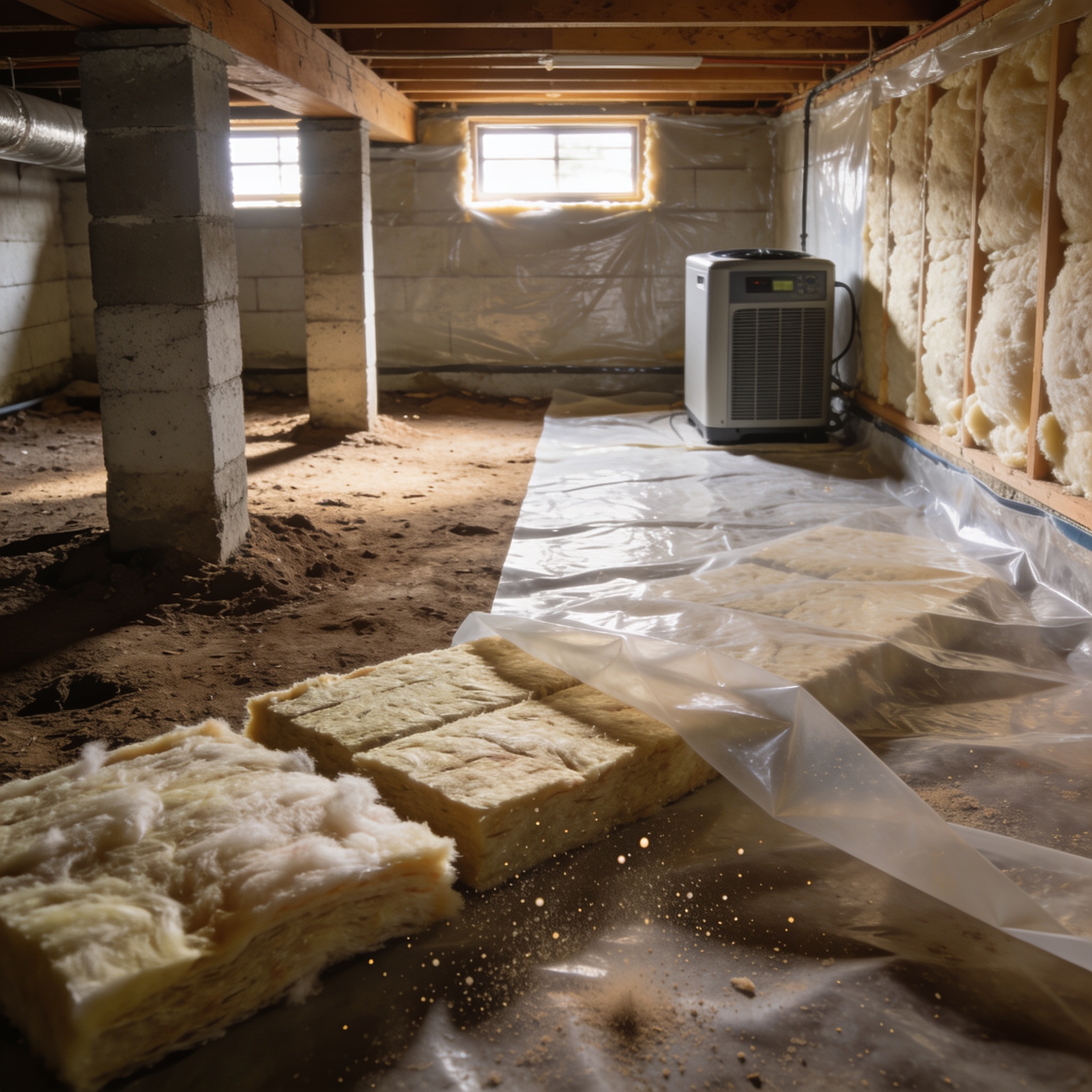
The primary benefits of crawl space encapsulation include improved indoor air quality, better energy efficiency, and protection against structural damage. Because a large percentage of the air you breathe in your home originates from the crawl spaces, sealing it off prevents mold spores and allergens from migrating upward. This is particularly important in Southwest Florida, where high humidity levels are constant.
Consider these additional advantages for your home:
- Energy Efficiency: By reducing the humidity load on your HVAC system, your air conditioner does not have to work as hard to cool your home.
- Pest Control: A sealed crawl space acts as a barrier against rodents, termites, and other pests that thrive in dark, damp environments, preventing a potential infestation.
- Structural Integrity: Keeping the wood framing dry prevents rot and decay, protecting the long-term value of your property.
- Radon Mitigation: Encapsulation can help reduce the infiltration of soil gases like radon into your living space.
What are the negatives and drawbacks of crawl space encapsulation?
The main cons of crawl space encapsulation revolve around the high initial cost and the necessity for ongoing maintenance. One of the most significant drawbacks of crawl space encapsulation is that it requires a professional to ensure the system is installed correctly to avoid trapping moisture inside. If a pipe leaks behind the barrier, you may not notice the water damage until significant structural harm has occurred. Prior to encapsulation, it is vital to perform any necessary crawl space repair to ensure the foundation is sound.
Homeowners should also be aware of the following potential issues:
- Maintenance Requirements: The dehumidifier must be serviced regularly, and the sump pump needs periodic testing to ensure it functions during heavy tropical rains.
- Hidden Leaks: Because the space is sealed, plumbing leaks might remain hidden for longer periods than they would in an open crawl space.
- Combustion Air: If you have gas appliances located in the crawl spaces, you must ensure they have proper ventilation to prevent carbon monoxide buildup.
How much does the cost of crawl space encapsulation compare to the benefits and drawbacks?
The average cost of crawl space encapsulation for a 2,000 square foot home in Southwest Florida ranges from $5,000 to $15,000, depending on the severity of existing moisture issues. Factors influencing this price include the current condition of the space, the need for a sump pump, and the type of insulation required. The following table provides a rough breakdown of costs you might encounter when you decide to seal your crawl space.
| Service Component | Estimated Cost Range |
|---|---|
| Vapor barrier installation | $2,000 – $5,000 |
| Dehumidifier unit & installation | $1,500 – $3,000 |
| Sump pump & drainage system | $1,000 – $2,500 |
| Structural repair & debris removal | $500 – $4,500 |
If your home has experienced prior Water Damage Restoration, the cost may increase to cover professional remediation. Always consult with a local encapsulation company to get an accurate quote for your specific property size and condition.
Is it worth it to encapsulate your crawl space — and does it increase home value?
Encapsulation is widely considered worth the investment by real estate professionals because it eliminates the “damp crawl space” stigma that often kills home sales. A properly encapsulated crawl space serves as a major selling point, signaling to buyers that the home has been well-maintained and protected against Florida’s harsh climate. When considering if the pros and cons of crawl space encapsulation make sense, remember that it significantly reduces the risk of failed inspections due to mold or wood rot.
When you consider the long-term costs of Water Damage Restoration, the upfront expense of encapsulation is often lower than the cost of replacing floor joists or remediating a massive mold outbreak. By protecting your home’s foundation, you are essentially buying insurance against future structural failures. For homeowners in flood-prone areas like Water Damage Restoration this investment provides peace of mind that is difficult to quantify.
What is the lifespan of an encapsulated crawl space and does it require a dehumidifier?
An encapsulated crawl space can last 15 to 20 years if the vapor barrier is high-quality and the system is properly maintained. You must use a dehumidifier in an encapsulated crawl space to prevent condensation from forming on the plastic liner and the foundation walls. Without a dehumidifier, the moisture trapped under the house will eventually lead to mold growth, regardless of how well you have sealed the area. Understanding the space encapsulation pros and cons is essential for maintaining a healthy home environment.
Regular maintenance is the key to longevity. You should have a professional inspect the system annually to ensure the dehumidifier is draining correctly and the vapor barrier has no tears. If you notice any signs of moisture or a musty smell, contact a professional immediately to address the issue before it escalates.
Can you encapsulate my crawl space yourself or should you hire a professional?
While DIY encapsulation is technically possible for those with extensive construction experience, hiring a professional is strongly recommended for most homeowners. Professional crawl space encapsulation services include the specialized tools and expertise required to identify hidden structural issues that a typical homeowner might miss. A professional will ensure that your drainage system is correctly sloped and that your HVAC system is properly integrated into the new environment.
Attempting this project yourself can lead to significant problems if the seal is not airtight or if the drainage system is installed incorrectly. Professionals understand how to handle the specific challenges of Southwest Florida soil and humidity. Investing in a licensed contractor ensures that your warranty remains valid and that the work meets all local building codes.
Frequently asked questions
These common questions address the most frequent concerns homeowners have regarding the long-term maintenance and efficacy of crawl space systems.
Does encapsulation stop all mold growth?
Encapsulation significantly inhibits mold growth by keeping humidity levels below 60%, but it cannot stop mold if there is an active plumbing leak or standing water that isn’t addressed by a sump pump.
Will sealing my crawl space make my floors feel warmer?
Yes, by preventing the movement of cold, damp air from the crawl space into the floor system, many homeowners notice that their floors feel more comfortable and the home maintains a more consistent temperature.
How often should I change the filter in my crawl space dehumidifier?
You should check the filter every three to six months, depending on the manufacturer’s recommendations and the specific dust levels in your area, to ensure the unit operates at peak efficiency.
Can rodents still get into an encapsulated crawl space?
If the encapsulation is performed by a professional who properly seals all entry points and foundation gaps, it becomes extremely difficult for rodents to enter the space compared to vented crawl spaces.
Is it necessary to remove old insulation before encapsulating?
In many cases, yes, especially if the old fiberglass insulation has become wet, sagged, or contaminated with pest droppings, as it can hold moisture and harbor mold spores.
What are the pros and cons of crawl space encapsulation?
The primary pros include improved indoor air quality, significantly lower energy bills, increased structural longevity, and a major boost in property resale value. The drawbacks include the initial cost and the need for ongoing mechanical maintenance.
Our editorial team verifies licensing and reviews for every restoration company in the directory and writes practical, Florida-specific guides to help homeowners act fast and protect their insurance claims after water, fire, mold or storm damage.