IICRC Category 3 Water Loss: What You Need to Know for Safe Cleanup
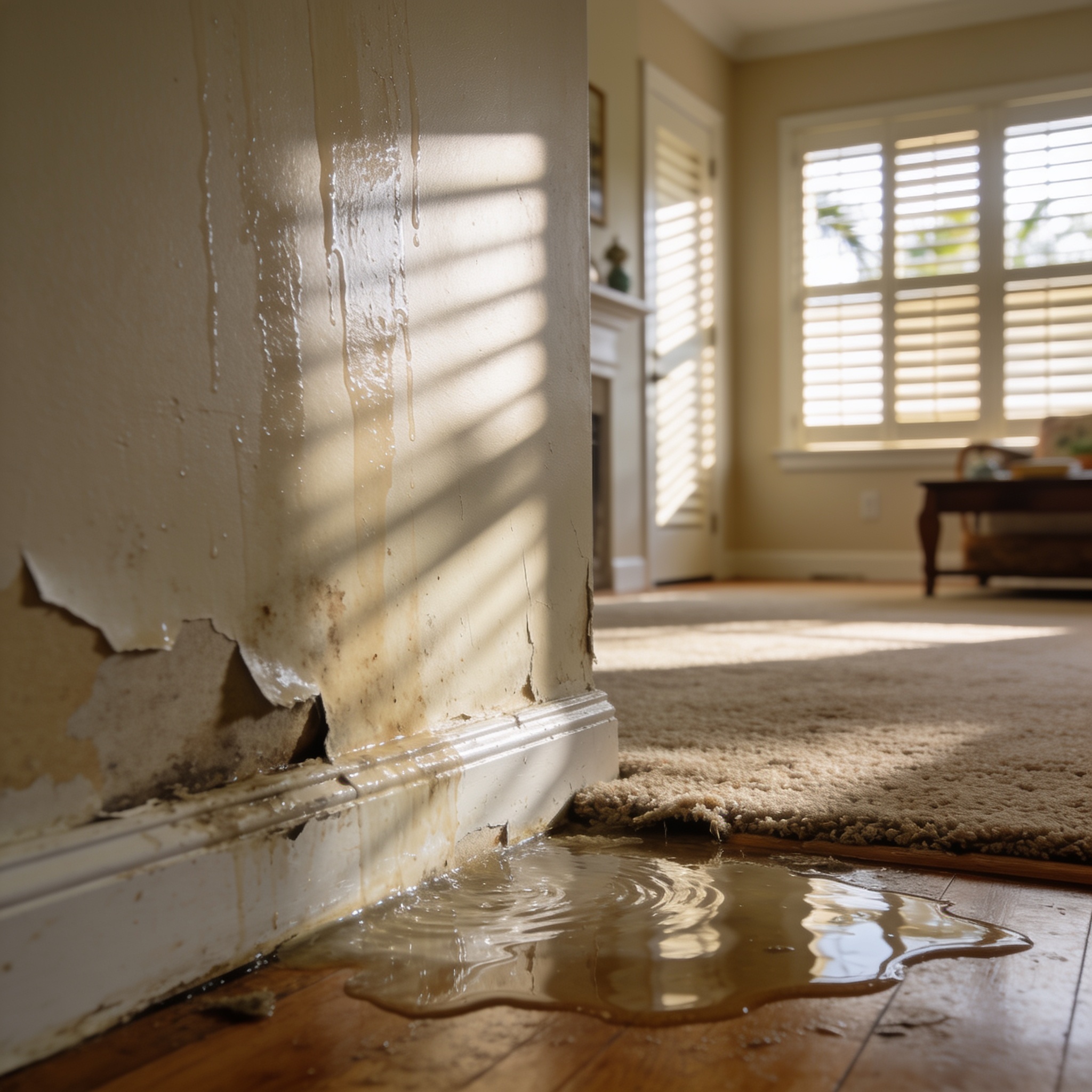
Managing an iicrc category 3 water loss requires immediate professional intervention because the water is classified as grossly contaminated and poses severe health risks if not handled correctly. In Southwest Florida, where storm surges and sewage backups are common, failing to address 3 water damage within 24 to 48 hours can lead to structural decay and hazardous indoor environments. Understanding the water damage categories is vital for homeowners, as the category of water dictates the specific water restoration protocols required to ensure a safe, healthy home. Professionals follow the s500 standard for professional water to ensure all hazardous materials are removed safely.
Key Takeaways
- Category 3 water is considered grossly contaminated and contains pathogenic, toxigenic, or other harmful agents.
- The IICRC S500 standard mandates specific safety protocols, including the use of personal protective equipment (PPE) during restoration.
- Professional water damage restoration is essential because standard household cleaning products cannot neutralize biological pathogens.
- Time is a critical factor, as category 2 is significantly contaminated water can quickly degrade into category 3 water if left unaddressed.
- Homeowners should avoid contact with standing water and prioritize professional assessment to ensure the property is safe to reoccupy.
What Are the IICRC Categories of Water Loss (And How Are They Defined)?
The Institute of Inspection Cleaning and Restoration Certification (IICRC) defines the three categories of water based on the source and level of contamination present at the time of the water intrusion. Understanding these three categories of water is the first step in any Water Damage Restoration project. Furthermore, professionals must identify the classes of water, which describe the evaporation rate and moisture content, to determine the scope of the restoration process.
Category 1: Clean Water
Category 1 water originates from a sanitary source, such as a supply line, and does not pose a substantial risk if contacted or consumed.
Category 2: Grey Water
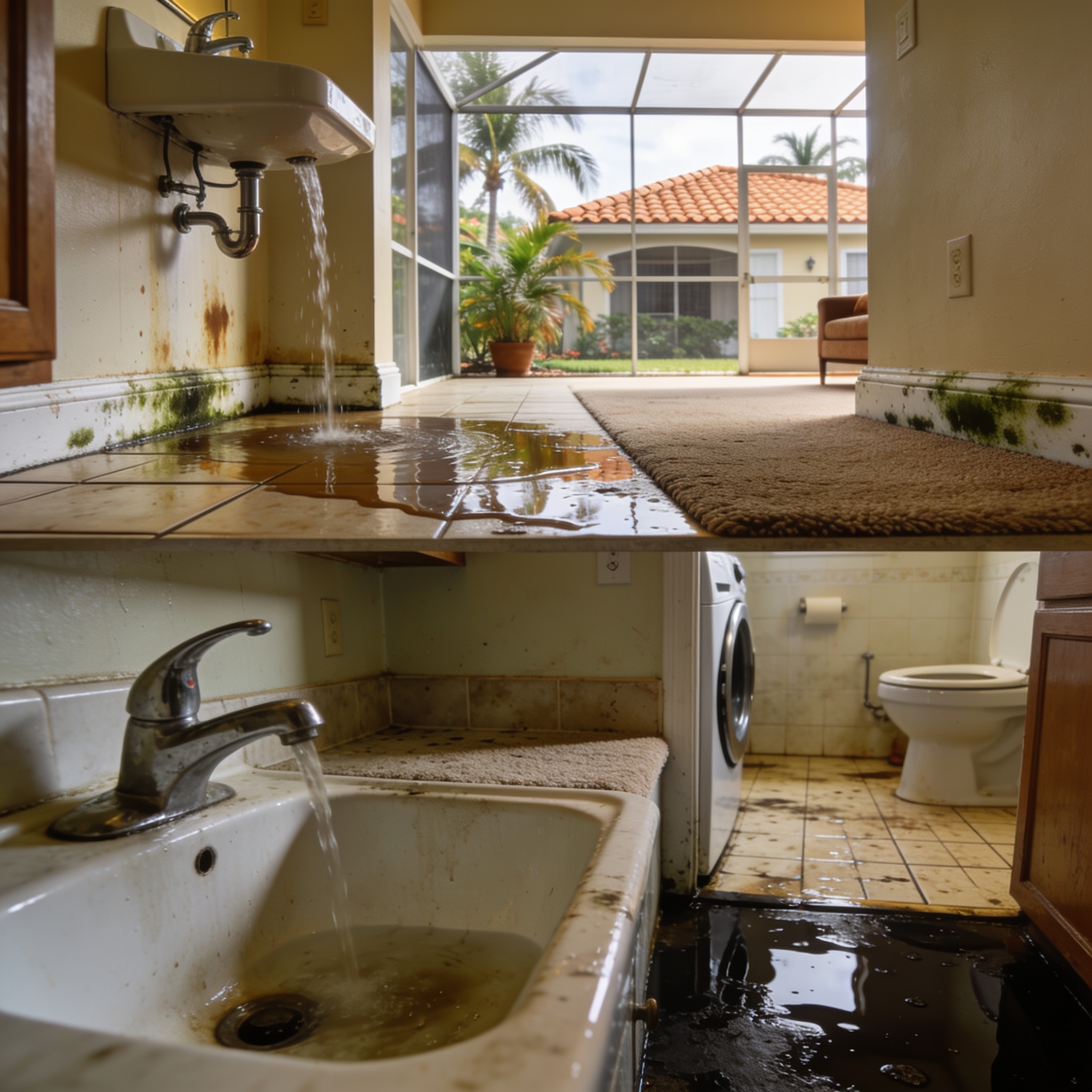
The category 2 is significantly contaminated water that has the potential to cause discomfort or illness if contacted or consumed. This type of water originates from sources like washing machine overflows or dishwasher discharge, often containing urine but no feces. Specifically, category 2 water contains significant contamination that requires professional handling.
Category 3: Black Water
Category 3 water is “black water” that is grossly contaminated and can contain pathogenic, toxigenic, or other harmful agents. This category includes sewage, seawater, or rising water from rivers and streams.
What Is a Category 3 Water Loss and What Makes It So Dangerous?
A category of water damage defined by the presence of hazardous biological or chemical contaminants requires specialized remediation techniques. The primary danger of cat 3 water damage lies in its ability to introduce bacteria, viruses, and parasites into the home environment. Because this water is grossly contaminated and can contain harmful microorganisms or nutrients for microorganisms, it creates a high-risk environment for occupants.
What Are Common Examples of Category 3 Water Damage?
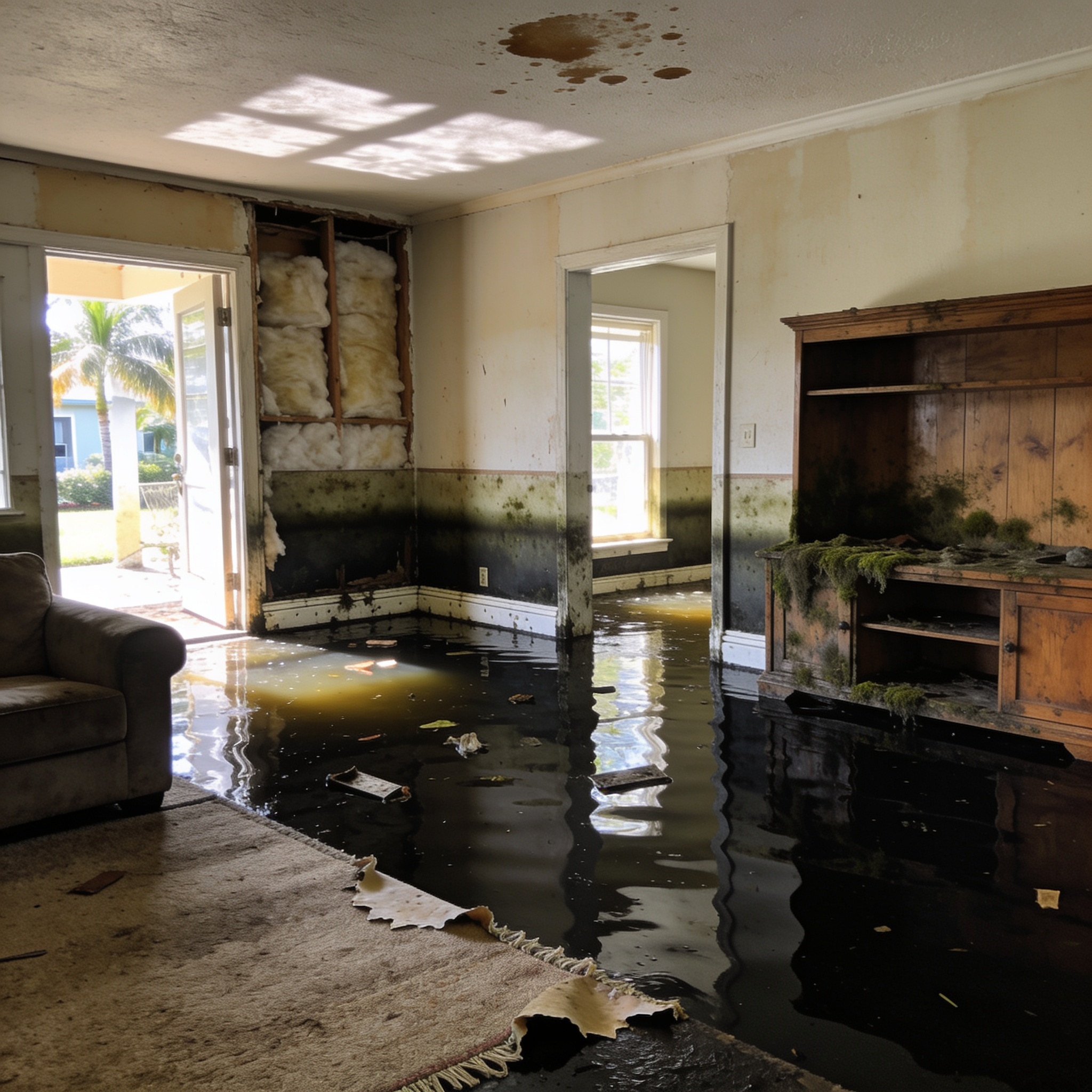
Common examples of category 3 water damage restoration in Southwest Florida often involve external environmental factors or internal infrastructure failures. Residents in Lee and Collier counties frequently encounter these hazards during hurricane season when floodwaters breach residential structures.
| Source Type | Description |
|---|---|
| Sewage Backflow | Water originating from toilet overflows or main sewer line blockages. |
| Storm Surge | Rising water from the Gulf of Mexico or local canals containing debris and waste. |
| Ground Surface Water | Water entering a home via flooding that has contacted soil and organic waste. |
| Standing Water | Water that has remained stagnant for over 48 hours, allowing microbial growth. |
| 2 water contains significant contamination | Water that has sat long enough to become a higher category of hazard. |
How Quickly Can Category 2 Water Become Category 3?
Category 2 water can transition into category 2 or 3 water in as little as 48 hours due to the rapid proliferation of microorganisms. Microbial growth is accelerated by the high humidity levels typical of the Florida climate, which provide the perfect environment for bacteria to multiply. If you have a category 2 event, such as a dishwasher leak, failing to dry the area immediately allows the water to stagnate. Once the water begins to ferment or interact with organic matter, it becomes grossly contaminated. You must treat any water that has sat for more than two days as a potential category 3 hazard.
What Are the Health and Safety Risks Associated with Category 3 Water Damage?
The health and safety risks associated with category 3 water damage are significant due to the high contamination level of the affected area. Exposure to contaminated water can lead to severe gastrointestinal distress, skin infections, and respiratory issues if airborne particles are inhaled. Professional water damage restoration teams use strict containment procedures to prevent these hazards from spreading to unaffected areas of the home. Never attempt to handle items soaked in sewage without proper training and gear. The risk of secondary contamination is too high for the average homeowner.
What Should You Do Immediately If You Have Category 3 Water Damage?
The most important step when dealing with category 3 water is to prioritize personal safety and limit access to the affected area. You should immediately vacate the premises and contact a certified professional to conduct a water damage assessment. Do not attempt to walk through the water or salvage items yourself, as you may track contaminants into clean areas of your home. If you are searching for Water Damage Restoration, ensure the company is IICRC-certified to handle hazardous materials. Shut off the emergency water supply if it is safe to do so to prevent further flooding.
Can You Clean Up Category 3 Water Damage Yourself, or Do You Need a Professional?
You cannot effectively clean up category 3 water damage yourself because standard household disinfectants are insufficient for the level of contamination present. Professional water damage restoration services are required to properly remediate the environment and ensure the property is safe for occupancy. Restoration professionals utilize industrial-grade equipment, such as HEPA-filtered air scrubbers and specialized antimicrobial agents, to neutralize pathogens. Attempting to manage this on your own often leads to incomplete drying and future mold growth. Professional intervention is the only way to meet best practices and safety standards.
What Is the Professional Cleanup Process for Category 3 Water Damage?
The professional cleanup process for category 3 water damage follows a rigorous sequence of containment, removal, and decontamination. Restoration technicians start by establishing a containment barrier to prevent the spread of contaminants to unaffected rooms.
- Assessment: Professionals use moisture meters to map the extent of the water intrusion.
- Extraction: All standing water is pumped out using high-capacity industrial vacuums.
- Demolition: Porous materials like carpet, padding, and baseboards are removed and disposed of as biohazardous waste.
- Decontamination: The remaining structure is treated with EPA-registered disinfectants.
- Drying: Industrial dehumidifiers and air movers are used to dry the structure to specific IICRC standards.
What Is the IICRC S500 Standard and How Does It Guide Category 3 Restoration?
The IICRC standards for standard for professional water damage restoration provide the industry-accepted guidelines for the safe and effective mitigation of water losses. Adherence to the S500 standard ensures that every restoration project is handled with consistent, science-based protocols that protect both the property and the occupants. This standard dictates how professionals must categorize the water, how they must dry the structure, and what safety measures must be taken. By following these IICRC guidelines, including the iicrc s500 category 3 water protocols, restoration experts can verify that the environment has been returned to a safe, pre-loss condition. When looking for Water Damage Restoration always verify that the firm operates under these guidelines. Furthermore, if mold is discovered during the process, they should also follow the s520 standard for professional mold remediation, which is the industry-recognized standard for professional mold remediation.
Does Homeowners’ Insurance Cover Category 3 Water Damage?
Homeowners’ insurance coverage for category 3 water damage depends heavily on the source of the water and the specific language in your policy. Most standard policies cover sudden and accidental water damage, such as a sewage backup, but may exclude damage caused by rising floodwaters. You should review your policy carefully or contact your insurance agent to understand your coverage limits. In Florida, many homeowners carry separate flood insurance through the National Flood Insurance Program (NFIP) to cover damage from storm surges. Always document the damage with photos and videos before the cleanup begins to support your insurance claim.
Frequently asked questions
These questions address common concerns regarding the management and safety of category 3 water losses in residential properties.
Is it safe to stay in my home during category 3 water cleanup?
It is generally not safe to remain in the home during the initial cleanup phase due to the presence of airborne pathogens and the use of industrial chemicals. Your restoration professional will advise you on when it is safe to return based on air quality testing.
How long does it take to dry a class 3 water loss?
The drying time varies based on the four classes of water loss and the extent of the saturation, but it typically takes three to five days with industrial dehumidification. Professionals monitor the drying process daily to ensure moisture levels return to normal for a class 3 water loss. We also assess if the area requires class 2 equipment, which is used for slower evaporation rates.
Can my carpet be saved after category 3 water damage?
In almost all cases of category 3 water damage, carpet and padding must be discarded because they are porous and cannot be effectively disinfected. Attempting to clean and reuse them poses a significant health risk to occupants.
What is the difference between category 3 water and mold remediation?
Category 3 water damage refers to the initial contamination event, while mold remediation is the process of removing fungal growth that occurs after the water has sat for an extended period. Both processes often overlap in a restoration project.
Our editorial team verifies licensing and reviews for every restoration company in the directory and writes practical, Florida-specific guides to help homeowners act fast and protect their insurance claims after water, fire, mold or storm damage.