How to Get Rid of Candle Soot on Walls Effectively
You can remove candle soot on walls effectively by using a dry chemical soot sponge for a cost typically ranging from $10 to $30 in materials, provided you avoid using water during the initial phase to prevent staining. Removing soot from walls requires a methodical approach to prevent the oily particles from smearing into your paint or drywall. In the humid climate of Southwest Florida, where moisture levels are already high, improper cleaning can lead to secondary issues often addressed by professional Water Damage Restoration in Lehigh Acres services. Understanding how to clean candle soot buildup is essential for maintaining a pristine home environment.
Key Takeaways
- Always start with a dry cleaning method to avoid smearing oily soot particles into porous wall surfaces.
- Use a specialized dry chemical soot sponge before introducing any liquid cleaning agents.
- Trim the candle wicks to 1/4 inch before every burn to significantly reduce the amount of soot produced.
- Proper ventilation and avoiding drafts are essential to keep your home soot-free in Lee and Collier counties.
- Consult professional restoration experts if soot coverage is extensive or if you suspect structural smoke damage.
What causes candle soot on walls?
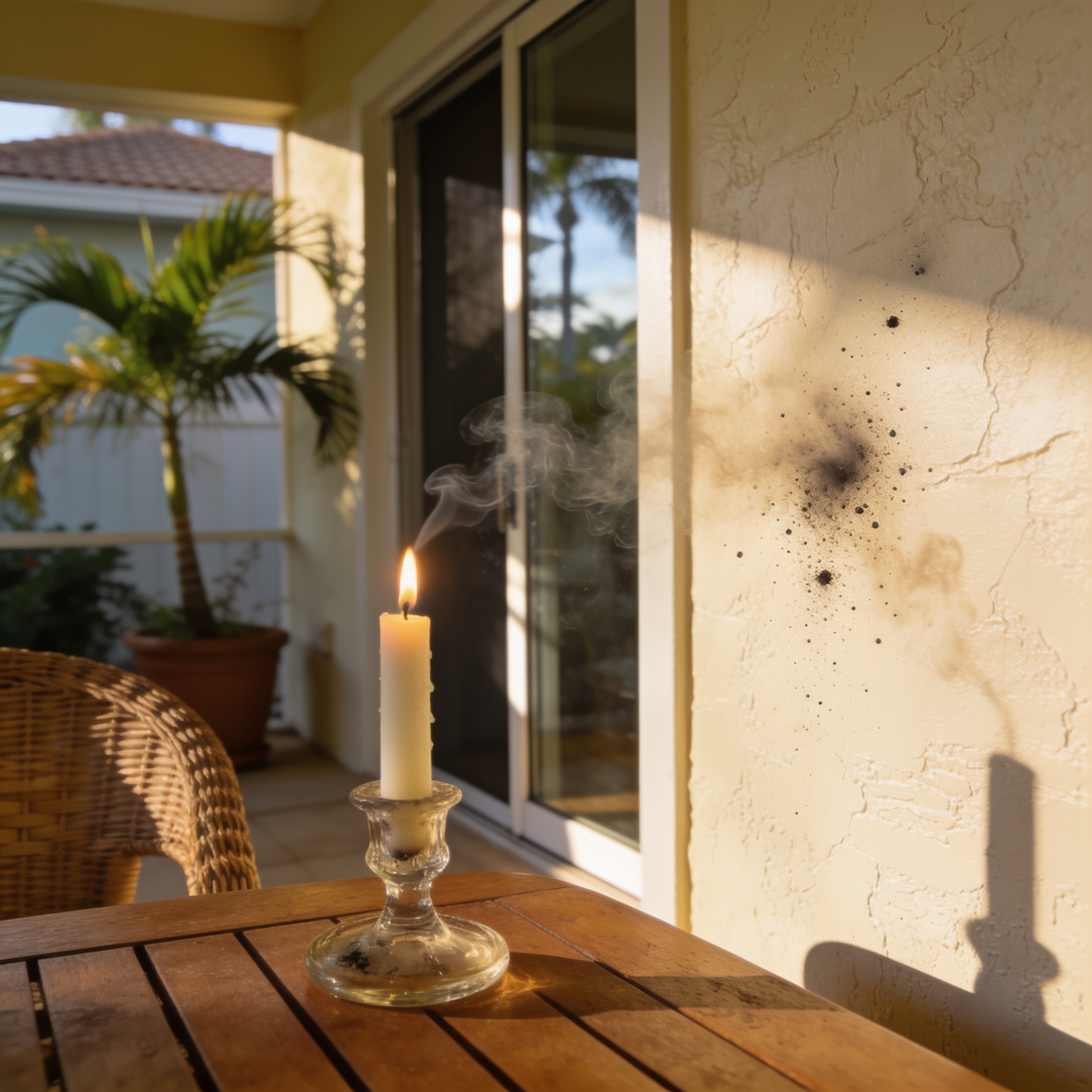
The primary factor that causes candle soot on walls is incomplete combustion of the wax and fragrance oils, which releases carbon particles into the air. When lighting a candle, a candle flame that flickers due to drafts or an improperly trimmed wick releases more black soot than it can burn, allowing these particles to settle on nearby surfaces. Factors like burning candles in drafty areas or using low-quality wax contribute to soot production. If you choose a high-quality candles made with clean-burning wax, you are less likely to produce more soot. In the high-humidity environments of Charlotte and Lee counties, these oily particles often adhere more aggressively to walls and ceilings. If your home has recently undergone Water Damage Restoration you may find that existing soot stains become more noticeable as moisture levels fluctuate.
Is candle soot harmful or dangerous to your health?
Inhaling smoke and soot particles can be hazardous to your respiratory health, as the EPA classifies fine particulate matter as a significant indoor air pollutant. These microscopic particles can penetrate deep into the lungs, potentially causing irritation or exacerbating existing conditions like asthma. While occasional exposure from a single candle is generally low-risk, chronic buildup on walls and ceilings represents a persistent source of indoor air quality degradation. If you are concerned about long-term air quality in your home, consult a professional Water Damage Restoration that also specializes in indoor air quality assessments.
Tools and materials to clean candle soot
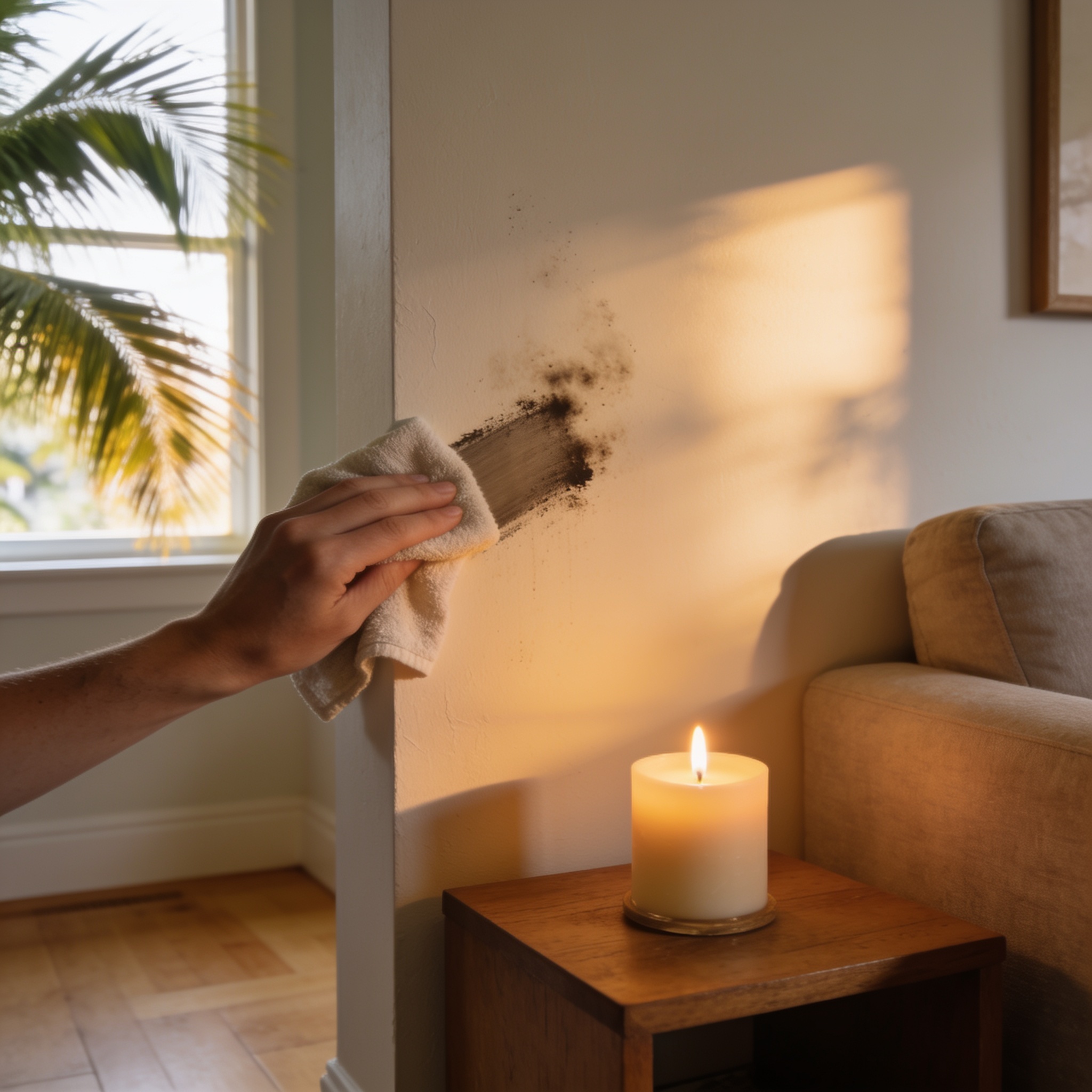
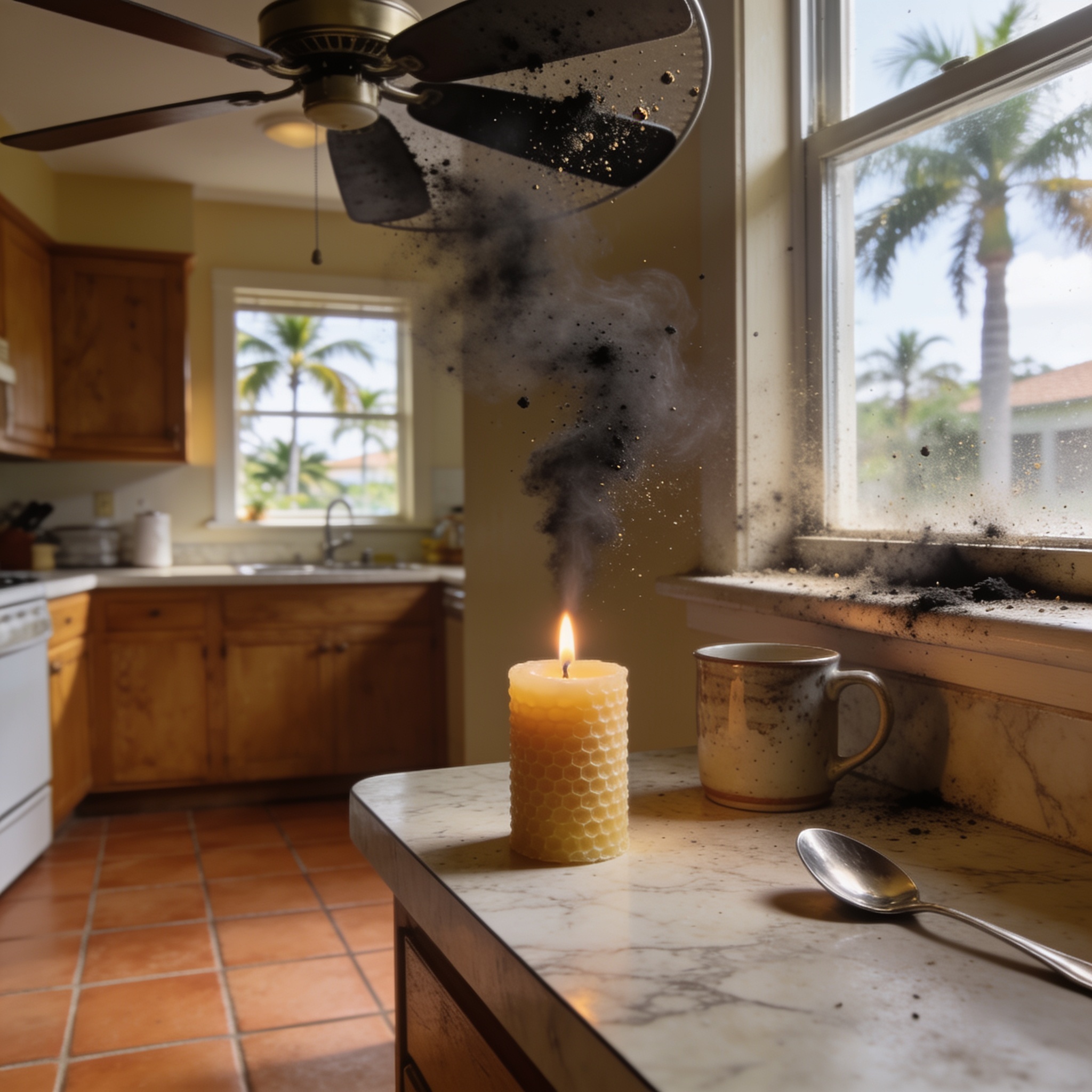
Gathering the correct supplies is the most important step to ensure you clean soot off walls without damaging your wall finish. You will need a dry chemical sponge, a vacuum with a HEPA filter, a mild detergent, white vinegar, and clean microfiber cloths. Using a chemical sponge is the most effective way to lift loose particles. To remove deeper stains, you can use a magic eraser, but test it on an inconspicuous area first to ensure it doesn’t damage the paint finish. For tougher stains, a solution of mild dish soap or vinegar can be used, though it requires caution. Always use a clean cloth to remove residue after scrubbing. Avoid using abrasive scrubbers that can strip the paint or leave permanent marks on your wall texture.
Methods to remove soot from walls
The 5 steps to effectively remove soot from your walls are outlined below to ensure a clean result. Follow these steps sequentially to avoid permanent staining or smearing the soot.
- Step 1: Dry Vacuuming. Use a vacuum with a soft brush attachment to gently remove loose soot particles from the wall surface without touching the wall directly.
- Step 2: Dry Sponging. Take a soot sponge and wipe the wall in long, overlapping strokes, starting from the top and working your way down to prevent cross-contamination.
- Step 3: Initial Cleaning Solution. Mix a mild solution of warm water and a few drops of dish soap or white vinegar in a bucket.
- Step 4: Gentle Wiping. Dip a clean microfiber cloth into the solution, wring it out well, and use a damp cloth with mild soap to gently wipe the affected area to remove any remaining oily residue without leaving streaks.
- Step 5: Final Rinse and Dry. Wipe the wall once more with a cloth with mild dish soap or plain water to remove soap residue, then immediately pat the area dry with a fresh towel.
Cleaning tips for candle jars and maintenance
Proper maintenance of your candle jars helps prevent excessive smoke. Always trim the wick to 1/4 inch before lighting. If you notice a dark smudge forming on the glass, use an eraser or a damp cloth with mild soap to wipe it away before the next use. Using rubbing alcohol on a cotton ball is an excellent way to clean the inside of candle jars. These simple cleaning tips ensure your candles burn efficiently and help prevent soot and prevent future buildup.
Odor removal services and professional help
Professional intervention is necessary if the soot damage covers a large surface area or if the smoke has permeated your HVAC system. Hiring professional odor removal services is recommended when soot has reached your ventilation ducts or furniture, as specialized equipment is required for deep cleaning. These professionals use industrial-grade vacuums and chemical cleaners that are far more effective than household supplies at neutralizing odors and removing stubborn particulate matter that has become harder to remove over time. If the wall surface is permanently discolored, you may need to repaint the area after a thorough cleaning.
How to prevent candle soot
You can prevent candle soot by consistently maintaining your candles and managing the airflow in your home. Trimming the wick before every single use is the most effective way to prevent candle soot from accumulating on your walls and ceilings. Additionally, keep your candles away from open windows, ceiling fans, and high-traffic areas where air currents can cause the flame to flicker. Choosing cleaner-burning candles, such as those made from soy or beeswax, will also help. Proper placement helps prevent the oily residue from traveling, which helps prevent long-term damage to your paint.
Frequently asked questions
Can I use vinegar to clean soot?
Yes, white vinegar is an effective, natural cleaner that helps cut through the oily film left behind by candle smoke.
Why does my candle produce black smoke?
Black smoke usually indicates that the wick is too long or the candle is of lower quality, leading to inefficient combustion.
Does humidity affect soot cleaning?
High humidity can make soot particles “stickier,” which is why dry cleaning methods are critical in Florida climates.
How often should I clean my walls?
If you burn candles regularly, a light dusting or cleaning of high-risk areas every few months will prevent long-term buildup.
Are soy candles better for preventing soot?
Soy candles generally burn cleaner than paraffin wax candles, producing significantly less soot and smoke.
| Cleaning Method | Best For | Risk Level |
|---|---|---|
| Dry Soot Sponge | Loose particles | Low |
| Detergent Solution | Oily residue | Medium |
| Use a magic eraser | Stubborn wall marks | Medium |
| Clean candle jar | Glass maintenance | Low |
Our editorial team verifies licensing and reviews for every restoration company in the directory and writes practical, Florida-specific guides to help homeowners act fast and protect their insurance claims after water, fire, mold or storm damage.