How to Find a Leak on a Roof: Easy Steps for Homeowners
The most effective way to find a leak on a roof is to perform a systematic inspection starting from the attic, which typically costs between $150 and $450 for a professional assessment if you cannot locate the source yourself. Homeowners in Southwest Florida must prioritize these inspections, especially after hurricane season, to prevent significant water damage to their property. This essential home improvement task helps you stop roof leaks before they cause structural failure or structural damage. If you find yourself in a situation where you can’t find the source of the moisture, it is time to call a professional to help you find and fix your roof.
Key Takeaways
- Roof leaks often originate far from the visible water stain due to the slope of the roof deck.
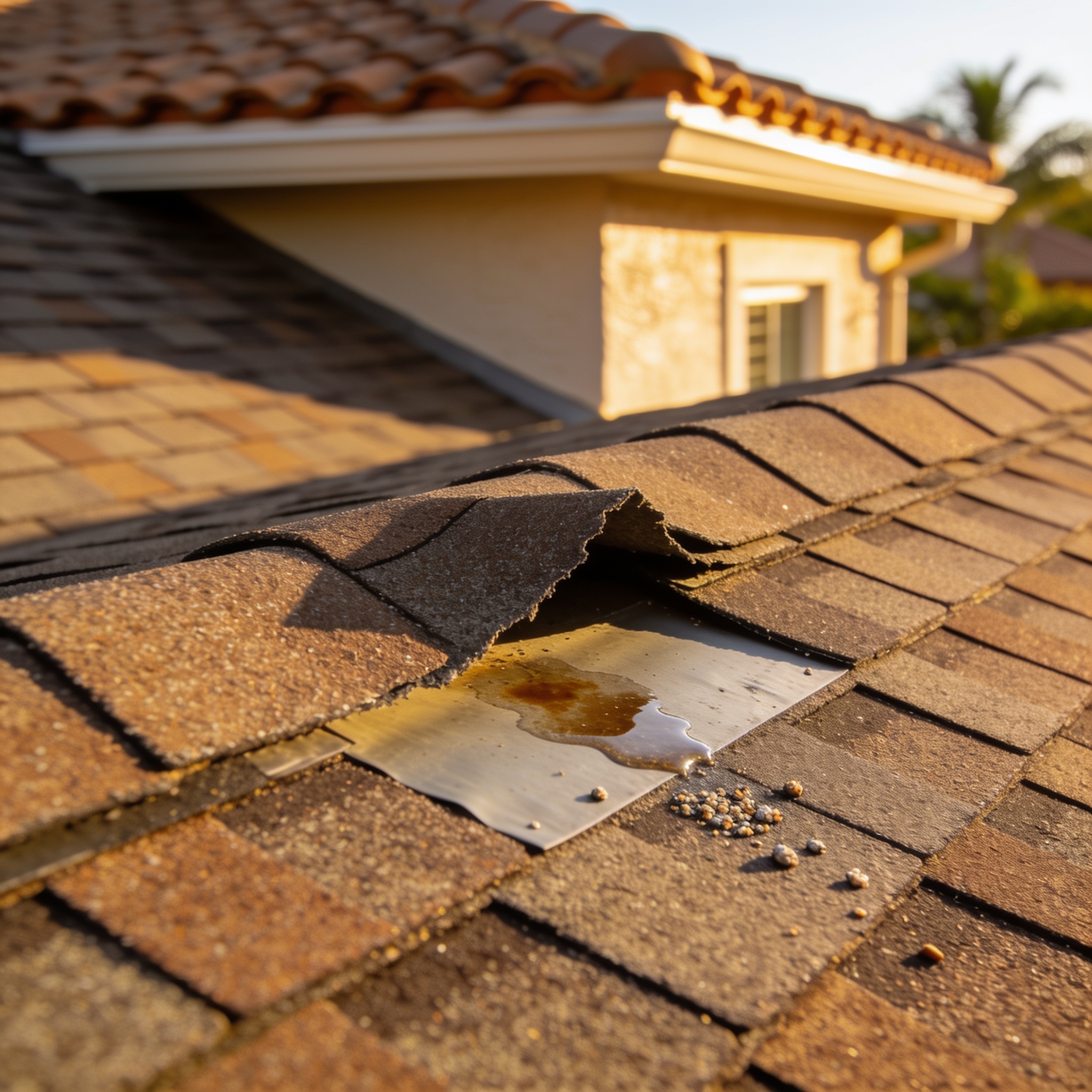
- Common culprits in Lee, Collier, and Charlotte counties include damaged shingles, corroded flashing, and clogged roof vents.
- Conducting a visual inspection during daylight hours with a high-powered flashlight is the first step to identify potential entry points.
- Water testing with a garden hose is a reliable method to confirm the exact location of a breach.
- Ignoring minor drips can lead to structural rot and mold growth, necessitating a professional water restoration company for remediation.
What Are the Signs of a Leaky Roof Inside and Outside the House?
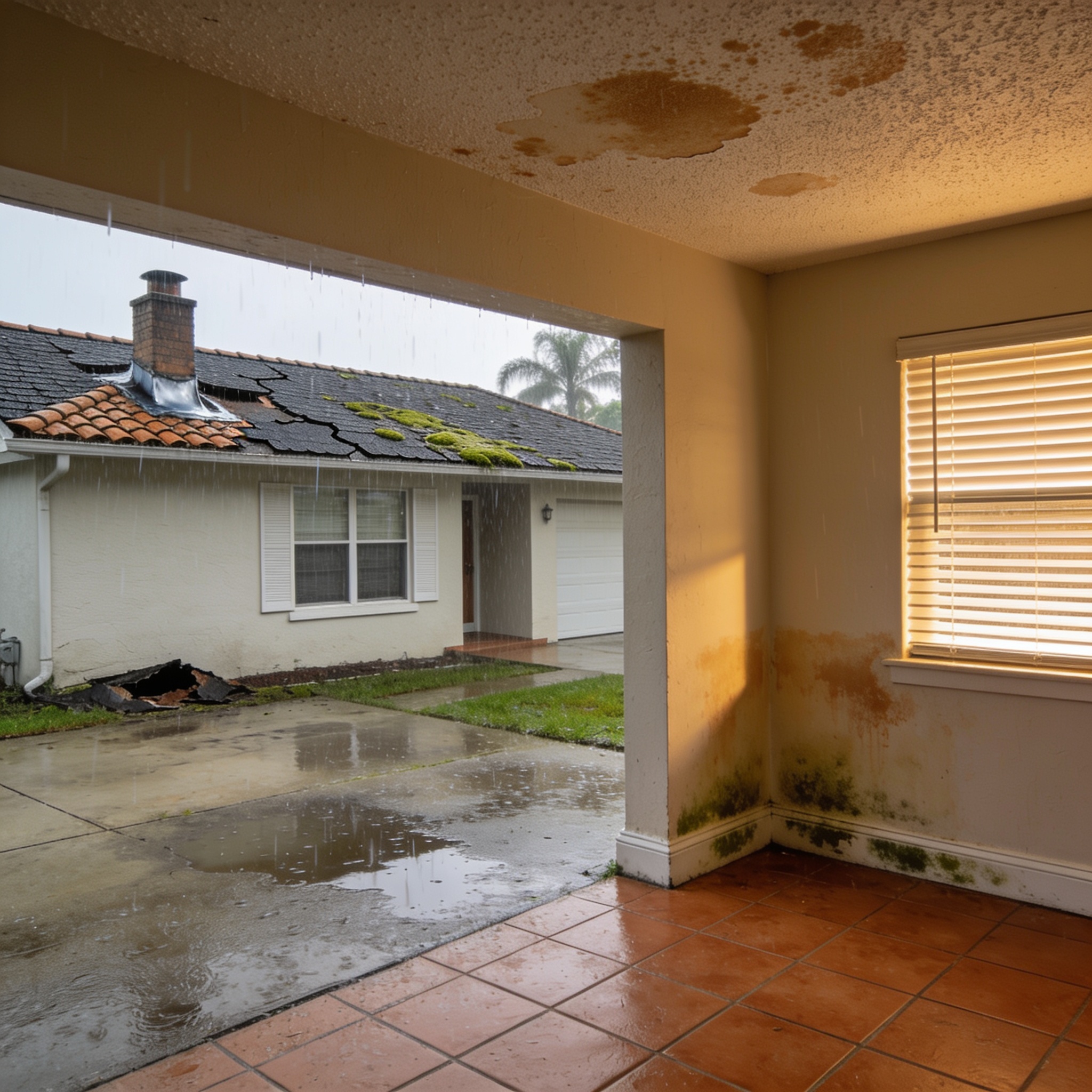
Common signs of a roof leak include discolored patches on the ceiling or walls, while exterior indicators involve missing or curled shingles and damaged flashing. In high-humidity climates like Florida, these signs of water damage can escalate quickly and cause mold if not addressed immediately. You must learn how to find the source of moisture early to prevent it from spreading.
Interior and Exterior Indicators
- Dark, circular water stains on the ceiling or attic floor.
- Buckling, curling, or missing shingles on the roof surface.
- Presence of damp insulation or sagging drywall in the attic space.
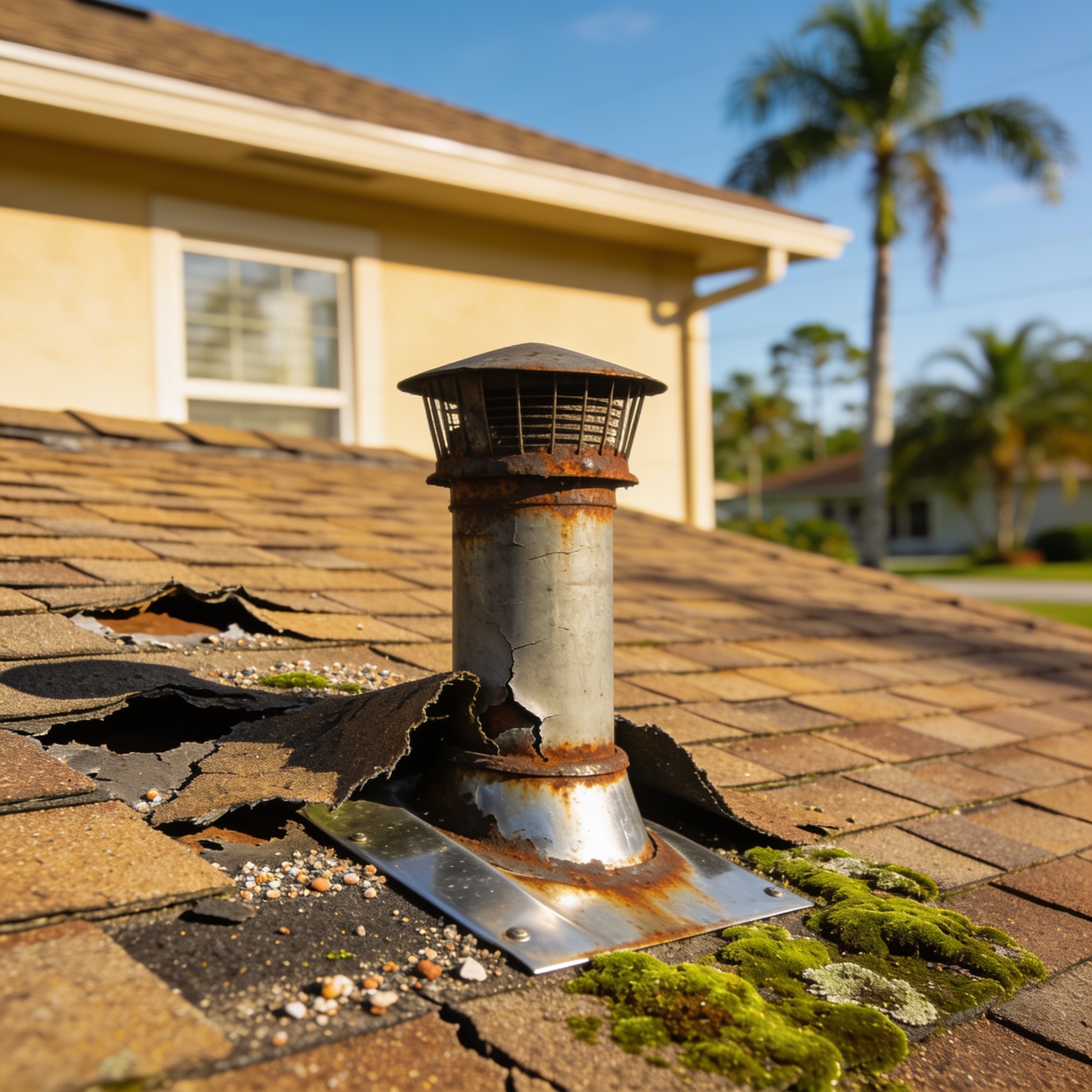
- Rust or corrosion around chimney flashing or roof vents.
- Accumulation of debris in gutters causing water to back up under the roofline.
- Visible exposed nails that may cause damage by allowing water to penetrate the decking.
What Causes a Roof to Start Leaking?
Common causes of roof leaks include severe storm damage, high winds, and the natural degradation of materials under the intense Florida sun. Over time, the constant expansion and contraction of roofing materials can cause nails to back out, creating small gaps where rainwater can seep into the structure. Your roof might also develop issues if it was improperly installed or if the underlayment begins to deteriorate.
What Is the Most Common Location to Find a Roof Leak?
The most common location to find a roof leak is around roof penetrations, such as chimneys, vent pipes, and skylights. These areas require precise flashing to remain watertight, and poor installation is a frequent point of failure during heavy tropical rain events. When you check your roof, pay close attention to these high-risk zones, as there is often a leak somewhere in the flashing seals.
Can a Roof Leak Be Far From the Water Stain on the Ceiling?
A roof leak can often be located several feet away from the visible water stain because water travels along rafters and roof sheathing before dripping down. Gravity pulls the water down the slope of the roof deck, meaning the entry point is almost always higher up on the roof than the interior damage suggests. You need to sheathe the area properly if you find evidence of rot during your inspection.
How Long Can a Roof Leak Go Unnoticed or Unaddressed?
Roof leaks can go unnoticed for months, especially in homes without an attic, until the water finally saturates the ceiling material and causes visible damage. This delay is dangerous because moisture trapped in the roof decking can lead to wood rot and mold, which may require a professional water damage restoration service to remediate. It is vital to find and fix the leak before it has the chance to cause damage to your home’s framing.
How to Detect Roof Leaks Yourself
To detect roof leaks yourself, you must follow a structured process that prioritizes safety and thoroughness. Follow these steps to find leaks and fix your roof:
- Perform an attic inspection: Use your flashlight to look for wet spots, mold, or dark streaks on the underside of the roof decking while it is raining or shortly after.
- Check roof penetrations: Inspect the flashing around chimneys, vents, and pipes for signs of rust or gaps where sealant may have cracked.
- Examine the roof surface: Look for any damaged or missing shingles that could allow water to seep into the plywood sheathing underneath.
- Inspect the gutters: Ensure that your gutters are free of debris, as clogged gutters can cause water to back up and seep under the roof edge.
- Trace the path: Follow the path of the water from the interior stain upward toward the highest point of the roof to locate the likely entry point.
How Do You Test Your Roof With Water to Find a Leak?
You can test your roof with a garden hose by starting at the lowest point of the suspected area and working your way up one section at a time. Have a partner inside the attic to watch for the first sign of a drip, which helps you pinpoint the exact source of the leak without flooding the entire roof. If you suspect your roof might be leaking, this controlled test is the most reliable way to confirm the entry point.
When Should You Call a Professional Roofer — and How Do They Find a Hidden Leak?
You should call a professional roofer if the leak is in a hard-to-reach area or if you cannot safely navigate the slope of your roof. Professionals often use advanced tools like infrared cameras to detect a hidden roof leak trapped behind walls or under shingles, ensuring that they address the root cause of the water damage. They can effectively locate a leak and manage the entire repair process to ensure your home remains dry. When you finally climb onto the roof to perform repairs, ensure you have the proper safety gear.
What Is the Average Cost of a Roof Leak Repair?
The average cost of a roof leak repair typically ranges from $300 to $1,500, depending on the severity of the damage and the materials required. If the leak has caused extensive interior issues, you may need to contact a Water Damage Restoration expert to handle the cleanup. Use a ladder to reach the roof and measure the damaged area to get an accurate quote from a contractor. Once you have identified the source, you will need to repair the leak immediately to prevent further interior damage.
| Repair Type | Estimated Cost Range |
|---|---|
| Minor Shingle Replacement | $150 – $400 |
| Flashing Repair | $300 – $700 |
| Vent Boot Replacement | $200 – $500 |
| Extensive Decking/Structural Repair | $1,000+ |
| Professional Leak Detection | $200 – $500 |
| General Labor to fix a roof leak | $250 – $600 |
Frequently asked questions
Understanding the nuances of roof maintenance is essential for protecting your home investment in Florida.
Does homeowners insurance cover roof leaks?
Homeowners insurance typically covers roof leaks caused by sudden, accidental damage like a hurricane, but it rarely covers leaks caused by lack of maintenance or normal wear and tear.
How do I know if my roof leak is an emergency?
A roof leak is considered an emergency if it is causing active, heavy water intrusion that threatens electrical systems or structural integrity.
Can I patch a roof leak from the inside?
Patching a roof leak from the inside is only a temporary fix and will not prevent further water damage to the exterior roofing materials. You must fix your roof leak from the exterior to stop the water permanently.
How often should I inspect my roof for leaks?
You should inspect your roof for leaks at least twice a year, specifically before and after the peak of the Florida hurricane season.
What is the best material for roof flashing in Florida?
Copper or high-quality aluminum flashing is generally recommended for Florida homes due to its superior resistance to corrosion in our salt-heavy, humid environment.
If you find significant Water Damage Restoration, do not hesitate to reach out to a professional Water Damage Restoration to prevent further complications. Knowing where the leak is coming from is the first step toward a dry home.
Our editorial team verifies licensing and reviews for every restoration company in the directory and writes practical, Florida-specific guides to help homeowners act fast and protect their insurance claims after water, fire, mold or storm damage.