How to Clean Sewage Backup in Basement Safely and Effectively
Professional sewage cleanup for a standard basement typically costs between $3,000 and $7,000 depending on the square footage affected and the level of contamination. Learning how to clean sewage backup in basement environments requires strict adherence to safety protocols to prevent exposure to hazardous pathogens found in raw wastewater. Whether you are a home or business owner, cleaning up sewage requires a methodical approach to protect your health.
Key Takeaways
- Sewage contains harmful bacteria and viruses that require immediate professional remediation.
- Never attempt to clean a large-scale spill without proper personal protective equipment.
- Insurance coverage for sewer backups is often a separate endorsement not included in standard policies.
- Time is critical, as mold growth can begin within 24 to 48 hours of water intrusion.
- Preventing future issues often involves installing backflow prevention valves and maintaining sump pumps.
What Causes Water in Basement and Wastewater Issues?
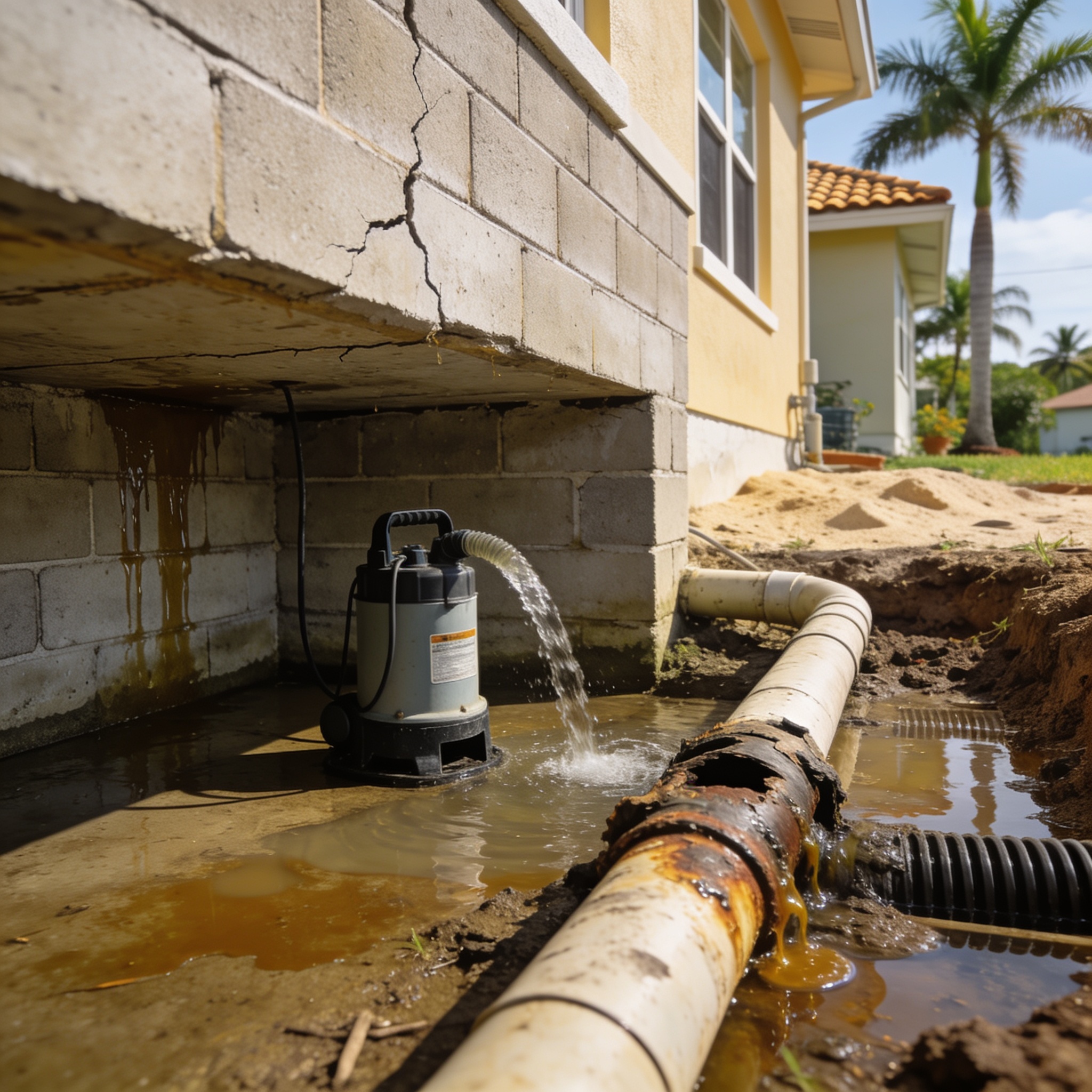
Blockages in the sanitary sewer system or heavy rainfall overwhelming the municipal system are primary causes of a sewer backup. During hurricane season, high water tables and flood waters can force wastewater back through the building’s service connection. Older homes may have outdated plumbing that is more susceptible to these events. If you notice water in basement areas, first determine if it is a wastewater problem or rather a stormwater drainage problem often referred to as exterior runoff.
Common Culprits
- Tree roots infiltrating the sewer pipe.
- Grease, wipes, and debris buildup in the main line.
- Structural collapses in aging municipal sewer infrastructure.
- Check your gutters to ensure downspouts are not contributing to exterior pooling.
Is a Sewer Backup a Biohazard — and Is It Safe to Stay in Your Home?
Raw sewage is classified as Category 3 water by the IICRC, meaning it is highly contaminated and poses a severe health hazard to all occupants. You should vacate the premises immediately if the spill is extensive or if there is standing water in your basement that could compromise electrical systems. Depending on the severity of the intrusion, you must ensure the area is fully cleaned and dried to prevent mold growth. To manage odors and improve air quality, open windows to help air circulate once the initial cleanup phase is complete.
What Are the Health Risks Associated With the Affected Area?
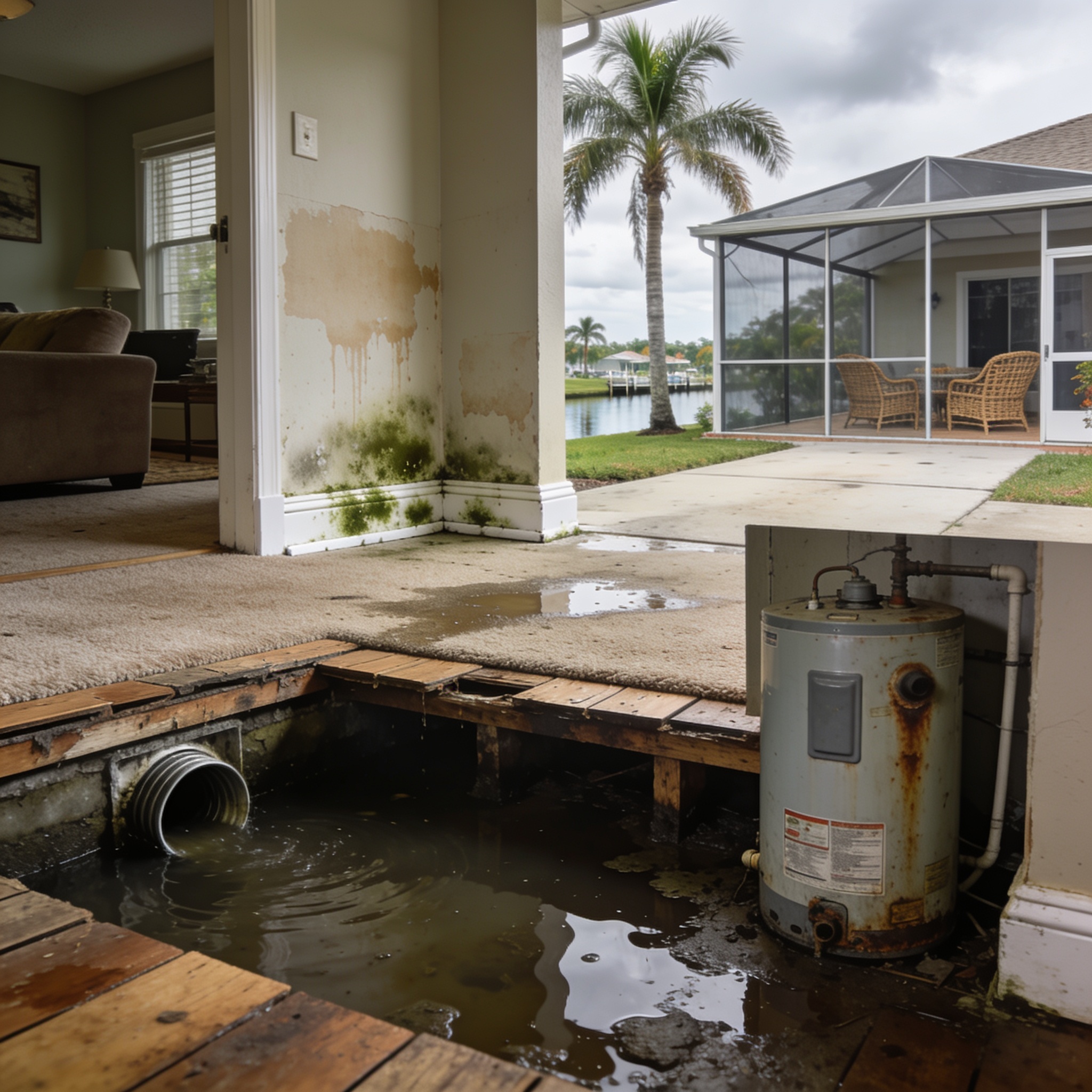
Exposure to wastewater can lead to serious health complications, including gastroenteritis, E. coli infections, and skin rashes caused by contact with pathogens. These contaminants can become airborne as the area dries, making it vital to avoid contact with the affected area. Always wash hands thoroughly after being near the spill. Never touch or move debris unless it is inspected by a professional, as hidden hazards may exist. If you encounter sewage contamination, ensure you wear a respirator to protect your lungs while working in interior spaces.
What Are the Immediate Steps to Take When You Discover Standing Water?
You must prioritize safety by shutting off the main electricity to the basement and contact your local utility company to report the issue. Do not attempt to walk through the standing water, as it may hide sharp debris or live electrical wires. If you need to use a sewer to drain your basement, ensure the system is not compromised. If you have a floor drain, check that it is clear, and remember to cover sewage drains with heavy plastic or rubber mats to prevent further backup until everything is dry.
Can You Clean and Disinfect Yourself, or Should You Call a Professional?
Professional restoration companies are required for most basement sewage incidents because they possess the industrial-grade equipment needed to safely clean and disinfect porous materials. While you might manage a very small spill, large-scale water damage restoration typically requires specialized air scrubbers and moisture monitoring tools. If you are searching for Water Damage Restoration in Bonita Springs, ensure the contractor is IICRC certified to handle biohazardous materials. Always use a professional-grade disinfectant to ensure all pathogens are neutralized.
How to Take the Following Precautions and Properly Disinfect
The 5-Step Safety Guide to sanitizing your basement involves removal, cleaning, disinfecting, drying, and final verification. Follow these steps to manage the process:
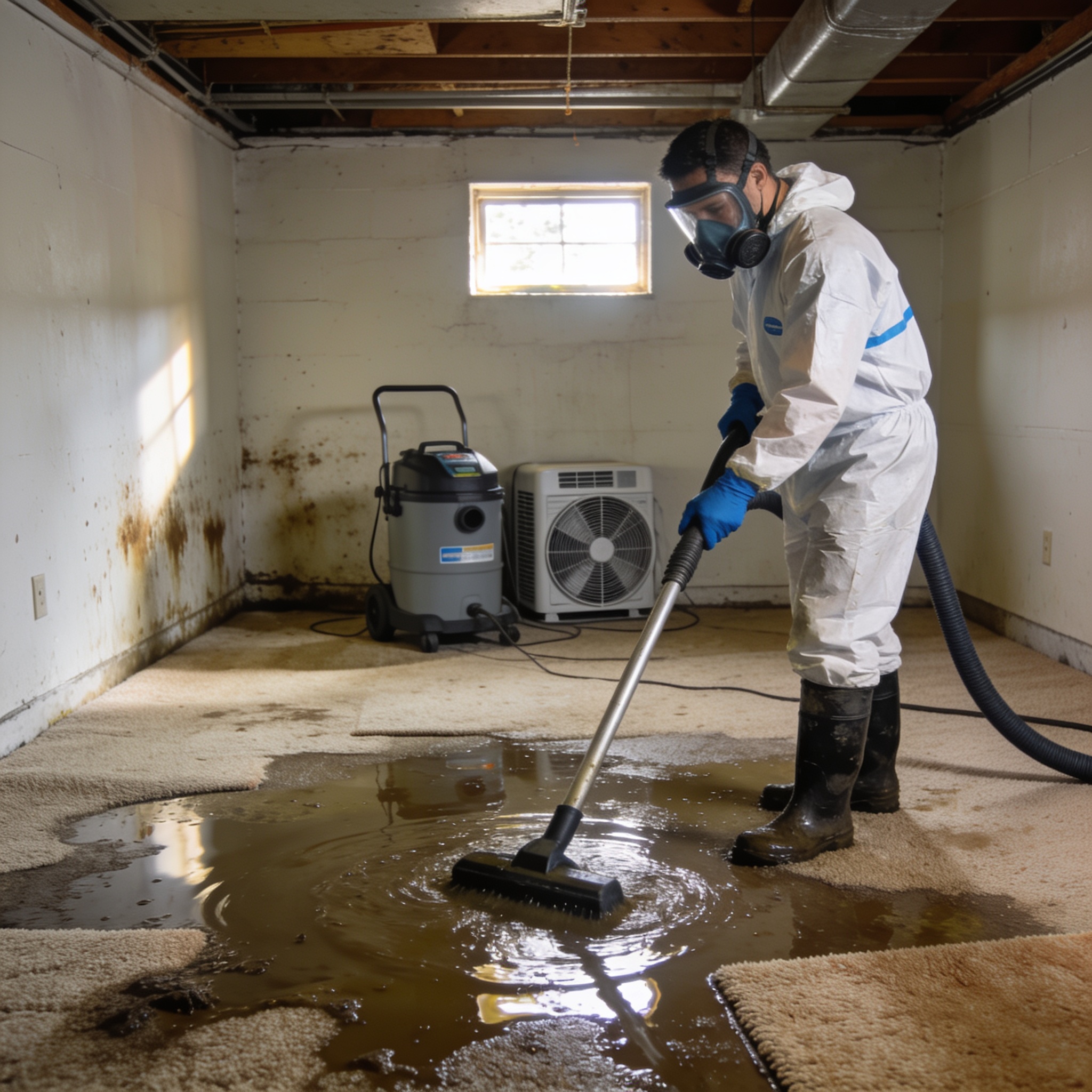
- Removal: Use a sump pump or wet-dry vacuum to remove standing water, ensuring you wear protective gear including goggles and gloves.
- Dispose: Dispose of all porous items like carpet, padding, and drywall that have come into contact with sewage, as these cannot be fully sanitized.
- Cleaning: Use professional cleaning solutions to scrub hard surfaces. Always read and follow manufacturer labels on all chemicals.
- Disinfect: Mix a bleach solution (1 cup of bleach per gallon of water) to sanitize non-porous surfaces. Never send down a drain any chemicals that might react with existing sewage.
- Drying: Use industrial fans and a dehumidifier to properly dry the space. Open windows to help air flow and accelerate the drying process.
How Much Does It Typically Cost to Dispose of Contaminated Materials?
Costs for professional sewage cleanup in Southwest Florida generally range from $3,000 to $7,000, though major flooding events can drive prices higher. The final bill depends on the volume of wastewater, the materials lost, and the labor required for structural drying. Many homeowners find that professional Water Damage Restoration is more cost-effective than attempting a DIY cleanup that may lead to future mold remediation costs.
| Service Category | Estimated Cost Range | Maintenance Requirement |
|---|---|---|
| Minor Cleanup | $1,500 – $3,000 | Backflow valve inspected and maintained at least annually |
| Moderate Contamination | $3,000 – $7,000 | System maintained at least semi-annually |
| Major Structural Damage | $7,000+ | Check if the valve is a flapper or ball |
Will Homeowners Insurance Cover the Cost of Preventing Future Issues?
Standard homeowners insurance policies often exclude water damage caused by sewer backups unless you have purchased a specific endorsement or rider. You must check your policy language carefully, as many insurers distinguish between sudden pipe bursts and external sewage system failures. If you experience Water Damage Restoration, contact your local agent immediately to confirm if your coverage includes sewage-specific cleanup and restoration. Note that backflow prevention devices often feature a flapper or ball which will often stick open due to debris; ensure these are cleared regularly to prevent failure.
Frequently asked questions
Addressing common concerns helps homeowners navigate the restoration process effectively.
Is it safe to use bleach on all surfaces?
Bleach should only be used on non-porous surfaces like concrete or tile; it is ineffective and potentially damaging to porous materials like wood or drywall.
How long does it take for mold to grow after a spill?
Mold growth can begin within 24 to 48 hours, making rapid extraction and structural drying the most important steps in the cleanup process.
Should I keep food stored in the basement?
Any food stored in the basement that was exposed to sewage or high humidity must be discarded immediately to prevent the risk of foodborne illness.
Can I use fans to dry the area immediately?
Only use fans once the area has been thoroughly cleaned and disinfected, as circulating air before decontamination can spread pathogens throughout the home.
Our editorial team verifies licensing and reviews for every restoration company in the directory and writes practical, Florida-specific guides to help homeowners act fast and protect their insurance claims after water, fire, mold or storm damage.