Flooded or fire damage right now? Call 24/7 — (239) 555-0199 for an emergency restoration company near you.
Water Damage
Causes of Sewage Backup: How to Identify and Prevent Property Damage
Practical, Florida-specific guidance from our restoration team.
SR
SWFL Restoration Editorial
Jul 19, 2026 7 min read
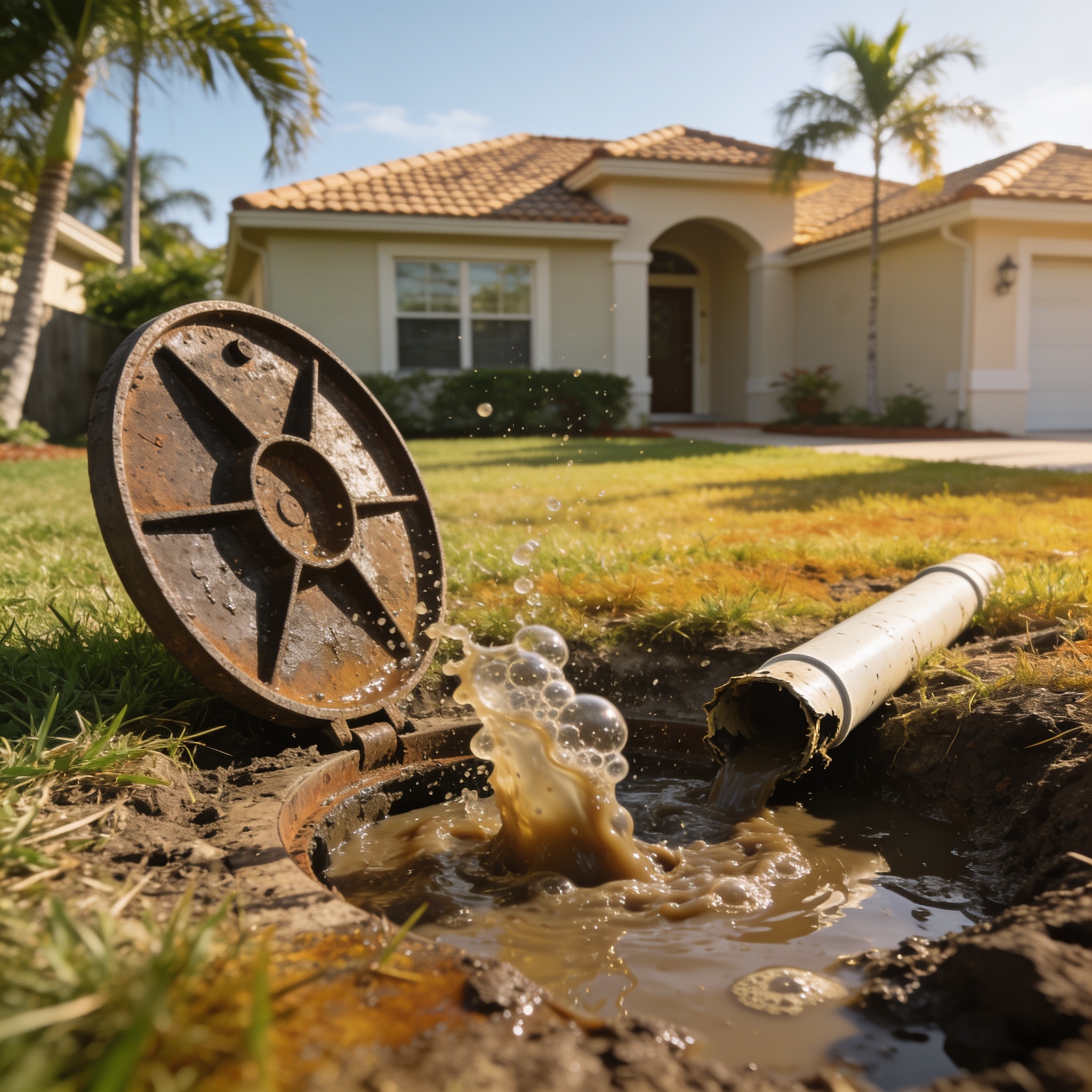
Key Takeaways
- Sewage backups are often caused by tree root infiltration, structural pipe failure, or improper disposal of household waste.
- Heavy rainfall common in Florida can overwhelm municipal sewer systems, leading to backflow into residential properties.
- Recognizing the signs of a failing sewer system early can save thousands in emergency water damage restoration sanibel services.
- Regular maintenance, such as professional drain cleaning and sewer camera inspections, is the best way to prevent sewer line disasters.
- Standard homeowners insurance policies often exclude sewage backup coverage unless a specific endorsement is purchased.
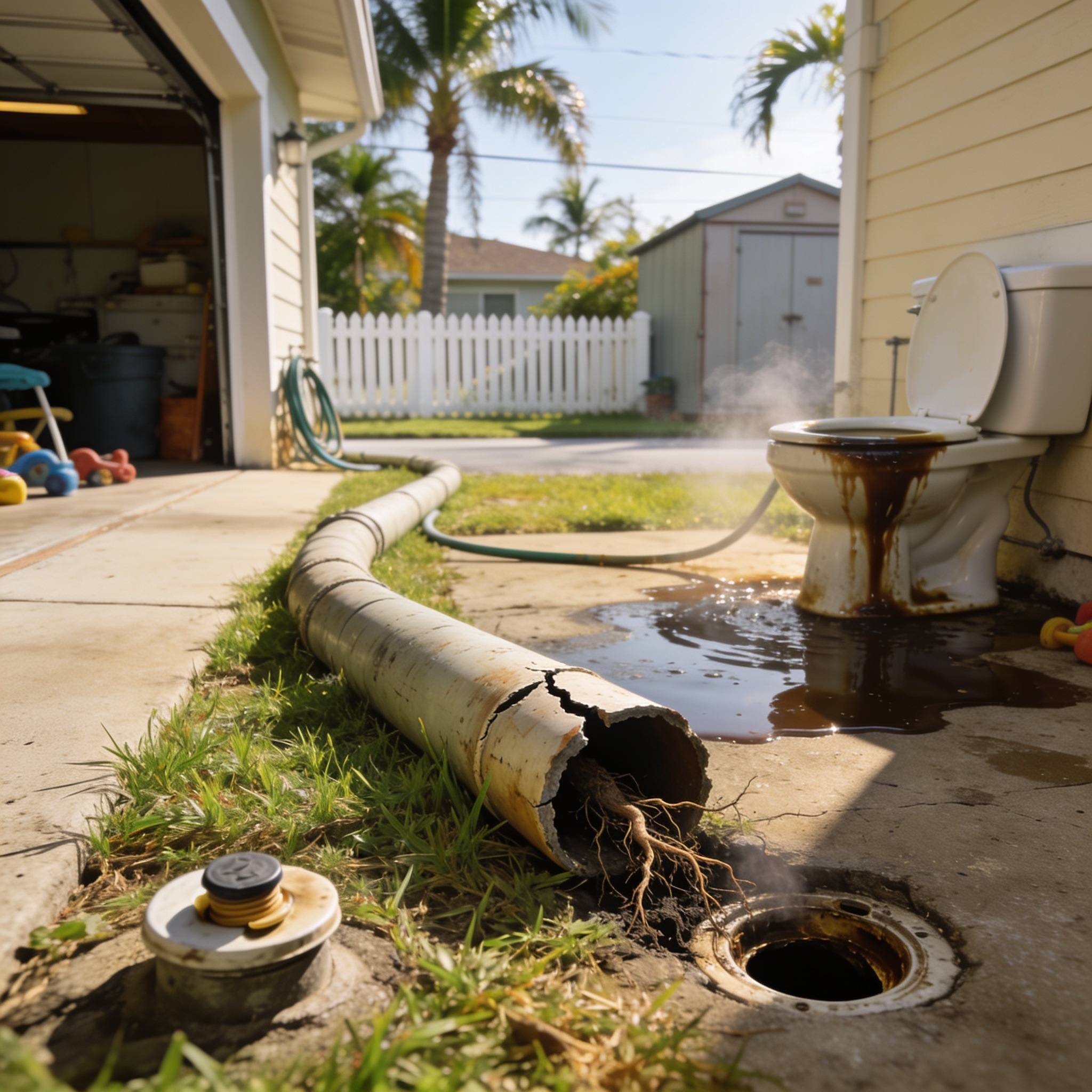
What Are the Most Common Causes of a Sewer Backup?
The primary common causes of sewer backup usually stem from blockages within the lateral line or structural degradation of the pipe itself. In Southwest Florida, many older homes still utilize aging cast iron pipes that are highly susceptible to corrosion and collapse over time. Understanding what causes a sewer backup is vital for any residential sewer system owner. When dealing with a clogged drain, it is important to know the signs of deeper sewer issues before they escalate.The 5 Common Causes of Sewer Backups Explained
- Tree roots: Roots from trees on your property seek moisture and can grow into tiny cracks in your sewer pipe; eventually, roots can grow large enough to cause a total blockage.
- Structural damage: Aging pipes made of cast iron and clay are prone to cracks and collapses due to shifting soil or heavy equipment traffic, causing the pipe to start to crack.
- Grease buildup: Pouring cooking grease down the kitchen sink creates a hardened mass that acts like glue for hair and debris.
- Foreign objects: Items like wipes, feminine hygiene products, and excessive toilet paper cannot dissolve and will quickly clog a drain.
- Municipal system failure: During extreme weather, the city sewer system may reach capacity, forcing wastewater back into residential lines.
Why Does Sewage Back Up in the Basement After Heavy Rain?
Sewage backup in the basement during heavy rain occurs because the municipal sewer system becomes overwhelmed by the sudden influx of stormwater. Because Florida is largely flat and sits at a low elevation, the flow of wastewater is easily disrupted when the ground is saturated. If your home lacks a properly functioning backflow prevention device, the city sewer can essentially “push” its contents back through your floor drains or basement toilet. Property owners in flood-prone areas should consider installing a sump pump to manage excess water before it reaches the sanitary sewer.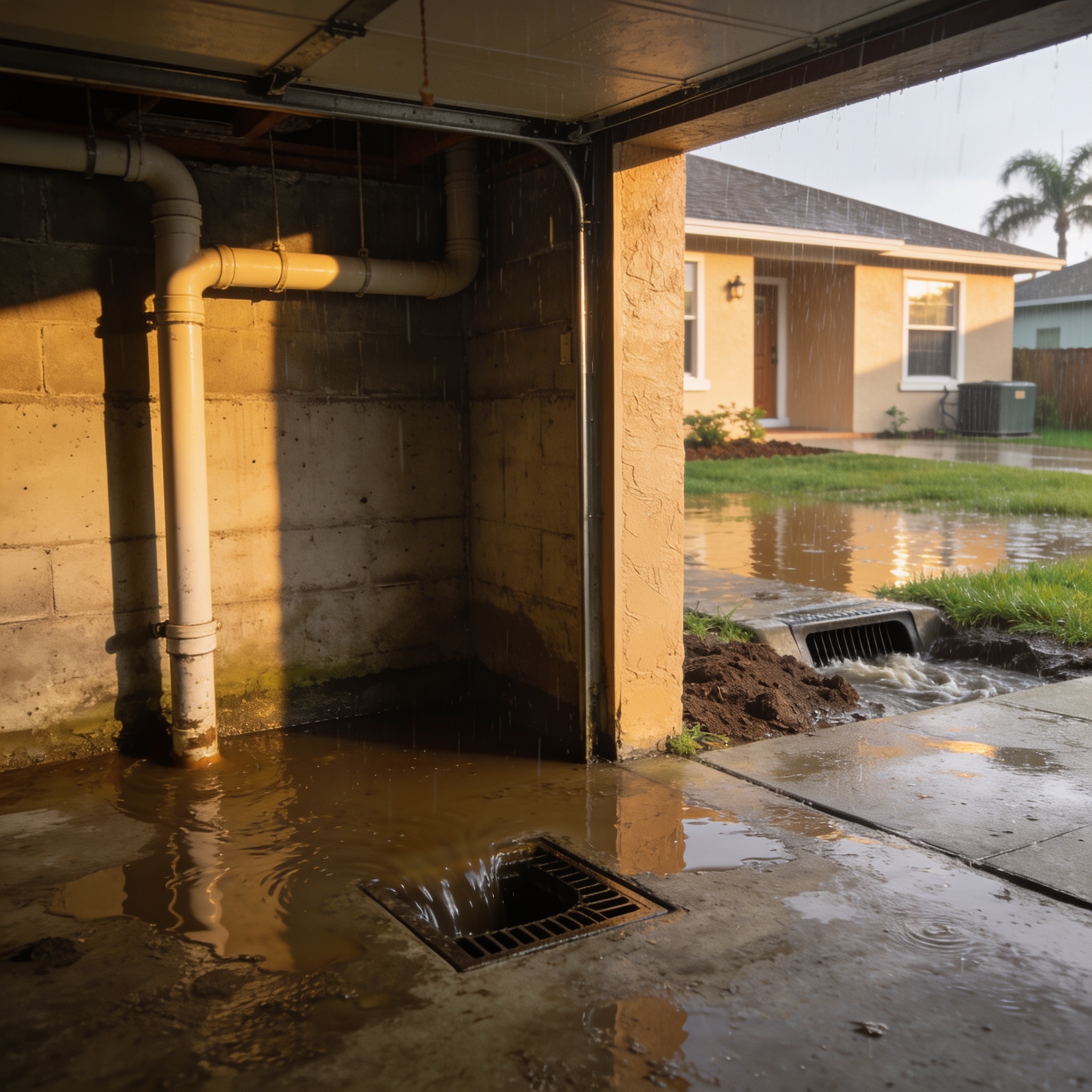
What Are the Signs of a Sewer Backup You Should Never Ignore?
You should never ignore the signs of a sewer backup because early detection is the only way to minimize the need for extensive water damage. You must know the signs, such as a foul odor emanating from your drains, which is a primary indicator that a blockage is trapping gases. Multiple drains backing up simultaneously is a definitive sign that the issue is located in the main sewer line rather than a single fixture. You might also hear a gurgle when you flush a toilet, which suggests air is being trapped in the drain pipes due to an obstruction. A backed-up sewer often presents these warning signs before a total system failure.What Are the Health Risks Associated with Sewage Backup?
Exposure to raw sewage poses significant health risks because it contains dangerous concentrations of bacteria and viruses. A sewer backup can cause severe gastrointestinal illnesses and skin infections. Professional remediation is required to safely remove pathogens that remain in the home’s structure long after the water has receded. Never attempt to clean a large-scale sewage spill without proper personal protective equipment and industrial-grade disinfectants.What Should You Do Immediately If You Have a Sewer Backup?
If you experience a sewer backup, you must immediately turn off the main water supply to prevent further flow into the compromised system. Contacting a professional water restoration company is the most critical step to ensure that porous materials like drywall and carpet are properly sanitized or discarded. Avoid using any water-based appliances, including the dishwasher or washing machine, until the blockage is cleared. Document the damage with photos and videos for your insurance adjuster before beginning any cleanup efforts. If you are experiencing sewage problems, you should call a plumber immediately.How Do You Fix a Clog (DIY vs. Professional)?
Fixing a sewage backup is rarely a DIY project because it requires specialized equipment to reach deep into the main sewer line. While a plunger might clear a minor clog, it will not resolve a blockage caused by tree roots or a collapsed pipe. Professional drain cleaning and repair services use high-pressure water jets and mechanical snakes to clear obstructions that simple tools cannot reach. Attempting to use harsh chemical drain cleaners often causes more harm to older sewage pipes and does not address the root cause of the backup. We offer repair services to ensure your drainage functions correctly.When Should You Call a Professional for a Damaged Sewer?
You should call a professional as soon as you notice wastewater surfacing in your yard or multiple plumbing fixtures failing at once. Licensed plumbers utilize a sewer camera inspection to pinpoint the exact location and nature of the damage within your sewer pipe. This technology prevents unnecessary excavation and allows for targeted line repair and replacement services. Relying on an expert ensures that the repair meets local building codes and prevents future plumbing problems.How Can You Prevent Sewer Line Backups?
You can prevent sewer line backups by being mindful of what you flush down your toilet and pour into your kitchen sink. Regularly scheduling a sewer camera inspection every few years is a proactive measure that helps identify potential issues before they cause a catastrophic failure. Avoid planting large trees near your sewer line and ensure your backflow prevention device is inspected annually. Following these maintenance steps significantly reduces the risk of expensive water damage. A clogged sewer is often preventable with consistent care of your drain pipes or main sewer.| Maintenance Task | Frequency | Benefit |
|---|---|---|
| Professional Drain Cleaning | Every 1-2 years | Removes grease and minor buildup |
| Sewer Camera Inspection | Every 3-5 years | Detects tree roots and cracks that start to grow |
| Backflow Valve Check | Annually | Prevents municipal backup |
Does Homeowners Insurance Cover Sewer Backups?
Most standard homeowners insurance policies do not cover sewage backups unless you have added a specific “water backup” endorsement to your coverage. Reviewing your policy documents with your agent is the only way to confirm if you are protected against the costs of sewer line repair and replacement. Many policies also have exclusions for damage caused by tree roots or gradual wear and tear. If you are in a high-risk zone, securing this additional coverage is a vital financial safeguard for your home.Frequently asked questions
Understanding the nuances of sewer system maintenance helps homeowners avoid the most common causes of plumbing failure.
Is it safe to clean up a small sewage backup myself?
Small amounts of water from a clean source might be manageable, but any contact with raw sewage requires professional sanitization to prevent the spread of harmful bacteria.How do I know if my sewer line is damaged?
Common indicators include slow-draining sinks, frequent gurgling sounds, and lush patches of grass growing directly over your sewer line path.Why do tree roots target sewer lines?
Roots are attracted to the condensation and nutrient-rich vapor that escapes from small cracks in aging sewer pipes.Does homeowners insurance cover damage from heavy rain?
Standard policies typically cover sudden, accidental water damage, but they often exclude damage resulting from floods or sewer backups unless specifically endorsed.What is the benefit of a sewer camera inspection?
This inspection allows plumbers to see the interior of your pipes in real-time, identifying the exact location of a clog or structural failure without digging up your yard.See also: Water Damage Restoration
See also: Water Damage Restoration
See also: Water Damage Restoration
SR
SWFL Restoration Editorial
Local restoration research team
Our editorial team verifies licensing and reviews for every restoration company in the directory and writes practical, Florida-specific guides to help homeowners act fast and protect their insurance claims after water, fire, mold or storm damage.