Category 3 Water: Understanding the Dangers of Black Water Damage
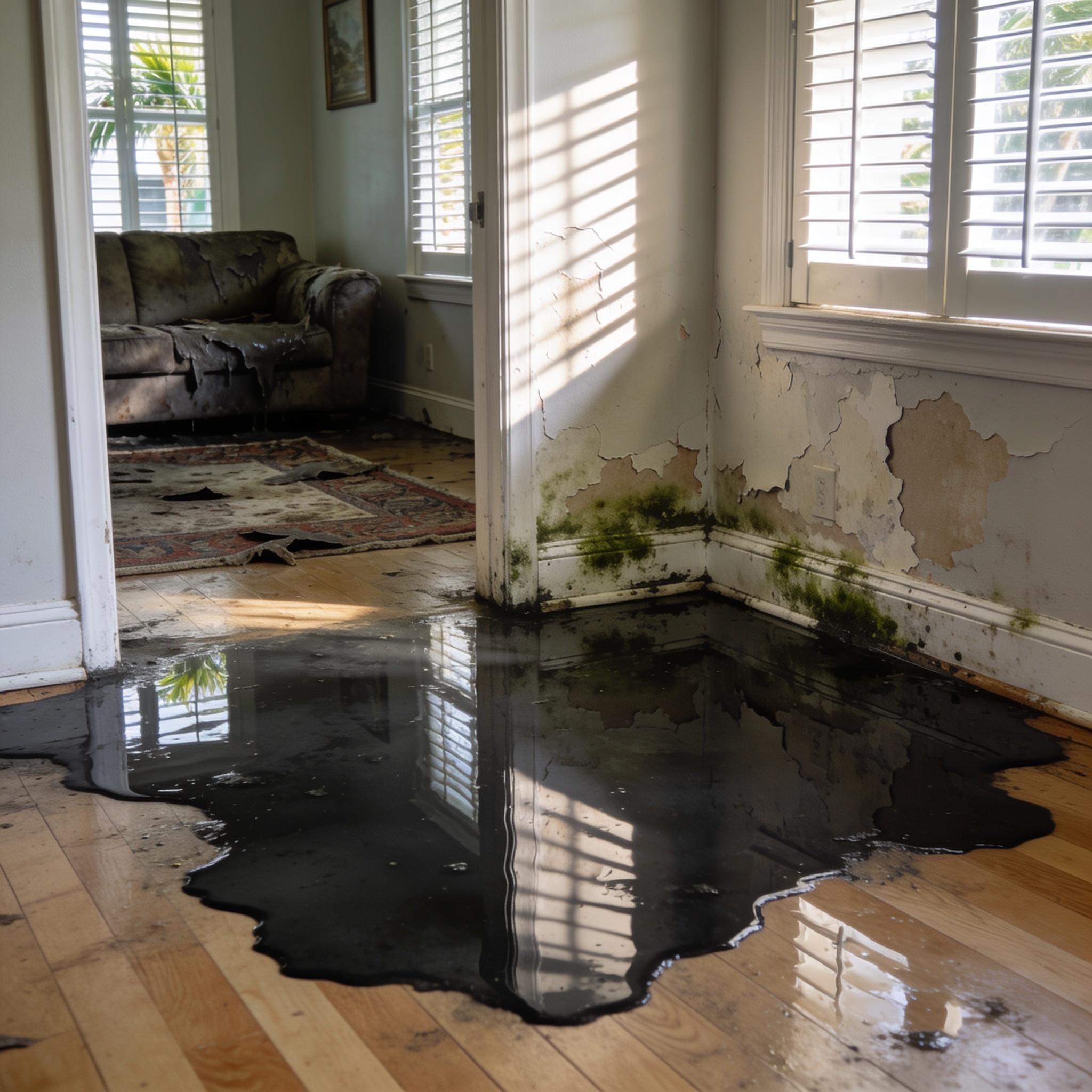
Category 3 water damage involves highly contaminated, hazardous liquid that requires professional remediation, typically costing between $3,000 and $10,000 depending on the square footage affected in your Southwest Florida home. Dealing with this type of water damage immediately is essential, as the IICRC S500 standard classifies it as grossly contaminated water that poses severe health risks to occupants. Understanding the specific category of water entering your property is the first step in protecting your family and your home’s structural integrity, as this contamination has the potential to cause significant property damage. To properly manage the situation, you must understand the three categories of water and how they dictate the necessary safety protocols. When you experience water damage in your home, it is vital to categorize the water correctly to ensure the right remediation steps are taken.
Key Takeaways
- Category 3 water is defined by the presence of pathogenic agents, sewage, or toxic substances.
- SWFL residents must treat any rising water from storm surges or sewer backups as highly hazardous.
- Professional water restoration is mandatory because standard household cleaning products cannot neutralize biological pathogens.
- Time is a critical factor, as microbial growth can begin within 24 to 48 hours of exposure.
- Always verify that your service provider holds an IICRC cleaning and restoration certification before beginning work.
- A professional water damage assessment is the first step to identifying the range of contamination present.
What Are the Different Categories of Water Damage (Category 1, 2, and 3)?
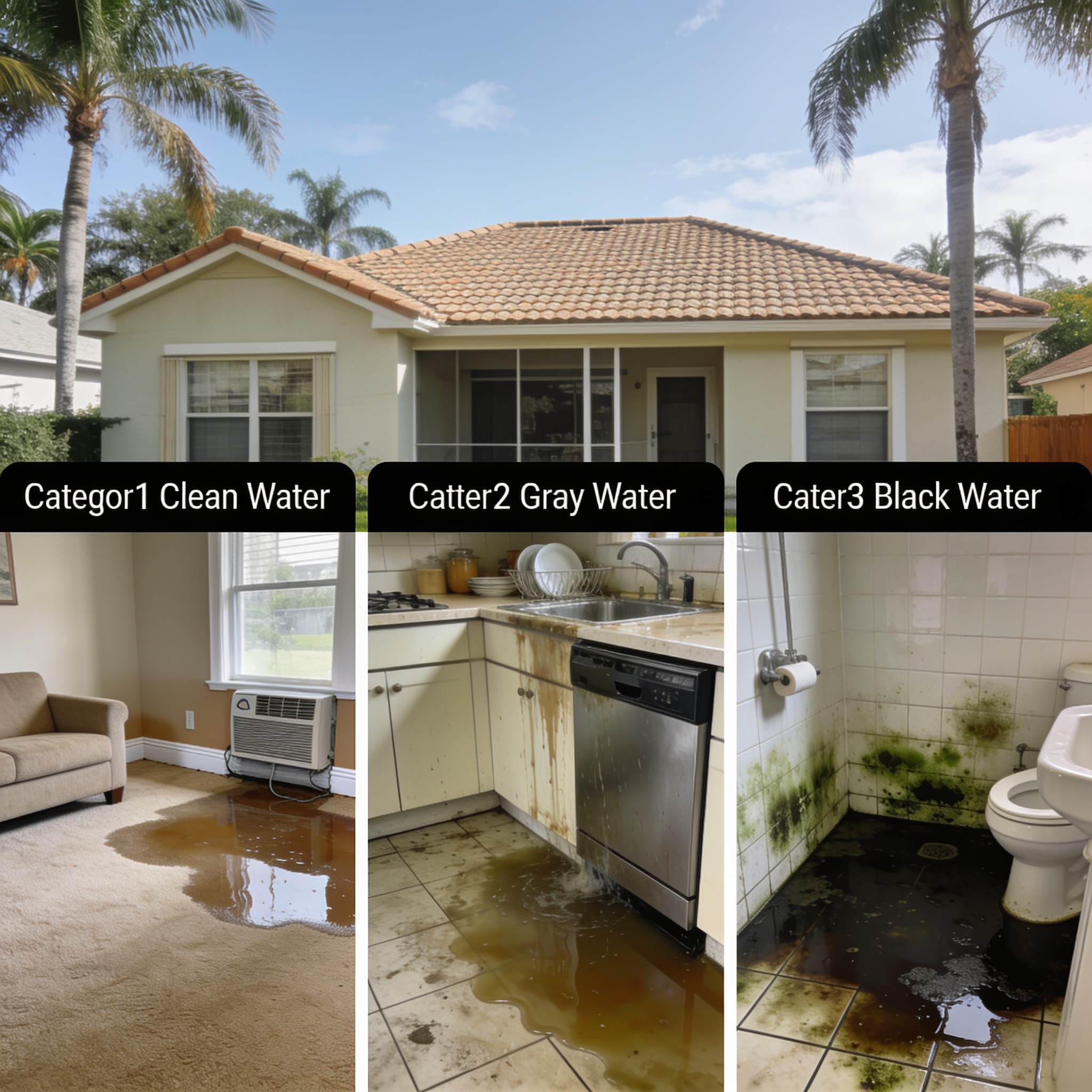
The industry recognizes the 3 categories of water damage based on the source and the level of contamination present at the time of the loss. The IICRC S500 standard establishes these water categories to guide technicians in selecting appropriate safety protocols and remediation methods. Professionals use these 3 categories of water to determine the necessary personal protective equipment and the scope of the restoration process, ensuring the contamination level is addressed correctly. When evaluating 1 water losses, experts look at the water source to determine if it is clean or hazardous. Whether dealing with a category 1 water loss or a more severe event, the goal is to remove the water safely and efficiently.
| Category | Description | Source Examples |
|---|---|---|
| Category 1 | Clean water from a sanitary source. | Broken water supply line, melting ice. |
| Category 2 | Greywater containing significant contamination. | Dishwasher discharge, toilet overflow. |
| Category 3 | Grossly contaminated, hazardous water. | Sewage, storm surge, rising river water. |
What Is Category 3 Water and How Does It Differ from Category 2?
Category 3 water is significantly contaminated water that contains pathogenic, toxigenic, or other harmful agents, whereas category 2 water damage only contains enough contamination to cause discomfort or sickness if ingested. While category 2 water might originate from a washing machine or dishwasher, category 3 water is often called “black water” due to its high level of pollutants. Distinguishing between category 2 and category 3 is vital for your water damage restoration strategy, especially when dealing with contaminated water entering or affecting your living space during hurricane season in Lee or Collier counties. Water may contain various pathogens, so it is essential to rely on certified water professionals to assess the damage.
What Does Category 3 Water Look Like and How Can You Identify It?
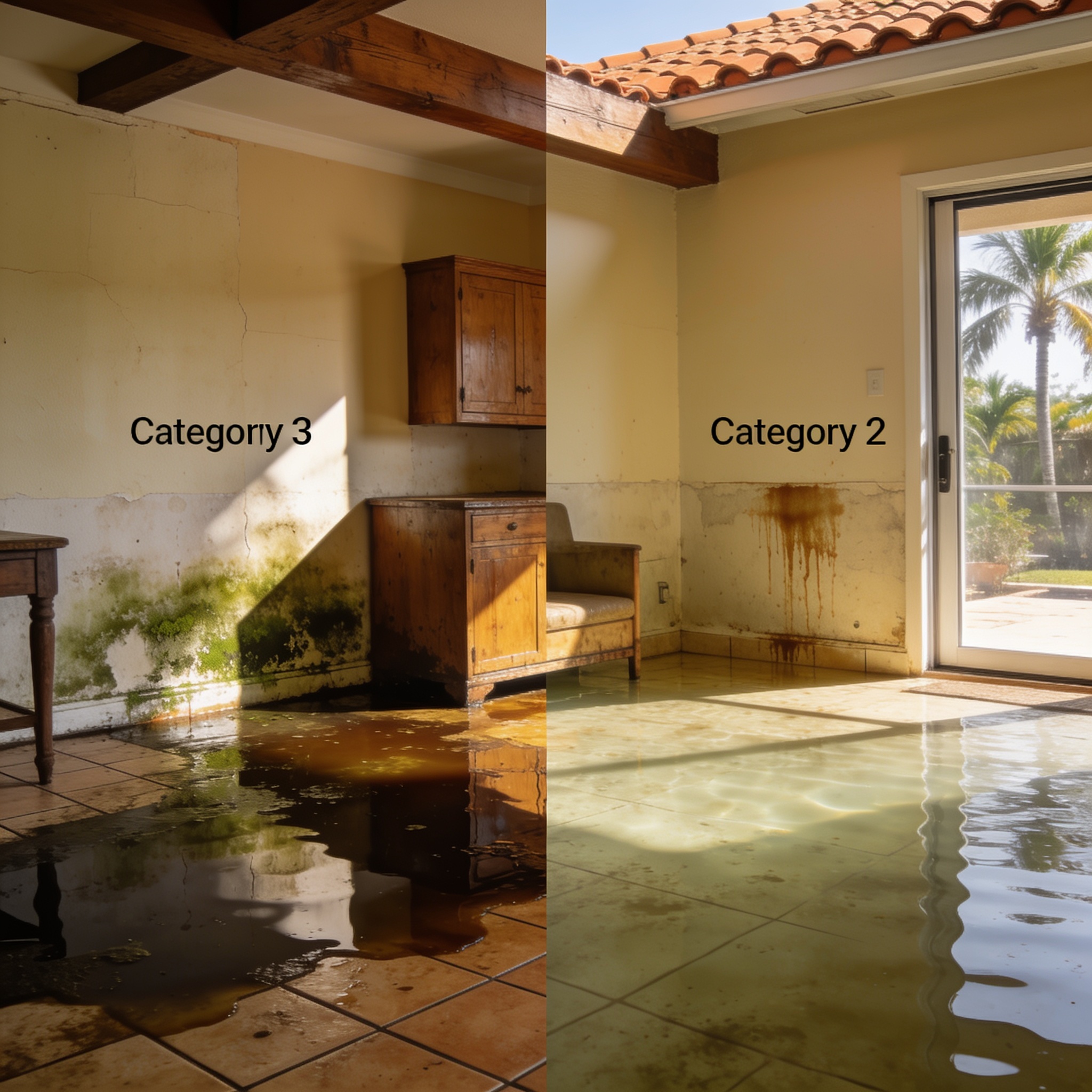
Identifying cat 3 water requires looking for signs of sewage, debris, or dark discoloration that indicate the presence of hazardous materials. You should never attempt to touch or clean this liquid yourself because it often carries bacteria, viruses, and parasites. If you are in a flood zone in Charlotte County, assume any water entering your home from the ground surface is potentially hazardous. If you need immediate help, consider contacting a professional for Water Damage Restoration. Understanding the categories of water contamination is key to your safety.
The 5 visual signs of black water
- Visible sewage debris or solid waste floating in the standing water.
- A pungent, foul odor that is distinct from a musty or damp smell.
- Dark, murky, or cloudy appearance indicating high sediment and bacteria levels.
- Presence of biological matter or organic waste from exterior flooding or sewage backups.
- Visible signs of water intrusion from outdoor sources like rivers, streams, or storm surges.
What Are the Most Common Sources of Category 3 Water Damage?
The most common sources of category 3 water damage in Southwest Florida include sewer backups, toilet overflows containing feces, and rising water from rivers or streams during heavy storms. These events introduce dangerous pathogens into your living space that can quickly permeate porous materials like carpet, padding, and drywall. Because SWFL is prone to tropical systems, ground surface water and rising water are major contributors to this 3 water loss. You can learn more about managing these risks by looking into Water Damage Restoration.
Can Category 1 or 2 Water Turn Into Category 3 Water?
Category 1 water damage or category 2 or 3 can quickly deteriorate if it is left untreated for more than 48 hours or if it comes into contact with environmental contaminants. As time passes, microorganisms multiply, and the water absorbs pollutants from the building materials it touches. This transition is why rapid water extraction is the most effective way to prevent a minor water leak from becoming a major health hazard. Once the water is classified as category 3, the entire restoration process must shift to high-level containment and decontamination protocols. Even clean water leaks can become hazardous if they remain stagnant and interact with building materials or soil.
What Are the Health Risks and Dangers Associated with Category 3 Water?
Exposure to category 3 water poses significant health risks, including the potential for severe gastrointestinal illness, skin infections, and respiratory issues caused by airborne pathogens. These hazards are particularly dangerous for children, the elderly, and individuals with compromised immune systems. Because this water is grossly contaminated, it can introduce mold and bacteria into your HVAC system, spreading the hazard throughout your entire home. Professional water remediation is the only way to ensure the property is safe for habitation again. When dealing with IICRC S500 category 3 water, specialized training is required to mitigate the risk of infection.
What Should You Do If You Have Category 3 Water Damage?
Your immediate priority when dealing with category 3 water is to vacate the affected area and contact a certified professional to begin the water damage restoration process. Do not attempt to walk through the water or move items, as you risk tracking contamination into clean areas of your house. Turn off the main electricity if it is safe to do so, and contact your insurance provider to open an insurance claim. For reliable help in the region, search for Water Damage Restoration to find qualified experts. If the damage is extensive, it may be classified as a class 3 water loss, requiring advanced drying equipment.
Why Is Professional Intervention Crucial for Category 3 Water Damage Cleanup?
Professional intervention is crucial because remediating category 3 water requires specialized equipment, industrial-grade disinfectants, and strict adherence to the Institute of Inspection Cleaning and Restoration Certification standards. Experts use moisture meters and thermal imaging to detect hidden water that could lead to future mold growth. They are also trained in proper containment procedures to prevent cross-contamination between affected and unaffected rooms. Attempting a DIY cleanup often leads to incomplete removal, which leaves dangerous pathogens trapped in your flooring or wall cavities. Professionals understand the classes of water and can effectively manage the restoration.
Does Homeowners’ Insurance Cover Category 3 Water Damage?
Homeowners’ insurance policies typically cover category 3 water damage if it results from a sudden, accidental plumbing failure, but coverage for flood-related damage often requires a separate policy through the NFIP. You should review your specific policy documents to understand the limitations regarding sewage backups and rising water. Always document the damage with photos before the cleanup crew arrives to assist with your insurance claim process. Being prepared with the right coverage is the best way to safeguard your property against the unpredictable weather patterns in Florida.
Frequently asked questions
Understanding the nuances of water damage helps homeowners make informed decisions during an emergency.
Is it safe to use a shop vac to remove category 3 water?
No, using a standard shop vac is dangerous because it can aerosolize pathogens and spread contamination throughout your home.
How long does the restoration process take?
The timeline varies based on the extent of the damage, but professional remediation usually involves several days of extraction, drying, and sanitization.
Do I need to throw away all my furniture?
Porous items like mattresses, upholstered furniture, and carpet that have been soaked in category 3 water usually cannot be salvaged and must be discarded.
How do professionals verify the area is clean?
Certified technicians use air quality testing and surface sampling to ensure that the environment meets safety standards before declaring the restoration complete.
Our editorial team verifies licensing and reviews for every restoration company in the directory and writes practical, Florida-specific guides to help homeowners act fast and protect their insurance claims after water, fire, mold or storm damage.