Category 3 Water Intrusion: Essential Safety and Cleanup Steps
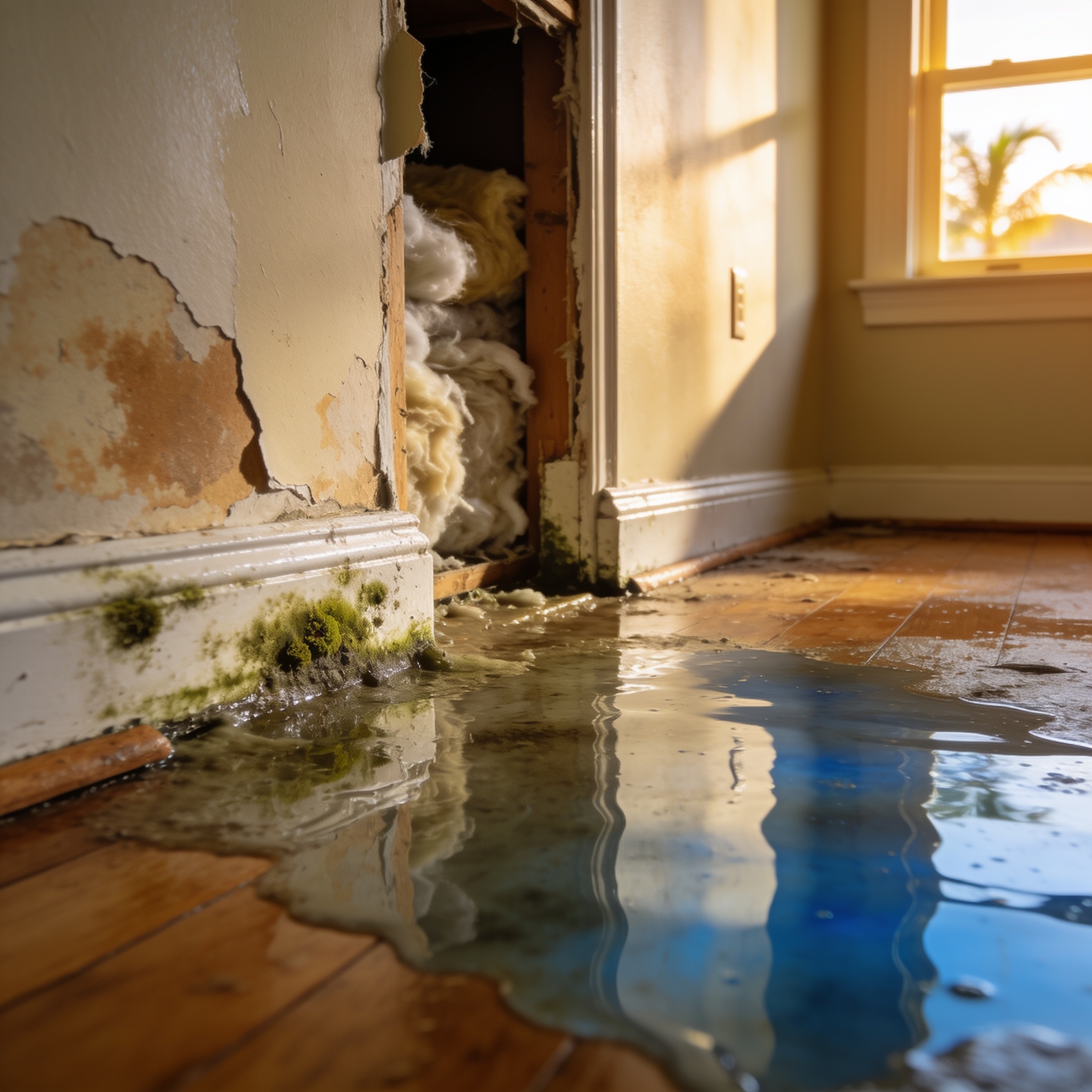
Category 3 water intrusion requires immediate professional intervention because it involves highly contaminated water that poses severe health risks and can cost between $3,000 and $15,000 or more depending on the square footage affected. Understanding this specific type of water damage is essential for residents in Southwest Florida, where storm surges and sewage backups frequently create hazardous indoor environments. By following the correct water mitigation protocols, you can protect your property and your health from the dangers associated with what is commonly called “black water.”
Key Takeaways
- Category 3 water is highly contaminated and contains pathogenic agents, requiring specialized handling.
- Safety is the top priority; you must never touch or attempt to clean up “black water” without proper gear.
- Professional water restoration experts follow IICRC S500 standards to ensure structural safety.
- Time is a critical factor, as microbial growth can begin within 24 to 48 hours of exposure.
- Documenting the loss and contacting your water damage insurance provider immediately is vital for a successful claim.
What Is Category 3 Water Damage
and What Does It Mean?
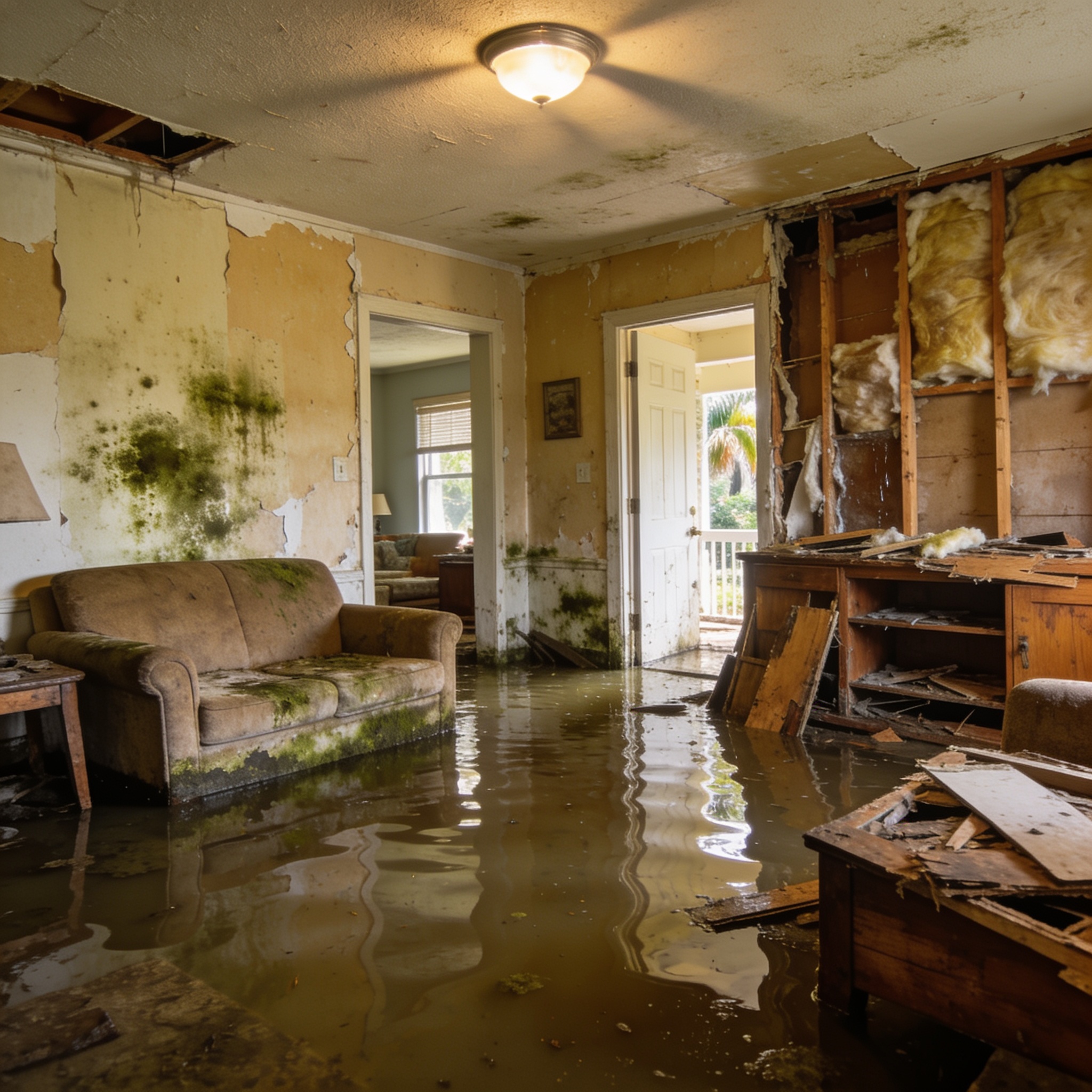
Category 3 water damage refers to water that is grossly unsanitary and contains pathogenic agents, often referred to as “black water.” This classification, established by the IICRC S500 category 3 water standards, indicates that the water source contains harmful bacteria, fungi, or other microorganisms that could cause severe illness. Dealing with category 3 water damage restoration requires specialized training and equipment to ensure the safety of all occupants. In the context of Southwest Florida, this often involves contaminated water entering or affecting your home. It is important to learn the causes of category 3 water, as water may carry unseen biological hazards.
What Is the Difference Between Category 1 Water Damage
, Category 2
, and Category 3 Water Damage Restoration
?
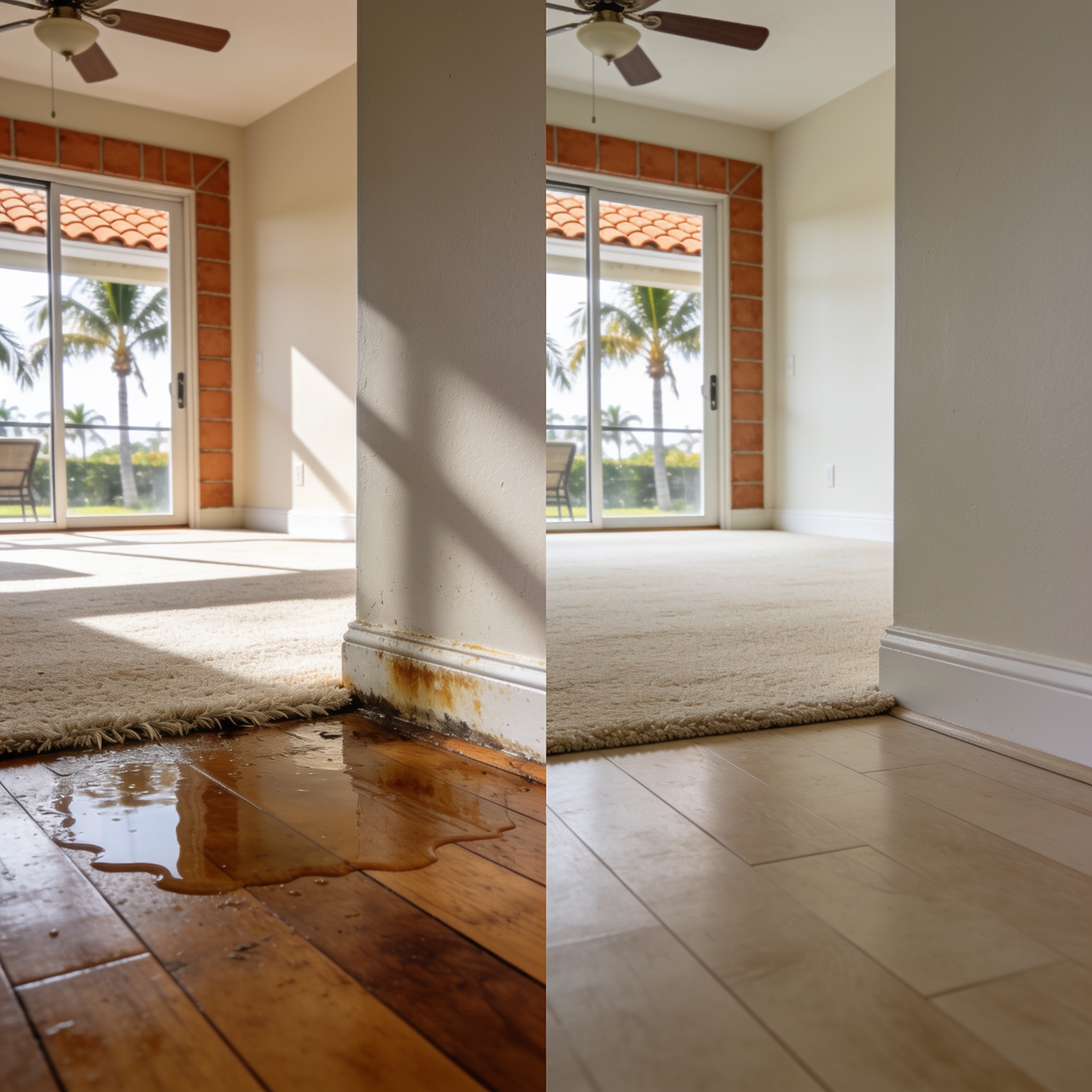
The 3 categories of water damage are defined by the level of water contamination present in the liquid at the time of the loss. There are different categories of water that professionals must identify before beginning work. Class 1 water involves a slow rate of evaporation, while class 2 water affects a larger area with a faster evaporation rate. Class 3 and class 4 water represent the most significant saturation levels. Category 3 water is the most dangerous classification because it contains highly contaminated water that poses a significant health risk to humans and pets. When assessing the types of water, experts will determine the specific class of water involved, as there are four classes of water based on the rate of evaporation and the amount of wet material.
| Category | Description | Contamination Level |
|---|---|---|
| Category 1 | Clean water from sanitary sources (Category 1 water loss) | Minimal |
| Category 2 | Water containing contaminants (Category 2 water loss) | Moderate |
| Category 3 | Grossly unsanitary/sewage (Cat 3 water) | High/Hazardous |
How Can You Identify Category of Water
Intrusion in Your Home?
Identifying this category of water damage often involves observing the source and the physical appearance of the liquid. You might notice a foul odor, dark discoloration, or the presence of visible debris and waste products in the standing water. Professional water damage restoration services often use advanced tools like moisture meters and thermography to detect hidden structural damage behind walls. If the water originated from a sewer backup or external floodwaters, it is automatically classified as category 3. When you handle category 3 cleanup, you must be aware that any contact with water contamination can lead to severe infection.
What Are the Most Common Causes of Water Mitigation
?
Common causes of category 3 water loss in Southwest Florida include sewage backups, toilet overflows containing feces, and ground surface water and rising water during hurricane events. These events introduce contaminants into the home that require immediate professional mitigation. Residents living in low-lying flood zones are at an increased risk of property damage from surface water and rising water from rivers or streams. Other sources of category 3 water include broken water supply lines that have been compromised by contaminated backflow. Always be cautious of water and electricity hazards when entering a flooded area.
What Are the Health Risks and Dangers of Water Restoration
?
Exposure to black water damage presents significant health hazards, including the transmission of bacteria, viruses, and parasites. These pathogens can cause gastrointestinal distress, skin infections, and respiratory issues if inhaled or touched. Avoid contact with the water at all costs to prevent the spread of disease within your household. Proper personal protective equipment is mandatory for anyone entering an area affected by category 3 water to ensure occupational safety. Remediating 3 water loss is a task strictly for trained professionals.
How Should You Respond Immediately to Water Extraction
?
Your first step should be to ensure the safety of all residents by vacating the affected area immediately. Shut off the main water supply if the source is internal and contact a certified water damage restoration expert for Water Damage Restoration right away. Document every aspect of the damage with photos and videos before any water damage cleanup begins to support your insurance claim. Do not attempt to use household fans, as this can spread contaminants throughout your HVAC system.
Can You Clean Up 3 Categories of Water Damage
Yourself, or Do You Need a Professional?
You should never attempt to clean up category 3 water damage yourself due to the extreme biological hazards involved. Certified professionals follow strict IICRC S500 protocols to ensure the environment is properly disinfected and dried. Professional water damage restoration in Punta Gorda, or other coastal areas, is necessary to handle the complex remediation of porous materials like carpets and drywall. Relying on experts ensures that your home is safe for re-entry and prevents long-term structural decay.
What Is the Professional Cleanup and Restoration Process for Professional Water Damage Restoration
?
The 5-step cleanup checklist for category 3 water intrusion ensures a methodical and safe restoration of your property. Professionals begin by securing the area and assessing the extent of the damage to determine the necessary scope of work. The professional cleanup process involves rigorous water extraction, removal of contaminated porous materials, and the application of medical-grade disinfectants. This is followed by structural drying using industrial-grade dehumidifiers and finally, the reconstruction of damaged areas to restore your home to its pre-loss condition.
The 5-Step Cleanup Checklist
- Safety Assessment: Professionals inspect the site to identify electrical hazards and biological risks before entry.
- Water Extraction: Specialized pumps are used to remove standing water from the property efficiently.
- Material Removal: Porous items like carpet, padding, and drywall that have absorbed contaminated water are safely disposed of.
- Disinfection and Cleaning: The area is treated with EPA-registered antimicrobial agents to neutralize pathogens.
- Structural Drying: Industrial air movers and dehumidifiers are placed to return the structure to a safe moisture level.
Does Homeowners’ Insurance Cover Category 3 Water Damage Restoration
?
Coverage for category 3 water damage depends entirely on the specific language within your insurance policies and the source of the water. Standard policies often cover sudden and accidental pipe bursts, but they may exclude damage caused by external flooding or neglected maintenance. Homeowners should contact their insurance provider immediately to understand the specific coverage limits and deductibles associated with their water loss. Seeking Water Damage Restoration or surrounding areas, often requires coordination with your adjuster to ensure all mitigation costs are documented.
How Can You Prevent Category 1 Water Damage
Intrusion from Happening?
Preventative maintenance is the most effective way to minimize the risk of sewage backups and contaminated water entering your home. Installing a backflow prevention valve on your main sewer line can stop sewage from entering your home during heavy rains or municipal system failures. Regular inspections of your plumbing system can help identify potential leaks before they escalate into severe water damage. Keeping gutters clear and ensuring proper drainage around your home’s foundation also reduces the likelihood of surface water intrusion during heavy Florida storms.
Frequently asked questions
Common questions regarding category 3 water intrusion help clarify the severity and necessary actions required during a crisis.
Is all floodwater considered category 3 water?
Yes, any water originating from outside the structure, such as floodwater from rivers or storm surges, is classified as category 3 because it is assumed to contain environmental pollutants and pathogens.
How long does it take for category 3 water to cause mold?
Microbial growth can begin in as little as 24 to 48 hours, making rapid professional response critical for successful mitigation.
Can I use bleach to clean up category 3 water?
Bleach is generally insufficient for treating category 3 contamination because it does not penetrate porous surfaces effectively and can be hazardous when mixed with other cleaning agents.
What happens if I don’t hire a professional for a category 3 loss?
Failing to use a certified professional leaves behind harmful bacteria and mold spores, which can lead to structural rot and significant health issues for occupants.
See also: Water Damage Restoration
Our editorial team verifies licensing and reviews for every restoration company in the directory and writes practical, Florida-specific guides to help homeowners act fast and protect their insurance claims after water, fire, mold or storm damage.