Can Drywall Get Wet During Delivery and Still Be Used?
Drywall should never be installed if it has been exposed to significant moisture, as any material with a moisture content exceeding 1% above the ambient equilibrium is considered compromised. If your drywall gets wet during delivery in a high-humidity environment like Southwest Florida, the structural integrity of the gypsum core is likely permanently degraded. You should reject any shipment that shows visible signs of saturation or paper separation to avoid long-term mold issues in your home’s structure. Ensuring you have peace of mind regarding your building materials starts with a thorough inspection the moment you see drywall being unloaded. When dealing with water damage, it is crucial to remember that drywall may lose its structural integrity if it is exposed to water for too long.
Key Takeaways
- Gypsum-based drywall acts like a sponge and loses structural integrity immediately upon saturation.
- Moisture levels above 15% in drywall create an ideal breeding ground for mold spores.
- Suppliers in Lee, Collier, and Charlotte counties are responsible for protecting materials during transit.
- Visible paper bubbling or discoloration is a definitive indicator that the material is ruined.
- Insurance claims for delivery damage are difficult to process if you sign the delivery receipt before inspecting the load.
What Happens If Drywall Gets Wet During Delivery or Storage?
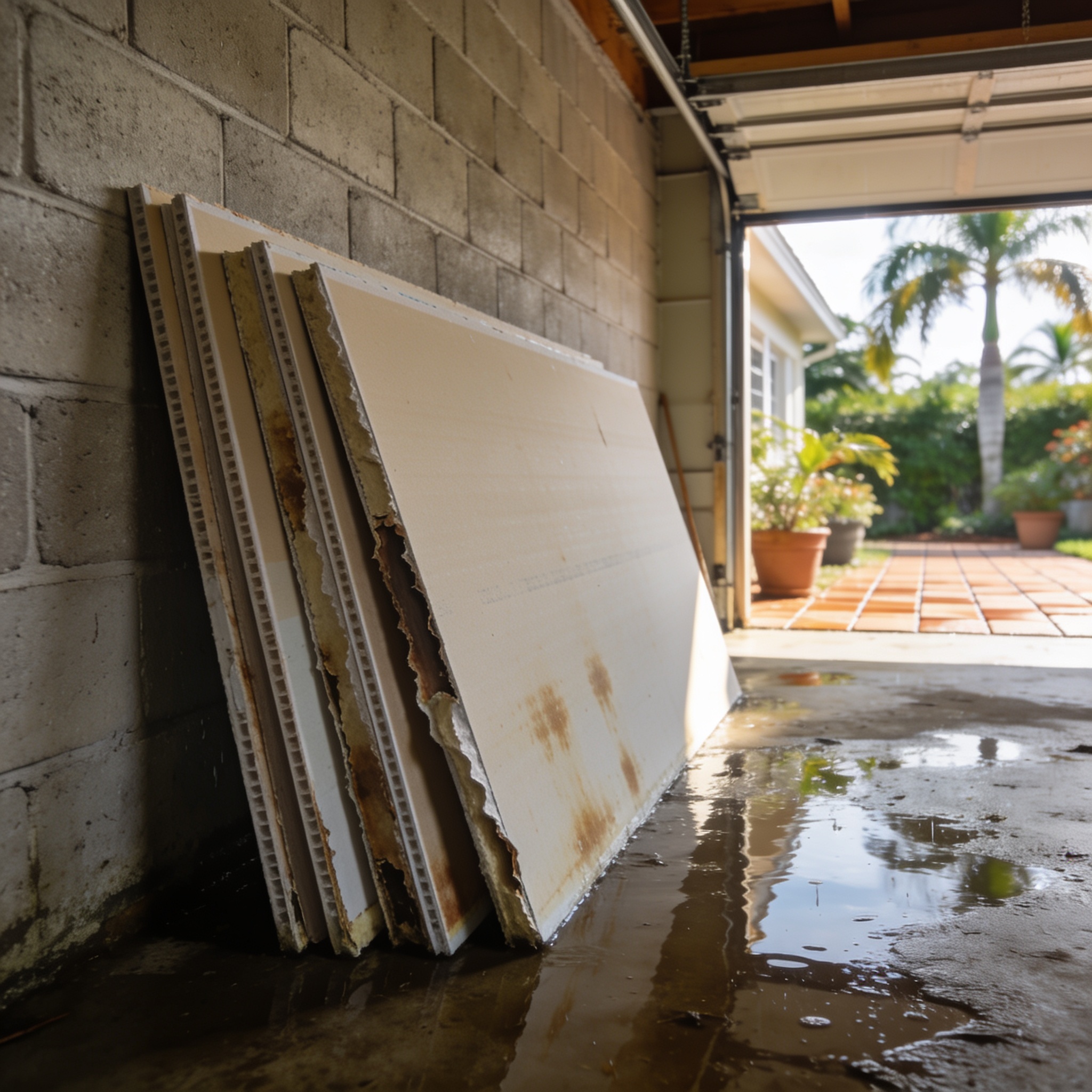
When drywall gets wet, the gypsum core softens and the paper facing loses its bond, leading to permanent structural failure. In the humid climate of SWFL, where humidity often exceeds 70%, the material cannot naturally release the moisture trapped inside. Once the gypsum core absorbs liquid, the chemical composition of the board changes, making it impossible to restore to its original state. If you have experienced severe water damage during a renovation, contact Water Damage Restoration to assess if the surrounding framing is at risk. When dealing with wet drywall, you must find the source to prevent further contamination of the wall cavity. Because every water damage event is unique, you should not attempt to restore your home without professional help.
Is It Okay If Drywall Gets a Little Wet, or Is Any Moisture a Problem?
Any amount of moisture beyond minor surface condensation is problematic for drywall because the paper facing is organic and feeds mold growth. While a light mist might dry quickly in a controlled environment, any sustained exposure to water will compromise the board. You must treat any drywall that has been soaked as a total loss because the risk of hidden mold growth behind the wall is too high to ignore. Whether the drywall was exposed to a heavy rain or a minor leak, it is safer to replace it if you are unsure of the saturation depth. If the drywall has started to show signs of staining, it requires immediate attention to avoid potential mold.
How Wet Is Too Wet for Drywall — And When Is It Ruined?
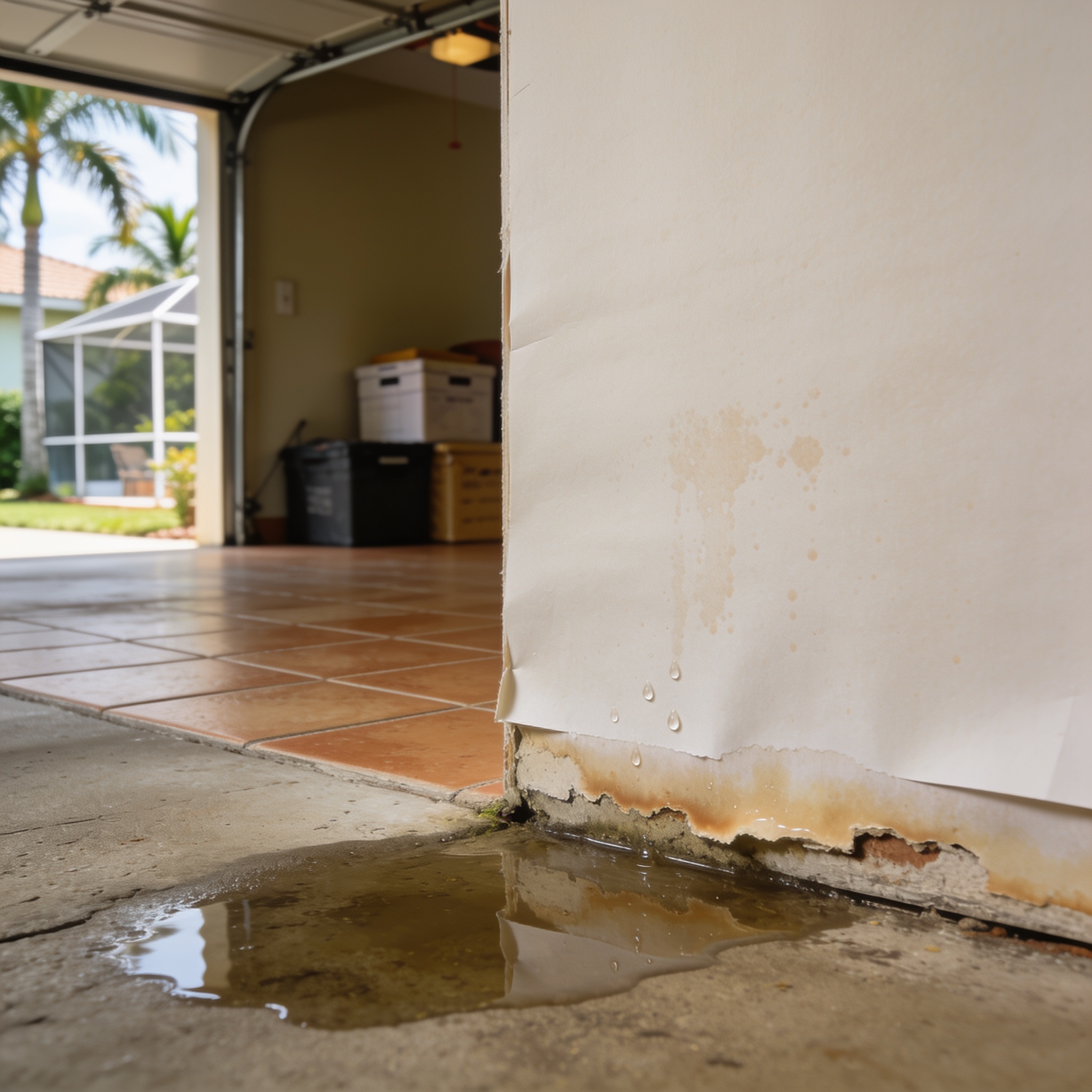
Drywall is considered ruined when the moisture content exceeds 15% or when the paper facing begins to separate from the gypsum core. Professionals use a moisture meter to determine if the board has reached the saturation point. If you can press your finger into the drywall and leave an indentation, the structural integrity has been compromised and the board must be discarded. If you see drywall that got wet, check for a visible bubble in the paper, as this indicates the core has already begun to disintegrate. Always check for moisture inside the wall to ensure no hidden water exposure has occurred.
Moisture Damage Thresholds
| Condition | Moisture Level | Action Required |
|---|---|---|
| Dry/Safe | Below 12% | None |
| Caution | 12% – 15% | Monitor/Dehumidify |
| Ruined | Above 15% | Discard Immediately |
| Critical | Visible saturation | Remove/Replace |
| Rain Impact | 0.02 inches of rain per hour | Reject shipment |
Will Suppliers Deliver Drywall in the Rain, and How Is It Protected?
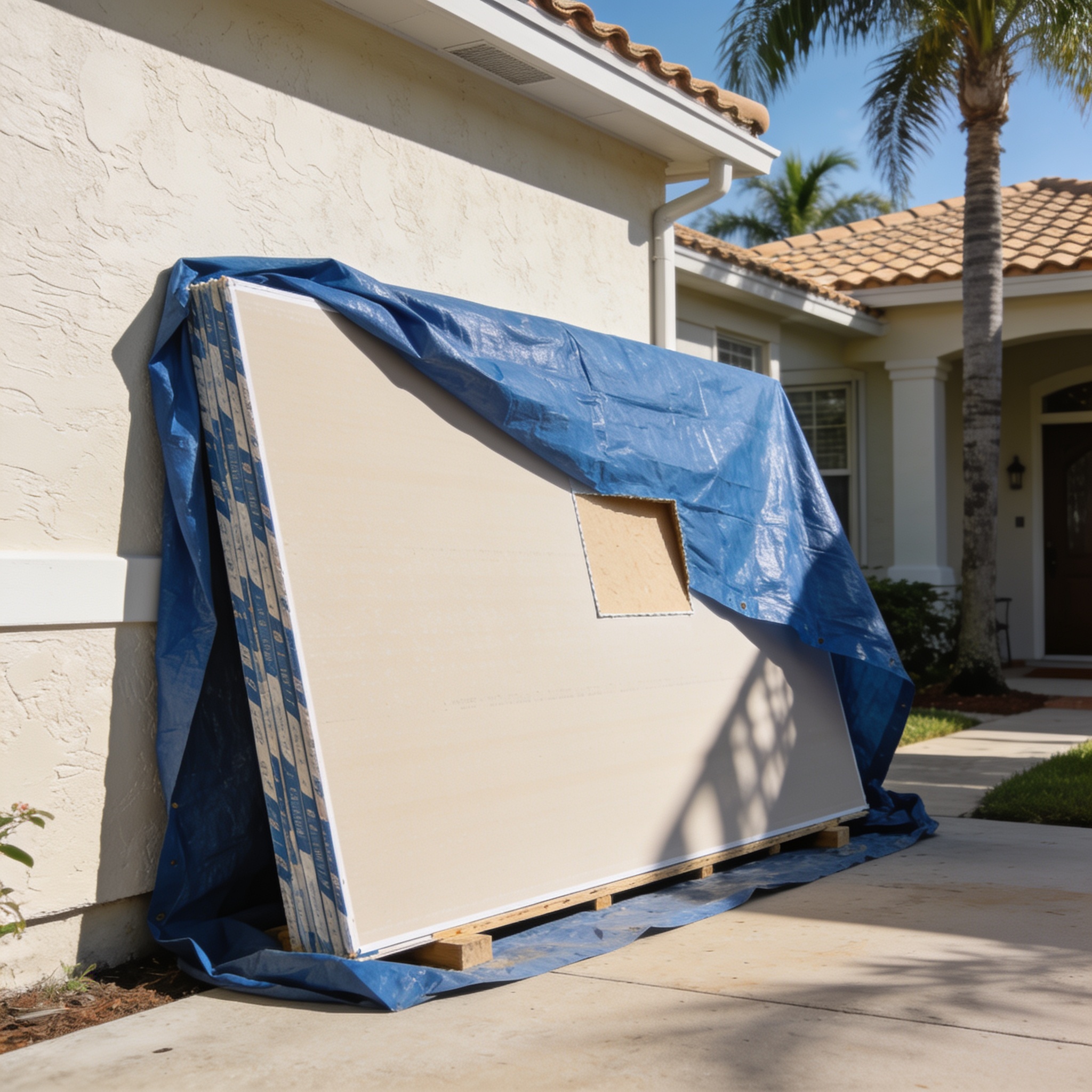
Reputable suppliers in Florida will typically refuse to deliver drywall in the rain unless they have enclosed, climate-controlled trailers. If the forecast shows 0.02 inches of rain, the risk of damage to your drywall during the offloading process is extremely high. Professional suppliers must use shrink-wrap and heavy-duty tarps to ensure that no part of the drywall gets wet during the transition from the truck to your garage. If you have $2000 worth of drywall delivered, ensure the driver has adequate coverage to prevent mold and mildew from forming before the installation even begins. If your material is delivered in the rain, or if a weather report shows 0.02 inches of rain, you must inspect the load carefully. If you are in the northern part of the region, consult a Water Damage Restoration expert if you suspect your materials were exposed during transit.
What Are the Signs of Water-Damaged Drywall You Should Never Ignore?
The 3 signs of water-damaged drywall include visible paper bubbling, discoloration or staining, and a musty odor. These indicators suggest the gypsum core has already absorbed water and potentially begun the process of mold colonization. You should never install drywall that shows these signs because the mold spores will eventually spread to your insulation, walls and ceilings.
The 3 visual signs of water-damaged drywall
- Paper Bubbling: The outer layer of the drywall separates from the gypsum core, creating visible air pockets or ripples.
- Discoloration: Yellow, brown, or black water stains indicate that minerals or contaminants have leached into the paper facing.
- Softened Edges: The corners or edges of the sheetrock feel mushy or crumbly to the touch, indicating the gypsum has lost its density.
Can Wet Drywall Dry on Its Own, or Do You Need to Take Action?
Wet drywall cannot dry on its own effectively, especially in the high-humidity environment of Southwest Florida. If you leave it to “air dry,” the moisture remains trapped behind the paper facing, which creates a perfect environment for mold. You must use a professional-grade dehumidifier and high-velocity fans to extract moisture from the air if you have any hope of saving the surrounding area. Proper airflow is essential to prevent mold, but if the drywall is wet, it will likely trap moisture regardless of your efforts. For severe cases, hiring a Water Damage Restoration is the safest path to prevent long-term structural failure. There are plenty of jobs that require specialized drying equipment to ensure the home is safe.
How Long Does It Take for Wet Drywall to Dry Completely?
The drying process for drywall is rarely successful, but under ideal conditions, it takes at least 48 to 72 hours of constant dehumidification. Even if the surface feels dry to the touch, the core often remains saturated for days. If the drywall has been wet for more than 24 hours, the probability of mold growth increases exponentially, making replacement the only viable option. If the forecast shows 0.02 inches of rain, and your drywall is exposed, it will take far longer than 72 hours to dry, if it dries at all.
When Should Wet Drywall Be Replaced Instead of Dried Out?
You should replace drywall immediately if it has been submerged in water or if the paper facing shows any signs of mold growth. Attempting to dry out heavily saturated material is a false economy that often leads to higher costs later. Replacing the damaged material ensures that your home remains free of hidden mold and maintains its structural integrity for years to come.
Does Homeowners Insurance Cover Wet Drywall Damage from Delivery or Rain?
Homeowners insurance policies typically do not cover damage caused by negligence during delivery, as this is usually a liability for the supplier. You should inspect every sheet of drywall before signing the delivery receipt to ensure it is in pre-damage condition. If you accept a delivery of wet drywall, you are essentially accepting the liability for the water damage and any subsequent mold remediation costs.
Frequently asked questions
Here are the most common concerns regarding the delivery and handling of drywall in Florida.
Can I just cut off the wet part of the drywall?
Cutting off the wet part is only feasible if the water damage is extremely localized and the rest of the board is completely dry. However, in Florida’s humidity, moisture often wicks through the gypsum core, meaning the damage is likely more extensive than it appears.
What if the drywall was delivered through a window with a crane?
If the drywall was delivered through a window with a crane, it is highly susceptible to rain exposure if the weather is not perfectly clear. Always ensure the crew uses protective plastic sheeting during the entire lift process.
Does wet drywall affect my home’s insulation?
Yes, if the drywall gets wet, the moisture will inevitably transfer to the building insulation behind it. Wet insulation loses its R-value and becomes a primary site for mold growth, requiring immediate removal.
Is a musty smell a sign of mold in drywall?
A musty smell is a definitive sign of active mold or mildew growth within the gypsum or paper facing. If you smell this, the drywall has likely been wet for some time and must be removed.
How do I check if my drywall is actually dry?
The only accurate way to check is by using a professional-grade moisture meter to measure the moisture content of the gypsum core. A reading above 15% indicates that the material is still holding too much water. If the drywall feels firm against the stud and baseboard, they’ll be fine, provided the moisture meter confirms the levels are safe. If a local weather station shows 0.02 inches of rain, be extra vigilant when checking your materials.
Our editorial team verifies licensing and reviews for every restoration company in the directory and writes practical, Florida-specific guides to help homeowners act fast and protect their insurance claims after water, fire, mold or storm damage.