Flooded or fire damage right now? Call 24/7 — (239) 555-0199 for an emergency restoration company near you.
Water Damage
Can Candles Cause Black Soot on Walls? How to Prevent and Remove It
Practical, Florida-specific guidance from our restoration team.
SR
SWFL Restoration Editorial
Jun 26, 2026 6 min read
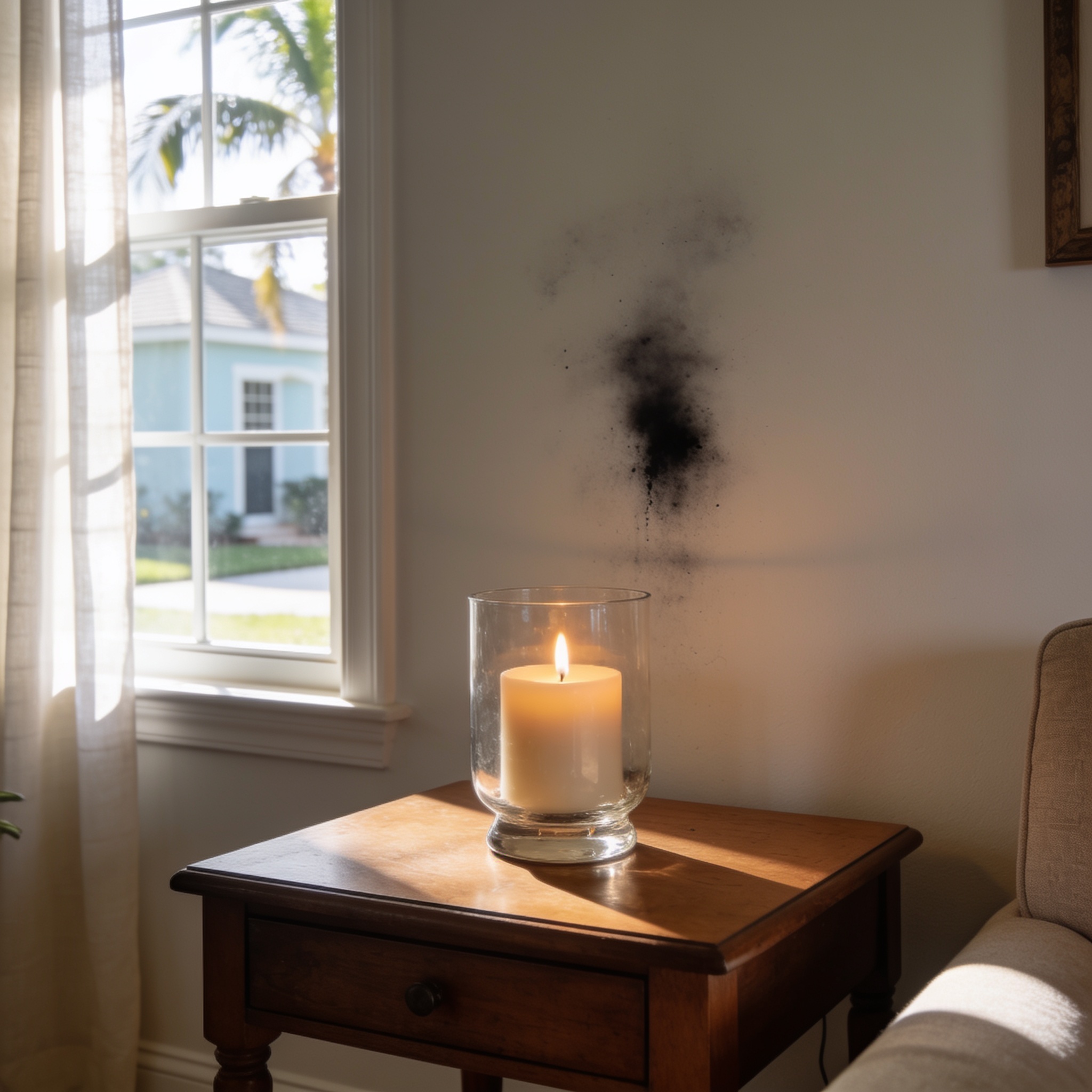
candle soot happens
when the combustion process is interrupted.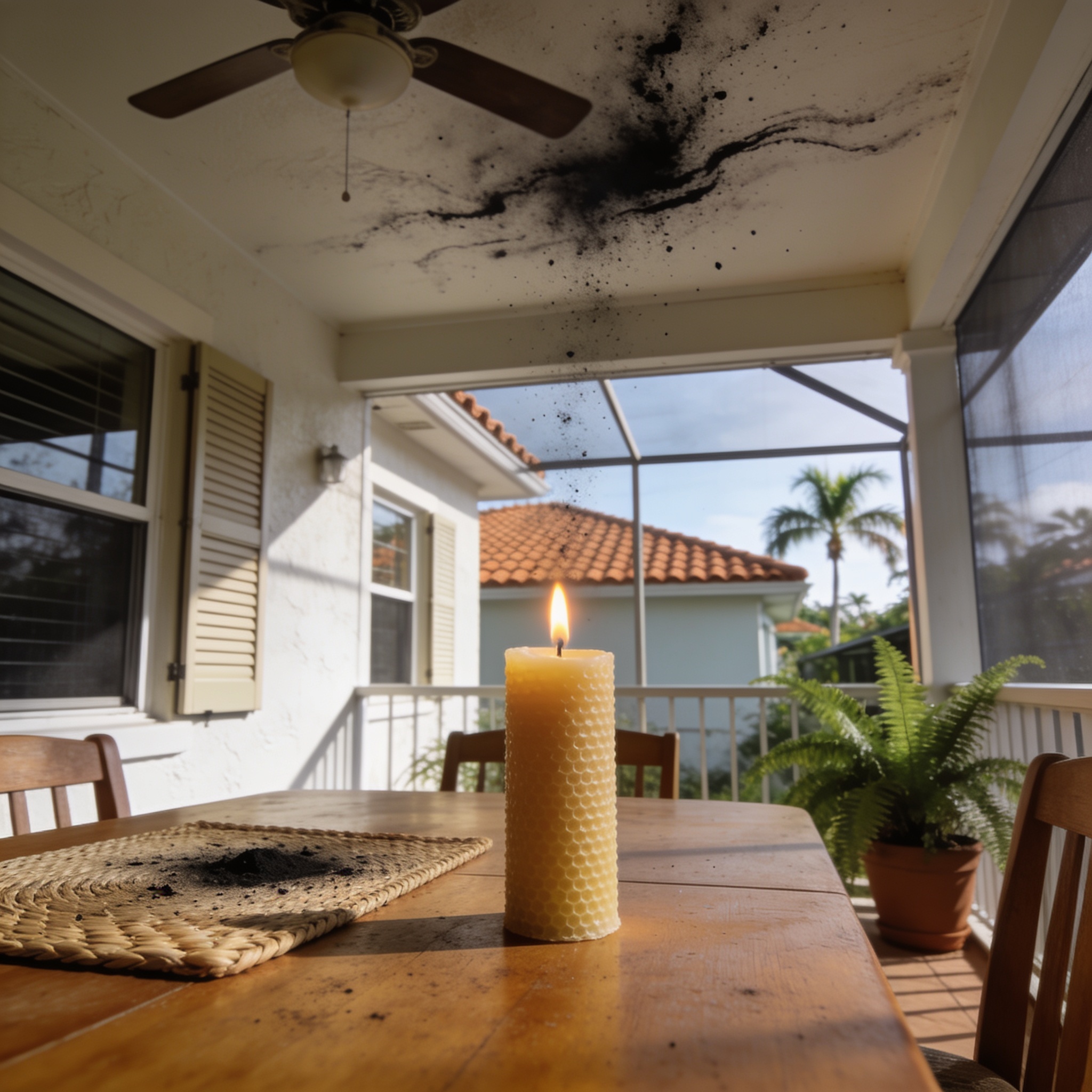
Key Takeaways
- Candle soot is caused by incomplete combustion, often due to an untrimmed wick or drafts.
- Soot particles are microscopic and can easily penetrate porous surfaces like drywall paint.
- Regular wick maintenance is the most effective way to prevent soot from accumulating.
- Cleaning soot requires specific techniques, such as using a dry chemical sponge to avoid smearing.
- Persistent soot buildup may indicate a need for professional remediation, similar to services provided by a water restoration company.
What Does Candle Soot Look Like and How Do You Identify It on Walls?
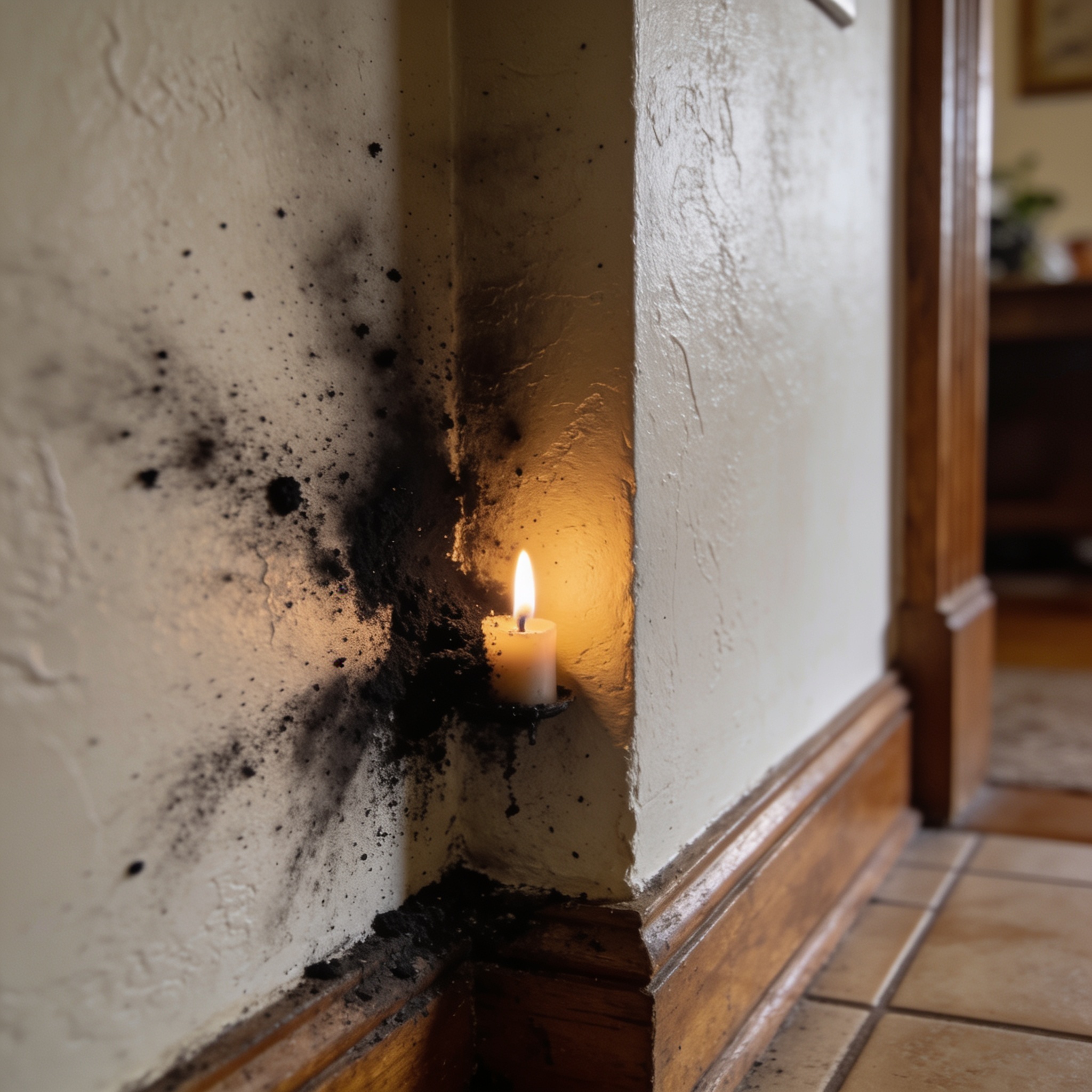
candle soot on walls
typically appears as fine, dark gray or black streaks that radiate outward from the point of origin, often settling near theceiling
or above door frames. You can identify theseunsightly
marks on your walls by their greasy texture and the way they smudge when touched. If you notice black residue accumulating in corners, it is often a sign that airflow is trapping particulate matter against the surface. In the humid climate of SWFL, these particles can bond more aggressively to paint, making them harder to remove than dry dust. Because soot can build up over time, regular inspection of yourwalls and ceilings
is recommended.What Causes Candle Soot to Form and Why Do Your Walls Turn Black?
The primary cause of candle soot is incomplete combustion, which occurs when a candle flame does not receive enough oxygen or when the fuel-to-air ratio is unbalanced.soot forms when the wax
is consumed too quickly, the flame flickers and releases unburned carbon particles into the air. This happens because the wax is drawn up the wick, and if the flame thatproduce soot
is not managed, it deposits as soot. If you use too much fragrance oil, the candle may struggle to burn, leading to a flame that flickers. Additionally, drafts make the flame flicker, which increases carbon output.Is Candle Soot Harmful or Dangerous to Your Health?
Soot particles are considered a form of indoor air pollution, and according to the EPA, inhaling fine particulate matter can irritate the respiratory system. While a single candle rarely creates enough volume to cause acute health issues, chronic exposure to soot buildup in poorly ventilated homes can be problematic. If you are already dealing with indoor air quality concerns, such as those addressed during water damage restoration sanibel, it is vital to keep your home’s air circulation systems clean to prevent further soot accumulation.Can Scented Candles Make Soot Worse Than Unscented Ones?
Scented candles often tend to produce more soot than unscented ones because the high concentration of fragrance oil can interfere with the burning process. When the ratio of wax and fragrance is not optimized, the candle flame struggles to burn cleanly, leading to an increase in carbon emissions. If you notice your favorite candle is producing a lot of smoke, it is likely the fragrance load is causing the wick to struggle.What Types of Candles Produce Less Soot?
Choosinghigh-quality candles
made from natural sources like beeswax or soy wax generally helps youburn clean
compared to traditional paraffin wax. The specific type of candle wax used significantly impacts the emission levels. These natural waxes have a lower melting point and typically produce less soot when paired with a properly sized wick. Always look forclean-burning
candles that specify they are designed to minimize the amount of soot released during the combustion cycle.How to Remove Black Candle Soot From Walls: The Best Cleaning Methods
Toclean candle soot from walls
, you must first use a dry chemical sponge to lift the loose soot without smearing it into the paint. Never start by using water, as moisture can turn the soot into a permanent stain.| Step | Action |
|---|---|
| 1 | Use a dry soot sponge to blot the surface gently. |
| 2 | For stubborn residue, use a mild dish soap or vinegar solution. |
| 3 | If stains persist, use a light solution of trisodium phosphate (TSP). |
| 4 | Rinse with a cloth with mild soapand dry immediately. |
| 5 | Use a damp cloth with milddish soap to finalize the cleaning solution removal. |
Can Candle Soot Permanently Damage Your Walls?
Soot can permanently damage your walls if it is allowed to settle for long periods, especially in the high-humidity environments found in Florida. The carbon particles can eventually bond with the paint, making it impossible to remove without sanding or repainting the affected area. If you find that the soot has caused significant discoloration, it may be time to contact a professional restoration service to assess the damage. In some cases, professional dry cleaning of curtains or upholstery may be required if the soot has spread.How Can You Prevent Candle Soot From Staining Your Walls in the Future?
The most effective way to prevent candle soot is totrim your wick
to exactly ¼ inch before each burn to ensure a stable flame. Follow these 5 prevention tips to keep your homesoot-free
:- Trimming: Always perform wick trimming to ¼ inch before each burn to prevent a large, flickering flame.
- Avoid drafts: Keep your candles away from air vents, fans, or open windows to ensure the flame stays steady.
- Limit burn time: Do not burn a candle for more than three to four hours at a time to keep the wax pool controlled and prevent the
candle jar
from overheating. - Use high-quality wax: Choose candles made from soy or beeswax, which generally produce less soot than paraffin.
- Clean the candle: Remove any debris or carbon buildup from the candle jar after every use to ensure a
clean candle
burn next time.
Frequently Asked Questions
If you have lingering concerns about soot or need help with home maintenance, here are the answers to common questions.Does burning a candle near a wall always cause stains?
No, but burning a candle too close to a wall significantly increases the risk of soot buildup due to the proximity of the flame to the surface.Can I use vinegar to remove soot
?
While a cleaning solution involving soap and warm water
or vinegar can be effective, it is often better to use a dry soot sponge first to avoid rubbingsoot off walls
and into the paint.Is soot buildup covered by insurance?
Most standard homeowner insurance policies in Florida do not cover soot damage from candles, as it is generally considered a maintenance issue.How do I know if my candle is burning correctly?
A properly burning candle should have a steady, teardrop-shaped flame and should not produce visible black smoke. To ensure you have a soot-free experience, keep the wax pool free of debris, ascandle burns
are cleaner when the wick is maintained.Should I use a wick dipper?
Yes, using a wick dipper or a wick trimmer is an excellent way to maintain your candle wicks and ensure you preventsoot stains
from accumulating over time. This helps maintain the ambiance while ensuring your candles burn cleaner.See also: Water Damage Restoration
See also: Water Damage Restoration
See also: Water Damage Restoration
SR
SWFL Restoration Editorial
Local restoration research team
Our editorial team verifies licensing and reviews for every restoration company in the directory and writes practical, Florida-specific guides to help homeowners act fast and protect their insurance claims after water, fire, mold or storm damage.