Flooded or fire damage right now? Call 24/7 — (239) 555-0199 for an emergency restoration company near you.
Storm Prep
Why Would a Basement Flood? Common Causes and Prevention Tips
Practical, Florida-specific guidance from our restoration team.
SR
SWFL Restoration Editorial
Oct 7, 2026 7 min read
Key Takeaways
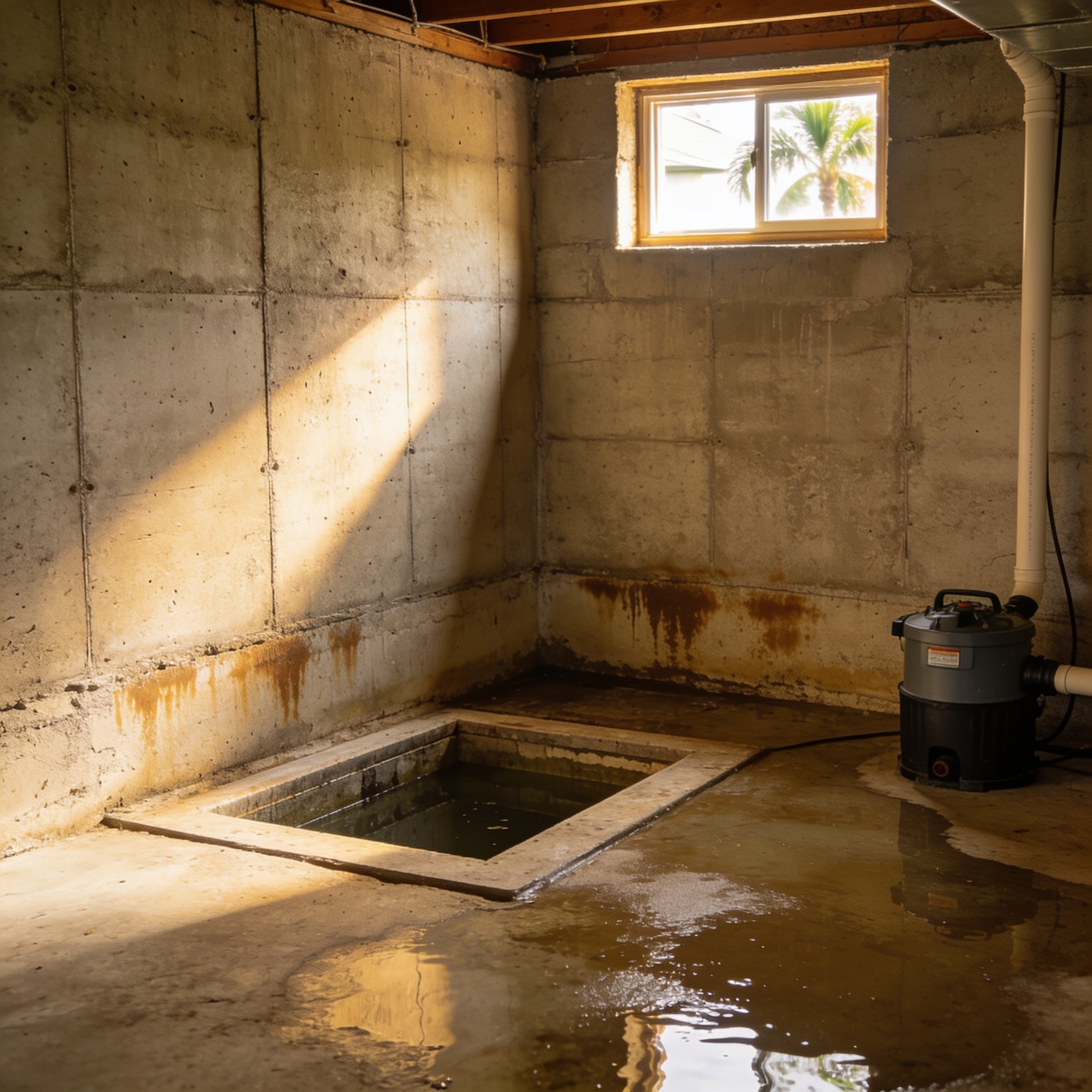
- Basement flooding in SWFL is often driven by the region’s naturally high water table and intense seasonal rainfall.
- A malfunctioning sump pump is the most frequent mechanical cause of standing water in lower-level spaces.
- Exterior drainage issues, such as clogged gutters or improper grading, force surface water toward your foundation.
- Hydrostatic pressure can force moisture through foundation walls even when there is no visible pipe leak.
- Professional water damage restoration is essential to prevent long-term structural decay and mold growth.
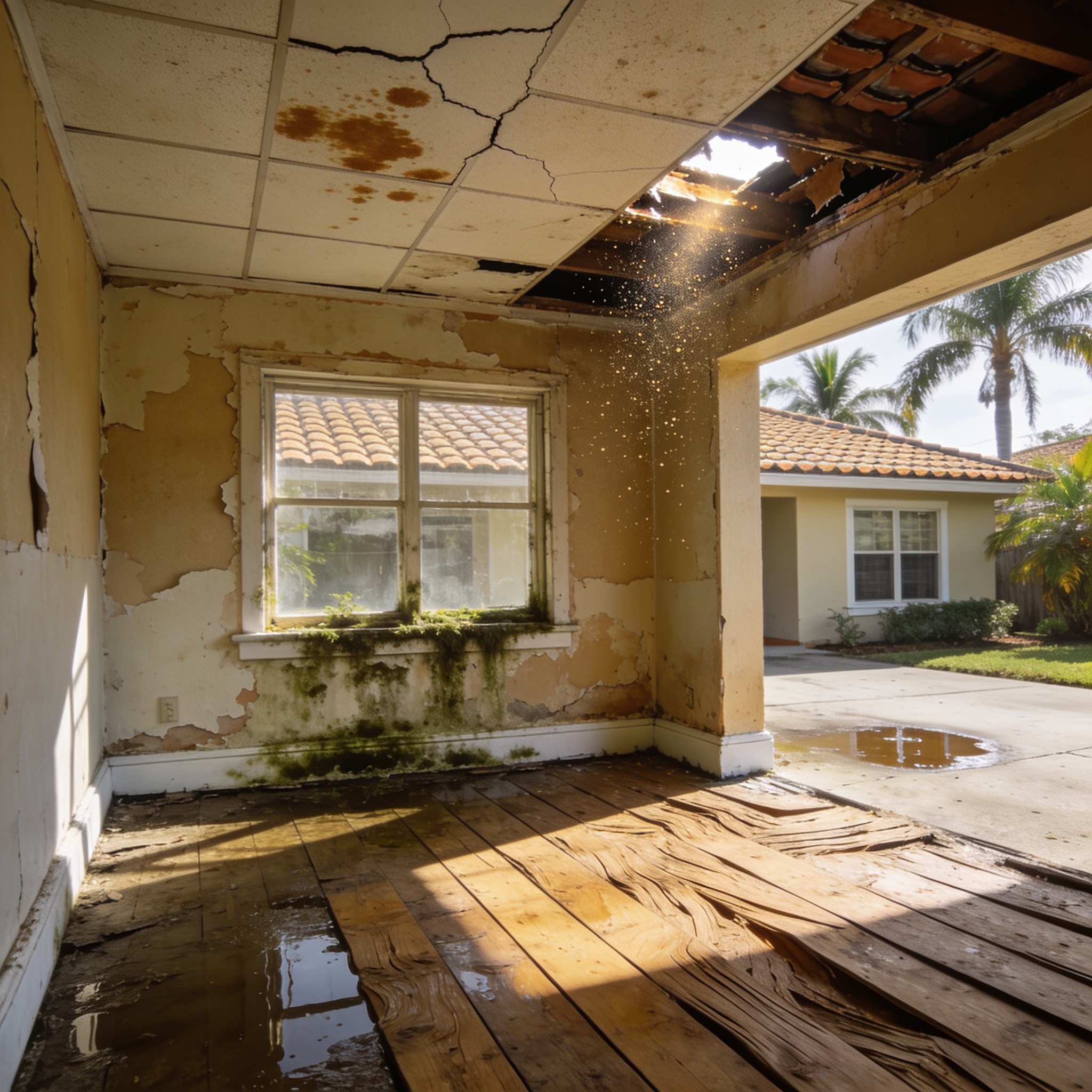
What Are the Most Common Reasons for Water Damage?
5 Common Reasons Explained
- Sump pump failure occurs when the mechanical pump stops working due to power outages or float switch issues, leaving no way to remove groundwater.
- Improper exterior grading causes surface water to flow toward your home rather than away from the foundation wall.
- Clogged gutters and downspouts create an overflow of water that saturates the soil directly against the basement floor level.
- Sewer backups happen when the municipal sanitary sewer system is overwhelmed by heavy rain, forcing sewer water back into your home.
- Hydrostatic pressure builds up in the soil surrounding your home, pushing water through microscopic cracks in the foundation wall.
How Common Is It for a Wet Basement to Occur?
Flooding in lower-level areas is a significant risk in Florida, especially during hurricane season when the water table rises rapidly. Monitoring your property with a rain gauge can help you track how much precipitation is contributing to soil saturation. In SWFL, the flat topography means that excess water does not drain away quickly, increasing the likelihood of a wet basement. Flooding can occur unexpectedly, and homeowners should consult their flood insurance policy, as standard homeowners’ insurance often excludes coverage for rising groundwater or surface water.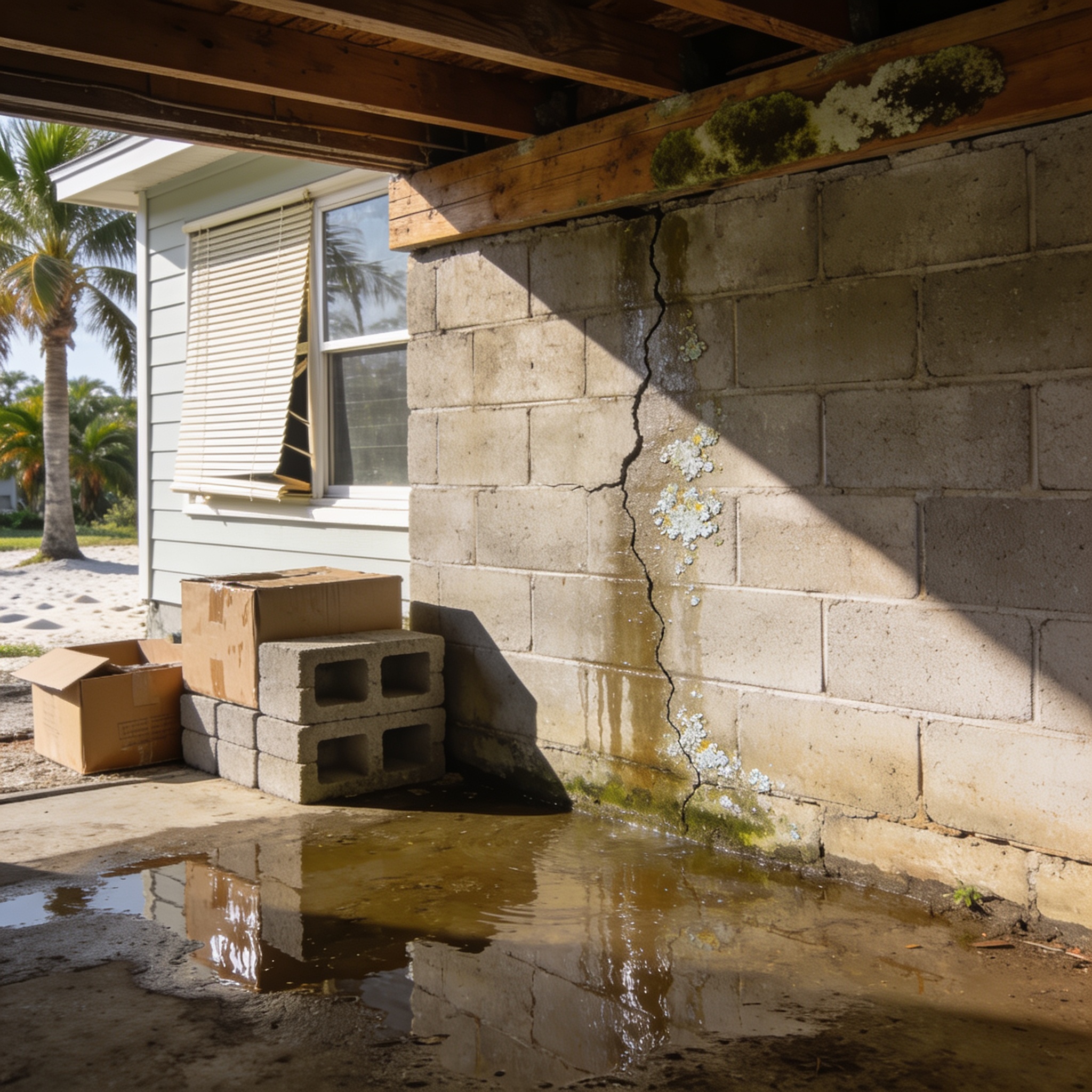
What Are the Signs of Water Problems Before It Gets Worse?
Early detection of moisture is critical to preventing extensive water damage that requires professional intervention. You might notice a musty smell, which often indicates that mold is already beginning to grow behind wall panels. Efflorescence—a white, powdery substance on concrete—is a clear sign that water is being pushed through your foundation wall by hydrostatic pressure. If you see damp spots on the basement floor or notice your sump pump running constantly, you should contact a specialist for water damage restoration immediately. A smart sensor that detects water on the floor can provide an early warning for these water problems.Is Water in My Basement a Serious Problem?
Water seepage is a serious structural concern because it indicates that your home’s moisture barrier has been compromised. Over time, constant exposure to moisture weakens the foundation and creates an environment where toxic mold can thrive. If you are in the region, seeking Water Damage Restoration is necessary to ensure the structural integrity of your property remains intact. Ignoring minor leaks can lead to catastrophic failure of your foundation wall during the next heavy rain event. Serious flooding can result from these ignored issues, often requiring you to pump out the water quickly to minimize structural impact.Why Is My Basement All of a Sudden Flooding?
Sudden flooding is usually triggered by a localized event, such as a major storm or a sudden failure of your drainage system. If the flooding happens during a dry spell, the source of the water is likely a burst pipe, a broken water heater, or a malfunctioning washing machine. When flooding occurs during rain, it is often due to a failure in your exterior drainage system or a power failure that disabled your pump. Identifying the source of the water immediately is one of the essential steps to take when your basement floods.Types of Drain Systems and How They Help
Plumbing issues typically involve clean water or sewage, whereas drainage issues involve groundwater or rainwater entering from the outside. If the water is coming from floor drains or a toilet, it is likely a sewer backup caused by a clog in the main line. If the water is seeping through the walls or rising from beneath the basement floor, it is a drainage issue related to the water table or surface runoff. Installing a below-slab perimeter drainage system can effectively manage groundwater, while an under-floor drainage system may be necessary for homes with severe hydrostatic pressure. For reliable help, Water Damage Restoration can help you distinguish between these two common reasons for flooding.Steps to Take When Your Basement Floods
Your first priority is safety, so you must turn off the electricity to the affected area if it is safe to do so before touching any standing water. Shutting off the main water valve can also prevent further flooding if a pipe has burst. Once the power is disconnected, you should attempt to identify the source of the water if it is safe to approach. Do not attempt to use a standard vacuum to remove water, as this poses a severe risk of electric shock. Contact a professional restoration company to begin the water removal process while you document the damage for your insurance provider. If you find water in your basement, act fast to get the water out of your basement to prevent mold.Does Basement Waterproofing Help Prevent Water Damage?
Waterproofing is an effective strategy for managing moisture, but it cannot stop flooding caused by major sewer backups or extreme storm surges. While sealants and membranes help prevent water from seeping through walls, they do not address the root cause of hydrostatic pressure or exterior drainage failures. A comprehensive approach often requires installing a sump pit to collect water and a reliable pump to manage the water table levels. You should consult with a foundation specialist to determine if your property requires a more robust drainage system to move surface water sources away from your home.How Much Does a Flooded Basement Cost to Fix?
The cost to repair a flooded basement varies significantly based on the volume of water and the extent of the structural damage. Minor cleanup and drying can cost as little as $1,500, while major repairs involving mold remediation and foundation wall stabilization can exceed $15,000. These costs are often influenced by the need for professional water extraction, industrial-grade dehumidification, and the replacement of damaged flooring or drywall. Always check your specific insurance policy to see what types of water damage are covered under your current plan.Tips to Help Prevent a Clog or Sewer Backup
Installing a high-quality sump pump with a battery backup system is the most effective way to help prevent water damage in a flood-prone area. You should also ensure that your gutters and downspouts are clean and direct water at least ten feet away from your foundation. Regularly inspect your property for depressions in the ground that might collect water and fill them to ensure proper slope. Finally, consider using a safe tree root killer to prevent vegetation from infiltrating your sewer lines. Ensure your landscaping slopes away from your home to keep water in the basement from becoming a recurring issue. When checking around your home, ensure the basement level is not lower than the storm sewer line to avoid backflow.Frequently asked questions
Common questions regarding basement maintenance and flood prevention are addressed below to help you protect your home.
Can tree roots cause my basement to flood?
Yes, tree roots can grow into your sewer lines, causing a clog that leads to sewage backup inside your home.How often should I test my sump pump?
You should test your sump pump at least once every three months by pouring a bucket of water into the pit to ensure the float switch triggers the pump.Is it safe to stay in the house during a basement flood?
It is generally unsafe to stay if there is standing water near electrical outlets, as this creates a significant risk of electrocution.What is a backflow prevention device?
A backflow prevention device is a valve installed on your sewer line that prevents sewage from flowing back into your home during a city sewer backup.Does homeowners insurance cover basement flooding?
Most standard homeowners insurance policies do not cover flood damage, so you usually need a separate flood insurance policy to be protected against rising groundwater. SR
SWFL Restoration Editorial
Local restoration research team
Our editorial team verifies licensing and reviews for every restoration company in the directory and writes practical, Florida-specific guides to help homeowners act fast and protect their insurance claims after water, fire, mold or storm damage.