Why Does My Basement Flood When It Rains? Common Causes and Solutions
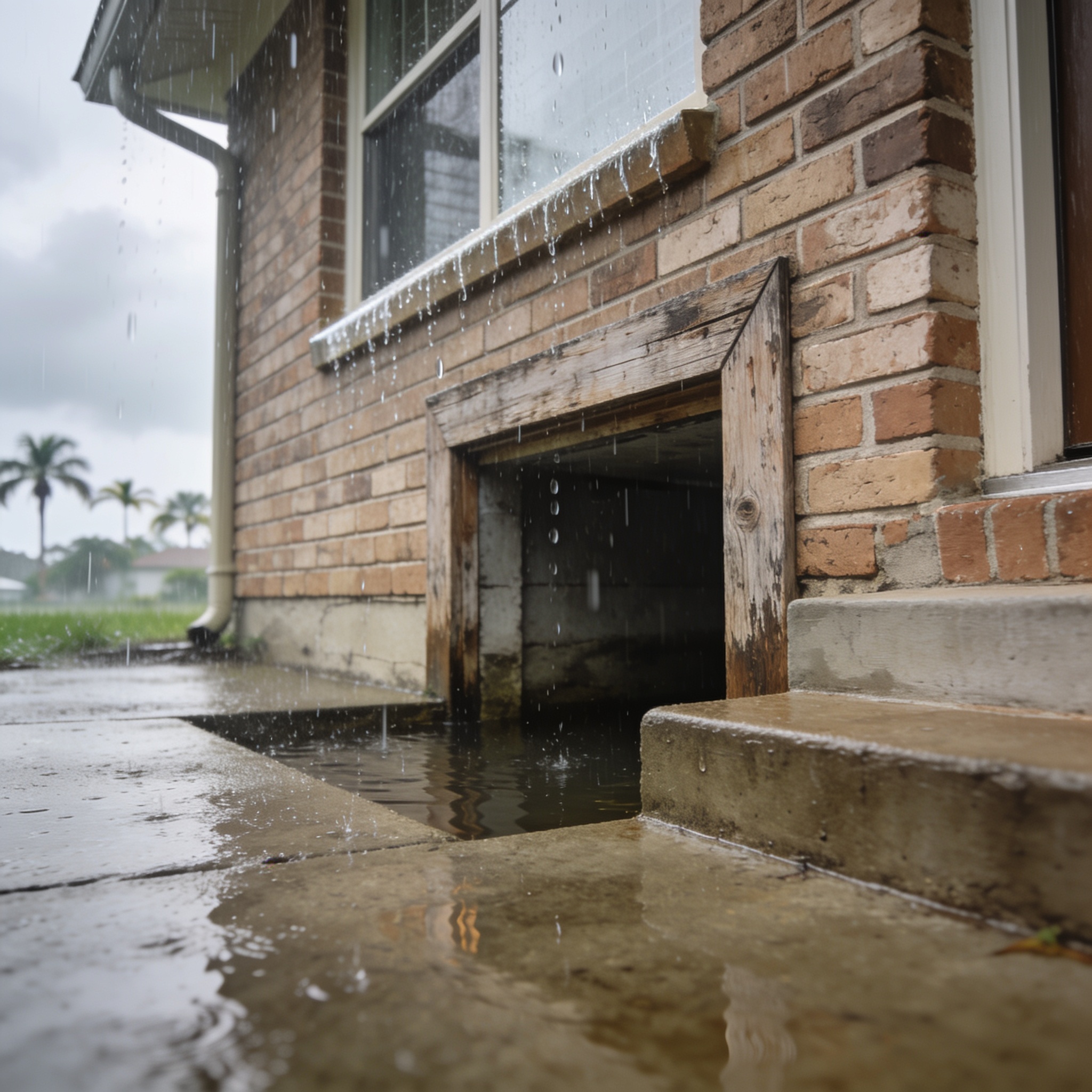
The primary reason why does my basement flood when it rains is that hydrostatic pressure forces groundwater through foundation cracks or porous concrete, a problem affecting roughly 60% of homes with subterranean levels in flood-prone regions like Southwest Florida. When heavy rain saturates the soil around the foundation, the resulting water pressure seeks the path of least resistance, which is often your basement floor or walls. Understanding the specific mechanics of water intrusion—including how water coming through the slab or walls behaves—is the first step for any homeowner looking to prevent water damage and manage a flooded basement.
Key Takeaways
- Hydrostatic pressure is the leading cause of water entering a basement during a storm.
- Properly directing gutters and downspouts away from your foundation is the most effective DIY defense.
- Sump pump systems are essential for managing high water tables common in Lee and Collier counties.
- Early detection of a leak can save thousands in potential water damage restoration costs.
- Insurance coverage for basement flooding is rarely included in standard policies and requires a separate flood insurance rider.
Basements flood during heavy rain
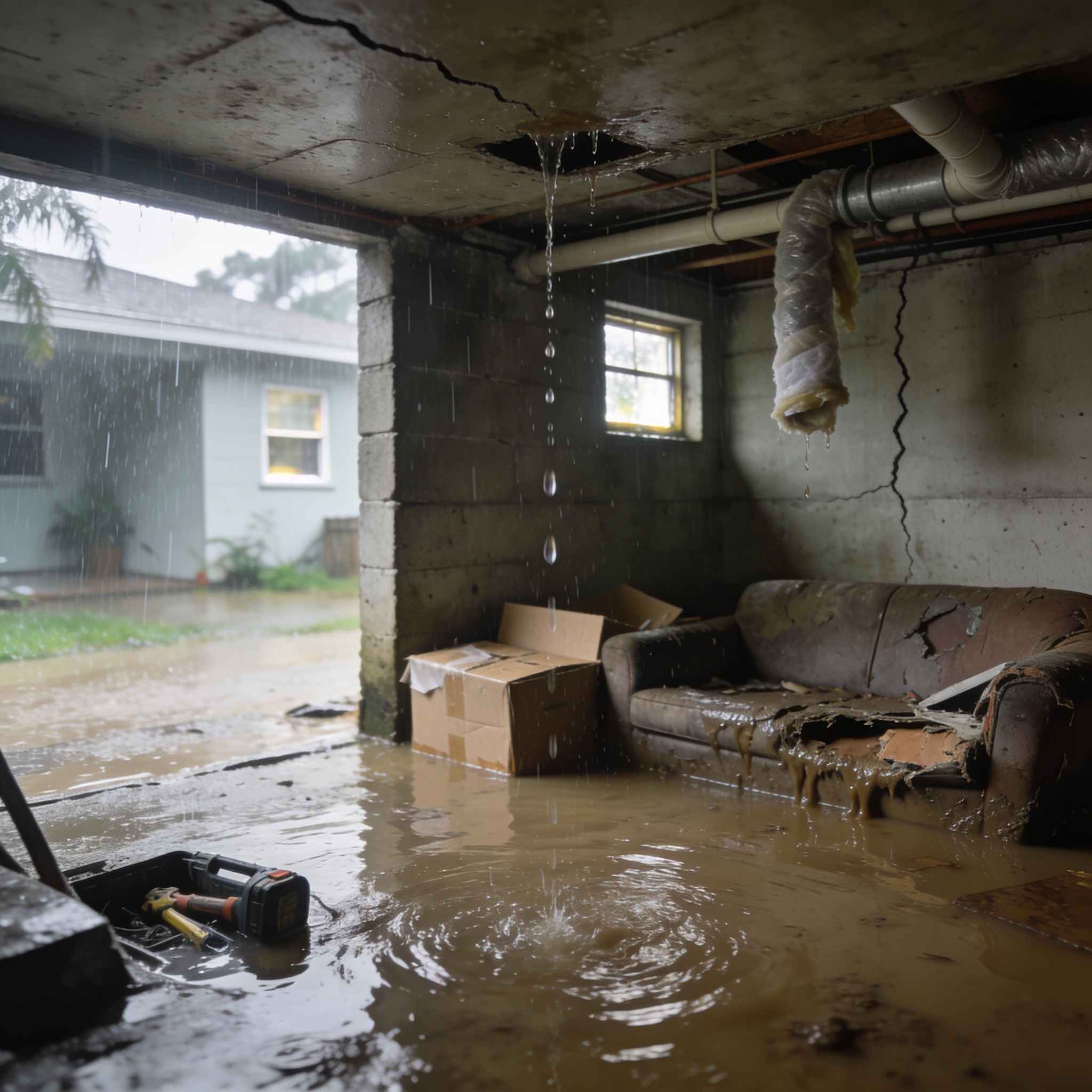
Basements flood during heavy rain primarily because the soil surrounding your foundation becomes oversaturated, creating immense hydrostatic pressure on your foundation. In Southwest Florida, the high water table often sits just a few feet below the surface, meaning the ground has little capacity to absorb additional water from a rain storm. When the soil cannot hold more moisture, the excess water pushes against the concrete, forcing its way through even the smallest cracks in the basement walls and floors.
What Are the Common Causes of Water Damage?
The 5 common causes of water damage are listed below to help you identify specific vulnerabilities in your home’s exterior.
- Improperly graded soil: If the ground slopes toward your home rather than away, surface water will pool against the foundation.
- Clogged gutters and downspouts: When debris blocks your drainage system, water overflows directly onto the soil near your basement walls.
- Foundation cracks: Settling over time creates fissures in the concrete basement floor slab that act as direct conduits for groundwater.
- Failed sump pump: If your mechanical pump loses power or the float switch jams during heavy rainfall, it cannot perform basement water removal from the interior pit.
- High water table: In low-lying areas, the natural groundwater level can rise above the bottom of the floor slab during intense weather.
How Can I Tell Where the Wet Basement Water Is Coming From?
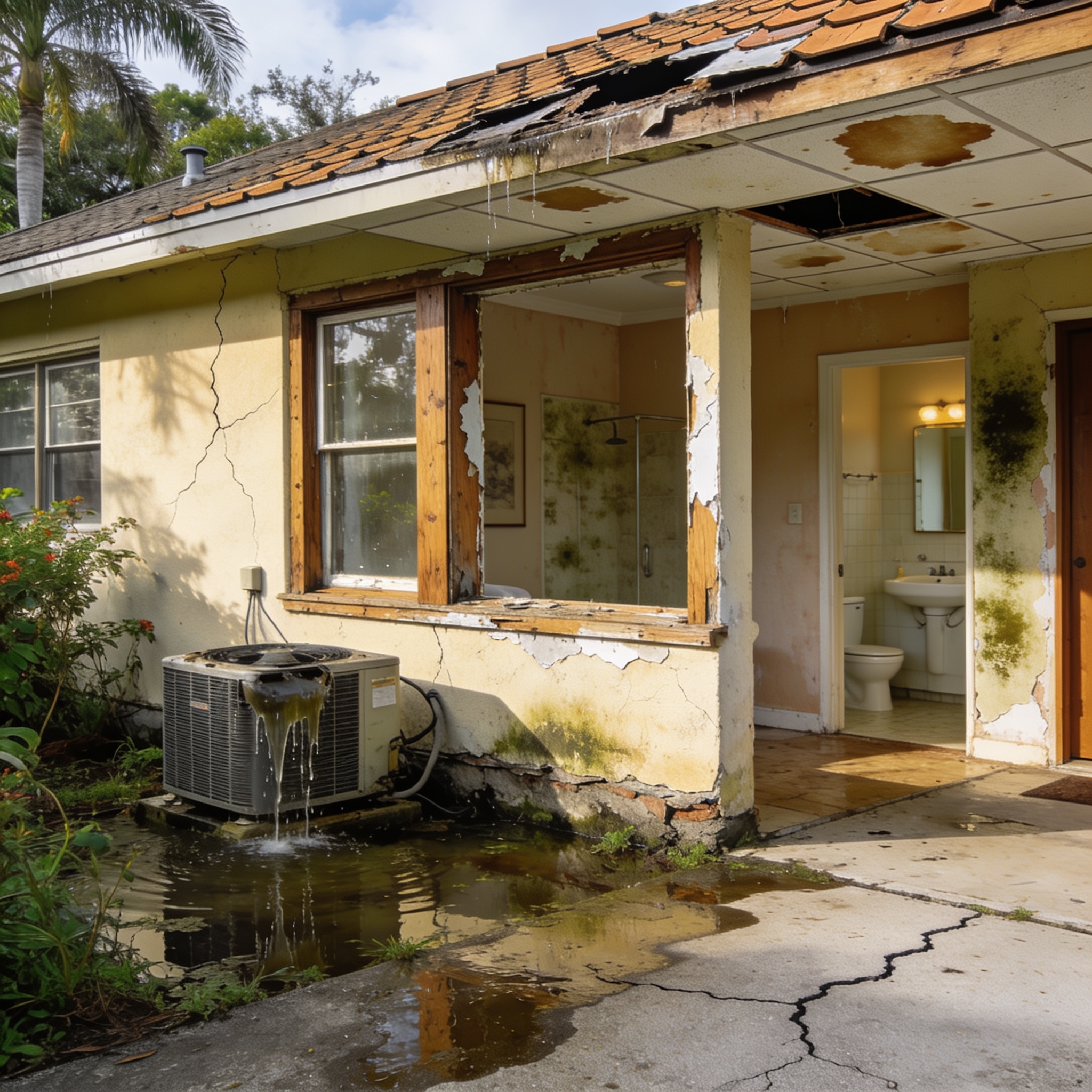
You can determine the source of the water by observing if the moisture appears at the seam where the wall meets the floor or through cracks in the concrete. If you notice water in my basement, it is likely due to hydrostatic pressure pushing groundwater upward. If you find standing water in the middle of the floor, it may indicate a failure of the slab integrity. Professionals often use a rain gauge to monitor precipitation levels and a smart sensor that detects water on the floor to pinpoint the exact entry point before beginning basement waterproofing.
Is It Normal to Get a Wet Basement After Heavy Rain?
It is not normal for a healthy structure to experience water intrusion, and consistent flooding indicates a failure in your home’s exterior drainage system. While many homes in Florida were built on slabs, those with basements or a crawl space require specialized care. If you notice water in the basement every time it rains, you should consult with local experts to assess the severity of the structural impact and check your main water and water supply lines for potential leaks that could exacerbate the issue.
What Should I Do During an Emergency Basement Flood?
Your first priority during an emergency basement flood is to ensure the electricity is turned off to prevent the risk of electrocution from standing water. Once the area is safe, you must begin the process of extraction to prevent mold growth. Contact professional experts to handle the flooded basement cleanup, especially if the water originated from a sewer system or contains contaminated water. They have the industrial-grade equipment needed to remove water from deep within the concrete floor slab.
How Can I Prevent Water Damage?
You can help prevent water damage by extending your downspouts at least six to ten feet away from the foundation. This simple adjustment ensures that water runoff from your roof does not saturate the soil directly next to your basement walls. Additionally, installing a below-slab perimeter drainage system can manage hydrostatic pressure by collecting water before it reaches the interior. For comprehensive protection, consider installing a professional-grade sump pump with a battery backup system.
Types of Drain Systems and Sump Pumps
A sump pump is a critical component of a drain system, but it cannot stop flooding if the underlying grading and exterior waterproofing are inadequate. There are various types of drain systems, including interior French drains and exterior footing drains. If your foundation cracks are significant, the pump may be overwhelmed. Always pair a high-capacity pump with proper exterior management to keep the basement dry.
How to Help Prevent Future Basement Issues
The most cost-effective way to prevent future water damage is to perform routine maintenance on your gutters and downspouts to ensure they divert water away from the house. You can also apply a high-quality masonry sealant to the interior of basement walls. If the concrete floor slab is severely deteriorated, you might consider removing and replacing sections to install a modern drainage mat. Additionally, use a safe tree root killer in your exterior lines to ensure roots don’t compromise your pipes, and flush your toilets once a year to keep sewer lines clear.
How Can I Prevent Mold After Basement Flooding?
To prevent mold growth after a flood, you must reduce the relative humidity in the basement to below 60% using a high-capacity dehumidifier. Remove all porous materials like carpet, drywall, and insulation that have been soaked in water. The Florida Department of Health emphasizes that rapid drying is the most effective way to prevent future basement mold colonies from establishing themselves in your home. If you suspect mold has already taken hold, seek professional remediation services immediately.
Does Homeowners Insurance Cover Basement Flooding From Rain?
Standard homeowners insurance policies in Florida typically exclude coverage for basement flooding caused by groundwater, surface water, or heavy rain. According to the National Flood Insurance Program (NFIP), you must purchase a separate flood insurance policy to protect against these specific perils. Many policies also differentiate between “sewer backup” and “flood,” so it is vital to review your declarations page with your agent. Always document the extent of the water on the floor with photos before beginning any cleanup efforts.
Frequently asked questions
We have compiled the most common inquiries regarding basement water issues to help you better understand your property’s needs.
Does a sump pump require a dedicated electrical circuit?
Yes, most building codes require a sump pump to be on a dedicated circuit to prevent tripping the breaker during a heavy rain event when the pump is working hardest. This also helps protect other appliances, such as your water heaters, from power surges.
How often should I test my sump pump?
You should test your pump at least twice a year by pouring a bucket of water into the pit to ensure the float switch activates the motor correctly.
Can tree roots cause basement flooding?
Yes, tree roots can grow into your perimeter drainage pipe or create cracks in the foundation, which significantly increases the risk of water intrusion. Using a safe tree root killer can help mitigate this risk.
What is the difference between a sump pump and a backflow valve?
A sump pump removes groundwater from around your foundation, while a backflow prevention device stops sewage from the municipal sewer system from entering your home during a flood.
| Mitigation Strategy | Estimated Cost Range | Primary Benefit |
|---|---|---|
| Extend Downspouts | $50 – $200 | Directs water away from foundation |
| Install Sump Pump | $800 – $2,500 | Active water removal |
| Interior Waterproofing | $2,000 – $6,000 | Manages hydrostatic pressure |
| Removal of the concrete floor | $5,000+ | Allows for new drain installation |
Maintaining a dry basement requires a proactive approach to managing both surface water and groundwater levels around your property. By addressing the common causes of flooding, such as poor grading and depressions in the ground, you can significantly reduce the risk of structural damage. If you do experience an emergency, contact qualified professionals for water damage restoration to ensure the safety and longevity of your home. Always prioritize the safety of your family by avoiding contact with standing water that may be contaminated by the sewer system. Regular inspections of your foundation walls and floors can help you identify small issues before they become expensive repairs. Investing in a reliable sump pump system is one of the smartest decisions a Florida homeowner can make to protect their investment. Properly managing the water flow around your home is the single most important step in preventing future basement flooding. Understanding your insurance coverage limits is essential for financial peace of mind during the hurricane season.
See also: water damage restoration companies
See also: Water Damage Restoration
See also: Water Damage Restoration
Our editorial team verifies licensing and reviews for every restoration company in the directory and writes practical, Florida-specific guides to help homeowners act fast and protect their insurance claims after water, fire, mold or storm damage.