Who to Call for a Flooded House: Expert Emergency Response
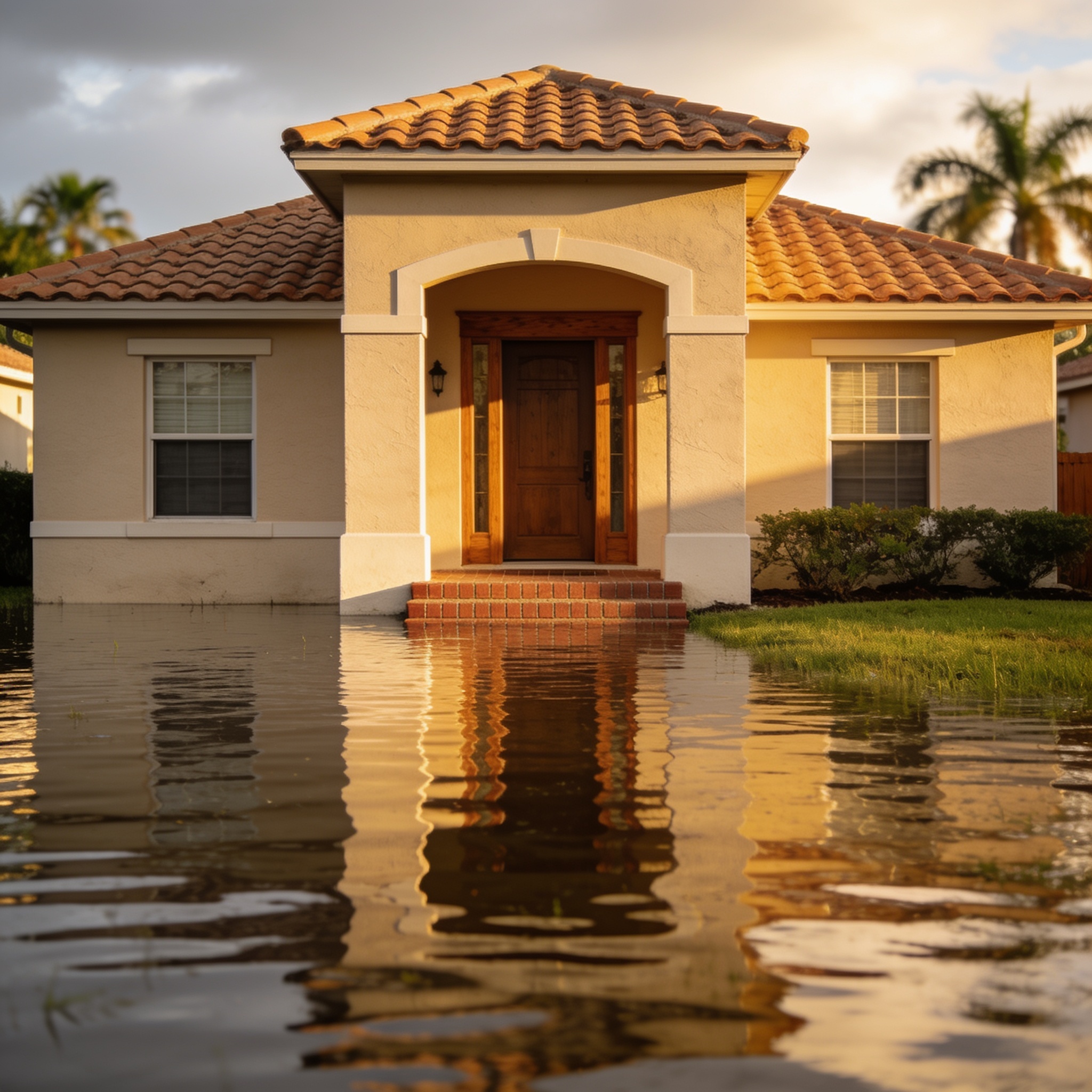
When you need to know who to call for a flooded house, the most critical factor is contacting a certified IICRC-licensed mitigation firm within the first 24 hours to prevent permanent structural decay and toxic mold growth. In Southwest Florida, where humidity levels often exceed 80%, professional water extraction is the only way to mitigate secondary damage effectively. Failing to act immediately can increase your repair costs by as much as 400% due to the rapid onset of microbial contamination. If you are dealing with a flooded basement or main floor, an immediate response is required to protect your home’s integrity.
Key Takeaways
- Prioritize your physical safety by turning off the main power at the circuit breaker before entering any standing water.
- Contact your insurance company immediately to open a claim and document the initial state of the property.
- Hire only IICRC-certified restoration specialists who understand the specific humidity challenges of the Florida climate.
- Document every square inch of damage with photos and videos before beginning any clean-up process.
- Understand that standard homeowners insurance often excludes flood damage, necessitating a separate policy through the National Flood Insurance Program (NFIP).
What Should You Do Immediately If Your House Is Flooded?
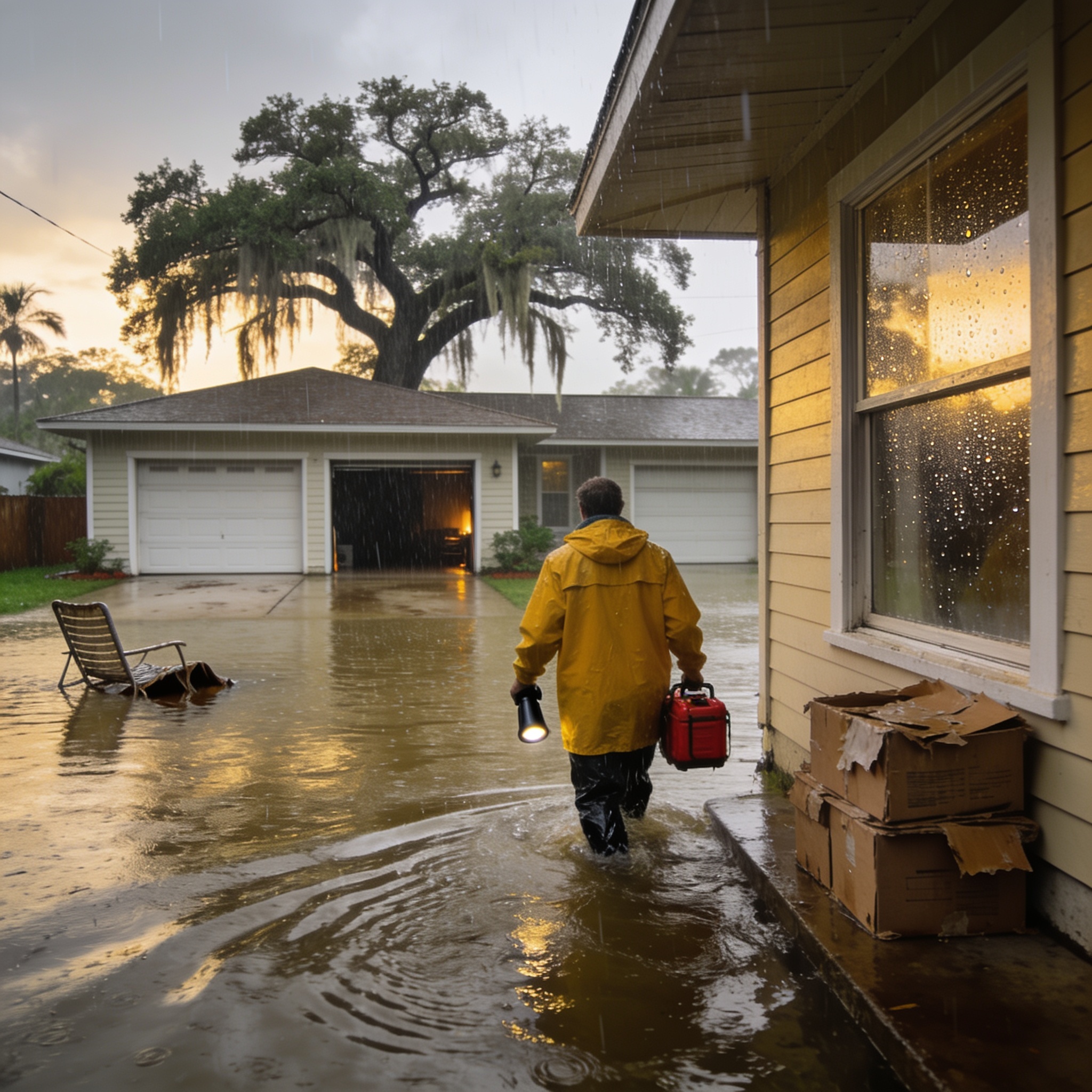
The most important action to take is to stop the flow of water and ensure the safety of all occupants. If the flood is caused by a burst water pipe, locate the main water source shut-off valve and turn it clockwise until the flow stops. Following the correct steps to take is vital, such as keeping an emergency kit accessible and ensuring you do not touch any electrical hazards. If the water is rising due to a natural disaster, evacuate the premises if local authorities in Lee, Collier, or Charlotte counties issue an evacuation order.
What Safety Precautions Should You Take During a House Flood?
You must treat all floodwater as a potential biohazard, as it may contain bacteria, viruses, or hazardous chemicals from sewerage backups. Never walk into standing water if the electricity is still active, as this creates a lethal risk of electrocution. If you must enter wet areas, ensure you are wearing rubber boots and a respirator to avoid contact with contaminated liquids or mold spores. If you suspect wiring has been submerged, contact a licensed electrician before restoring power.
Who Should You Call First When Your House Is Flooded?
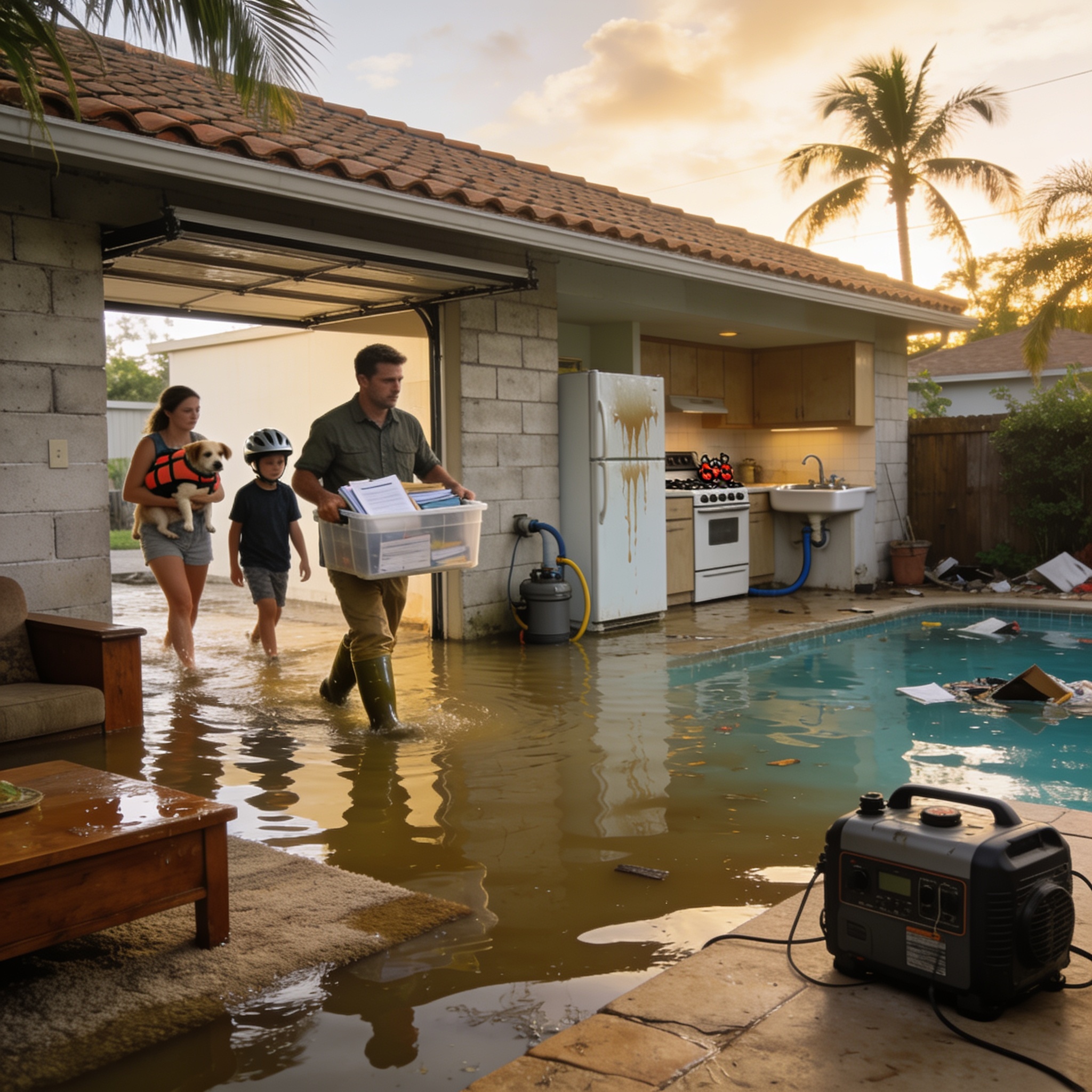
You should contact your insurance company immediately to report the incident and obtain a claim number before starting any cleanup. Notifying your insurer early ensures that you follow the specific documentation requirements outlined in your policy, which is essential for a smooth claims process. If you are in a high-risk flood zone, having your NFIP policy information ready will expedite the initial assessment. Many professional firms, such as Servpro, are available 24 hours a day to provide emergency service.
What Professionals Should You Contact for a Flooded House?
You need to assemble a team of experts, starting with a licensed plumber if the source is internal, and moving to professional restoration specialists for the cleanup. For those in the region, professional water restoration services are essential to handle the specialized industrial drying equipment needed for our humid climate. If you are located in the northern part of our service area, you may require specific Water Damage Restoration in Punta Gorda, while residents further south should seek local experts for water restoration to ensure rapid arrival times.
What Steps Should You Take to Clean Up After a House Flood?
The 5-Step Emergency Checklist
- Document the damage: Take high-resolution photos and videos of every room and all damaged personal property before moving anything.
- Water removal: Use industrial-grade pumps or wet-vacs to extract water as quickly as possible to prevent mold.
- Disinfect all surfaces: Clean all hard surfaces with a solution of one cup of bleach per gallon of tap water to neutralize bacteria and sewage contaminants.
- Remove saturated materials: Dispose of porous items like drywall, carpet, and insulation that cannot be fully sanitized.
- Initiate structural drying: Use high-velocity fans to dry the area and dehumidifiers to bring the indoor humidity back to safe levels.
Can You Dry Out Your Flooded House on Your Own?
Attempting to dry out a flooded house without professional-grade dehumidification equipment is rarely sufficient in the humid Southwest Florida environment. Even if the surface appears dry, moisture trapped behind baseboards or inside wall cavities will foster mold growth within 48 hours. Restoration specialists use moisture meters to ensure the drying process is complete, which is a standard required by the EPA for safe habitation. Once the areas of your home are cleaned and dried, you can better assess what is salvageable.
How Do You Document Flood Damage for Insurance Purposes?
Documentation is your primary tool for ensuring the insurance adjuster provides a fair assessment of your loss. Create a detailed inventory of all damaged items, including their approximate age and original cost. Keep all receipts for emergency repairs, as these costs are often reimbursable under the “loss mitigation” clause of your insurance policy. This documentation serves as your formal proof of loss during the claims process.
What Should You Do If Your House Floods and You Don’t Have Insurance?
If you lack flood insurance, you should immediately check if your area has been declared a federal disaster zone by FEMA, which may open up access to financial assistance like low-interest loans or grants. Contact local non-profit organizations and the Small Business Administration (SBA), as they often provide disaster assistance to homeowners who do not have private coverage. You must still perform basic water removal to prevent the structure from becoming a total loss.
What Should You Do If Your Insurance Claim for Flood Damage Is Rejected?
You have the right to request a formal appeal if your insurance claim for flood damage is rejected or undervalued. Review your policy language carefully to understand the specific exclusions, and consider hiring a public adjuster or a lawyer who specializes in Florida property insurance law. Having a professional review the denial can often reveal errors in the adjuster’s initial damage assessment.
How Can You Prevent Future Flooding in Your House?
Investing in preventative measures like a battery-backup sump pump and improved exterior drainage is the most effective way to avoid future flooding. Ensure that your gutters are cleaned regularly and that the drainage around your foundation slopes away from the house. Installing flood vents in low-lying areas can also help equalize hydrostatic pressure, potentially reducing your NFIP premiums. Check the inside and outside of your property for debris that might block drainage paths.
| Action Item | Recommended Timeframe |
|---|---|
| Shut off power/water | Immediate |
| Call insurer | Within 2 hours |
| Professional extraction | Within 24 hours |
| Structural drying | 3 to 7 days |
Frequently asked questions
These common inquiries help clarify the logistical and financial aspects of managing a flood emergency in Florida.
Is a basement common in Southwest Florida homes?
No, because of the high water table and low elevation, a basement is extremely rare in our region. However, if you experience basement floods, the clean-up process remains similar to ground-level water damage restoration. Even a single gallon of water in a confined space can lead to significant mold issues if not handled by restoration specialists.
Does my homeowners insurance cover flood water?
Standard homeowners insurance policies in Florida almost never cover damage caused by rising floodwater, which requires a separate flood insurance policy.
How long does the cleanup process take?
The duration depends on the extent of the water damage, but a typical professional damage cleanup and restoration project takes between three to seven days for complete structural drying.
Should I hire a plumber or a restoration company?
If the flood is caused by a burst water pipe, call a plumber to stop the leak, then call a restoration company to handle the water removal and structural drying.
What are the next steps?
After the initial next steps of securing the property and contacting your insurer, focus on professional mitigation to ensure your home is safely restored.
What if I am a renter?
If you are a renter, you should contact your landlord immediately and ensure your own renters insurance policy is activated to cover your personal property.
See also: Water Damage Restoration
See also: Water Damage Restoration
See also: Water Damage Restoration
Our editorial team verifies licensing and reviews for every restoration company in the directory and writes practical, Florida-specific guides to help homeowners act fast and protect their insurance claims after water, fire, mold or storm damage.