What Type of Damage Does a Hurricane Cause to Your Home?
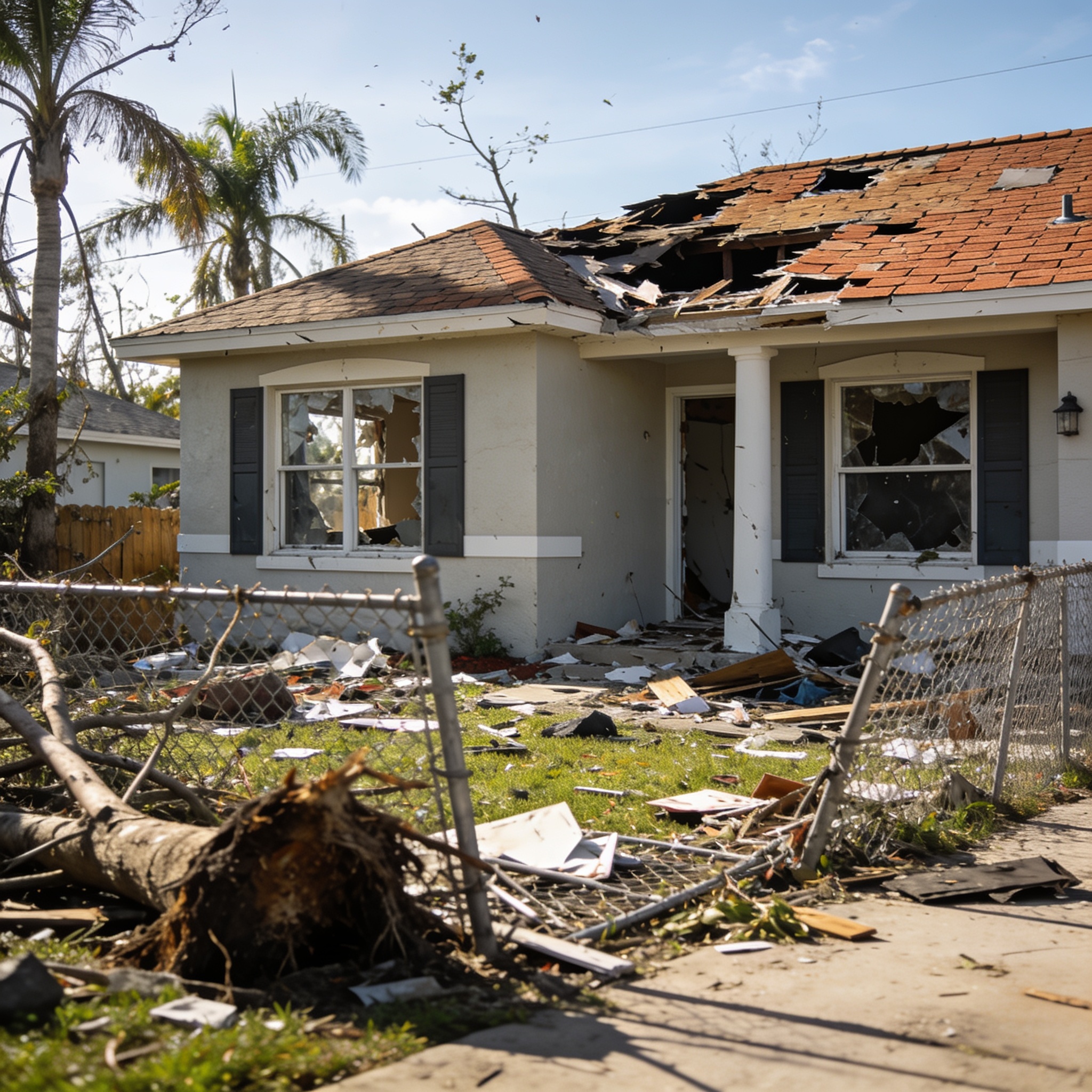
A hurricane causes property damage that typically ranges from $10,000 to over $100,000 per incident in Southwest Florida, depending heavily on whether your home experiences storm surge or just high winds. Understanding what type of damage does a hurricane cause is the first step for property owners in Lee, Collier, and Charlotte counties to secure proper coverage and mitigation strategies. This guide details the physical impacts a tropical cyclone can have on your residence during hurricane season.
Key Takeaways
- Storm surge remains the deadliest and most destructive component of any hurricane.
- Wind damage often compromises the roof, leading to secondary water intrusion.
- Inland flooding can occur hundreds of miles from the coast due to heavy rainfall.
- The Saffir-Simpson scale dictates the potential for catastrophic structural damage.
- Property owners should document all damage immediately for insurance claims.
What Type of Damage Does a Hurricane Cause? An Overview of All Major Threats
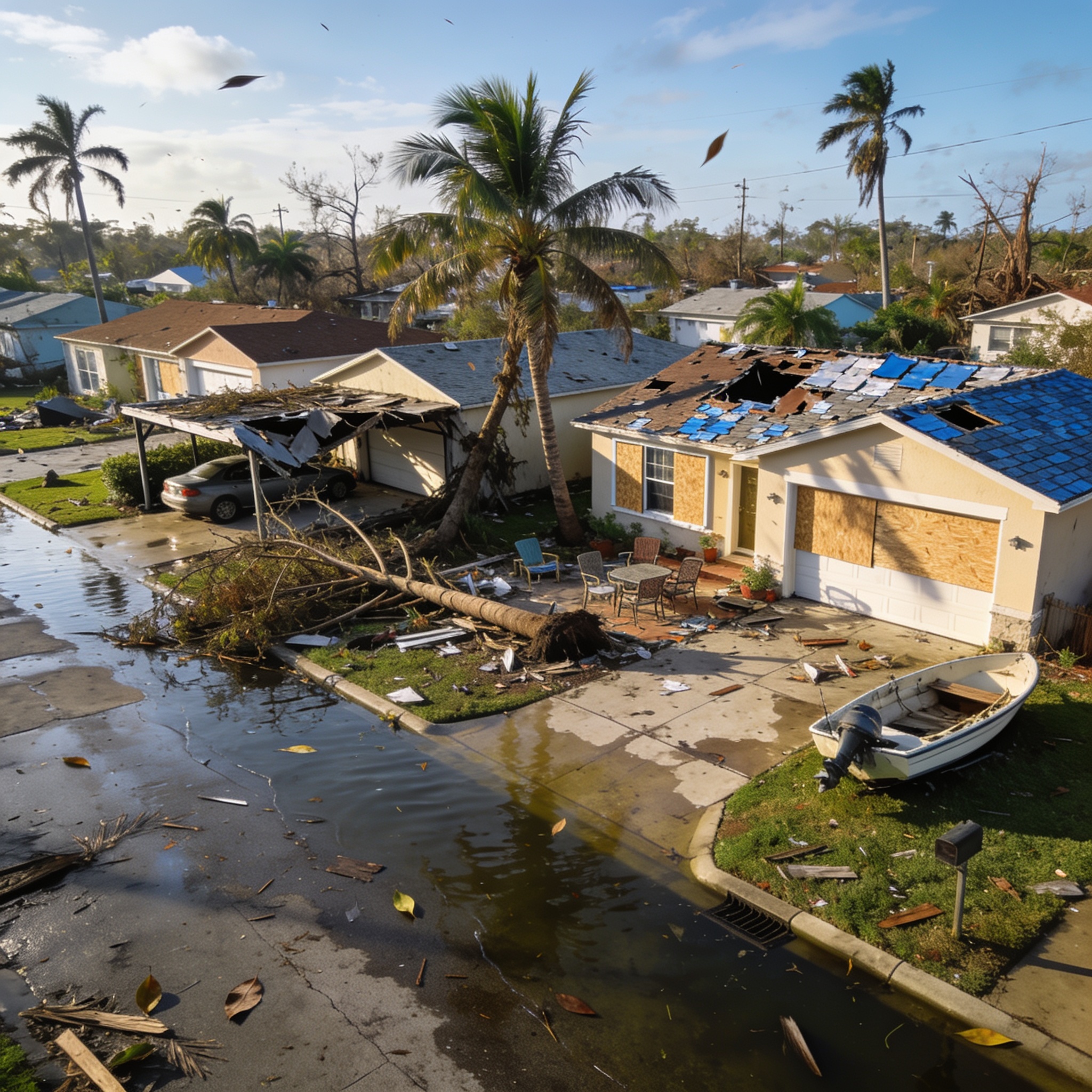
The primary threats during a hurricane include wind, water, and debris impacts that collectively result in significant property damage. According to the National Hurricane Center, these forces interact to create a complex disaster environment that affects both coastal and inland structures. Property owners must understand that a hurricane acts as a multi-hazard event requiring comprehensive mitigation efforts. Historical events like hurricane ida and hurricane katrina demonstrate how hurricanes and tropical storms can cause a tremendous amount of damage, often resulting in more than a billion in damage to local infrastructure.
What Are the Three Main Categories of Hurricane Damage?
Hurricane damage is generally categorized by its source: wind, water, and impact. Wind-driven forces often cause significant damage to roofs and siding, while water damage results from both storm surge and heavy rain. Structural damage often occurs when these three forces combine to compromise the integrity of the building envelope.
Wind and Debris
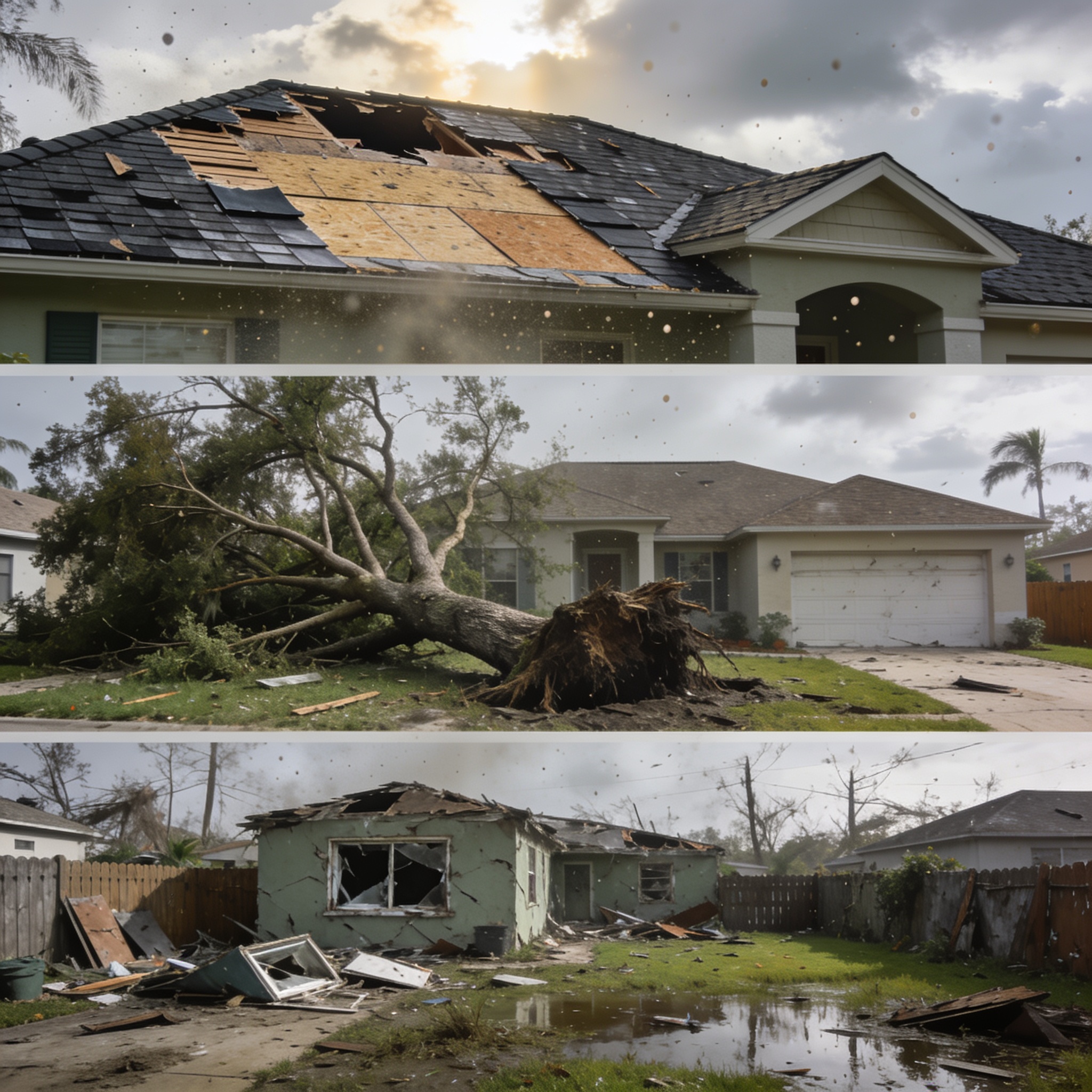
High winds can reach speeds exceeding 150 mph during a major hurricane, lifting shingles and destroying roof structures. Flying debris acts like projectiles, shattering windows and allowing pressurized air to enter the home, which can lead to roof failure. These hurricane winds are extremely dangerous and frequently cause severe physical damage to residential roofing systems and siding damage.
Water Intrusion
Water damage is the most pervasive issue, often requiring professional intervention from a Water Damage Restoration specialist. This includes both saltwater intrusion from the ocean and freshwater flooding from extreme rainfall. When filing a hurricane insurance claim, it is vital to distinguish between wind-driven rain and rising floodwaters.
Structural Instability
When foundations are undermined by erosion or storm surge, the entire structure becomes unstable. This type of damage requires an immediate assessment by a professional Water Damage Restoration to ensure safety. Recent storms like hurricane ian and hurricane michael have highlighted how catastrophic damage will occur when structural integrity is compromised.
What Is the Most Damaging and Dangerous Part of a Storm Surge?
Storm surge is widely cited by FEMA and the National Hurricane Center as the most dangerous and damaging aspect of a hurricane. This wall of water can reach heights of 10 feet or more in severe cases, inundating entire neighborhoods in seconds. Storm surge accounts for the majority of hurricane-related fatalities and the most extensive property destruction in coastal Florida.
What Are the Main Dangers and Hurricane Hazards?
The primary hazards include storm surge, hurricane-force winds, and inland flooding, which can paralyze infrastructure. Power outages are common, often caused by damage to power lines and utility poles. Property owners prepare for a hurricane by securing loose outdoor items that could become deadly projectiles.
What Are the Most Common Types of Property Damage Caused by Hurricanes (Including Brick Homes)?
The 5 most common types of property damage caused by hurricanes are listed below to help homeowners identify vulnerabilities. Even brick homes are susceptible to these specific forces during a major storm, often sustaining major damage or extensive damage that requires professional remediation.
- Roof Damage: High winds frequently peel back shingles, tiles, or entire roof decks, leading to interior water intrusion.
- Window and Door Failure: Debris impacts shatter glass, allowing wind pressure to build up inside, which can lead to catastrophic structural damage.
- Siding and Exterior Damage: Flying debris and wind gusts often strip away siding, exposing the home’s frame to moisture and pests.
- Flooding and Water Damage: Seawater or heavy rain enters the home, causing flooring, drywall, and electrical systems to fail, necessitating professional Water Damage Restoration.
- Foundation Erosion: Storm surge and heavy rainfall can wash away soil around the foundation, leading to settling or total collapse.
How Far Inland Can a Hurricane Cause Damage?
A hurricane can produce damaging winds and inland flooding hundreds of miles away from the point of landfall. While coastal areas face the brunt of storm surge, the entire state of Florida is susceptible to the torrential rains that follow a storm. Inland flooding remains a major risk for residents living near rivers and low-lying basins in Southwest Florida.
What Are the Long-Term Impacts of Hurricane Flooding on Communities and Infrastructure?
Long-term impacts of hurricane flooding include the growth of indoor mold, contamination of water supplies, and the degradation of local infrastructure. Mold can begin to grow within 24 to 48 hours of water intrusion, posing significant health risks. Communities often face years of recovery as they repair roads, power lines, and public buildings damaged by the storm.
How Is Hurricane Strength Measured and What Does Each Category Mean for Damage?
Hurricane strength is measured using the Saffir-Simpson Hurricane Wind Scale, which categorizes storms from 1 to 5 based on sustained wind speeds. These hurricane categories help define the potential for devastating damage. A category 1 hurricane and category 2 hurricane cause moderate damage, while a category 3, category 4 hurricane, or category 5 storm causes catastrophic damage. The amount of damage depends on the strength of the wind and the duration of the storm’s impact on a specific location.
| Category | Wind Speed (mph) | Potential Damage |
|---|---|---|
| Category 1 hurricanes | 74–95 | Minimal (roof, siding, tree damage) |
| Category 2 hurricanes | 96–110 | Moderate (roof, window, and tree damage) |
| Category 3 | 111–129 | Extensive (structural damage to homes) |
| Category 4 hurricane | 130–156 | Catastrophic (major roof and wall failure) |
| Costliest hurricane | 157+ | Total destruction of homes and buildings |
Frequently asked questions
Property owners often have specific concerns regarding the logistics of hurricane recovery and insurance.
Does home insurance cover all types of hurricane damage?
Most standard home insurance policies cover wind damage, but flood damage usually requires a separate policy through the National Flood Insurance Program (NFIP). This is critical for addressing damage to homes and businesses and damage along the coast when hurricane strikes occur.
How quickly does mold grow after a hurricane?
Mold can begin to colonize damp surfaces within 24 to 48 hours, making immediate water extraction essential for property preservation.
What is the difference between a hurricane watch and a warning?
A watch means hurricane conditions are possible within 48 hours, while a warning means hurricane-force winds are expected within 36 hours.
Are brick homes safer during a hurricane?
While brick homes offer better resistance to wind-borne debris than wood-frame structures, they are still vulnerable to storm surge and roof failure.
How can I practice hurricane preparedness?
Effective hurricane preparedness includes creating an emergency kit, documenting your property with photos, and ensuring your insurance policies are up to date before the season begins. Being prepared is the best way to avoid being the victim of the deadliest hurricane or the deadliest hurricane in u.s. history.
Our editorial team verifies licensing and reviews for every restoration company in the directory and writes practical, Florida-specific guides to help homeowners act fast and protect their insurance claims after water, fire, mold or storm damage.