What to Do After a Basement Flood: Essential Recovery Steps
You should prioritize safety by cutting power to the flooded area and contacting your insurance company immediately, as professional remediation typically costs between $3,000 and $10,000 depending on the severity of the flood. Taking these immediate actions after a basement flood helps mitigate long-term structural issues common in Southwest Florida’s high-humidity climate. Following a systematic recovery plan is the most effective way to protect your property value and ensure your home remains habitable for every homeowner.
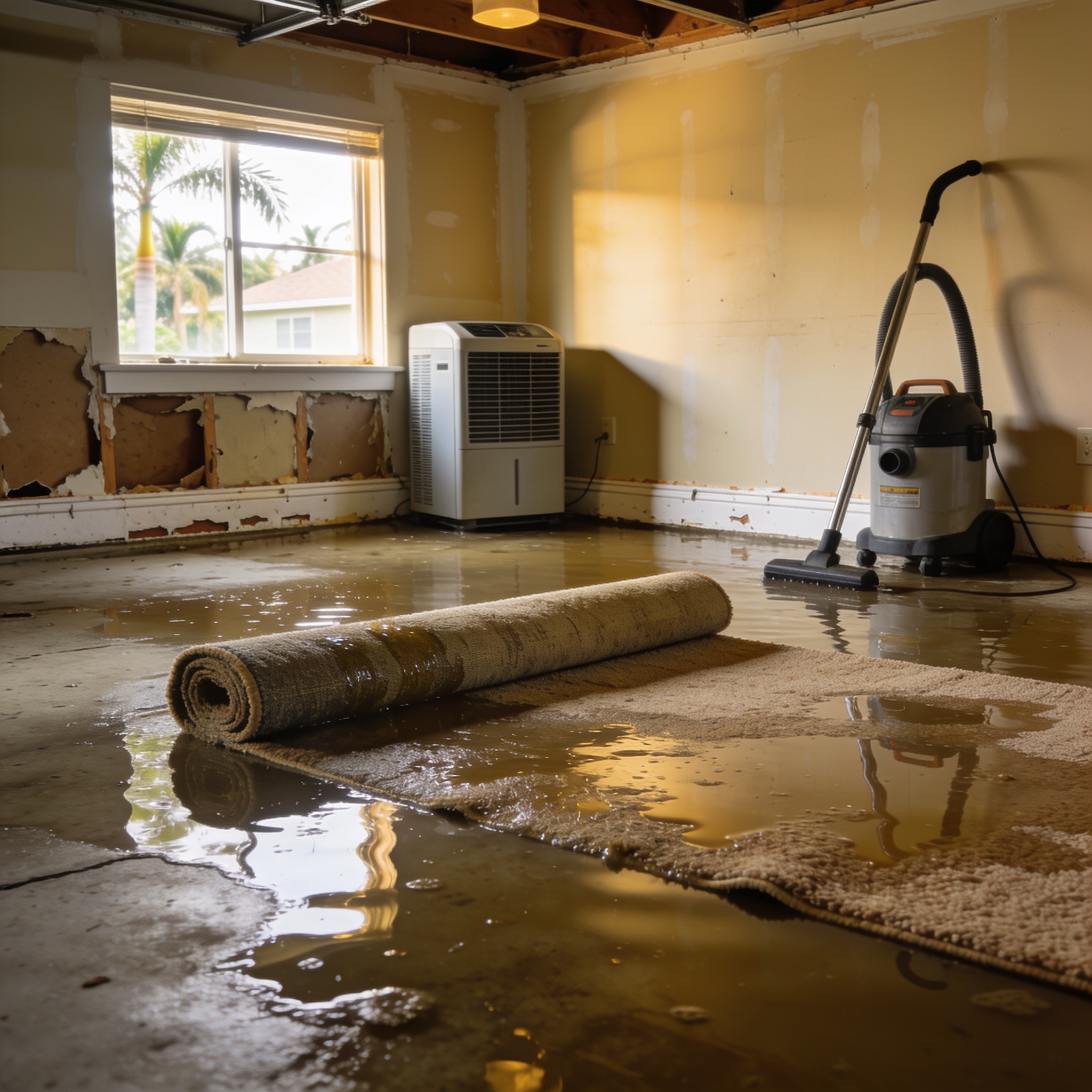
Key Takeaways
- Prioritize personal safety by turning off electricity before entering any standing in water.
- Contact your insurance company within 24 hours to initiate your claim and document the damage.
- Remove all excess water and porous materials to prevent rapid mold and mildew growth.
- Use industrial-grade dehumidifiers to lower moisture levels below 50% relative humidity.
- Hire certified professionals to ensure the structure is safe and properly sanitized.
What Are the First Steps to Take After a Flooded Basement?
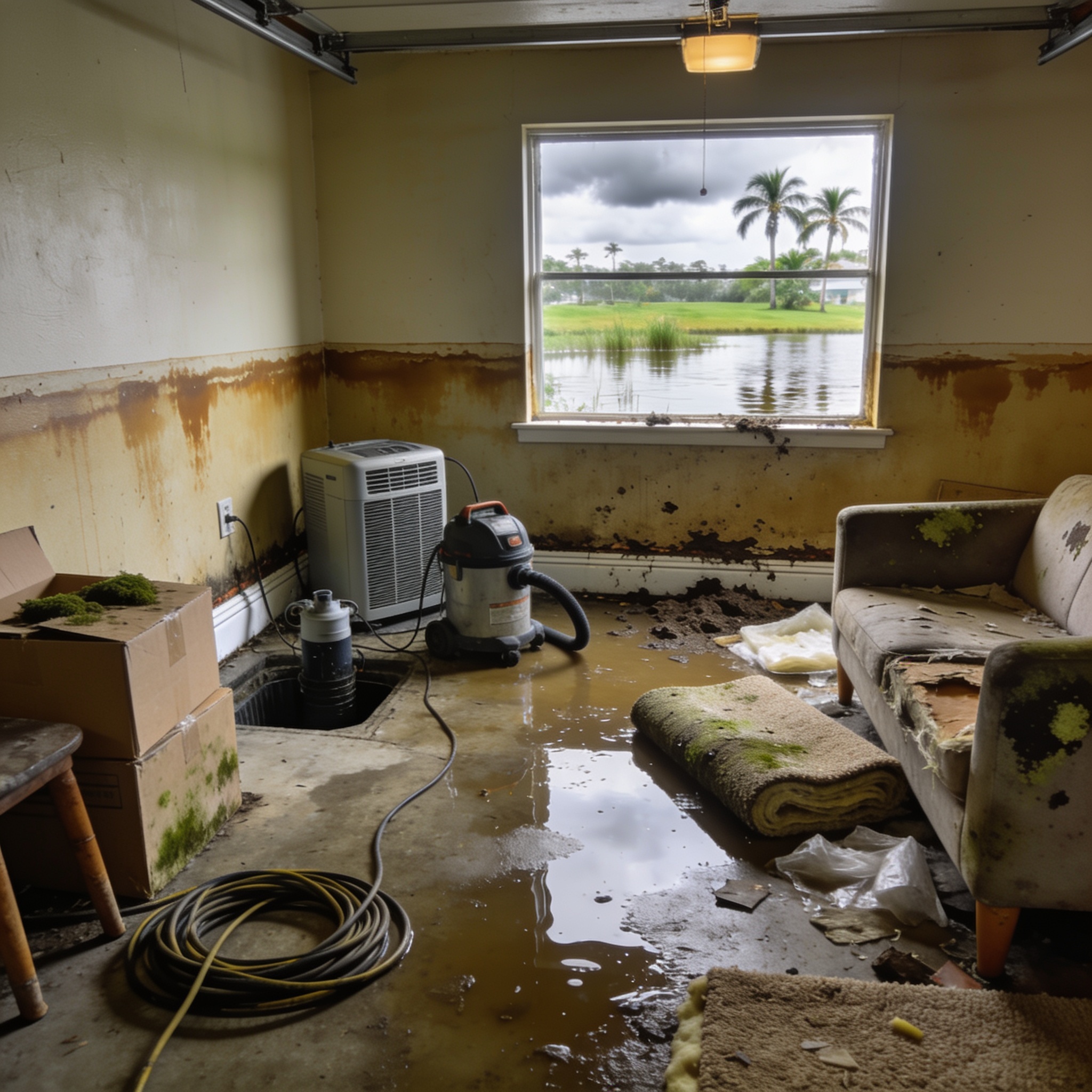
The first step is to ensure your safety by turning off the circuit breakers before you attempt to enter the area where your basement is flooded. Contacting your insurance company is the next critical move to verify your coverage for flood damage before you begin any flooded basement cleanup efforts. You must document the process thoroughly with photos and videos to accurately capture the amount of damage to your property. If the water appears contaminated by a sewer backup, do not attempt manual water removal yourself, as any direct contact with floodwater are unsafe due to biohazard risks.
Is It Safe to Live in a House With a Basement Has Flooded?
Living in a house where the basement has flooded is generally unsafe until a professional has cleared the area of electrical hazards and mold growth. Contact an electrician to inspect the power to your home before turning the electricity back on if the water reached your outlets or service panel. If you encounter an emergency situation involving live wires or structural collapse, call 9-1-1 immediately. High humidity levels following a flood can quickly lead to poor indoor air quality, which may exacerbate respiratory issues for occupants. Always consult with a local water damage restoration expert to determine if the environment meets safety standards for habitation.
Water Removal and Installing a Sump Pump
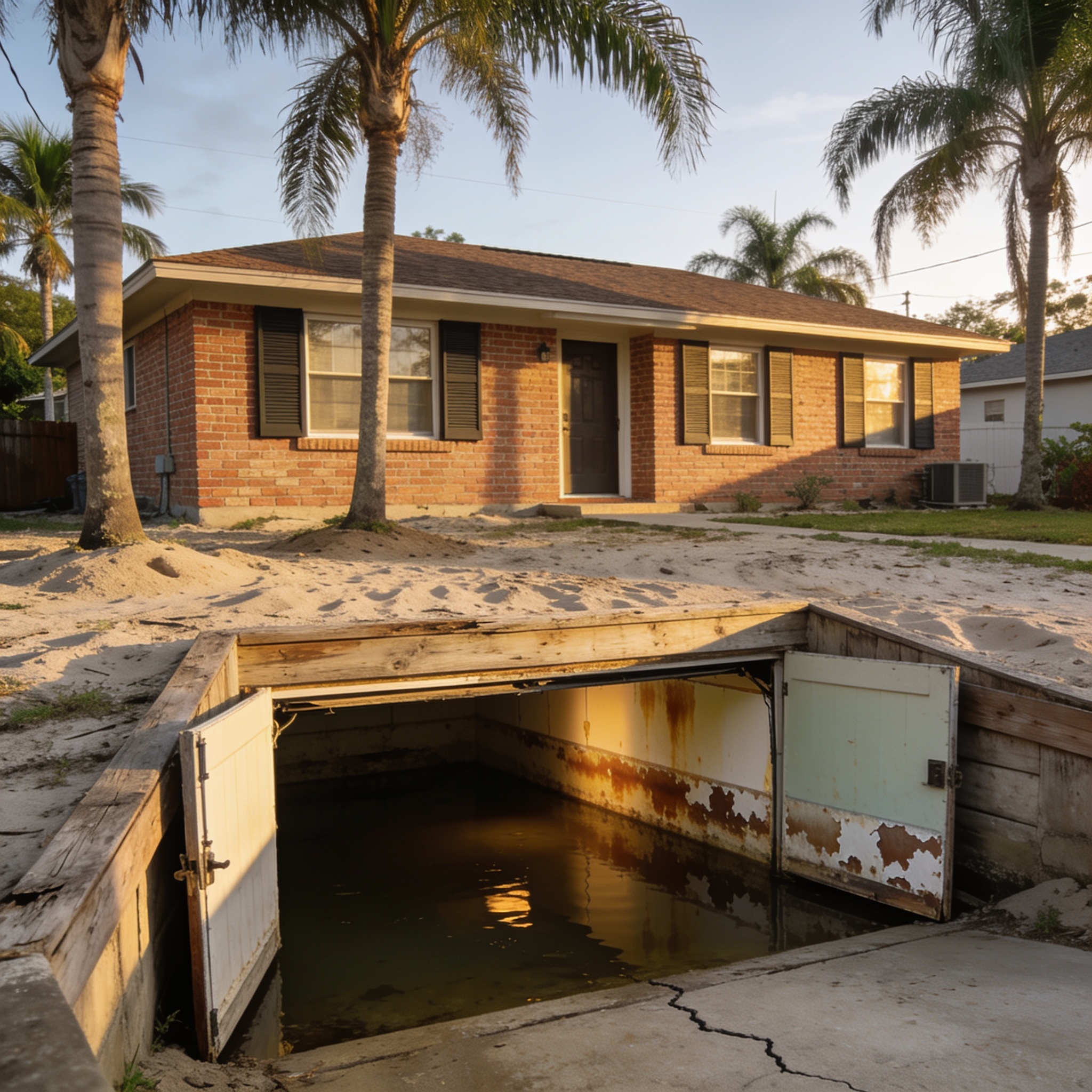
Effective water removal requires the use of heavy-duty pumps, such as a submersible sump pump, to extract large volumes of water from the lowest point of your basement. If your current system failed, installing a sump pump with a battery backup is a vital upgrade for future protection. You should begin the water removal process as soon as it is safe to enter the area to prevent secondary damage to your foundation. For smaller amounts of water, a wet-dry vac or a simple mop can be used to clear remaining puddles. In Southwest Florida, where heavy rain often leads to rapid accumulation, professional-grade equipment is usually necessary to fully clear the area.
How Long Does It Take to Dry Your Basement After a Flood?
The drying process typically takes between three to seven days depending on the level of saturation and the efficiency of your equipment. You must keep a dehumidifier and blowers running continuously until the moisture content in the building materials returns to normal levels. Monitoring the humidity is vital because a damp environment gives mold the perfect conditions to thrive within 48 hours. Professional teams often use specialized sensors to ensure the structure is as dry as possible before rebuilding.
Do You Need to Remove Drywall After a Flood Damage?
Removing drywall and insulation is necessary if the floodwater has wicked up into the walls, as porous materials cannot be fully sanitized once saturated. Failure to remove damaged drywall will almost certainly result in hidden mold growth behind your walls. In many cases, cutting the drywall at least 12 to 24 inches above the water line is the standard protocol for effective mitigation. Consult with a Water Damage Restoration specialist to assess whether your specific wall assembly can be saved.
Important Items to Document the Damage
You must discard any porous items that have come into contact with floodwater, as these materials are impossible to sterilize completely. Items in boxes, upholstered furniture, mattresses, and carpeting that were submerged should be treated as contaminated waste and removed from the property. Before you begin cleanup, remove important items like heirlooms or electronics that were not touched by water to prevent further damage. Document the damage to these important items before disposal to ensure your home insurance claim is processed accurately.
How to Identify the 7 Visual Signs of Mold
Identifying mold early is essential for preventing structural degradation and health hazards in your home. Recognizing these seven visual signs of mold will help you act before the infestation spreads throughout your basement.
- Visible fuzzy or slimy patches appearing on drywall or baseboards.
- A persistent, musty odor that does not dissipate after the area is cleaned.
- Dark, circular spots or discoloration on walls and ceilings.
- Peeling or bubbling paint caused by moisture trapped behind the surface.
- Visible white, gray, or black thread-like structures growing on damp surfaces.
- Soft or crumbly textures on wooden structural components like floor joists.
- Visible moisture beads or condensation forming on surfaces despite adequate ventilation.
How Do You Clean and Sanitize Your Basement After a Flood?
Cleaning and sanitizing your basement requires the use of EPA-registered disinfectants to neutralize bacteria and mold spores. You should thoroughly clean all hard surfaces using a mixture of water and bleach or a professional-grade cleaning agent to ensure the area is safe for re-entry. If you are located in a coastal region, consider reaching out for Water Damage Restoration services, as they are equipped to handle the unique salinity and humidity challenges of the area. Always wear personal protective equipment, including gloves and masks, during the cleaning process.
How Do You Prevent Mold After a Basement Flood?
Preventing mold growth is all about reducing the relative humidity in the basement to below 50% as quickly as possible. Using a high-capacity dehumidifier and maintaining consistent airflow are the two most effective ways to minimize the chance of mold. If you notice any signs of mold spores and allergens, you should immediately increase ventilation or use an air purifier with a HEPA filter. Keeping the area dry is the only way to ensure that the moisture does not linger in the structural components of your home.
Call Your Insurance Company and Fix Basement Flooding
You should call your insurance company first to open a claim, followed immediately by a licensed restoration contractor who specializes in basement flooding repair. Professional contractors are trained in cleaning and mitigation, ensuring that your basement is restored to its pre-loss condition safely and efficiently. If the flood was caused by a burst pipe, you will also need to contact a plumber to stop the water source. Never attempt to handle complex electrical or structural issues without the proper professional oversight.
Gutter Maintenance and Future Prevention
Preventing future basement floods involves a combination of exterior drainage improvements and installing a reliable sump pump system. Regularly cleaning your rain gutter and extending downspouts away from your foundation will significantly reduce the amount of water pooling near your basement walls. You should also inspect for any cracks in your foundation and ensure that your yard is properly graded to direct water away from the home. Investing in these repairs to prevent another flood is far more cost-effective than dealing with the aftermath of a recurring disaster.
Frequently asked questions
These answers address common concerns regarding the logistics and recovery process for basement flooding in Florida.
Is it safe to enter the basement if the power is still on?
No, you should never enter if you are standing in water; always turn off the circuit breakers first. Check your insurance policies, as homeowners insurance and renters insurance often exclude overland flooding. You may need special flood insurance for flooding to cover property damage from flooding caused by mother nature. Ensure your floor drain is clear to help remove the water and file a claim promptly if you have flood insurance.
Our editorial team verifies licensing and reviews for every restoration company in the directory and writes practical, Florida-specific guides to help homeowners act fast and protect their insurance claims after water, fire, mold or storm damage.