Flooded or fire damage right now? Call 24/7 — (239) 555-0199 for an emergency restoration company near you.
Storm Prep
What Is Storm Surge Damage and How Does It Impact Your Property?
Practical, Florida-specific guidance from our restoration team.
SR
SWFL Restoration Editorial
Sep 5, 2026 7 min read
Key Takeaways
- Storm surge is a rise in water level caused by strong winds pushing water toward the shore during a hurricane or tropical storm.
- It is distinct from rainfall-induced flooding, as it is driven by the movement of the ocean rather than precipitation.
- The National Hurricane Center monitors storm intensity and size to predict potential surge heights for a particular location.
- Property owners in SWFL should verify their flood zone status and review their coverage, as standard homeowners insurance often excludes flood-related events.
- Preparing for a storm involves knowing your evacuation zone and securing structural elements that may be vulnerable to battering waves.
Storm Surge Overview
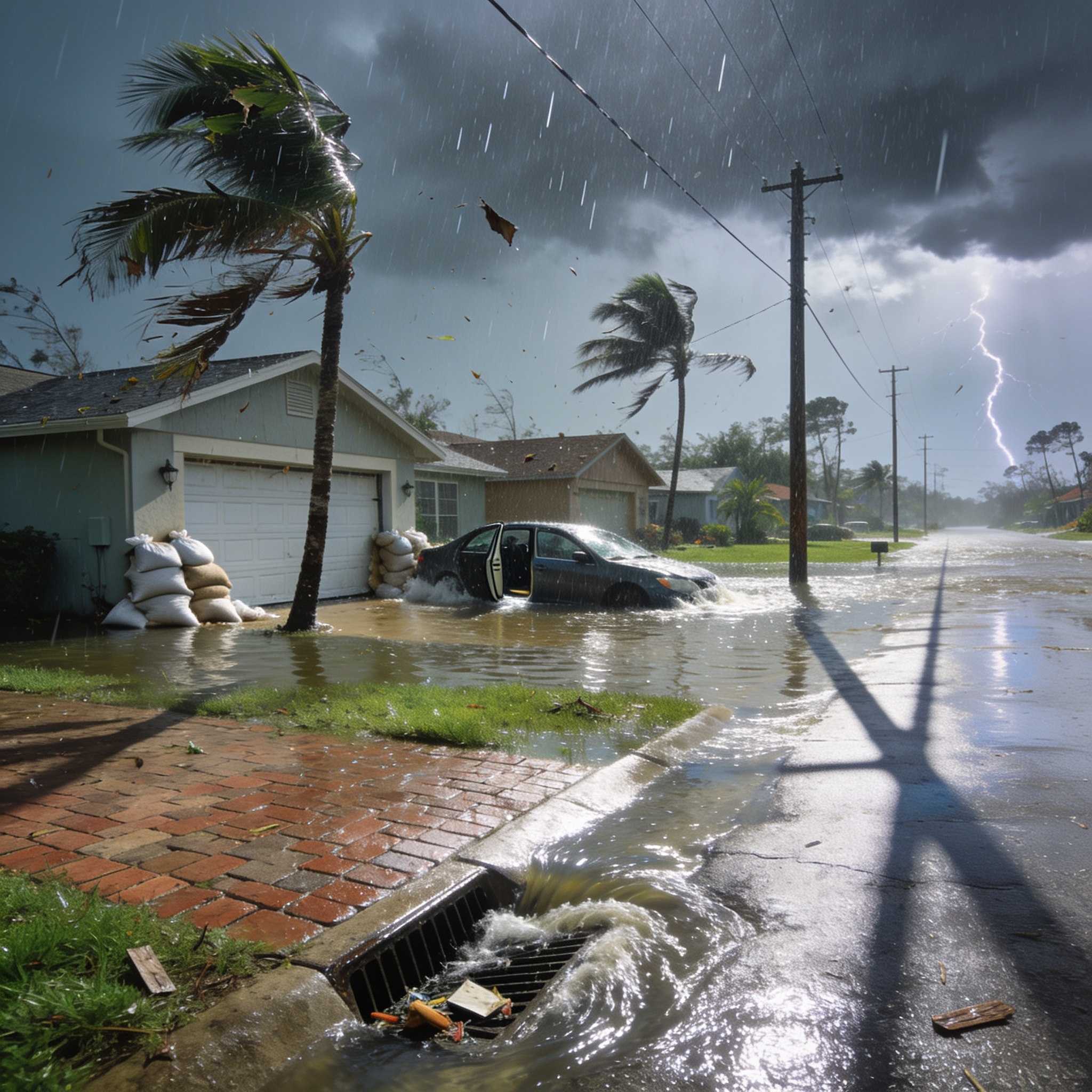
Storm surge is an abnormal rise of water generated by a storm, over and above the predicted astronomical tides. This phenomenon occurs when the wind and low atmospheric pressure associated with a hurricane or tropical storm push massive volumes of water toward the shore. In a coastal area like Southwest Florida, the shallow continental shelf allows water to pile up quickly, creating a dangerous wall of water. This surge is not a single wave but a sustained rise in sea level that can last for several hours. Understanding the relationship between storm surge and the astronomical tidal cycle is vital, as the combination of storm surge and the astronomical tide can lead to catastrophic water levels.Causes of Storm Surge
The primary causes of storm surge include the combination of strong winds pushing water toward the shore and the low-pressure center of the storm. As a tropical cyclone moves across the ocean, the intense wind speed drags the surface water along with it, forcing it to accumulate against the coastline. The shape and characteristics of the seabed also play a major role; a shallow, gently sloping bay allows for higher storm surges compared to a steep drop-off. Furthermore, particularly when water level rise due to the storm coincides with normal high tide, the resulting water level can cause extreme flooding that reaches much further inland than expected. Because the surge is a very complex hydrodynamic event, predicting its exact path is difficult.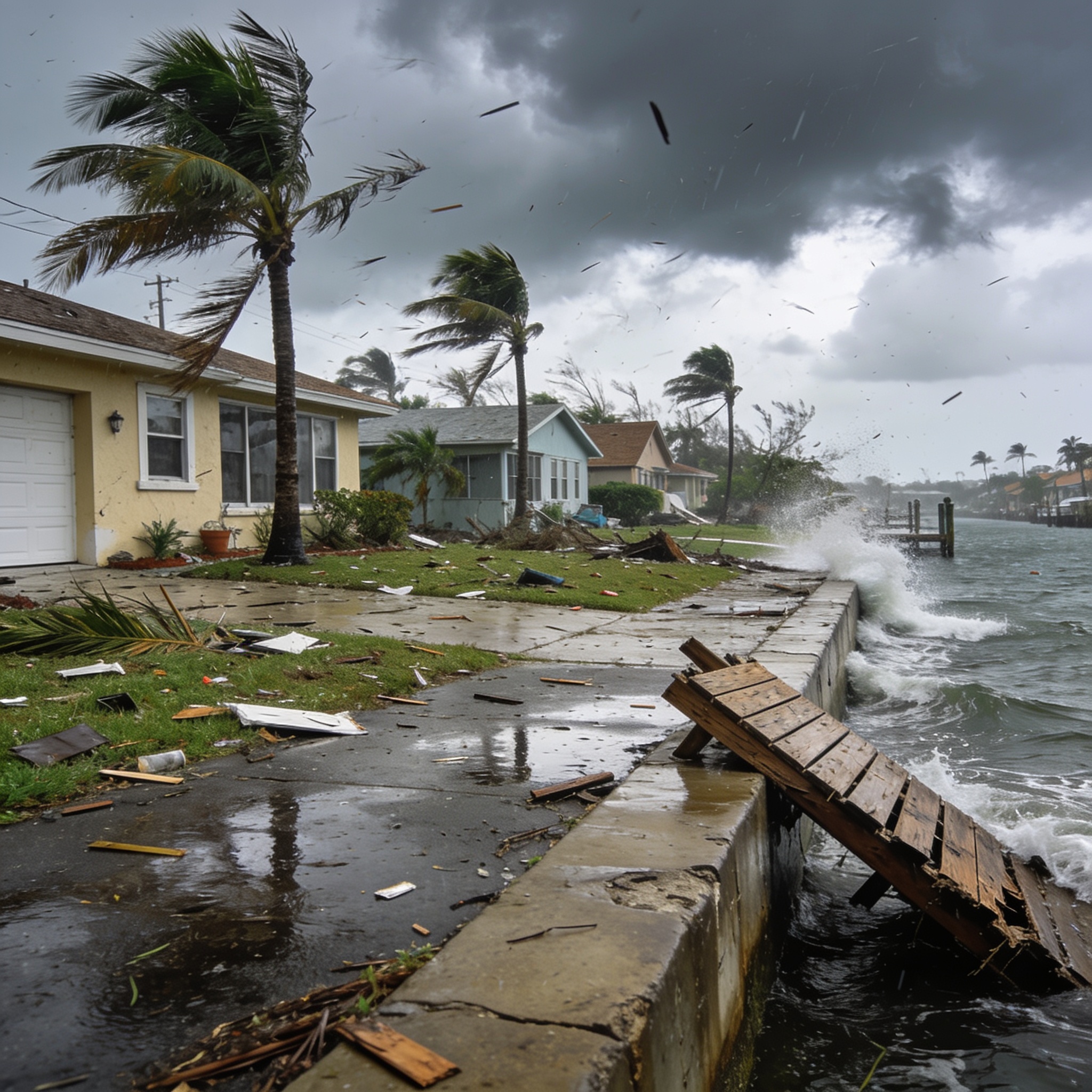
What Damage Can a Storm Surge Cause to Coastal Areas and Property?
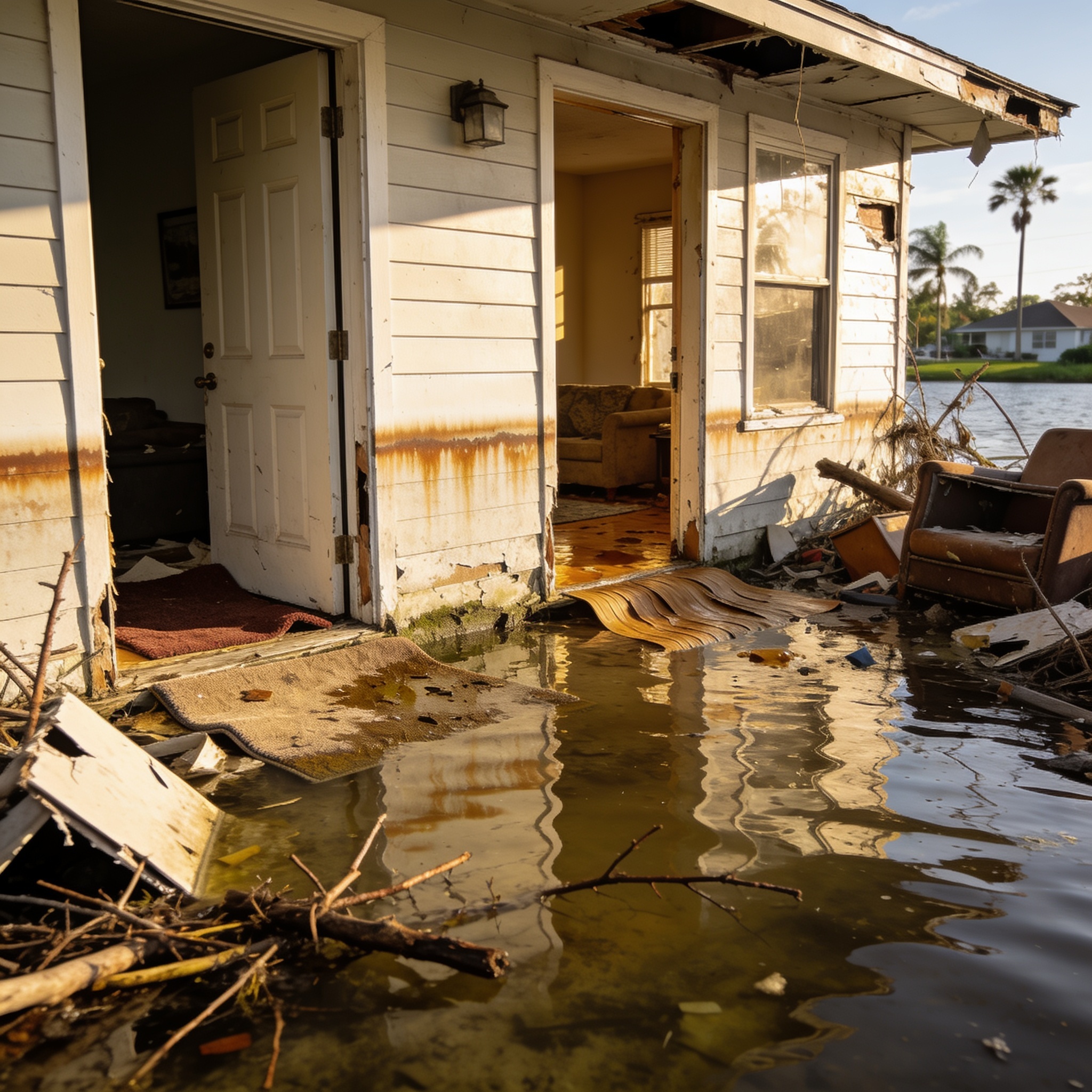
Storm surge can cause extensive damage to buildings and infrastructure due to the sheer force of moving water and debris. The movement of water at high speeds acts as a battering ram, and battering waves may increase damage to buildings significantly. Beyond the initial impact, saltwater intrusion ruins electrical systems, drywall, and flooring, necessitating professional storm damage repair. Currents can also severely damage marinas and boats, washing vessels onto land because the surge carries debris that impacts structures. Many properties are simply not built to withstand such forces, and these battering waves may increase damage to buildings directly.Types of physical destruction
- Structural collapse: Foundations are eroded by moving water, causing homes to shift or sink.
- Debris impact: Floating vehicles, docks, and trees act as projectiles that smash through walls.
- Saltwater corrosion: Electronic components and metal fixtures are permanently ruined by saline exposure.
- Saturation: Porous materials like insulation and wood framing absorb water, leading to rapid mold growth.
Why Are Storm Surges So Dangerous?
Storm surges represent the greatest threat to life and property during a hurricane because they can move with incredible speed and power. The rapid rise in water level can trap residents in their homes before they have a chance to evacuate, making the timing of the surge a critical safety factor. Unlike wind, which can be mitigated by shutters, a surge can lift a structure off its foundation. If you experience this, you will need to seek immediate Water Damage Restoration remediation services to prevent further secondary damage.How Far Inland Does a Storm Surge Go?
The distance a storm surge travels inland depends heavily on the topography of the land and the intensity of the hurricane. In low-lying regions of Florida, a storm surge can push water several miles inland, especially if the storm approaches an estuary or river mouth. For example, the surge can travel up the Caloosahatchee River, impacting areas far from the beach. Property owners should consult FEMA flood maps to understand if their specific location is at risk of being reached by surge waters or long-term level rise.Which Hurricane Had the Worst Storm Surge in History?
Hurricane Katrina was one of the most devastating examples of this phenomenon, widely recognized for producing the most catastrophic storm surge in United States history. The storm surge flooding of 25 to 28 feet above mean sea level in some parts of Mississippi caused unprecedented destruction to buildings and infrastructure. This event demonstrated how a category 4 storm could reshape an entire coastline. It serves as a stark reminder for those in SWFL to prioritize Is Water Damage Covered by Homeowners Insurance well before the season begins.How Is Storm Surge Predicted?
Meteorologists at the National Hurricane Center use complex computer models to predict potential storm surge for a particular location. These models account for the angle of approach, the forward speed of the storm, and the specific bathymetry of the local coastline. Even the slightest changes in storm intensity or size can result in significantly higher surges. Residents should monitor local weather alerts closely, as the surge forecast is updated as the storm approaches the coast. This is a difficult phenomenon because it is sensitive to the exact track and intensity of the hurricane.Prepare for Storm Surge
Preparing for a storm requires a proactive approach that includes securing your property and having a clear evacuation plan. Knowing your specific flood zone and the elevation of your home is the most important step in preparing for a storm. You should also ensure that you have adequate flood insurance, as standard policies typically do not cover this type of damage. Keep an emergency kit ready and follow all evacuation orders issued by local authorities in Lee or Collier counties. | Preparedness Action | Why It Matters | | :— | :— | | Elevation Check | Determines if your home is in a high-risk flood zone. | | Flood Insurance | Covers the cost of repairs that standard wind policies exclude. | | Document Inventory | Essential for filing a successful insurance claim after the storm. | | Evacuation Plan | Ensures your safety if the surge is predicted to exceed 20 feet. |Preparing for a Storm
When preparing for a storm, it is important to recognize the dangers associated with storm surge. Storm surge flooding is a major risk, and resulting in storm tides reaching dangerous levels is common during major events. Always monitor reports to see if the storm surge coincides with high tide, as this increases the risk to your property.What Is Fortnite Storm Surge Damage?
Fortnite storm surge damage is a specific gameplay mechanic designed to reduce the number of players remaining in the final circles of a match. This virtual damage occurs when a player fails to deal a certain amount of damage to opponents during a designated phase of the game. It is entirely unrelated to real-world meteorological events or physical property damage. While the term shares the name, it is strictly a digital feature used to manage match pacing.Frequently asked questions
This section provides quick answers to common concerns regarding coastal flooding and property protection.Does homeowners insurance cover storm surge damage?
Most standard homeowners insurance policies in Florida specifically exclude damage caused by flooding or storm surge. You generally need a separate policy through the National Flood Insurance Program (NFIP) or a private insurer to cover these specific risks.What is the difference between a storm surge and a tsunami?
A storm surge is caused by wind and pressure changes from a hurricane, whereas a tsunami is caused by underwater seismic activity like earthquakes or landslides. While both involve a rise in water level, their origins and warning times are completely different.How can I find my home’s flood elevation?
You can find your home’s elevation by checking your property survey or by visiting the FEMA Flood Map Service Center online. Knowing this number is crucial for understanding your risk relative to projected storm surge heights.Does a higher category hurricane always mean a higher storm surge?
Not necessarily, as the size and forward speed of the storm play a larger role in surge height than wind speed alone. A large, slow-moving category 2 hurricane can sometimes produce a higher surge than a small, fast-moving category 4 hurricane.What should I do if my home is flooded by a storm surge?
Prioritize your safety first and do not return to the property until officials declare it safe. Once you are able, document all damage with photos and contact a professional Water Damage Restoration company immediately to mitigate mold and structural decay. SR
SWFL Restoration Editorial
Local restoration research team
Our editorial team verifies licensing and reviews for every restoration company in the directory and writes practical, Florida-specific guides to help homeowners act fast and protect their insurance claims after water, fire, mold or storm damage.