What Damage Does a Flood Cause to Your Home and Property?
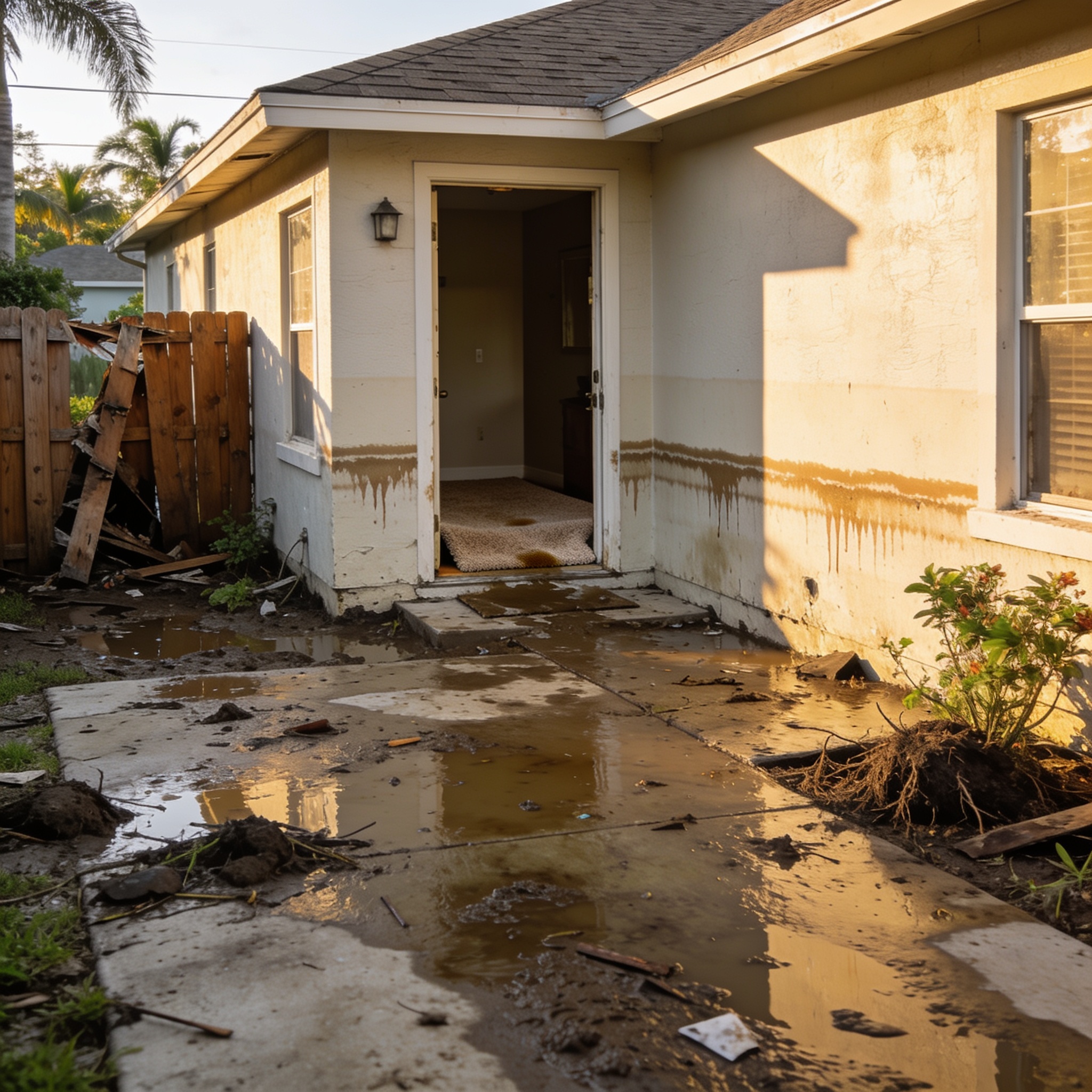
A flood can cause tens of thousands of dollars in repairs, with even a few inches of water often resulting in a total loss of flooring, drywall, and baseboards within a Southwest Florida home. Understanding what damage does a flood cause is essential for homeowners in Lee, Collier, and Charlotte counties to navigate the complex recovery process. When rising water enters a property, the impact of flooding extends far beyond visible moisture, affecting the very integrity of your living space and the home’s overall structural stability.
Key Takeaways
- Flood damage is rarely covered by standard homeowners policies, necessitating separate insurance coverage through the National Flood Insurance Program (NFIP).
- Standing water creates an immediate environment for mold growth, which can begin within 24 to 48 hours of a flood event.
- Structural damage often stems from the saturation of porous materials like wood, insulation, and drywall.
- The cost of flooding is compounded by the need for professional remediation to prevent long-term health hazards.
- Proactive mitigation, such as elevating utilities, can significantly reduce the potential financial impact of a flood.
What damage does a flood cause to homes, property, and contents?
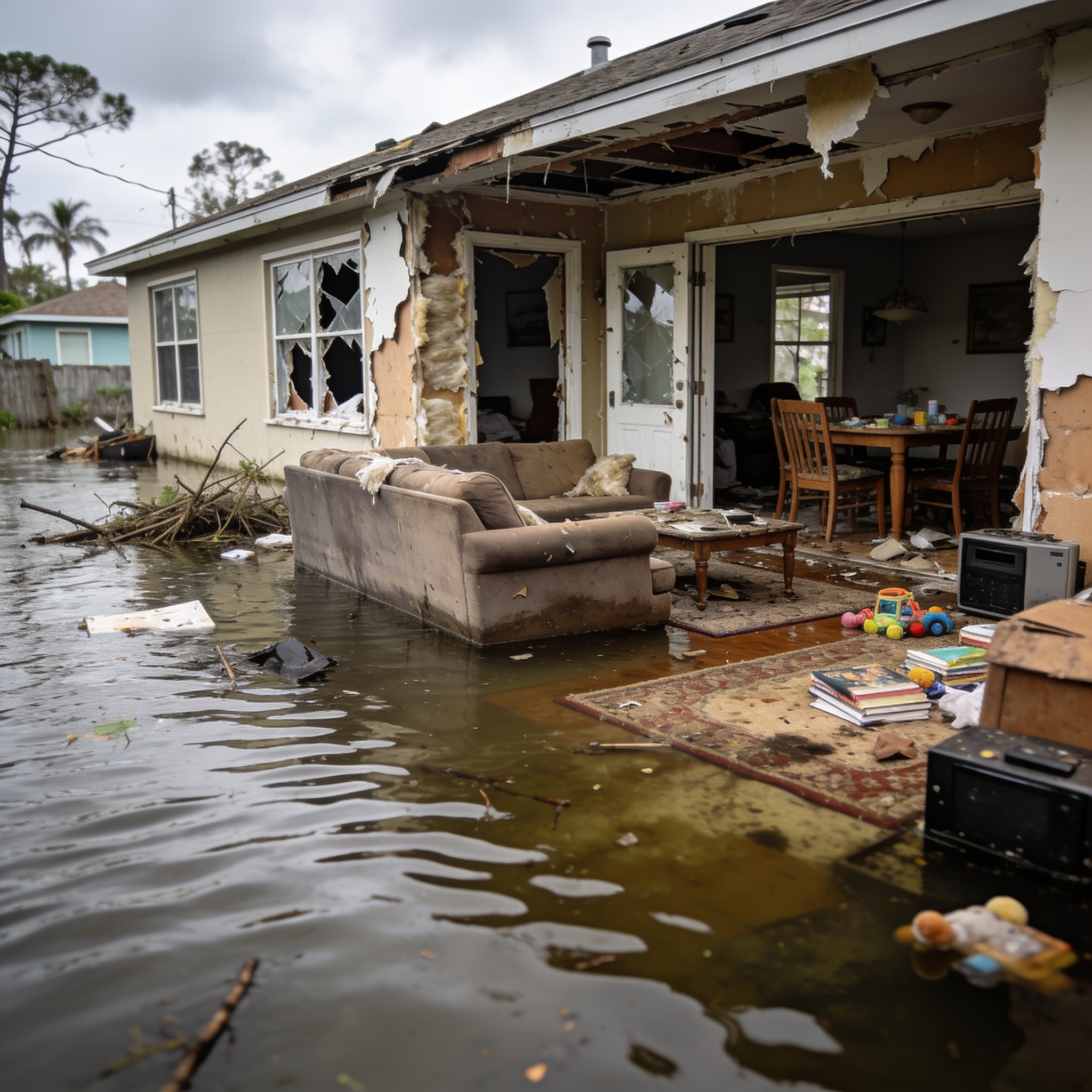
The primary damage to property involves the saturation of porous building materials that act like sponges, leading to rapid deterioration. When floodwater enters a home, it carries sediment, silt, and potential sewage that contaminate every surface it touches. Common types of destruction include warped hardwood floors, delaminated plywood, and ruined upholstery. In SWFL, where high humidity persists, the risk of secondary damage like mold is significantly higher than in drier climates. Furthermore, damage internal to the walls often goes unnoticed until the studs begin to rot.
Impact on appliances and mechanical systems
Utilities like HVAC systems, water heaters, and furnaces are frequently destroyed when submerged in water. These critical components often require complete replacement rather than repair due to electrical corrosion and the presence of debris. If you notice water damage, contacting a professional for water damage restoration is vital to assess if these systems can be salvaged or if they pose a fire risk, such as carbon monoxide poisoning if ventilation systems are blocked. Additionally, you must hire a licensed electrician to inspect your home’s wiring and panels before restoring your home’s power supply, as moisture can cause dangerous short circuits.
What are the 10 effects of flooding on people, society, and the environment?
The effects of flooding ripple through communities, creating a lengthy recovery process that touches every aspect of daily life. According to FEMA, a flood is a weather-related natural disaster that leaves behind a trail of destruction that is both physical and economic, often occurring in a designated floodplain.
- Displacement of families: Many residents must evacuate for weeks or months while their homes are gutted.
- Economic loss: Local businesses suffer from closures, leading to a localized drop in tax revenue and employment.
- Infrastructure strain: Public services, including police and fire departments, face overwhelming demand during a flood event.
- Environmental contamination: Floodwater often picks up chemicals, oils, and pesticides from roads and lawns, depositing them into local waterways.
- Loss of personal belongings: Irreplaceable items like family photos and heirlooms are often washed away or destroyed beyond repair.
- Psychological stress: The trauma of a flood can lead to long-term anxiety and depression for affected homeowners.
- Public health crises: Stagnant water provides a breeding ground for mosquitoes and bacteria, increasing the risk of infectious disease and waterborne diseases like cholera.
- Utility failure: Widespread power outages occur when a power company must shut down power lines, and compromised water supply lines affect tap water safety and overall water quality.
- Destruction of natural habitats: Floodwater can erode riverbanks and damage wetland habitats that protect the coastline.
- Increased insurance premiums: Communities with high flood risk often see a spike in insurance claims and costs following a major disaster.
What are the most harmful effects of a flood on human health and safety?
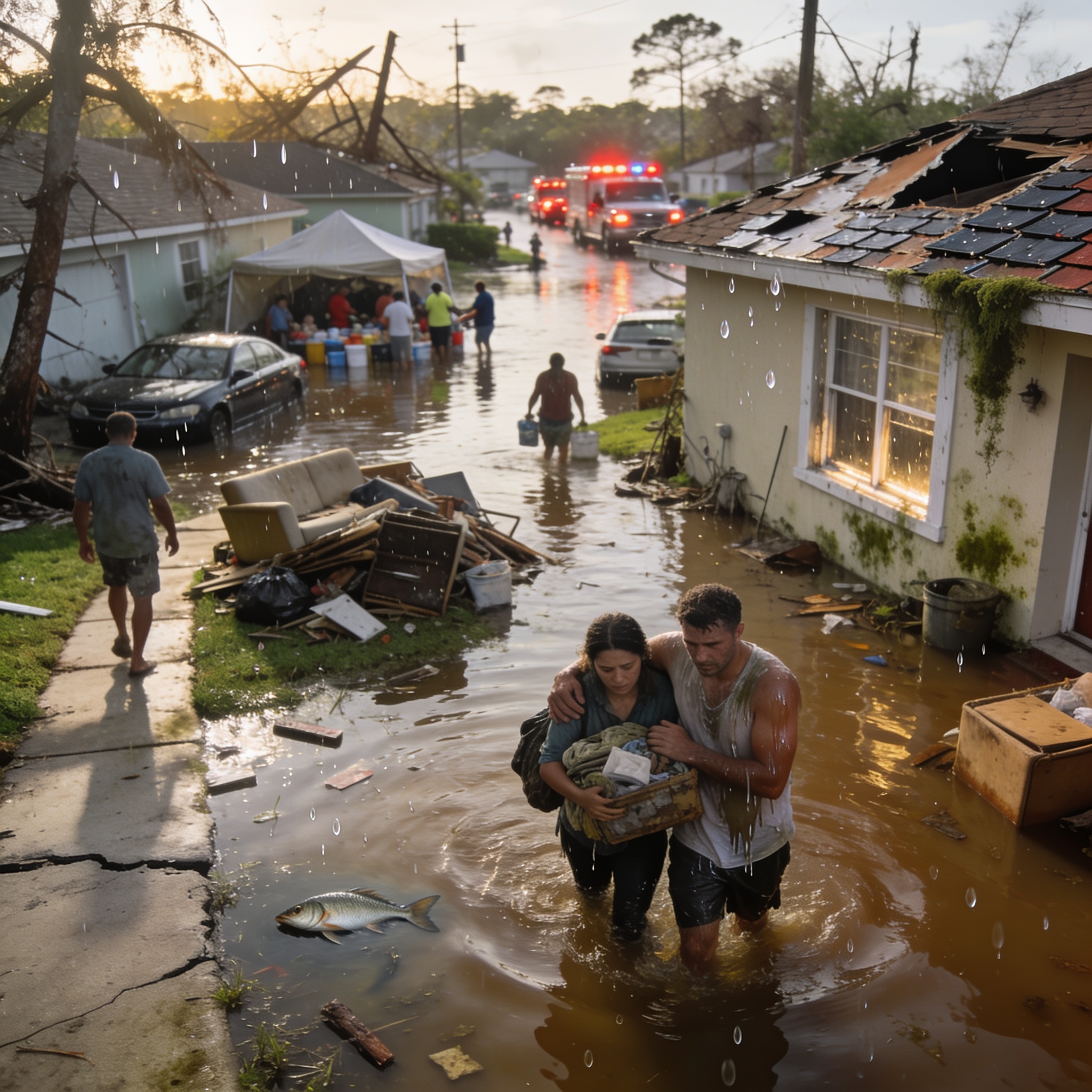
The most immediate health risks involve exposure to polluted floodwater that may contain sewage or hazardous chemicals. The Centers for Disease Control and Prevention warns that contact with flood water can lead to severe gastrointestinal issues, including dysentery and hepatitis. Beyond pathogens, physical injury from hidden debris or sharp objects in the water remains a constant danger. If you are dealing with standing water, seeking professional water restoration near me is the safest way to handle the cleanup process, as improper handling can lead to an outbreak of illness.
How much damage can a flood do — and what factors make it worse?
The amount of damage is primarily determined by the velocity of the water, its depth, and the duration of the inundation. A slow-moving flood that lingers for days causes significantly more structural damage than a flash flood that recedes quickly. Factors like the age of the home, the quality of the foundation, and the presence of proper flood vents play a massive role in the final repair costs. In the U.S., the annual flood risk is increasing, and coastal Florida residents must be wary of salt in the water which accelerates the corrosion of metal fixtures and electrical wiring.
How does flood damage vary by water depth and flood likelihood?
Even a few inches of water can lead to tens of thousands of dollars in damages, as water wicks up into walls and ruins flooring. The depth of flooding dictates whether a home can be dried out or if it must be gutted to the studs.
| Water Depth | Typical Damage Level |
|---|---|
| 1-3 Inches | Flooring, baseboards, and lower drywall sections ruined. |
| 1 Foot | Electrical outlets, lower cabinets, and appliances compromised. |
| 3+ Feet | Severe damage to the structure; potential for total loss of the home. |
| Rapidly Rising | High-velocity impact causing a damaged building or foundation failure. |
What infrastructure and community systems does flooding destroy?
Damage to infrastructure often includes the destruction of roads, bridges, and essential utility grids that keep a city functioning. When flooded roads prevent emergency vehicles from reaching care facilities, the entire community’s safety is compromised. Additionally, the water supply can be contaminated by backflow from sewage systems, forcing residents to rely on bottled water for weeks. Flooding can also destroy a local railway, halting the transport of goods and emergency supplies. The NFIP notes that repairing this infrastructure is a massive public expense that often takes years to complete, and the leading causes of death during floods are often related to driving through these compromised areas.
How can you minimize flood damage before it happens?
Proactive mitigation is the single most effective way to reduce the financial impact of a flood on your property. Homeowners should elevate their HVAC systems and water heaters above the base flood elevation to prevent total loss during a flood event. Installing flood vents in your foundation allows water to flow through the home rather than pushing against the walls, which can prevent foundation cracks. Finally, maintaining a comprehensive flood insurance policy is the only way to ensure you have the funds necessary for a full recovery.
Frequently asked questions
Understanding the nuances of flood protection helps homeowners make informed decisions about their property’s long-term safety.
Does standard home insurance cover flood damage?
No, standard homeowners insurance policies do not cover flood damage, which is why you must purchase a separate policy through the National Flood Insurance Program.
How long does it take for mold to grow after a flood?
Mold can begin to grow on wet surfaces within 24 to 48 hours, making rapid water damage restoration critical for your home.
Is it safe to return home immediately after the water recedes?
You should not return until local authorities confirm it is safe, as you may face risks from gas leaks, electrical hazards, or structural instability.
What is the difference between water damage and flood damage?
Water damage typically refers to internal plumbing leaks or roof damage, while flood damage is defined as a general and temporary condition of partial or complete inundation of two or more acres of normally dry land.
Can I clean up floodwater myself?
It is highly discouraged to clean up floodwater yourself due to the presence of sewage, chemicals, and the risk of electrical shock; professional remediation is recommended.
See also: Water Damage Restoration
See also: Water Damage Restoration
See also: Water Damage Restoration
Our editorial team verifies licensing and reviews for every restoration company in the directory and writes practical, Florida-specific guides to help homeowners act fast and protect their insurance claims after water, fire, mold or storm damage.