Hurricane Preparedness Checklist: Essential Steps for Your Safety
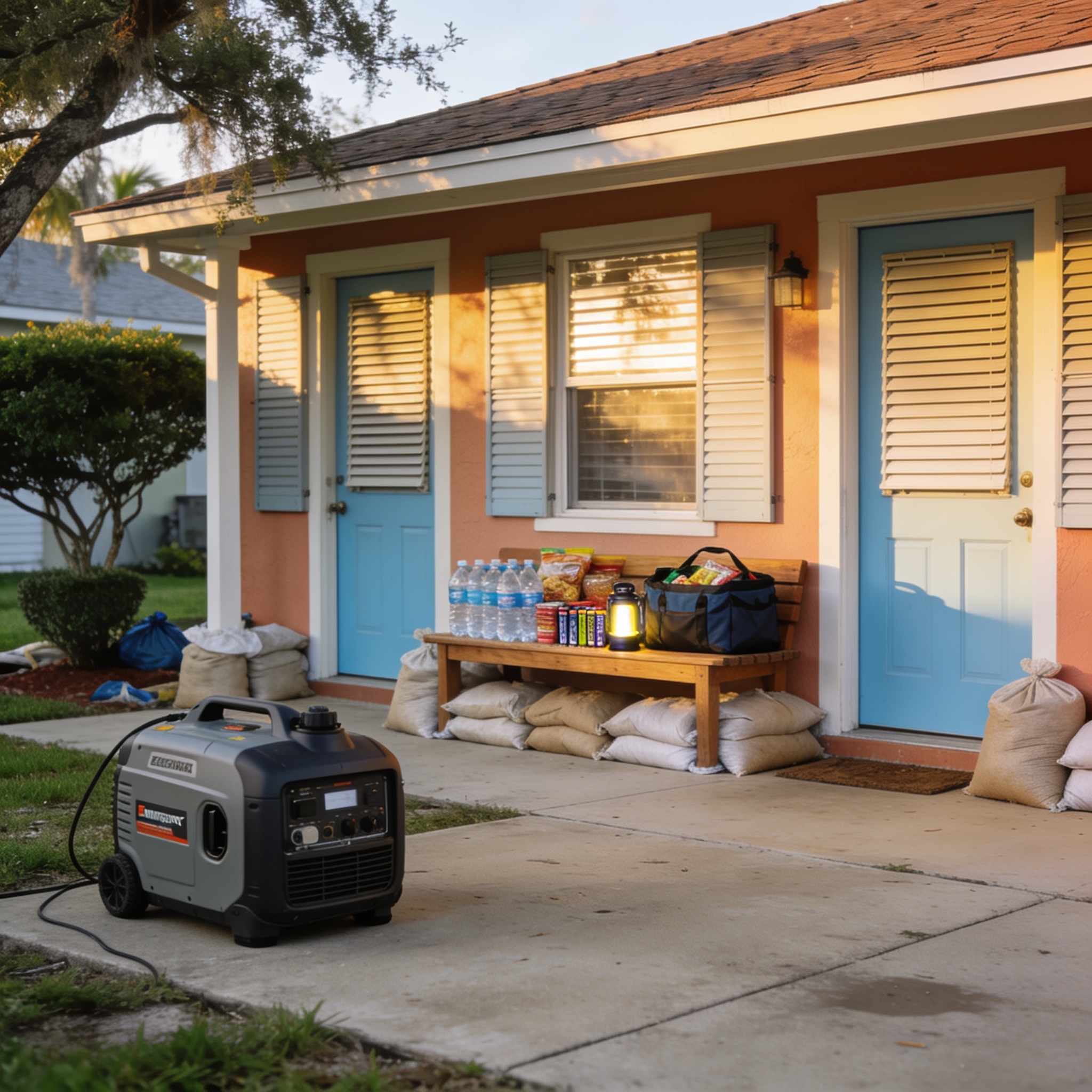
A comprehensive hurricane preparedness checklist is the most effective way to ensure your household survives a tropical cyclone, requiring a minimum of seven days of supplies per person. By organizing your hurricane supply kit before the Atlantic hurricane season begins on June 1, you can significantly reduce stress and financial loss during a disaster. You can download our printable kit checklist to ensure you have everything needed to stay safe.
Key Takeaways
- Store at least one gallon of water per person per day for at least several days.
- Keep all insurance policies and identification in a waterproof container.
- Establish a family communication plan for all family members before a storm alert is issued.
- Secure all outdoor furniture and shutters to mitigate wind damage.
- Review your flood insurance coverage, as standard policies often exclude storm surge.
What Is a Hurricane Preparedness Checklist and Why Do You Need One?
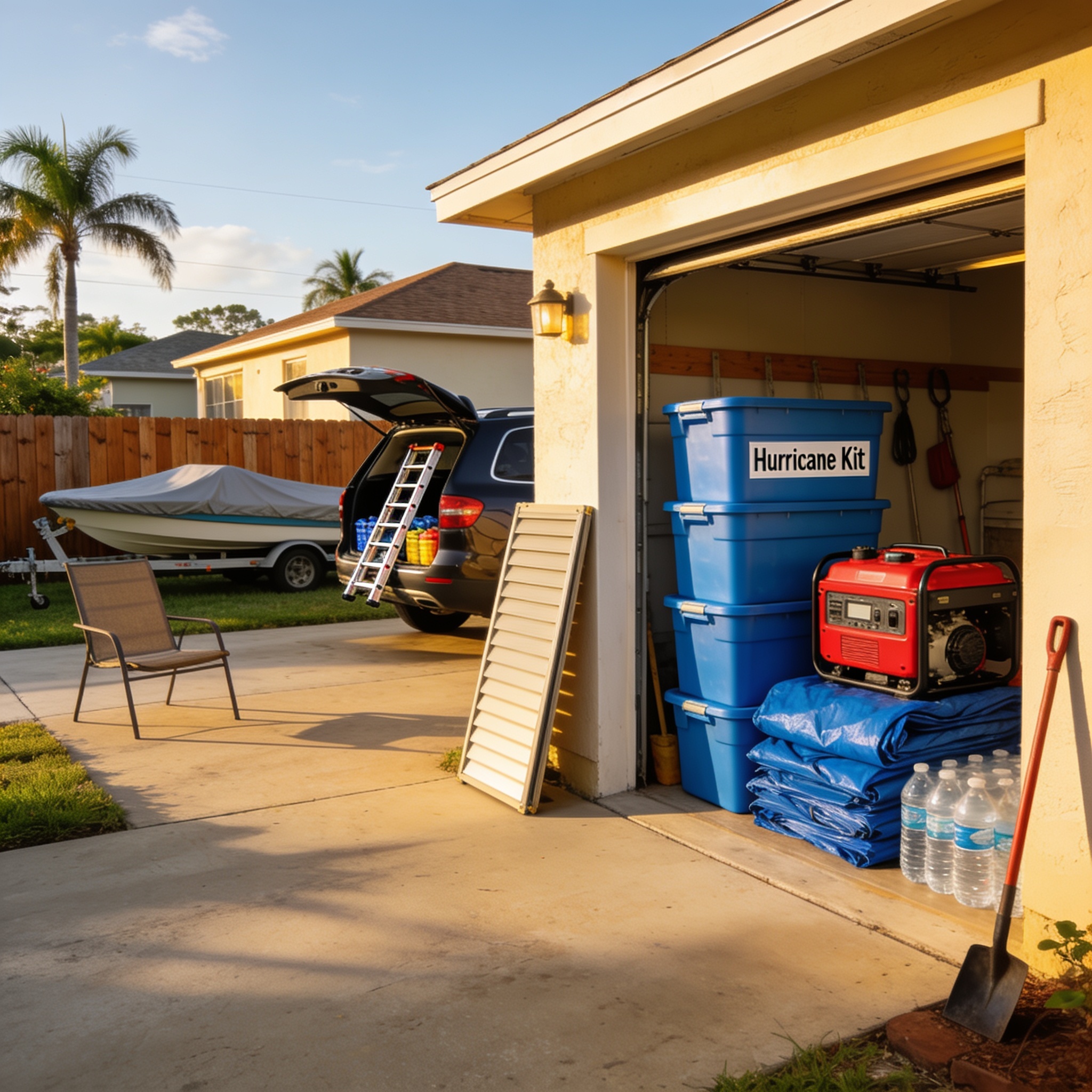
A hurricane preparedness checklist serves as a vital roadmap to ensure you have all necessary emergency supplies gathered before a storm threatens Southwest Florida. Without a structured plan, residents in Lee and Collier counties often scramble for resources when shelves are already empty. Having a verified emergency kit allows you to focus on your loved ones rather than logistics during an evacuation order. Proper preparation is the foundation of your family’s resilience.
What Should You Buy to Prepare for a Hurricane? (Essential Hurricane Supply List)
Your hurricane supply list should prioritize non-perishable food, clean water, and essential healthcare supplies to sustain your household for at least one week. According to FEMA, you should stock items that require no electricity or refrigeration. These emergency supplies are critical if power grids fail across the region during a severe storm.
What Are the 20 Most Important Items in Your Emergency Supplies?
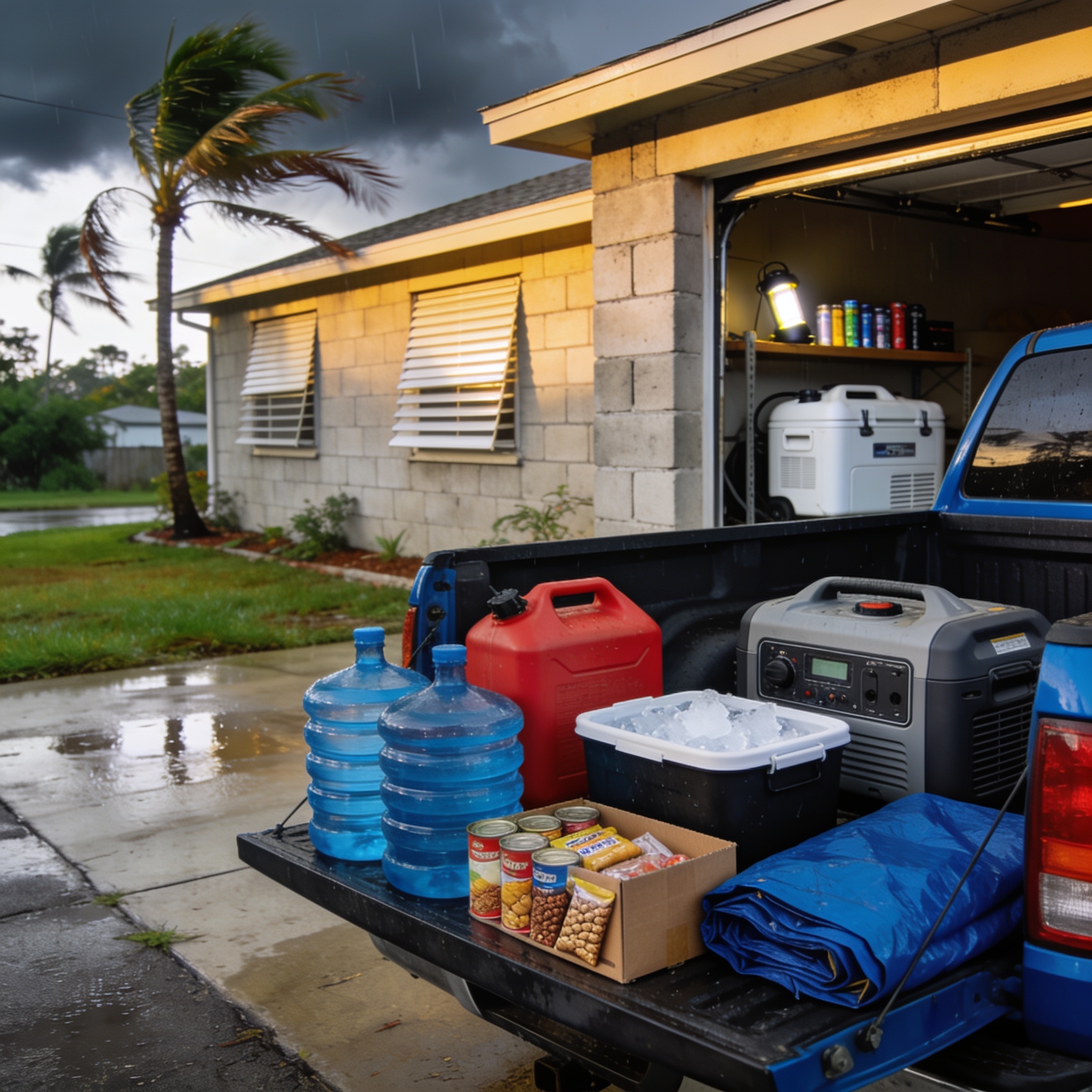
The following 20 items are the foundational components of a reliable kit for SWFL residents. Your kit should include:
- Water (one gallon per person per day)
- Non-perishable food items
- Battery-powered, hand-crank, or solar radio
- Flashlight with extra batteries
- First aid kit, including pain relievers and disinfectant wipes
- Whistle to signal for help
- Dust mask for debris
- Moist towelettes, toilet paper, and feminine hygiene products
- Wrench or pliers to turn off utilities
- Manual can opener
- Local maps
- Cell phone with portable charger
- Prescription medicine
- Glasses and contact solution
- Infant formula or diapers
- Pet food and extra water
- Cash or traveler’s checks
- Important family documents
- Sleeping bag or warm blanket
- Change of clothes and sturdy shoes
What Are the Essential Items for an Emergency Go Bag and Proper Storage?
An emergency go bag must contain the same 20 items listed above but stored in easy-to-carry containers like plastic bins or a durable duffel. This storage method ensures your gear is ready to grab if you must evacuate your home due to a storm surge or structural failure. If you experience flooding, you may need professional help from Water Damage Restoration experts later, but your immediate priority is personal safety. Having a go-bag is vital if you are ordered to leave your home on short notice.
What Are the 5 P’s of Disaster Preparedness Tips?
The 5 P’s of disaster preparedness include People, Prescriptions, Papers, Personal needs, and Priceless items. Focusing on these categories ensures you do not forget critical items like medical records or family photos. If you face property damage, contacting Water Damage Restoration services early is essential. These preparedness tips help you act quickly and safely.
How Can You Secure Your Home for Evacuation?
To prepare your home, you must secure all windows with shutters and clear your yard of any loose objects that could become projectiles. High winds during a hurricane can turn patio furniture into dangerous debris. For those in Port Charlotte, Water Damage Restoration professionals recommend checking your roof and seals before the season starts. Following an official evacuation order is the most important step to ensure your family’s survival.
What Important Documents Should You Keep in a Waterproof Container?
You should keep a waterproof copy of your insurance policies, birth certificates, and medical records in a secure, portable location. Digital backups stored on a cloud service are also recommended by Ready.gov. Having these documents ready makes the recovery process significantly faster.
How Can You Find a Safe Shelter?
A family emergency plan must designate a meeting place outside of the flood zone and establish a communication protocol for when cell service is limited. Ensure every family member knows the route to the nearest shelter. Practice this plan annually to ensure everyone stays safe.
How Can You Protect Your Pets During a Hurricane?
Every pet needs their own emergency supply kit, including a crate, leash, and at least one week of food and medication. Many public shelters in Florida have specific requirements for animals. Always check your local county emergency management website for pet-friendly shelter locations.
What Should You Do to Stay Safe Before, During, and After a Hurricane?
Before the storm, finalize your preparations; during the storm, stay indoors away from windows; and after the storm, avoid flooded areas. Never walk or drive through standing water, as it may contain hidden hazards. Wait for official word from authorities before leaving your location to stay safe.
Frequently asked questions
Addressing these common concerns will help you better understand the nuances of hurricane safety.
How much water do I need to store?
You should store one gallon of water per person per day for at least seven days.
Where can I find my flood zone?
You can find your specific flood zone by visiting the FEMA Flood Map Service Center online.
Should I turn off my utilities?
Only turn off utilities like gas or water if you suspect a leak or are instructed to do so by local officials.
How do I handle medical devices?
Ensure all medical devices have a backup battery or a portable power source ready.
When is the best time to finish my kit?
Complete your kit at least two weeks before the official start of the Atlantic hurricane season.
Our editorial team verifies licensing and reviews for every restoration company in the directory and writes practical, Florida-specific guides to help homeowners act fast and protect their insurance claims after water, fire, mold or storm damage.