Hurricane Preparedness Business Checklist: Protect Your Assets
Effective hurricane preparedness for businesses requires allocating between 2% and 5% of your annual operating budget toward mitigation and emergency infrastructure to ensure long-term viability. Establishing a robust hurricane preparedness plan is the definitive factor in minimizing downtime and protecting your physical assets during the volatile Atlantic hurricane season, which officially runs from June 1 through November 30. Every organization should maintain a formal hurricane preparedness checklist to ensure no critical safety step is overlooked.
Key Takeaways
- Proactive planning reduces the financial impact of business interruption by ensuring faster recovery timelines.
- Maintaining an updated communication plan is essential for coordinating employee safety during an evacuate order.
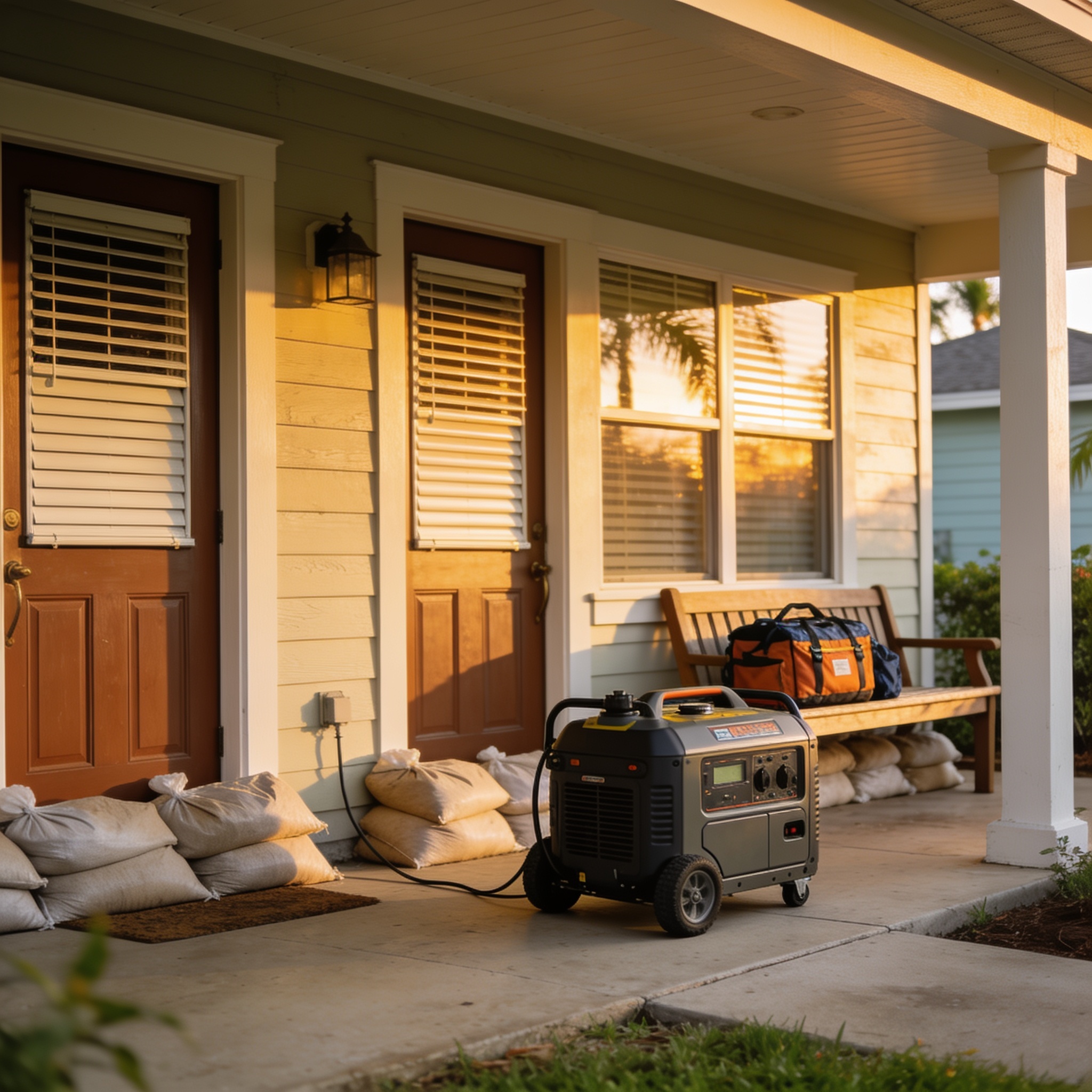
- Securing physical property with impact-rated shutters and emergency power systems mitigates long-term water damage.
- Review insurance policies annually ensures that coverage limits align with current asset valuations and flood risks.
- Establishing a clear disaster recovery strategy allows your organization to get back up and running safely after the storm has passed.
What Are the Essential Steps for Businesses to Prepare for a Hurricane?
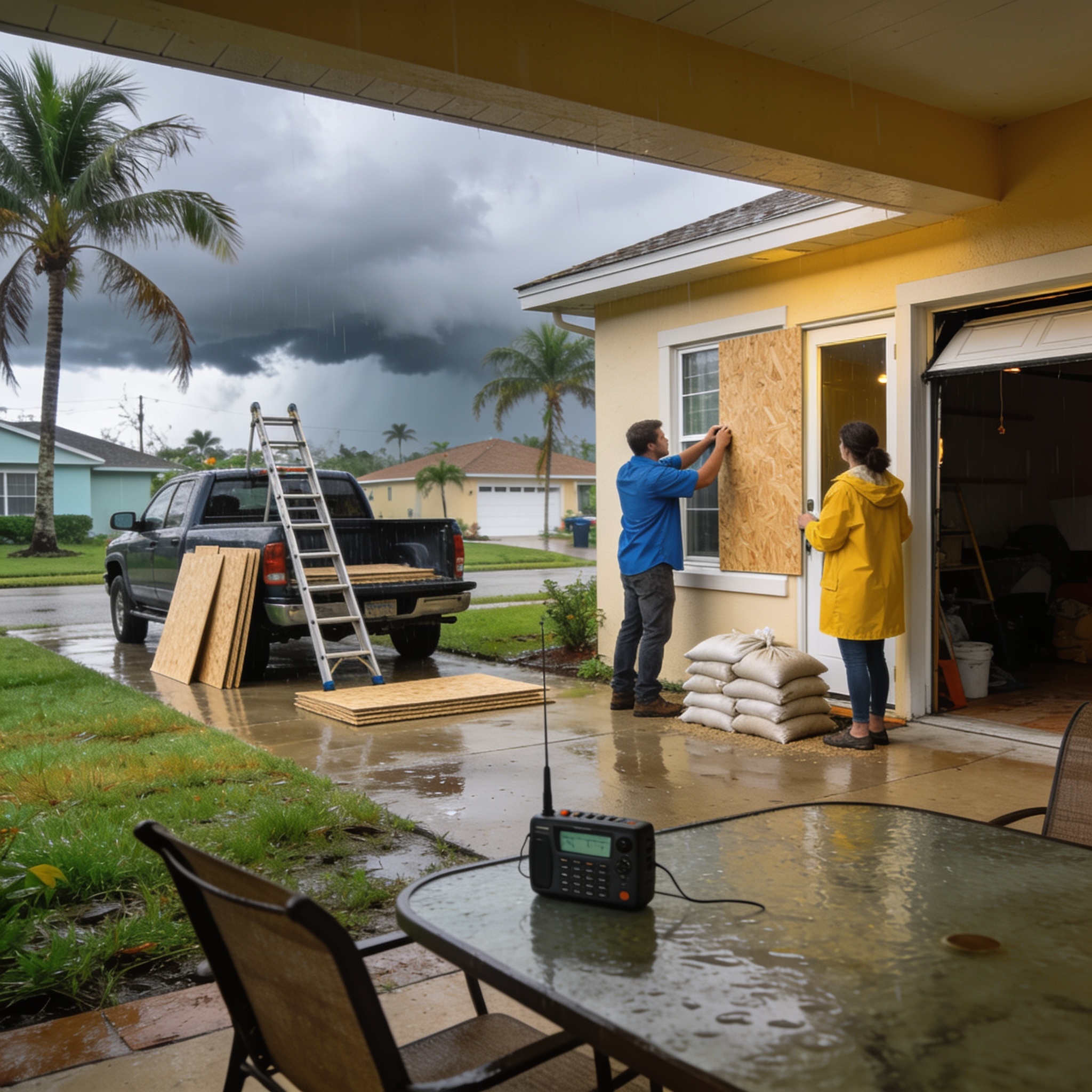
The primary step to prepare your business is conducting a comprehensive risk assessment that identifies your facility’s vulnerability to storm surge and high winds. Southwest Florida businesses in Lee, Collier, and Charlotte counties must prioritize these assessments due to the high frequency of national hurricane activity. Understanding the projected path of a hurricane is vital for timely decision-making.
Inspect Your Facility
You must inspect your facility to identify potential weaknesses such as aging roof seals, unreinforced windows and doors, or flood-prone drainage areas. Engaging a professional electrician to assess your backup power systems ensures your generator is ready for the 2026 Atlantic hurricane season and protects against power surges. Documenting these vulnerabilities allows you to prioritize capital improvements before the season peaks.
What Should Be Included in a Hurricane Preparation Checklist for Businesses?
A comprehensive hurricane preparation checklist must include specific protocols for data protection, physical security, and personnel management. This document serves as the backbone of your business continuity plan during any severe weather event.
- Digital and physical copies of vital records and insurance company contact details.
- A detailed inventory of all office equipment, machinery, and furniture.
- Phone numbers for all employees, key suppliers, and emergency phone contacts.
- A pre-arranged plan for remote work or temporary relocation of business operations.
- A verified list of contact information for all local vendors and utility providers.
How Can Businesses Create an Effective Hurricane Evacuation Plan?
Creating an effective hurricane evacuation plan requires clear instructions that every staff member understands before a storm threatens the region. This plan should be reviewed by management and distributed to all departments to ensure organizational alignment.
Defining Communication Protocols
Developing a reliable communication plan ensures that all stakeholders receive timely updates regarding office closures and reopening schedules. Utilize automated notification systems to reach employees quickly, especially when landline and cellular networks face disruption. Ensure that your personal emergency contact list is stored in a secure, cloud-based location accessible from any device, and identify safe evacuation routes for all staff. During a hurricane emergency, ensure all personnel are instructed to stay away from windows to avoid injury from flying debris.
What Are the Key Actions Businesses Should Take Before, During, and After a Hurricane?
Taking decisive action at each phase of a storm—before, during, and after—is critical for organizational survival. Each phase requires specific operational shifts to protect your team and your bottom line. When a hurricane is imminent, finalize your preparing your home and office protocols immediately.
Pre-Storm, During, and Post-Storm Protocols
| Phase | Primary Action |
|---|---|
| Before | Secure all loose exterior items and shutter windows. |
| During | Cease all business operations and ensure staff are in a secure location. |
| After | Conduct a safety assessment before allowing employees to return. |
| Recovery | Coordinate disaster relief and response and recovery efforts. |
| Team | Activate the emergency response team to manage site safety. |
What Items Are Essential for a Business Emergency Kit?
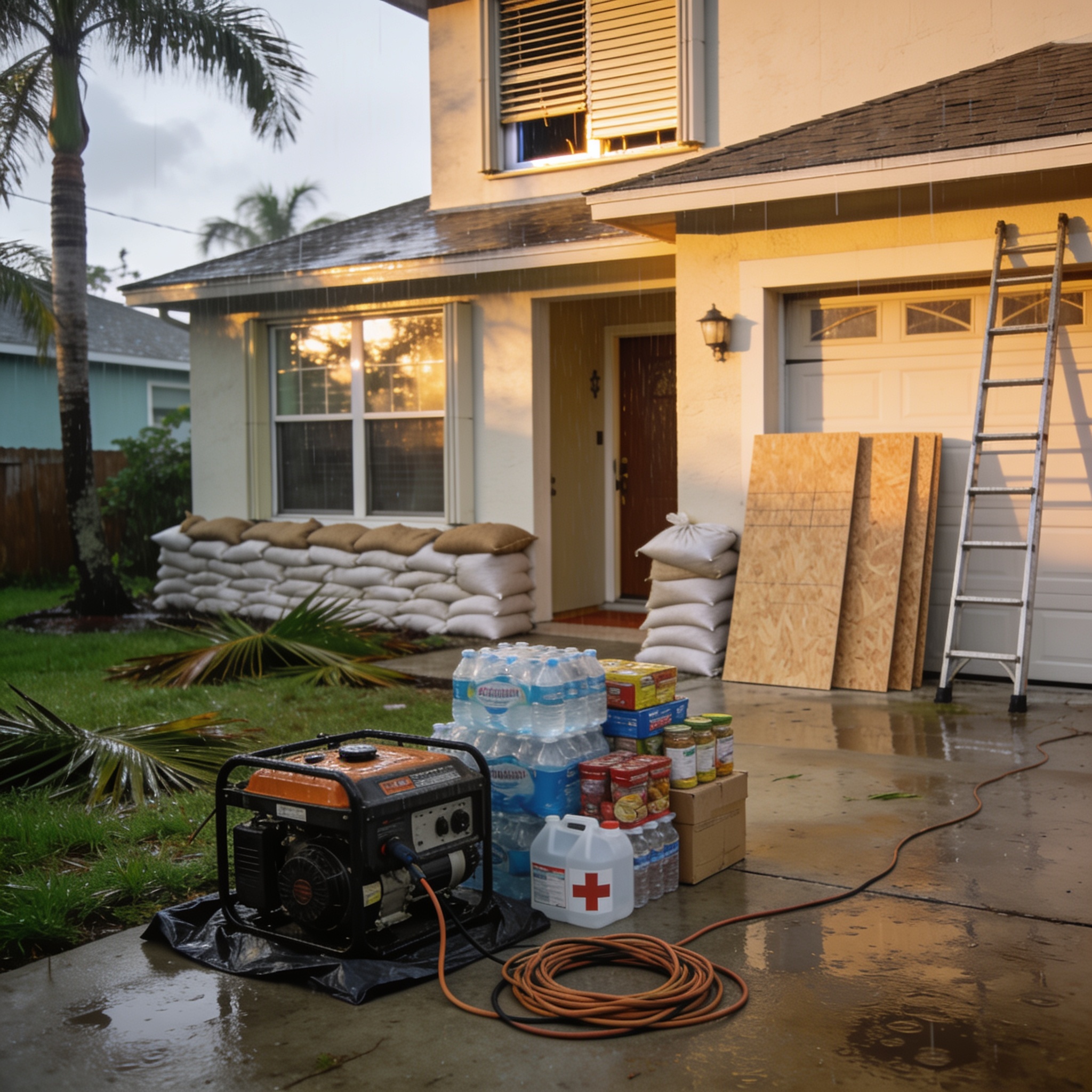
An emergency kit for your business must contain enough supplies to sustain your essential staff for at least 72 hours following a disaster. These emergency supplies should be stored in a waterproof, portable container that is easily accessible.
- A battery-operated or hand-crank radio for receiving hurricane safety updates.
- Multiple high-lumen flashlights and extra batteries.
- Basic first aid supplies and hygiene products for those sheltering at an emergency shelter.
- Portable power banks to keep communication devices operational.
How Can Businesses Protect Their Property and Important Documents from Hurricane Damage?
Protecting your property requires a combination of structural mitigation and digital redundancy to prevent permanent loss. High winds and storm surge represent the greatest threats to Southwest Florida commercial properties.
Safeguarding Critical Assets
You must safeguard important documents by uploading them to secure, encrypted cloud servers or keeping them in a fireproof and waterproof safe. If you notice signs of water damage after a storm, contact professionals specializing in Water Damage Restoration immediately to prevent mold growth. Addressing structural damage early prevents minor issues from escalating into total facility loss.
What Should Businesses Consider Regarding Insurance Coverage for Hurricane Damage?
Businesses should review their insurance policies at least 90 days before the hurricane season begins to ensure they have adequate protection against wind and flood events. Many standard policies do not cover storm surge, so supplemental flood insurance is often a necessary investment for coastal properties.
Navigating Claims and Coverage
Reviewing insurance policies annually ensures that your coverage limits match the current replacement cost of your assets. Document your inventory with photos or video before the storm to expedite the claims process if disaster strikes. If your property is impacted, seeking Water Damage Restoration can help you navigate the initial recovery phase effectively.
How Can Businesses Ensure Continuity and Disaster Recovery After a Hurricane?
Ensuring business continuity requires a pre-established strategy for how your company will function without its primary physical location. A strong business continuity plan outlines how to maintain client services even when the office is inaccessible.
Post-Storm Recovery Steps
Establishing a clear disaster recovery strategy allows your organization to reopen operations safely after the storm has passed. Once the storm has passed, coordinate with your utility providers to ensure it is safe to restore power before entering the building. If you need assistance with cleanup, look for Water Damage Restoration to assist in restoring your workspace to functional standards.
What Are the Specific Preparedness Considerations for Hospitals and Other Critical Facilities?
Critical facilities must maintain redundant systems and have specialized evacuation plans that account for the needs of vulnerable populations. These organizations are held to higher standards of emergency response due to the life-saving nature of their work.
Redundancy and Safety
Hospitals must maintain enough fuel for backup generators to run for at least 96 hours to ensure continuous medical device operation. Staff must be trained on evacuation routes that remain functional during severe flooding. Coordination with local emergency management agencies is a mandatory component of their operational mandate.
Where Can Businesses Find Resources and Assistance for Hurricane Preparedness and Recovery?
Businesses can leverage resources from FEMA, the Florida Division of Emergency Management, and the Red Cross to build a stronger, more resilient organization. These agencies provide the necessary tools to prepare for a hurricane and recover from its aftermath.
Leveraging Public Resources
Utilizing the official FEMA toolkit provides small businesses with standardized templates for creating an effective emergency plan. The National Weather Service provides real-time emergency alerts that are vital for making informed decisions during a hurricane warning. Always monitor local county emergency management websites for the most accurate information regarding evacuation orders.
Frequently asked questions
Common inquiries regarding hurricane preparedness help business owners clarify their responsibilities and improve their response strategies.
How often should I update my business emergency plan?
You should review and update your plan at least once a year, ideally before the start of the Atlantic hurricane season, to account for staff turnover and new equipment.
What is the difference between a hurricane watch and a warning?
A watch means hurricane conditions are possible in the area, while a warning means hurricane conditions are expected, and you should complete all preparations immediately.
Should I board up my windows if I am not in an evacuation zone?
Yes, even if you are not in an evacuation zone, high winds can cause significant structural damage to windows and doors, leading to catastrophic interior water damage.
How do I protect my digital data during a storm?
Back up all critical business data to a secure, off-site cloud server and ensure that your IT team has a plan for remote access to these files.
What should I do if I see downed power lines after a storm?
Stay at least 35 feet away from any downed power lines and report them immediately to your local utility provider and emergency services.
Our editorial team verifies licensing and reviews for every restoration company in the directory and writes practical, Florida-specific guides to help homeowners act fast and protect their insurance claims after water, fire, mold or storm damage.