How to Remove Flood Water from a Basement Safely and Efficiently
Professional water restoration from a basement typically costs between $1,000 and $5,000 depending on the severity of the flood and the total square footage affected. Understanding how to remove flood water from a basement requires immediate action to mitigate structural damage and prevent long-term mold growth in humid Southwest Florida climates.
Key Takeaways
- Prioritize electrical safety and put safety first by turning off power at the main breaker before entering a flooded basement.
- Document the damage with photos and videos for your insurance company before starting any cleanup.
- Use a submersible pump for high water levels and a vacuum for remaining moisture.
- Ensure the basement is completely dry using industrial dehumidifiers to prevent mold colonization.
- Consult professional water restoration companies if the water is contaminated by sewer or chemicals.
What Are the Immediate Steps to Take When Your Basement Flooding Occurs?
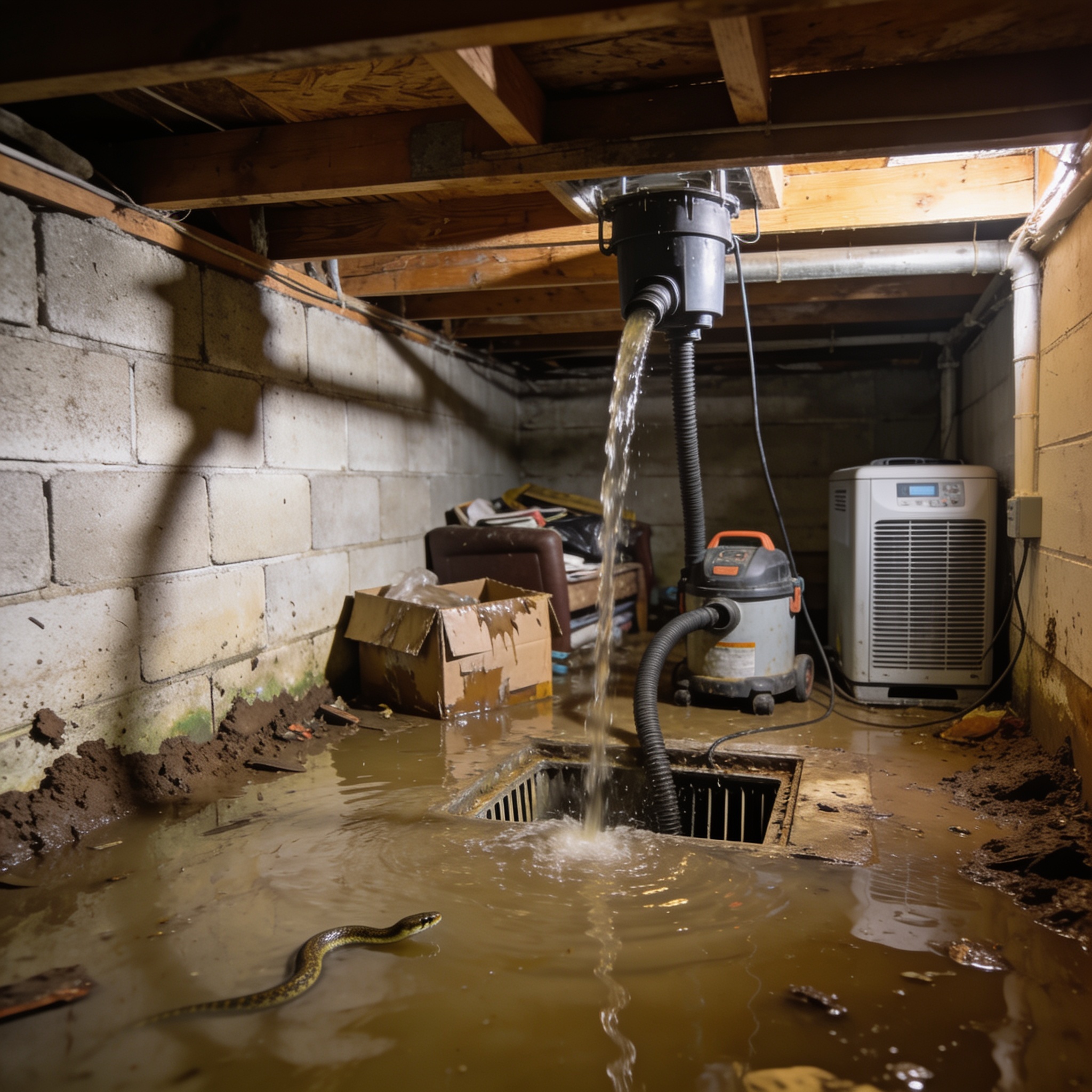
The first priority when your basement is flooded is to assess whether it’s safe to enter the basement by verifying that all electrical power is disconnected. You must turn off the circuit breakers to prevent electrocution, especially if the water level is near the basement steps or appliances. Standing water around outlets or cords can pose an electrical hazard that is invisible to the naked eye. Once the power is off, contact your insurance company to report the incident; note that renters insurance often requires special riders for flood events. Always document the damage thoroughly with high-resolution photos before you begin the flood cleanup process.
How Can You Safely Put Safety First During Water Removal?
Safety is the most critical factor in the cleanup process, requiring the use of personal protective equipment to avoid contact with contaminated floodwater. Because floodwater is unsafe, you must assume the water is contaminated with bacteria or sewage. Wear rubber boots, gloves, and eye protection. If the water appears murky, do not attempt the cleanup yourself; instead, contact water damage restoration companies. Always verify the water source—such as a leak from a pipe, a faulty sump pump, or an appliance failure—before beginning the water removal process.
How Do You Pump Water Out of a Flooded Basement?
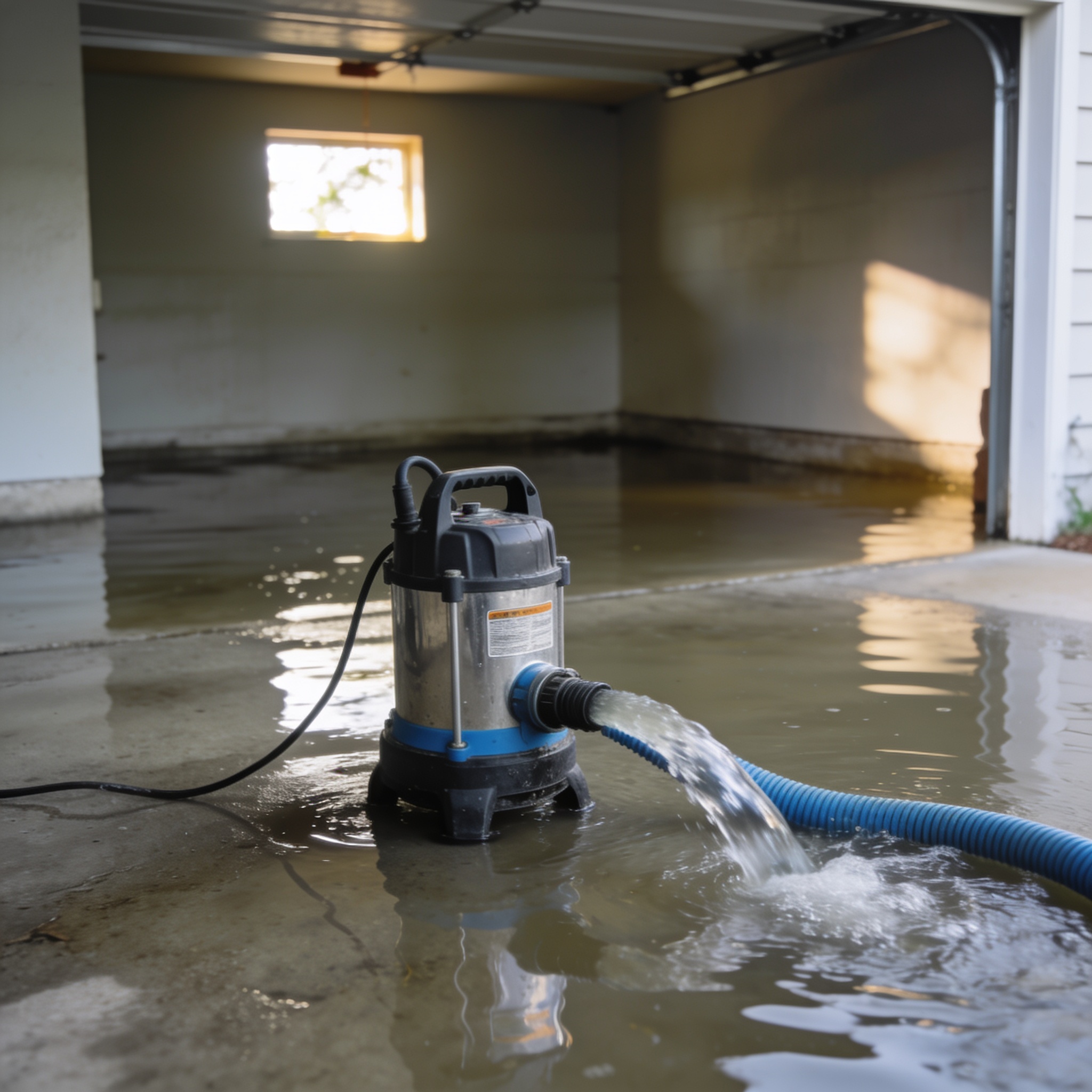
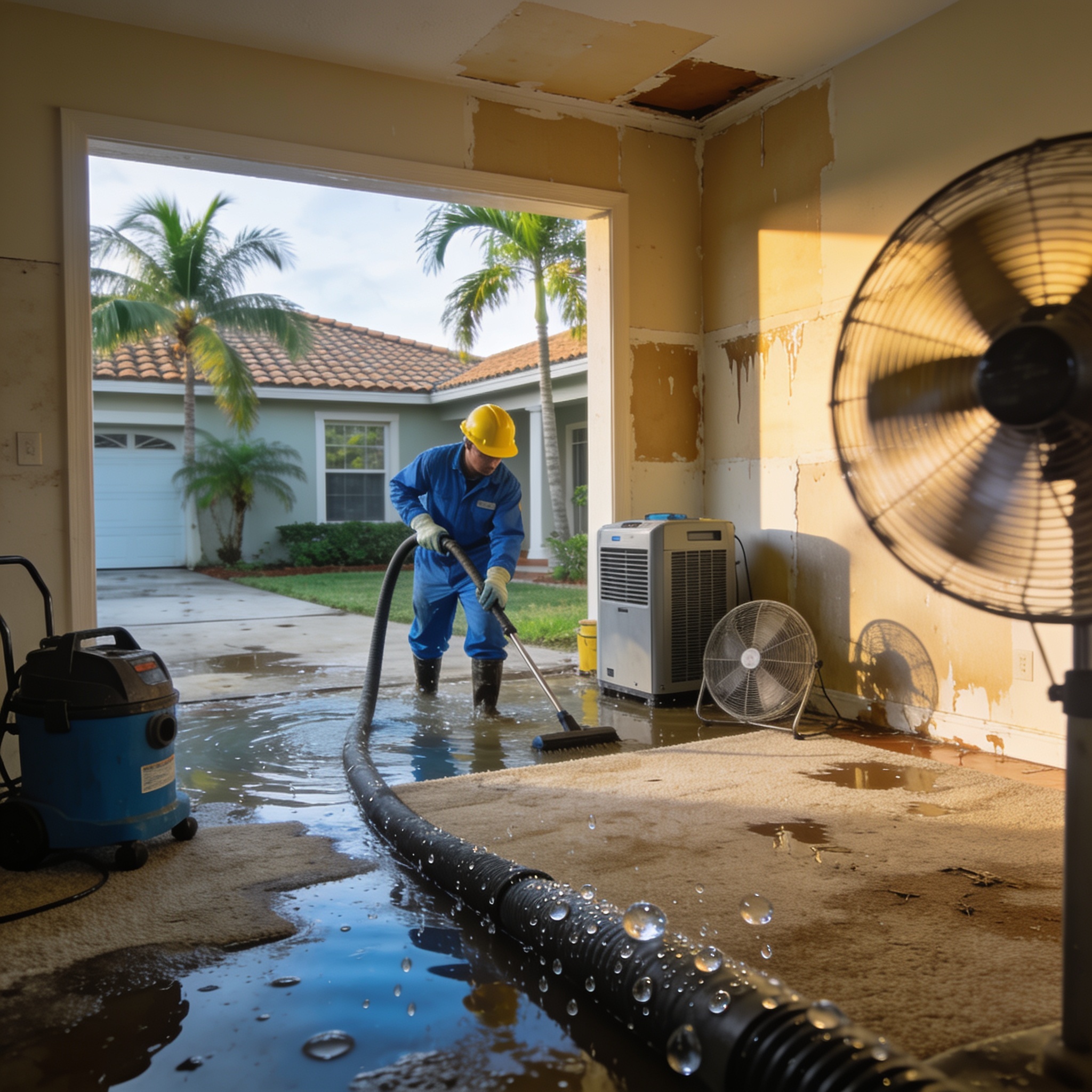
You can pump water out of a basement by using a submersible utility pump or a heavy-duty wet vacuum. Place the pump in the lowest point of the basement floor to maximize the suction of the standing water. Direct the discharge hose outside, potentially using a garden hose extension, ensuring it carries the water away from the house to prevent it from seeping back into the foundation. If you lack a pump, a large squeegee and a mop can move water toward a floor drain, though this is significantly more labor-intensive.
How Do I Remove the Water from 2 Inches of Flooding?
Removing two inches of water is best accomplished using a vacuum, which allows for precise suction of shallow pools. A standard mop and bucket system is inefficient for this volume and will likely spread contaminants across the floor and walls. Work in small sections, using the vacuum to pull moisture from the corners toward the center. Once the bulk of the liquid is gone, use a squeegee to push remaining droplets into a drain.
What Tools and Equipment Are Needed for Basement Flood Cleanup?
Having the right gear is essential to effectively remove the water and begin the restoration phase. The following table outlines the equipment necessary for a standard residential basement flood cleanup, including an unfinished basement, especially after a heavy storm.
| Tool | Primary Function |
|---|---|
| Submersible Pump | Pump the water out rapidly |
| Wet Vacuum | Extracting shallow water and debris |
| Dehumidifier | Reducing humidity to prevent mold |
| Squeegee/Mop | Final surface cleaning |
| Bleach/Disinfectant | Sanitize porous surfaces |
How Do You Sanitize and Mop to Prevent Mold?
The drying process must begin immediately after water removal to stop mold spores from colonizing the basement walls and floors. After extracting standing water, clean the floor and walls with a solution of bleach and water to disinfect the area. Utilize industrial-grade dehumidifiers and high-velocity air movers to circulate air. For professional assistance in areas like Charlotte County, contact experts in Water Damage Restoration to ensure the environment is fully sanitized.
Will Your Insurance Company Cover a Flooded Basement?
Standard homeowners insurance often excludes damage caused by rising floodwater, meaning insurance often requires special flood insurance to provide coverage. Most policies cover clean water damage from a burst pipe, but they do not cover external flooding. If you suspect the issue is related to a sewer backup, consult a plumber to verify the cause. Always maintain detailed records of the flood damage to support your claim.
How Can You Prevent Future Basement Flooding?
Preventing future basement flooding requires a combination of exterior drainage around your foundation and regular maintenance of internal systems. Ensure your gutters and downspouts are clear of debris to direct water away from the house. Installing a sump pump with a battery backup is a critical home improvement. If you encounter complex electrical issues near the pump, consult a licensed electrician to ensure all wiring is up to code.
Frequently asked questions
These common questions address the most frequent concerns regarding basement flood management in Florida.
Is it safe to enter a flooded basement?
No, you must first assess whether it’s safe to enter by ensuring the power is off and checking whether it’s safe to enter based on the water’s potential for electrical hazards.
How long does it take for mold to grow after a flood?
Mold can begin to grow within 24 to 48 hours if the area is not properly dried and dehumidified.
Can I use a shovel to remove flood debris?
Yes, a shovel is useful for removing mud and heavy debris, but always wear protective gear to avoid contact with potential contaminants.
Does a dehumidifier work in a flooded basement?
Yes, a dehumidifier is essential for removing moisture from the air and materials, but it should only be used after all standing water has been removed.
See also: Water Damage Restoration
Our editorial team verifies licensing and reviews for every restoration company in the directory and writes practical, Florida-specific guides to help homeowners act fast and protect their insurance claims after water, fire, mold or storm damage.