How to Prevent Flood in Basement: Essential Protection Tips
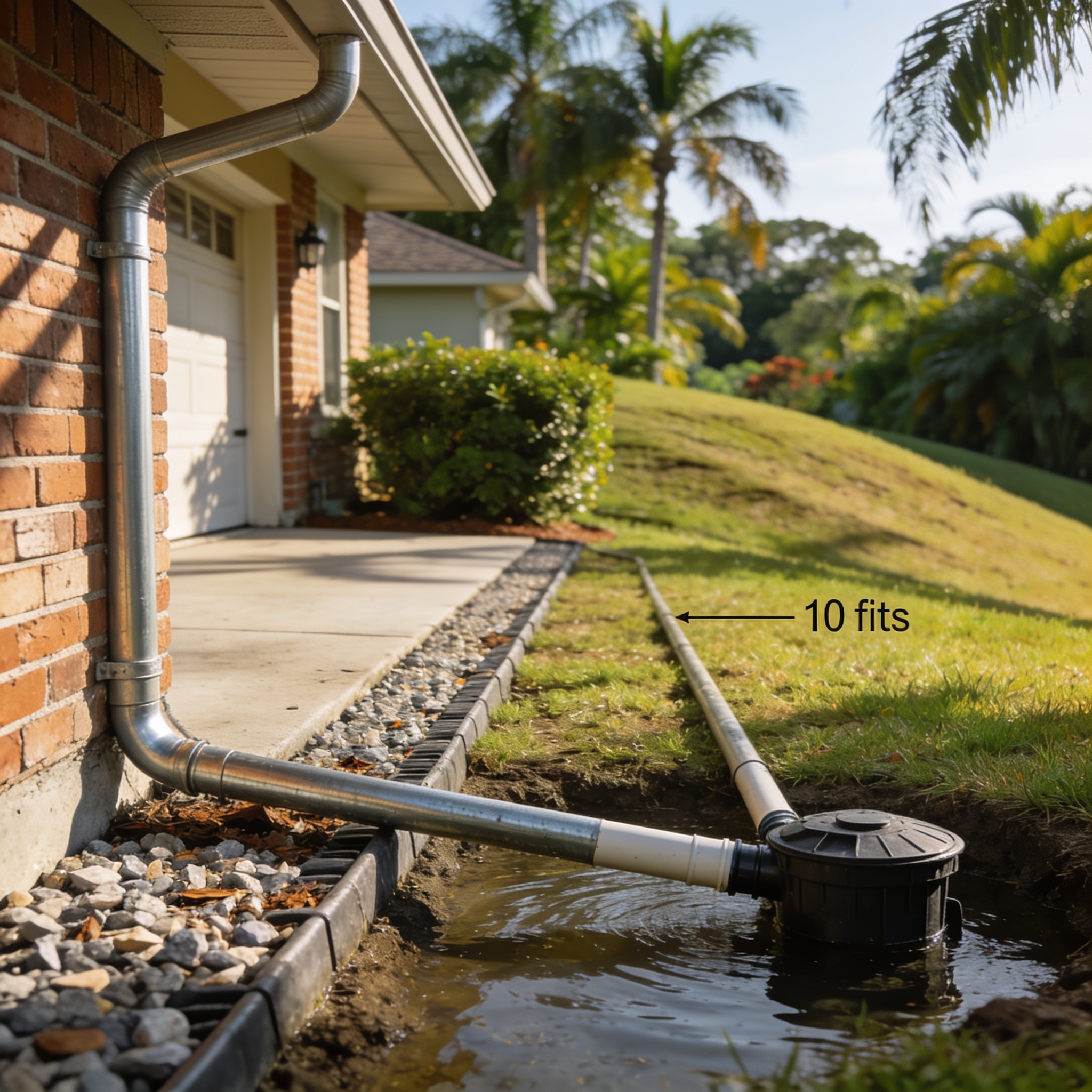
The most effective way to prevent basement flooding in Southwest Florida is to maintain a positive exterior grade that directs water at least 10 feet away from your foundation, a strategy that can save the average homeowner over $15,000 in potential water damage restoration costs. While true basements are rare in Florida due to the high water table, many homes in Lee, Collier, and Charlotte counties feature sunken rooms or crawl spaces that function similarly and are highly susceptible to flood events. Implementing a robust water management strategy is the only way to keep your basement dry during our intense tropical rainy seasons. Because water can accumulate rapidly during storms, you must ensure your property is prepared to prevent flooding before the next heavy rain.
Key Takeaways
- Directing water away from your foundation is the single most important step to prevent basement flooding and reduce the risk of flooding.
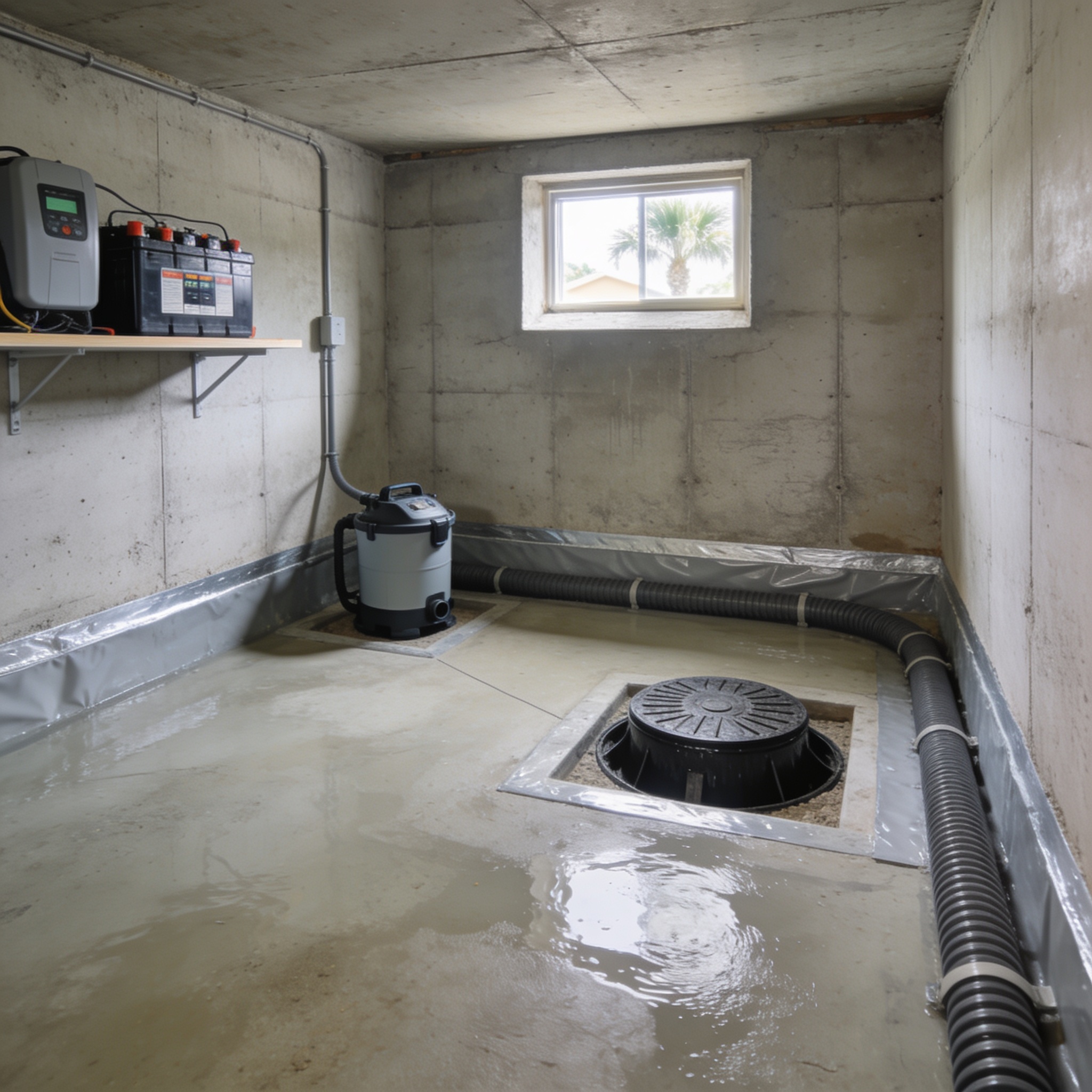
- Installing a battery-powered sump pump provides critical protection in the event of a power outage, helping to avoid sump pump failure.
- Regularly clearing debris from your gutters and downspouts prevents surface water from pooling near your home’s perimeter.
- Standard homeowners insurance policies typically exclude flood damage, making separate coverage through the NFIP essential for residents in flood zones.
- Professional inspections can identify hidden cracks in basement walls that allow water coming from the soil to seep into the basement.
What Are the Most Common Causes of Basement Flooding?
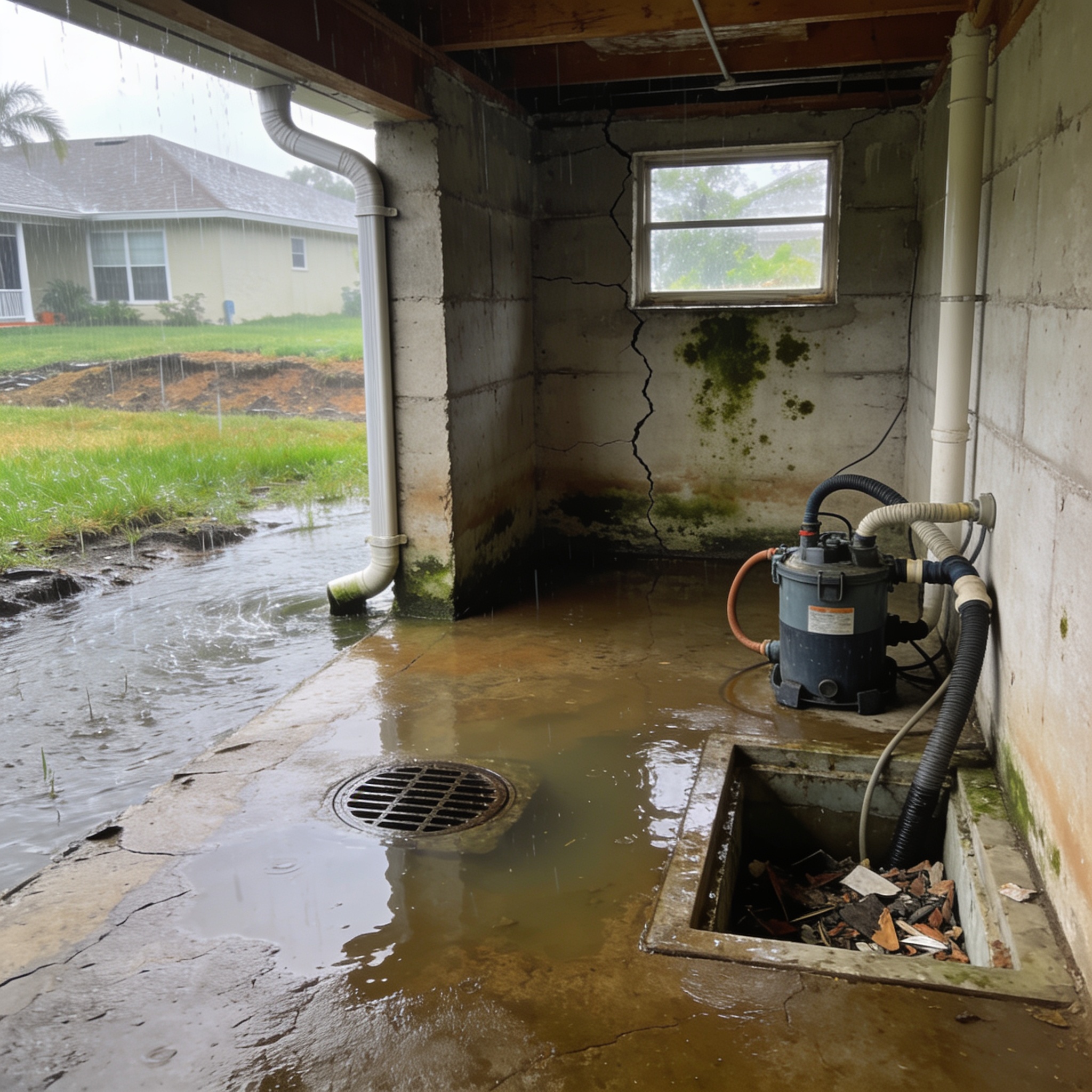
Understanding the common causes of basement flooding is the first step toward effective mitigation in a region known for heavy rainfall and high water tables. When the soil around your home becomes saturated, hydrostatic pressure forces moisture through microscopic cracks in your basement walls. A hidden water leak in your plumbing or a foundation crack can also allow water to enter the home. If you see water pooling near your foundation, it is a sign that you need to address drainage immediately to lower your overall flood risk.
Surface Water and Poor Grading
Improper grading is a leading culprit, as the ground should slope away from the house to ensure water does not collect against the structure. If the soil settles over time, it creates a depression that traps rainwater, eventually leading to water ingress. Maintaining proper water flow is essential to keep your basement dry. You should also install water diversion systems to ensure that excess water is moved safely away from the structure.
Groundwater and High Water Tables
In low-lying areas of SWFL, a high water table can cause ground water to rise during prolonged storm events. This pressure can overwhelm even the best drainage system if it is not properly maintained or sized for the local climate. If the system is not functioning properly, it may allow water to accumulate, causing the basement to flood.
How Can I Help Prevent Basement Flooding?
To effectively prevent basement flooding, you must implement a multi-layered approach that addresses both surface runoff and subsurface moisture. Start by inspecting your exterior perimeter for any signs of soil erosion or pooling water after a heavy rain. Ensure that your downspouts extend far enough away from the foundation to discharge water into a storm drain or a safe runoff area. These are essential tips to prevent moisture buildup and ensure water flows away toward your home’s exterior drainage zones.
How to 100% Waterproof a Basement Dry and Protect Your Home
Achieving a fully waterproof space requires sealing the interior and exterior surfaces to block water entry points. You should apply high-quality masonry sealants to the interior walls of the basement to provide an initial barrier against dampness. For more severe cases, professional contractors often install an interior drainage system that channels water toward a central sump pump. Investing in professional water damage restoration services can help you identify if your home requires a specialized membrane or a French drain system to remain dry. This is a proven solution to prevent basement water from causing water damage.
What Role Do Sump Pump System and Drainage System Play in Preventing Basement Floods?
A sump pump system acts as the mechanical heart of your water management strategy, actively removing water that collects in a basin before it can flood your living area. When you install a sump pump, ensure it is equipped with a battery backup to maintain functionality during a power outage. A French drain, consisting of a perforated pipe buried in a gravel-filled trench, serves to collect and redirect groundwater away from your foundation walls. This helps prevent pump failure and keeps water out of the basement. Additionally, consider integrating water leak detection sensors to alert you if moisture levels rise unexpectedly.
How to Clean Gutters and Downspouts to Keep Your Basement Dry
Maintaining your gutters and downspouts is a non-negotiable task for any homeowner looking to protect their property from water damage. You must clean gutters and downspouts at least twice a year to remove leaves and other debris that cause a clog, which leads to water overflowing directly against the foundation. Ensuring that your downspouts are clear and directed away from your foundation is the most cost-effective way to keep your basement dry.
How Can I Prevent Sewer Backups in My Basement and Foundation?
Preventing a sewer backup requires you to install a backwater valve, which is a mechanical device that allows sewage to flow out but prevents it from backing up into your basement. During heavy rainfall, city sewer lines can become overwhelmed, forcing wastewater back through your home’s plumbing. If you live in an older neighborhood, checking your sewer line for root intrusion is a critical step to prevent sewage from backing up into your home, as blockages significantly increase the risk of a messy interior flood.
What Soaks Up Water in a Basement After a Flood?
After a flood, you must act quickly to remove standing water, as porous materials like drywall, carpet, and insulation will absorb moisture and promote mold growth. Professional remediation teams utilize industrial-grade extractors and air movers to dry the structure, but you can use wet-dry vacuums for smaller, localized leaks. Professional water damage restoration near me services are often required to safely sanitize the area and prevent long-term structural degradation.
What Steps Should I Take Immediately After My Basement Floods?
The 7 proven tips to help prevent further damage after a flood ensure your safety and minimize long-term issues:
- Prioritize electrical safety by turning off the power to the flooded area at the breaker box.
- Wear protective gear, including rubber boots and gloves, to avoid contact with potentially contaminated floodwater.
- Contact your insurance provider to report the damage and document the event with photos and videos.
- Begin the water extraction process immediately using a pump or professional-grade vacuum.
- Remove all saturated porous items, such as carpeting and upholstered furniture, to prevent mold colonization.
- Set up industrial dehumidifiers and high-velocity fans to accelerate the structural drying process.
- Schedule a professional assessment to ensure the foundation remains stable and to prevent water from entering the basement through cracks.
Will Insurance Cover a Flooded Basement?
Most standard homeowners insurance policies do not cover damage caused by external flooding or groundwater seepage. You must purchase a separate flood insurance policy through the National Flood Insurance Program (NFIP) to be covered for these specific events. Always review your policy details with your agent to understand the distinction between a covered plumbing leak and an excluded flood event.
When Should I Call a Professional for Basement Flooding Issues?
You should call a professional if you notice standing water that persists for more than 24 hours or if you detect signs of mold growth. Expert water damage restoration technicians possess the specialized equipment necessary to dry hidden cavities behind walls and beneath flooring. Early intervention is the best way to protect your home from the long-term structural and health risks associated with basement flooding.
Frequently asked questions
These answers address common concerns regarding basement moisture management in the Florida climate.
How often should I test my sump pump?
You should test your sump pump every three months by pouring a bucket of water into the basin to ensure the float switch activates the pump correctly.
Can I waterproof my basement from the inside?
While interior sealants help with minor seepage, true waterproofing often requires exterior excavation to address the root cause of water pressure against your foundation walls.
What is the difference between a sump pump and a French drain?
A sump pump is an active mechanical device that removes water from a collection pit, whereas a French drain is a passive drainage system that uses gravity to move groundwater away from your home.
Why is my basement floor damp even when it doesn’t rain?
High humidity levels in Florida can cause condensation on cool basement floors, or you may have a high water table pushing moisture through the concrete slab.
| Method | Primary Function | Maintenance Level |
|---|---|---|
| Sump Pump | Active water removal | High (quarterly testing) |
| French Drain | Groundwater redirection | Low (annual inspection) |
| Gutters/Downspouts | Surface water control | High (seasonal cleaning) |
| Backwater Valve | Sewer backup prevention | Medium (annual check) |
See also: water damage restoration near me
See also: Water Damage Restoration in Punta Gorda
See also: Water Damage Restoration
Our editorial team verifies licensing and reviews for every restoration company in the directory and writes practical, Florida-specific guides to help homeowners act fast and protect their insurance claims after water, fire, mold or storm damage.