How to Know If a House Flooded During Harvey: A Homebuyer’s Checklist
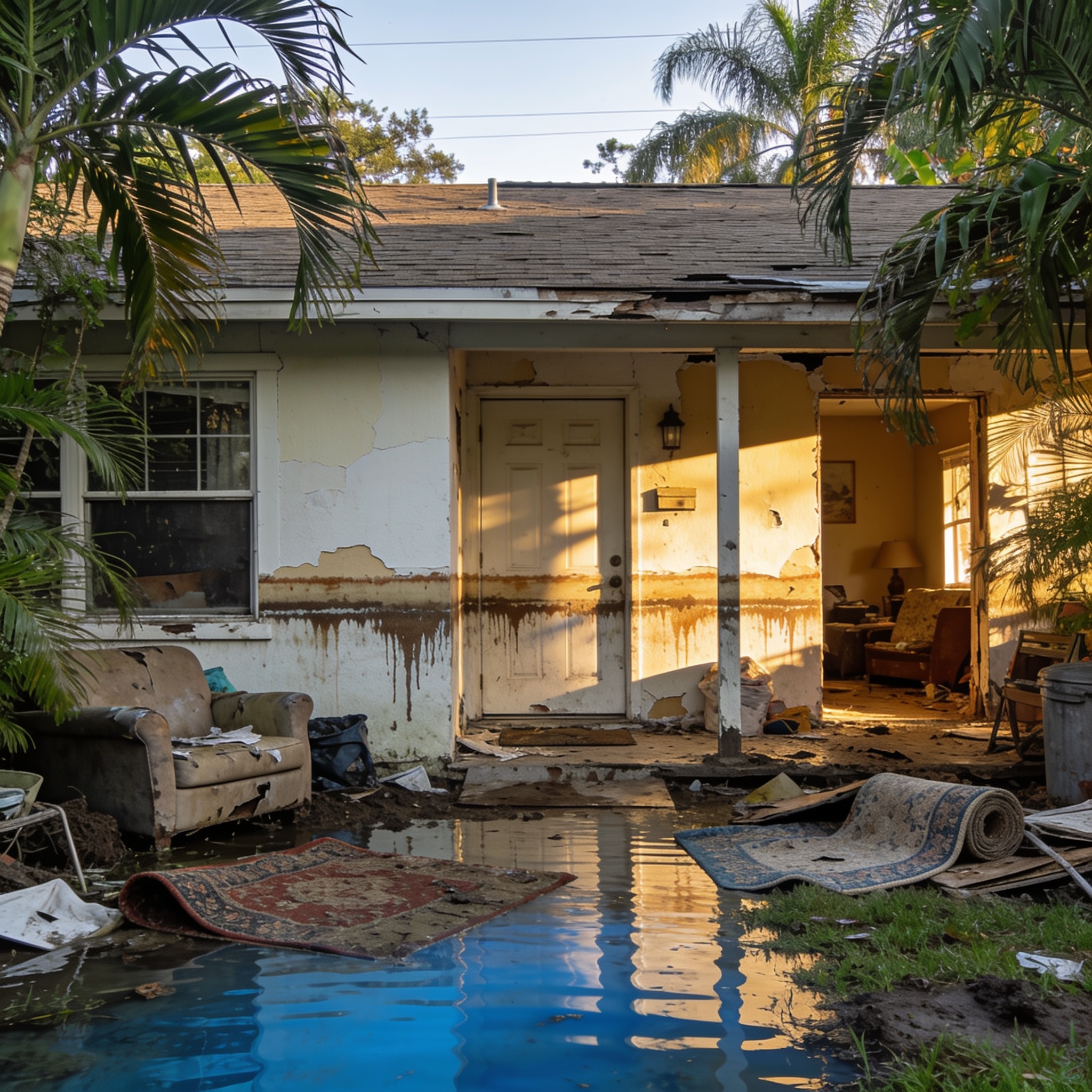
You can determine how to know if house flooded during Harvey by utilizing a 5-step search process that includes reviewing the Harris County Flood Control District property database, checking the FEMA flood map, requesting a CLUE report, inspecting for physical signs of water damage, and consulting local neighborhood disclosures. Verifying the history of a property is the most critical step in protecting your investment from future financial loss. Understanding the impact of harvey flooding is essential for any buyer looking in the greater Houston area, especially as we compare these risks to the storm patterns we see in Southwest Florida. This guide serves as an important update for buyers navigating the complexities of the current market in houston’s competitive real estate landscape.
Key Takeaways
- Always verify a property’s history through official Harris County and FEMA data sources before signing a contract.
- Physical inspections should focus on signs of previous water damage, such as water lines on foundations or replaced flooring.
- Flood insurance is a mandatory consideration for any home located within or near a designated high-risk floodplain.
- Consulting a professional for Water Damage Restoration assessment can save you thousands in future repair costs.
- Environmental factors like proximity to a bayou or reservoir significantly increase the long-term risk profile of a house.
- Prioritize structural resiliency when evaluating a new build or an older property.
5-Step Search to Know If a House Flooded During Harvey
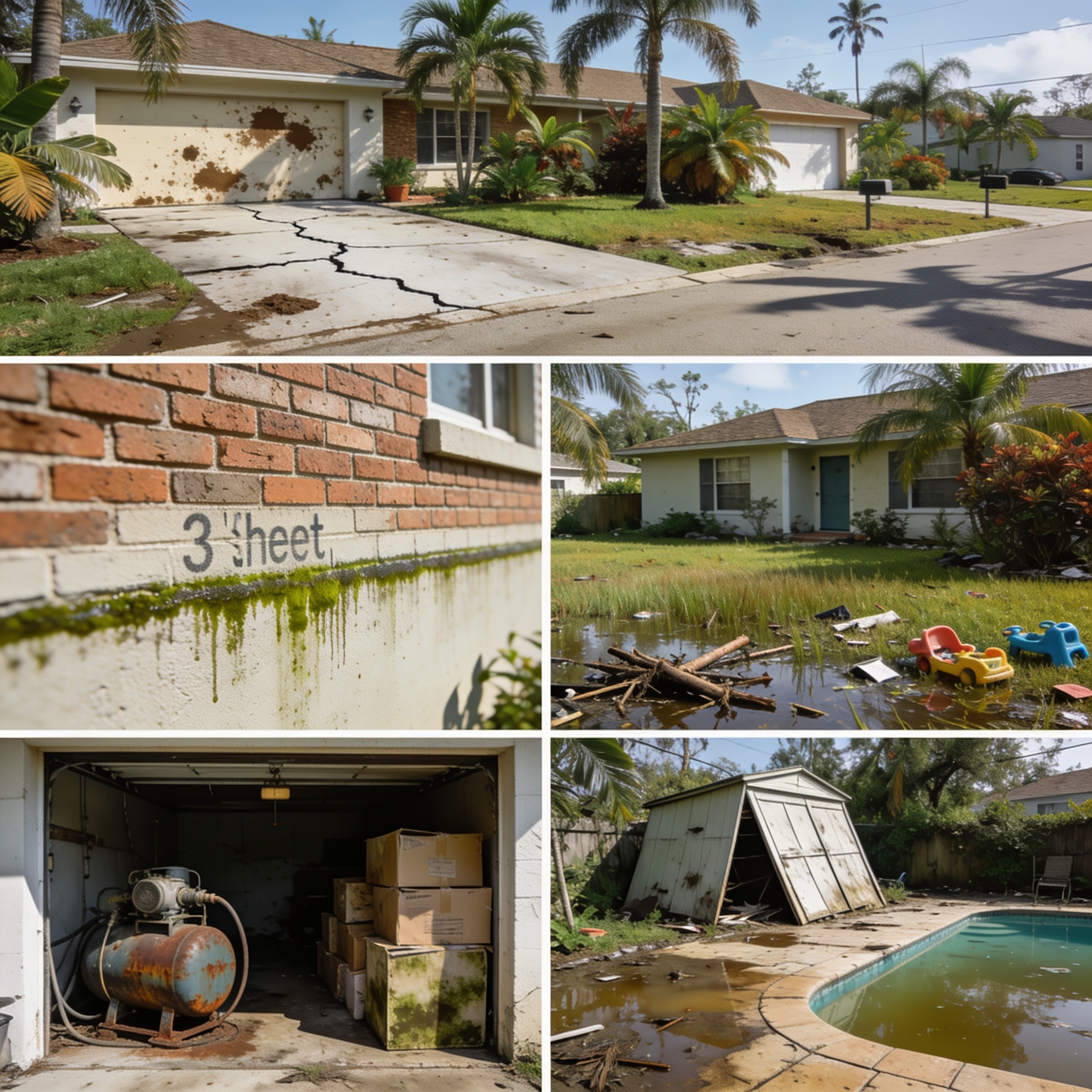
Following a structured verification process allows you to uncover hidden history that a seller might not disclose. Executing these five specific steps provides the most accurate picture of a home’s past exposure to flood events.
- Harris County Database Search: Use the official Harris County Flood Control District mapping tool to see if the property was included in any reported flood impact zones.
- FEMA Flood Map Review: Consult the latest FEMA flood map to determine if the house sits within a 100-year or 500 year floodplain.
- CLUE Report Request: Obtain a Comprehensive Loss Underwriting Exchange (CLUE) report to see if any insurance claims for flood damage were filed on the property.
- Physical Property Inspection: Hire a professional inspector to look for signs of water damage, such as mismatched baseboards or moisture stains in the garage.
- Neighborhood Disclosure Verification: Speak with long-term residents in the neighbourhood to ask about their personal experiences during the storm.
What areas in Houston and Texas were most affected by flooding during Hurricane Harvey?
The areas most impacted by Harvey were those situated near the major bayou watersheds and the massive reservoir systems. Large portions of Harris County experienced unprecedented destruction due to the sheer volume of rain that fell over the region. Neighborhoods surrounding Buffalo Bayou, Brays Bayou, and the Addicks and Barker reservoir systems saw the most significant water accumulation. These districts were designed to manage drainage, but the sheer scale of the storm exceeded their capacity, leading to widespread flooding. Many homes flooded in areas that had previously been converted from rice fields, altering the natural drainage landscape.
Did Missouri City, TX experience flooding during Harvey?
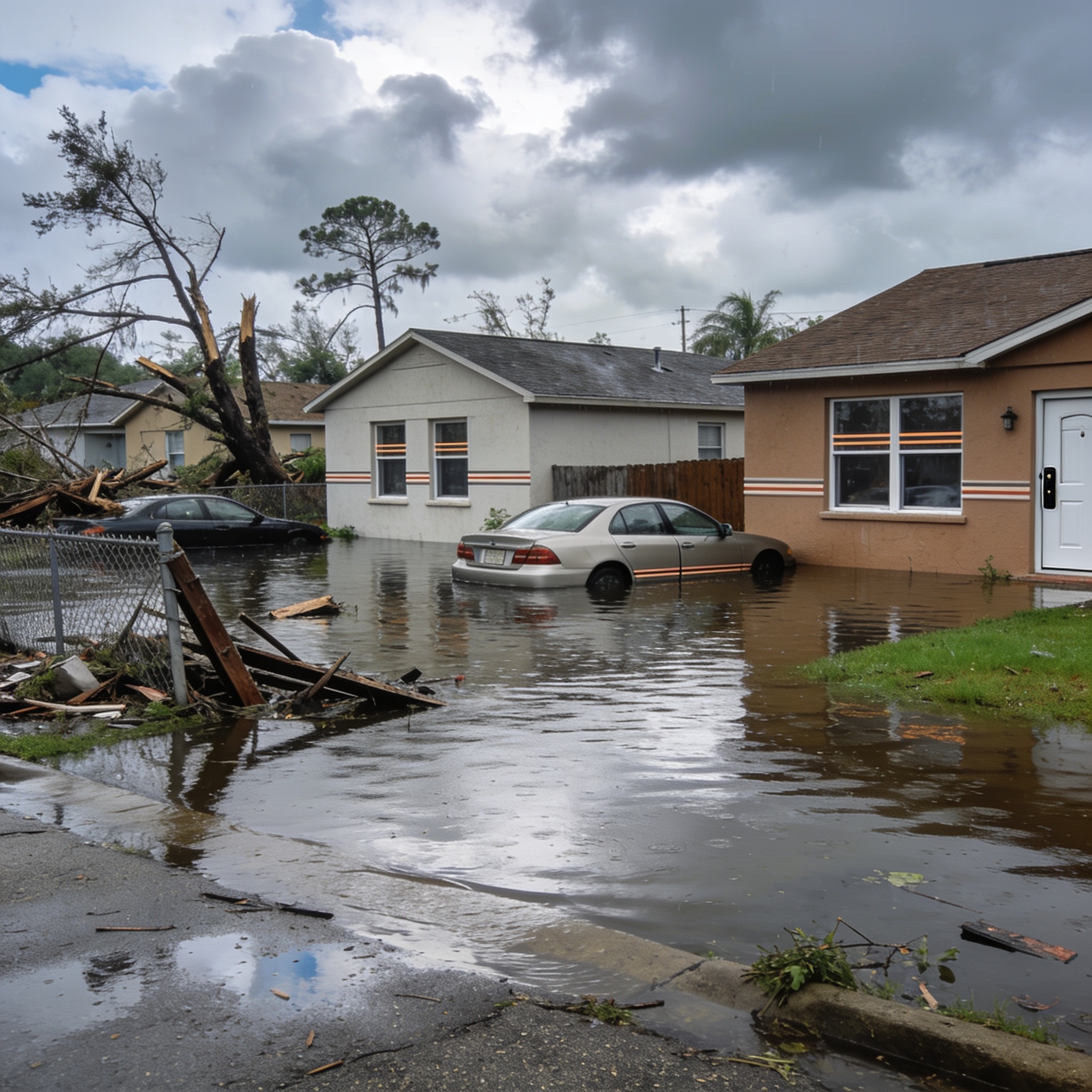
Missouri City did experience significant flooding in specific low-lying areas during the event. Residents in parts of the county reported major flood damage as the drainage basins struggled to keep up with the extreme rainfall. While not every house in the city was affected, the proximity to various bayou watersheds created a high risk for many homeowners. Always check the specific property address against local flood maps if you are considering a purchase in this region, as Harvey’s impact varied significantly by street.
Is Kingwood, TX considered prone to flooding?
Kingwood is widely recognized as a flood-prone area due to its location along the San Jacinto River and its complex network of drainage systems. Historical data shows that many homes in this community were severely impacted during the storm. The interaction between the river levels and local storm drain capacity often dictates the risk level for any given property. Prospective buyers should prioritize professional Water Damage Restoration assessments if they suspect a home has been previously compromised.
How can I check if a specific house flooded during Harvey or in the past?
Checking if a house flooded during Harvey requires a combination of public record searches and private due diligence. You can access the Harris County Flood Control District website to view historical flood data for specific addresses. Additionally, asking the seller for a formal disclosure statement is a legal requirement in many Texas real estate transactions. If you are uncertain about the findings, seeking expert advice on Water Damage Restoration can provide peace of mind before closing. Ensure you check if the property’s history includes claims from subsequent events like Imelda or other significant rain events.
Where can I find interactive maps and resources to check flood risk for a property?
Interactive mapping tools provided by FEMA and the local county government are the most reliable resources for assessing flood risk. These digital tools allow you to overlay flood zones onto current property lines to see if a home is in a high-risk area. The United States Army Corps of Engineers also provides data regarding the status of dams and reservoirs. Utilizing these resources ensures you have the most up-to-date information regarding the potential for future water events. You should also monitor local news for any new flood mitigation projects in the area.
| Resource | Purpose |
|---|---|
| FEMA Map Service Center | Identifying official FEMA’s flood insurance rate maps. |
| Harris County Flood Control | Viewing historical flood impact data for Harris and Fort Bend. |
| CLUE Report | Checking past insurance claims on the property. |
How do I read a flood zone map and determine if a property is in a flood plain?
Reading a flood map involves identifying the specific zone designation assigned to a property by FEMA. Zones marked with an ‘A’ or ‘V’ generally indicate a high-risk flood plain where special regulations apply. These maps are based on the probability of a 100-year or 500-year flood event occurring in any given year. Understanding these designations is vital for calculating your potential insurance rates and long-term maintenance costs.
Do you need flood insurance if your home is outside a designated flood plain?
Even if a house is outside a high-risk flood plain, purchasing flood insurance is highly recommended for all homeowners. Many properties that flooded during Harvey were located in areas previously considered to be at low risk. Climate change and increased development can alter drainage patterns, making historical maps less predictive of future events. Relying solely on a flood plain designation can leave a homeowner financially vulnerable during a major storm or tropical storm.
What are the environmental and health hazards associated with Harvey floodwaters?
Floodwaters often carry a cocktail of contaminants, including sewage, chemicals, and mold spores, which pose severe health risks. Prolonged exposure to moisture after a flood event leads to rapid mold growth that can compromise indoor air quality. Professionals must follow strict guidelines when remediating these environments to ensure safety. Always prioritize professional cleanup to avoid the long-term health implications of living in a compromised home, whether it is an old house or a newer construction.
What are the implications of buying a house that flooded during Harvey or sits in a flood zone?
Buying a property with a history of flooding or one located in a high-risk zone carries significant financial and logistical implications. Higher insurance premiums and the potential for future damage are the primary concerns for any prospective buyer. You must also consider the resale value, as properties in flood-prone areas may have a smaller pool of interested buyers. Factor these costs into your budget to ensure the investment remains viable over the long term. Some owners may choose to rebuild or participate in government-led home buyouts to mitigate future risks.
Frequently asked questions
Understanding the nuances of flood history is a critical component of the due diligence process for any homebuyer.
Does a home inspection always reveal past flooding?
A standard home inspection may not always uncover evidence of past flooding if the seller has performed cosmetic repairs. Professional inspectors often look for specific indicators like moisture meter readings in walls or signs of foundation repair. Always ask for a specialized inspection if you have concerns about a flooded house.
What is the difference between a 100-year and 500-year flood plain?
A 100-year flood plain represents an area with a 1% annual chance of flooding, while a 500-year flood plain has a 0.2% chance. These terms refer to statistical probability rather than a literal timeframe of when a flood will occur. Recent weather patterns have shown that these events can happen much more frequently than the names imply.
Can I get flood insurance immediately after closing?
Most flood insurance policies have a 30-day waiting period before they become effective. It is essential to arrange your coverage well in advance of your closing date to ensure there is no gap in protection. Consult with your insurance agent to understand the specific requirements for your property.
How does the Army Corps of Engineers manage reservoir levels?
The Corps of Engineers manages reservoir levels by operating flood gates to control the release of water downstream. This process is carefully calculated to balance the risk between upstream and downstream communities during heavy rainfall. Residents living near these systems should stay informed about any planned releases that could impact their property, especially when considering a memorial or property near the Addicks and Barker reservoirs.
Our editorial team verifies licensing and reviews for every restoration company in the directory and writes practical, Florida-specific guides to help homeowners act fast and protect their insurance claims after water, fire, mold or storm damage.