How to Dry a Basement After a Flood: A Step-by-Step Recovery Plan
The most effective way to dry a basement after a flood is to initiate professional water removal within the first 24 hours, which typically costs between $2,500 and $5,000 depending on the square footage and severity of the water damage. Acting immediately is the single most decisive factor in preventing long-term structural decay and hazardous mold growth in Southwest Florida’s humid climate. Following a structured recovery plan ensures you mitigate losses while navigating complex insurance requirements. If your basement is flooded, you must act fast to restore your home safely and minimize damage.
Key Takeaways
- Prioritize safety by cutting power to the basement before entering any standing water; call an electrician if you suspect wiring damage.
- Use industrial-grade pumps and dehumidifiers to accelerate the drying process.
- Document all flood damage with photos and videos for your insurance adjuster.
- Consult with restoration specialists to identify hidden moisture trapped in masonry.
- Implement exterior drainage improvements to prevent recurring flooding issues.
What Are the Common Causes of Basement Flooding?
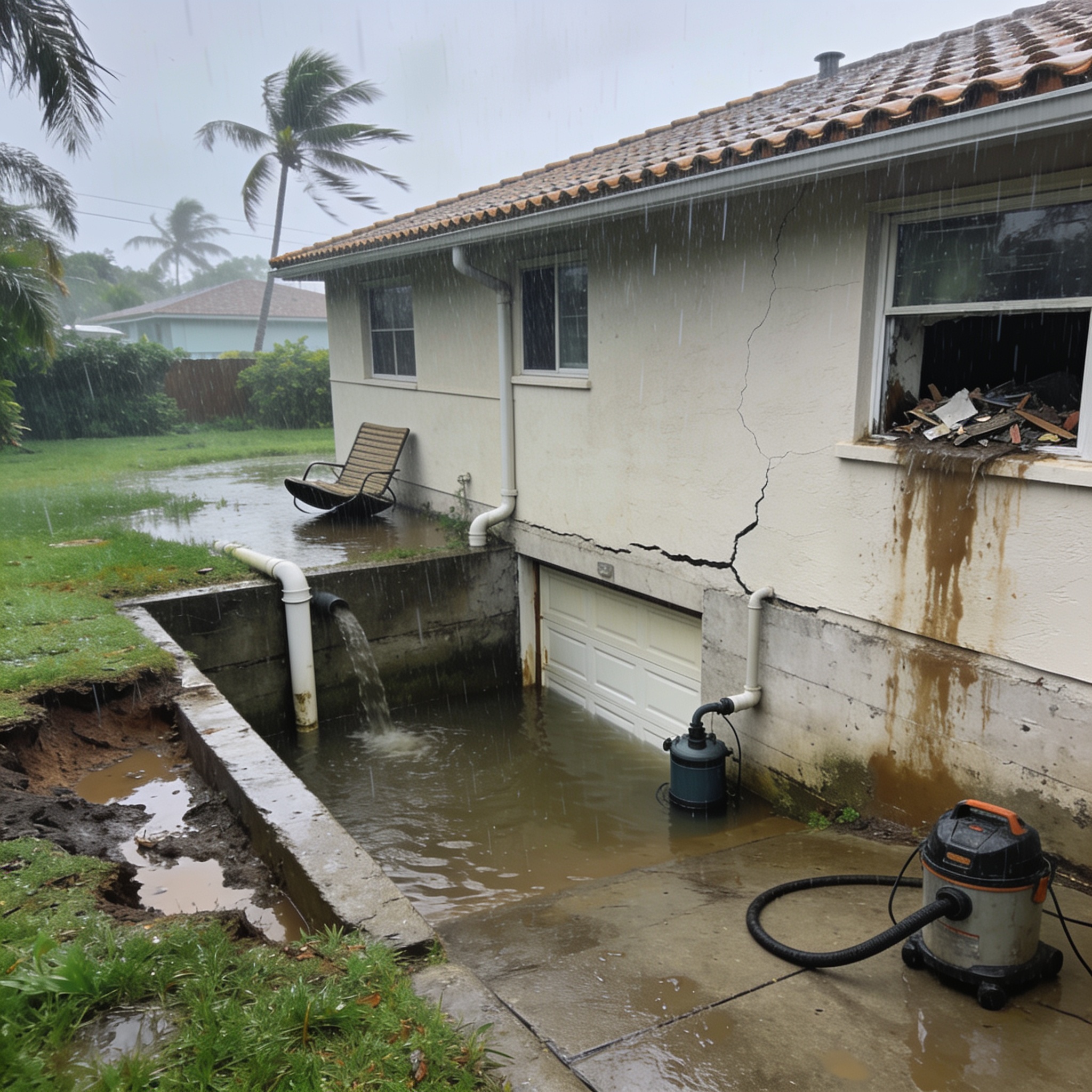
Basement flooding in Southwest Florida is primarily driven by tropical storm surges, heavy seasonal rainfall, and high water tables that overwhelm local drainage systems. Overland flooding occurs when intense precipitation exceeds the capacity of municipal storm drains, forcing water into lower-lying residential structures. Foundation cracks can also allow groundwater to seep into your home, especially when soil saturation levels are high. Additionally, sewer backups caused by municipal line blockages can introduce contaminated water into your basement, necessitating specialized cleanup. You should also check for a burst water pipe, as this is a common internal source of basement water.
What Are the First Steps to Take for Water Removal from a Basement Floor?
Your immediate priority must be to ensure the area is electrically safe before attempting to remove standing water. Following the immediate steps to take, turn off the electricity at the main breaker panel if the basement floor is submerged, as water and live currents create a lethal hazard. Once the power is isolated, wear appropriate personal protective equipment (PPE) including rubber boots and gloves to protect against contaminants. Assess the water level and determine if the floodwater contains sewage, which requires professional remediation rather than DIY efforts. You must find the source of the intrusion to stop the flow before beginning the flooded basement cleanup.
How to Use a Floor Drain for Water Removal
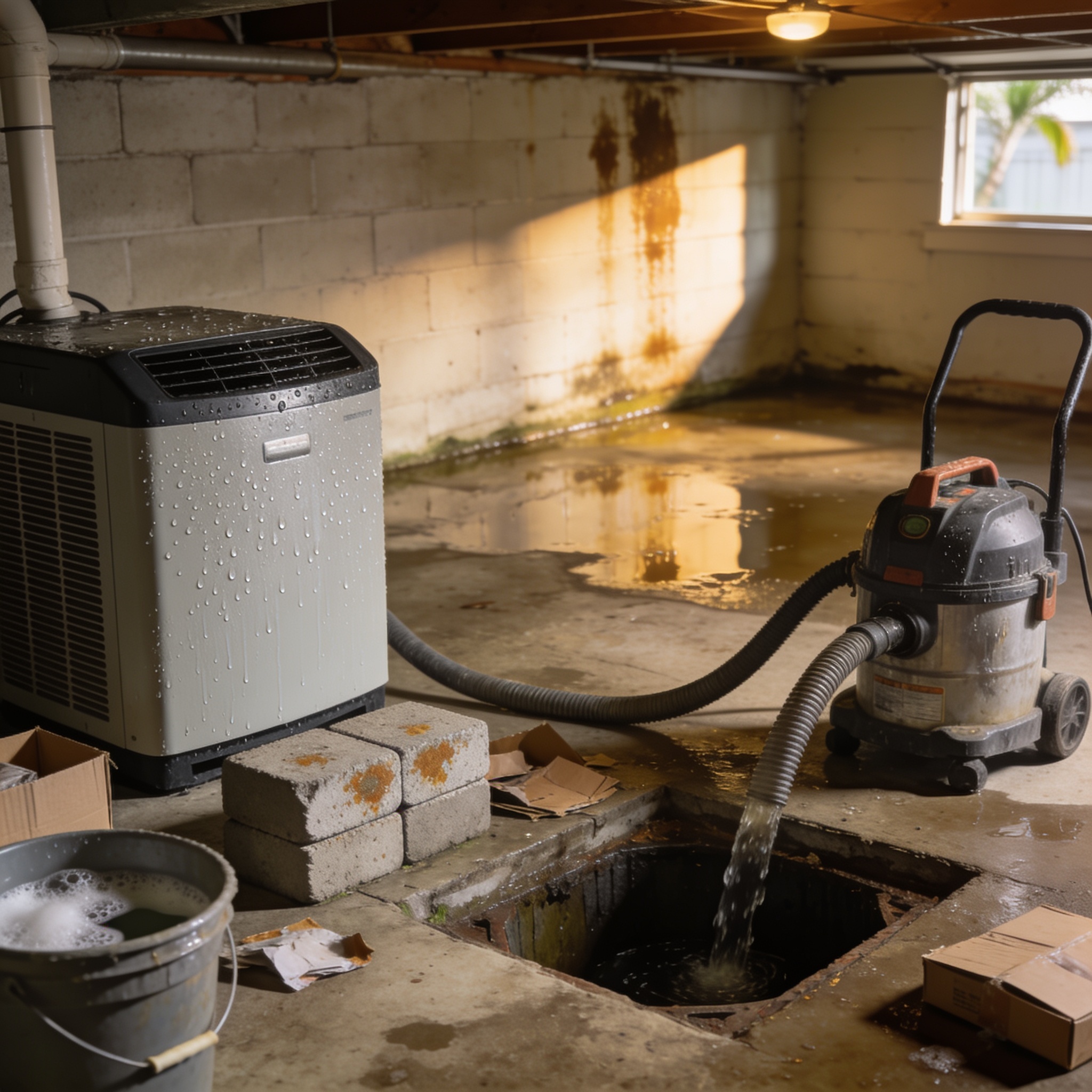
Removing significant volumes of water requires a heavy-duty sump pump or a submersible pump designed for high-capacity fluid displacement. If your home is equipped with a basement floor drain, ensure it is clear of debris to assist in gravity-fed drainage; however, do not rely on it alone for major flooding. For smaller amounts of water, a wet-dry vac can be used to mop up the remaining moisture from the concrete floor. Ensure that the discharge hose is directed far away from the foundation to prevent the water from simply cycling back into your basement. To get your basement back to normal, you must effectively remove the water before it causes secondary damage.
What Are the Essential Steps in the Drying Process After Water Damage?
The 5-step expert checklist for drying your basement effectively includes the following actions:
- Water Extraction: Use a high-capacity pump to remove standing water immediately.
- Debris Removal: Clear out water-damaged items like carpeting, drywall, and insulation to allow the structure to breathe.
- Dehumidification: Deploy industrial-grade dehumidifiers to pull moisture from the air and sub-surfaces.
- Air Circulation: Position high-velocity fans to increase evaporation rates across the floor and walls.
- Disinfection: Apply an EPA-approved antimicrobial solution to surfaces to inhibit mold growth.
What Equipment Do Restoration Specialists Use to Pull Moisture Out?
Industrial dehumidifiers are the most effective equipment for pulling moisture out of a basement because they maintain the low relative humidity levels required for structural drying. Standard residential units are generally insufficient for the high humidity levels found in Lee or Collier counties after a hurricane. Air movers, or high-velocity fans, are also essential to force air movement across damp surfaces, speeding up the evaporation of trapped water. Restoration specialists often use moisture meters to track the drying process and ensure hidden pockets of water are addressed. When you need to get water out of your basement, professional help is often the most reliable route.
How Long Does the Drying Process Take for Water Damage Restoration?
The drying process typically takes between three days and two weeks, though severe water damage can take up to six weeks to fully resolve. If standing water has remained for more than 48 hours, the risk of microbial growth increases significantly, requiring more intensive remediation. Factors influencing this timeline include the porosity of your basement floor and walls, the ambient humidity, and the equipment used. If you are struggling with the aftermath of a storm, professional Flood Cleanup and Water Extraction Companies can provide an accurate estimate for your specific property. Do not rush the process, as premature sealing of walls can trap moisture and lead to significant problems like mold.
How Do You Know When Your Basement Is Completely Dry?
A basement is considered completely dry only when moisture readings in the structural materials return to levels consistent with unaffected areas of the home. Professionals use calibrated moisture sensors to check the masonry and wood framing, ensuring they are below the threshold that supports biological growth. If you are in the region, seeking Water Damage Restoration services can provide peace of mind through certified testing. Relying on visual inspection alone is dangerous, as surfaces may appear dry while the subfloor remains saturated.
How Can You Prevent Mold Growth During the First 24 Hours?
Preventing mold growth requires maintaining indoor humidity levels below 50% through continuous dehumidification within the first 24 hours. Remove all porous materials that have been soaked, as these are primary breeding grounds for fungi. Clean hard surfaces with a mild detergent and water, then disinfect them with a solution as recommended by the EPA. If you notice persistent odors or visible spots, contact Water Damage Restoration to address potential contamination before it spreads.
When Should You Seek Professional Help for Water Damage?
You should hire professional restoration specialists if the floodwater contains sewage, if the water has been standing for more than 48 hours, or if you suspect structural damage. Professionals have the equipment to handle emergency water removal safely and can assist with insurance documentation. Costs vary widely based on the scale of the disaster, but expect to pay between $1,000 and $10,000 for comprehensive drying and sanitization. Always verify that the company is IICRC-certified to ensure they follow industry standards for water damage restoration. If you have water in your basement, it is often wise to call a professional restoration company immediately.
| Service Type | Estimated Cost Range |
|---|---|
| Water Extraction Only | $500 – $1,500 |
| Full Drying & Dehumidification | $2,500 – $5,000 |
| Mold Remediation & Sanitization | $3,000 – $8,000+ |
How Can You Prevent Future Basement Flooding?
Preventing future basement flooding involves installing a reliable sump pump system with a battery backup to handle power outages during hurricanes. Ensure your gutters and downspouts are clear and directed at least 10 feet away from your foundation to prevent water pooling. Inspect your foundation for cracks and seal them with hydraulic cement to prevent seepage during heavy rain. Finally, consider installing a French drain, weeping tile, or checking your sewer drain to ensure water flows away from your home. If you suspect plumbing issues, call a plumber or a professional to inspect your pipes.
Frequently asked questions
Understanding these common concerns can help you navigate the recovery process more efficiently.
Is it safe to use bleach to clean up flood water?
Bleach is generally not recommended for porous materials because it does not kill mold roots deep within the structure and can cause further degradation.
Does standard homeowners insurance cover basement flooding?
Most standard policies exclude flood damage, requiring you to have a separate policy through the National Flood Insurance Program (NFIP) to receive coverage.
Can I dry a basement just by opening windows?
Opening windows in Southwest Florida is counterproductive because the high outdoor humidity will introduce more moisture into the basement rather than removing it; you must use fans and dehumidifiers to dry out your basement.
What should I do with my furniture after a flood?
Porous furniture like upholstered chairs or mattresses that were submerged should be discarded, while hard-surface items can be cleaned and disinfected.
Our editorial team verifies licensing and reviews for every restoration company in the directory and writes practical, Florida-specific guides to help homeowners act fast and protect their insurance claims after water, fire, mold or storm damage.