How to Clean a Concrete Basement Floor After a Flood: A Step-by-Step Guide
You can effectively clean a concrete basement floor after a flood by following 5 essential steps that prioritize safety, water removal, cleaning, disinfecting, and structural drying. Because SWFL homes often face high water tables and hurricane storm surges, addressing a basement flood immediately is the only way to prevent long-term structural damage. If you are dealing with a flooded basement, you must act fast to mitigate flood damage. Professional water damage restoration companies can assist if the water contains sewage or if the saturation is extensive.
Key Takeaways
- Prioritize safety by turning off electricity before entering a flooded area.
- Remove all standing water using a sump pump or wet-dry vacuum.
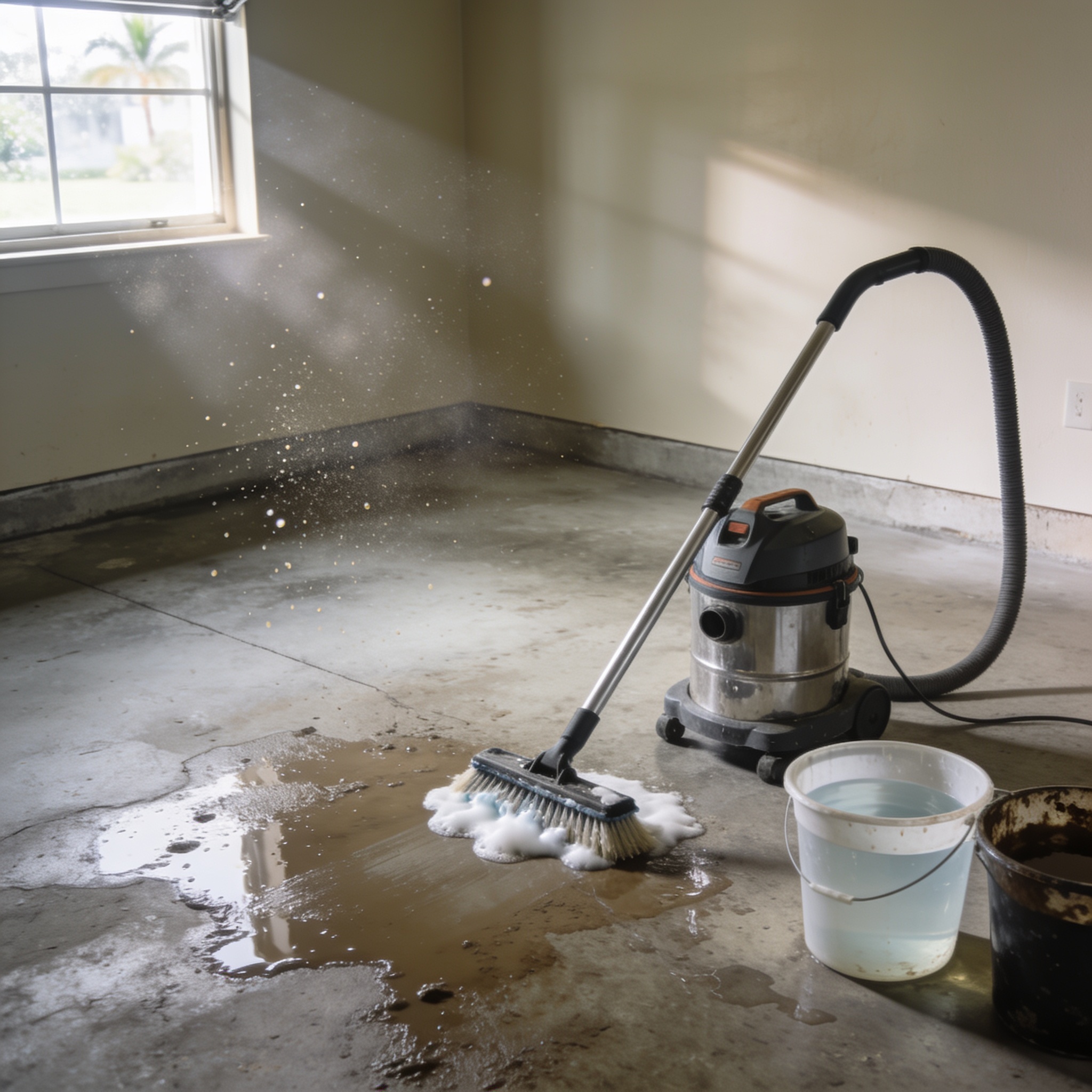
- Scrub the concrete with a heavy-duty disinfectant to eliminate bacteria and mold.
- Utilize industrial-grade dehumidifiers to pull moisture from the air and concrete.
- Consult with experts if you suspect the floodwater is contaminated with sewage.
What steps should be taken to clean a concrete basement floor after a flood?
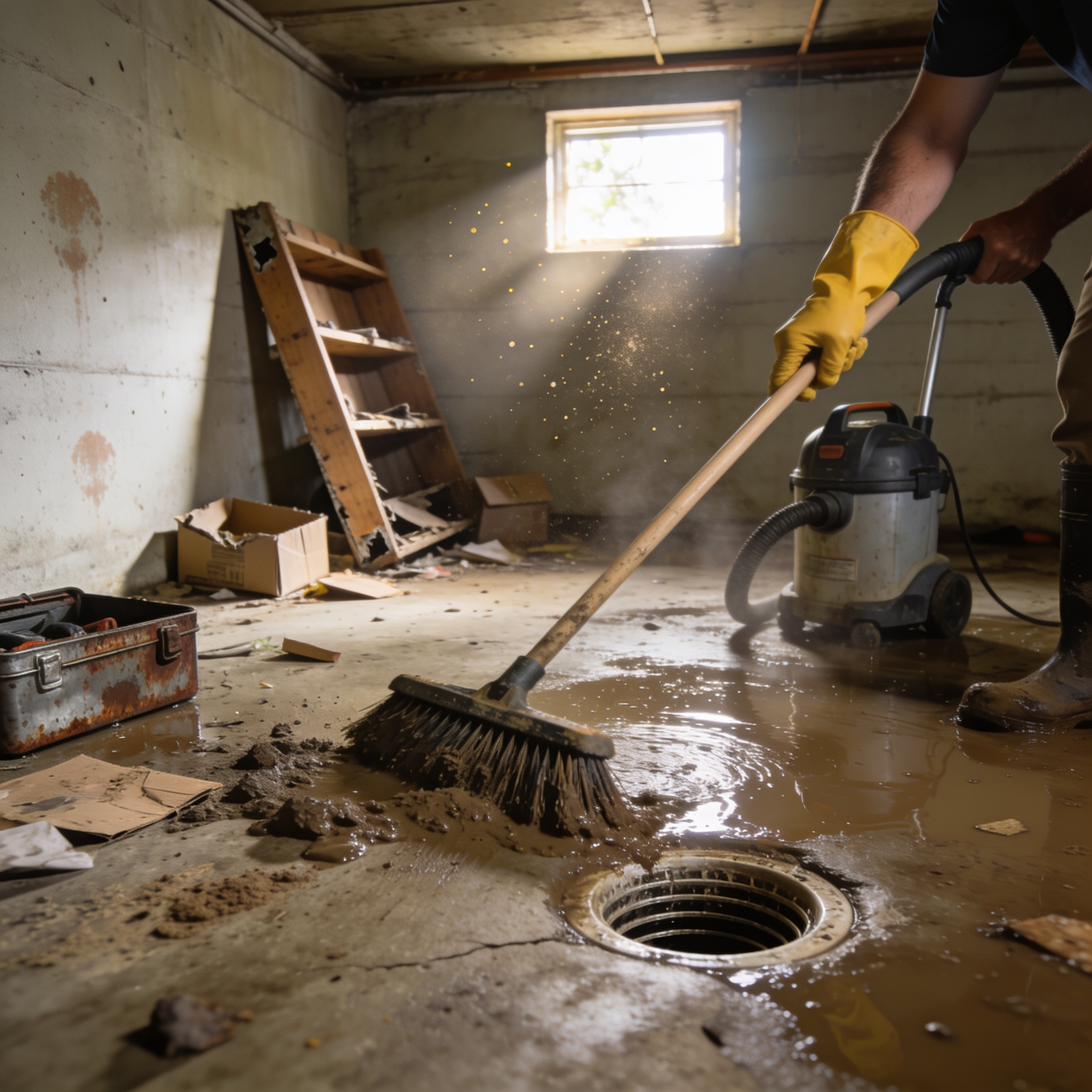
The first step in any flood cleanup process is ensuring the environment is electrically safe before you begin water removal. Once power is cut, you must remove all standing water, clear out silt or debris, scrub the surface with a disinfectant, and initiate a rapid drying phase. If you need to learn how to clean an unfinished basement, start by clearing the area to assess the damage. In regions like Collier or Lee County, high humidity makes the drying phase critical to prevent secondary damage. Always open windows to improve airflow once it is safe to do so.
How do you remove standing water from a flooded basement?
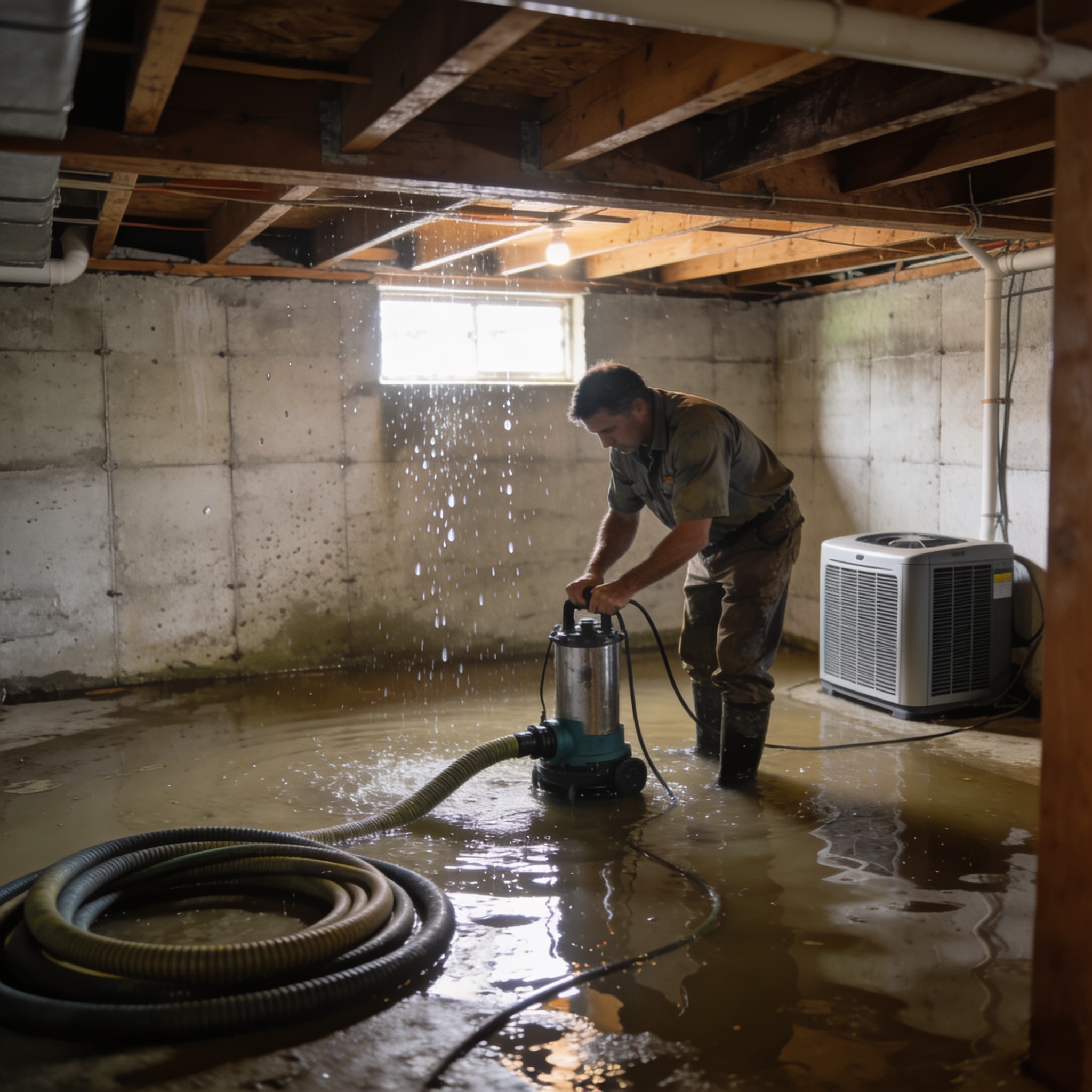
You should remove standing water as quickly as possible using a high-capacity sump pump or a professional-grade wet-dry vacuum. In the event of a sump pump failure, you must start pumping water manually or with a portable unit immediately. Use a push broom to guide any remaining water toward the floor drain. Once the bulk of the water has drained, use a wet vac to extract the remaining puddles from the concrete basement floor, including the basement floor corners where moisture pools.
What tools are needed to clean a flooded basement?
You will need a specific set of tools to effectively restore your space after a significant water event. Refer to the table below for the essential equipment required for a thorough cleanup, covering every sq ft of the affected area.
| Tool | Purpose |
|---|---|
| Sump Pump | Rapid water removal |
| Wet-Dry Vacuum | Extraction of residual moisture |
Shovel | Clearing silt and debris |
Moisture Meter | Testing for deep-set saturation |
High Pressure Hose | Deep cleaning concrete pores |
Sprayer | Applying disinfectant solutions |
What are the best cleaning solutions for a flooded concrete basement floor?
The most effective cleaning solutions for concrete involve a mixture of water and a commercial-grade Disinfectant
or a diluted bleach solution. According to the EPA, a solution of one cup of household bleach per gallon of water is often sufficient to sanitize non-porous surfaces. When mixing bleach, ensure proper ventilation. Always apply this using a pump sprayer and allow it to sit for at least 10 minutes before you use water to rinse the area thoroughly to sanitize the surface.
Can Dawn dish soap be used to clean concrete floors after a flood?
Dawn dish soap is an excellent surfactant for removing surface grime and oil, but it does not disinfect the floor after a flood. Use it to scrub away mud and silt, but follow up with a EPA-registered disinfectant to address visible mold. If you are dealing with water damage in Punta Gorda, professional water damage restoration sanibel services often recommend this two-step process.
How long does it take to dry out a basement after a flood?
Most concrete basements require between three to seven days of continuous drying with industrial equipment to be considered completely dry. You must run a
Dehumidifier
24/7 and use industrial fans to circulate air across the walls and floors. You should top and work your way across the room to ensure even drying. Monitoring the concrete with a moisture meter is the only way to ensure the slab is not holding remaining moisture. Because water may be trapped deep in the slab, aggressive drying is needed to prevent the walls from wicking moisture and to keep the floors from heaving.How do you prevent mold growth after a basement flood?
Preventing mold requires you to lower the relative humidity in the basement to below 50% as soon as the water is removed. If you leave moisture in the drywall or sub-flooring, mold and mildew will colonize within 24 to 48 hours. Ensure the basement as soon as possible is ventilated. If a burst pipe caused the issue, check that the saturation in the walls has gone down completely. Applying a sealant provides an extra layer of protection against future moisture intrusion.
Do tile floors need to be replaced after a flood?
Tile floors often require replacement if the floodwater was contaminated with sewage or if the sub-floor has been compromised. If the water has seeped underneath the tiles, it creates a waterlogged environment where mold will inevitably grow. Consult with experts regarding water damage to determine if the integrity of the installation remains intact.
When should you call professionals for basement flood cleanup?
You should call professionals immediately if the floodwater contains sewer waste, chemicals, or if the water has been standing for more than 48 hours. Professionals have the protective gear and industrial equipment to handle potential health hazards that standard homeowners cannot safely manage. They can also provide documentation for insurance claims regarding your water damage.
How can you prevent future basement flooding?
Preventing future basement flooding requires a combination of exterior grading, foundation sealing, and the installation of a reliable sump pump system. Ensure your gutters direct water at least ten feet away from the foundation to prevent seepage through walls. Regular maintenance of your basement drain and backflow valves is also essential for coastal Florida homes. Never start a fire in a flooded basement to dry it out, as this is a major safety hazard.
Frequently asked questions
Below are common concerns regarding the restoration of flooded concrete spaces.
Is it safe to use bleach on all concrete floors?
Bleach is effective on concrete, but it can damage surrounding materials like wood or metal, so use caution when applying it.
Does a wet-dry vacuum work on deep puddles?
A wet-dry vacuum is best for the final stages of water removal; use a pump for deep water to avoid burning out the vacuum motor.
Why is my concrete floor still damp after a week?
Concrete is porous; if it remains damp, you likely have ongoing moisture seepage or the dehumidifier is not sized correctly for the square footage.
Are there health risks associated with basement floods?
Yes, floodwater often carries bacteria, sewage, and mold spores that pose significant risks if not handled with proper personal protective equipment.
See also: water damage restoration companies
See also: Water Damage Restoration
See also: Water Damage Restoration
Our editorial team verifies licensing and reviews for every restoration company in the directory and writes practical, Florida-specific guides to help homeowners act fast and protect their insurance claims after water, fire, mold or storm damage.