How High to Cut Drywall After a Flood: A Professional Removal Guide
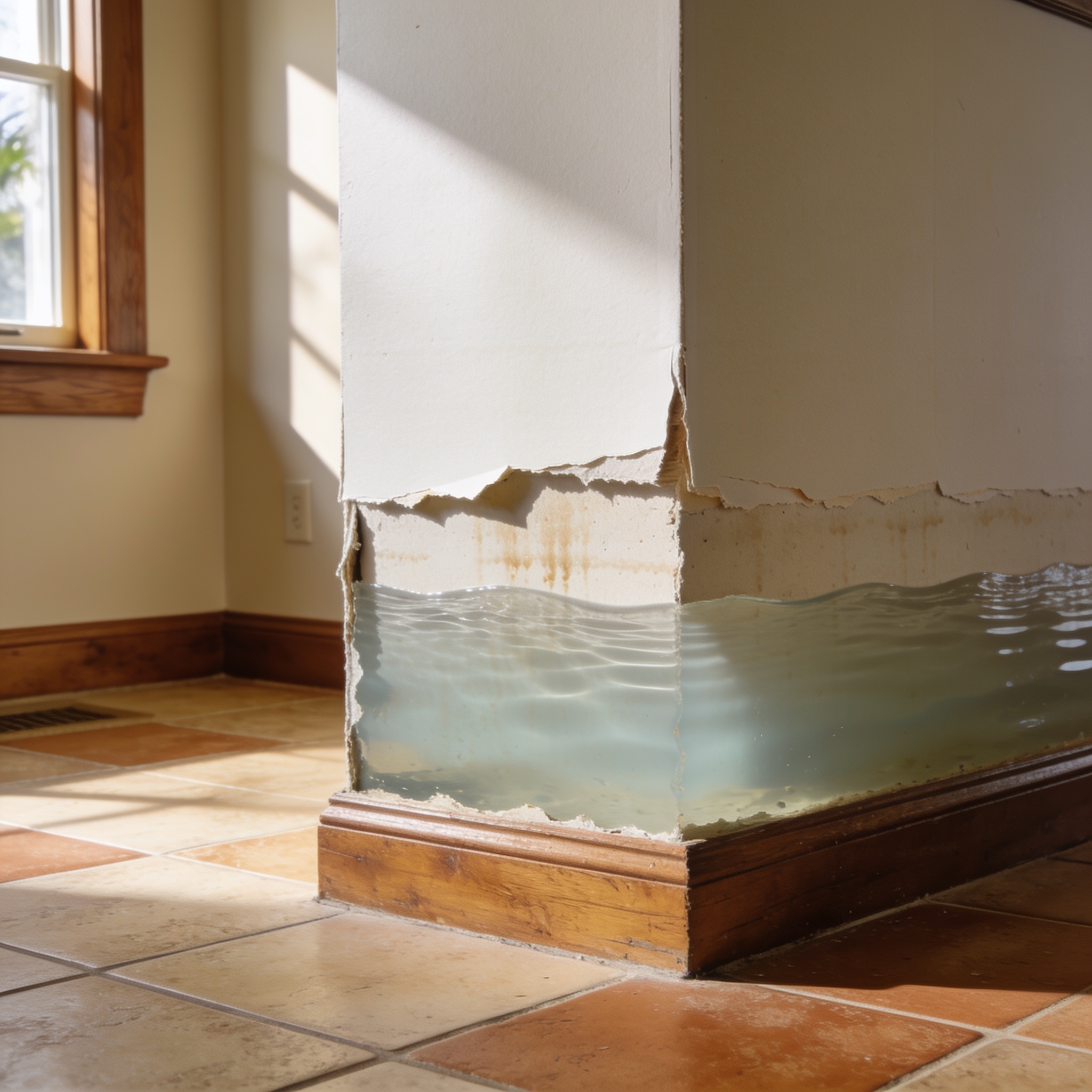
You should generally perform a flood cut at least 12 to 24 inches above the highest visible water line to ensure all contaminated materials are removed. Understanding water damage and how high to cut drywall after flood events in Southwest Florida requires assessing the specific category of water and the extent of wicking to prevent long-term structural issues. By understanding water damage, homeowners can better manage the moisture content within the porous gypsum of their walls. Whether the issue stems from plumbing failures or external storm surges, acting quickly is vital.
Key Takeaways
- Flood cuts are essential to remove porous materials that harbor mold and bacteria after storm surges.
- Always cut at least one foot above the waterline to account for hidden moisture wicking.
- Safety is paramount, as older Florida homes may contain asbestos in joint compound or plaster.
- Document all damaged drywall with photos before removal to assist with your insurance claims.
- Professional mitigation is often required for Category 3 water damage to ensure the wall cavity is fully sanitized.
What is a flood cut and why is it necessary after water damage?
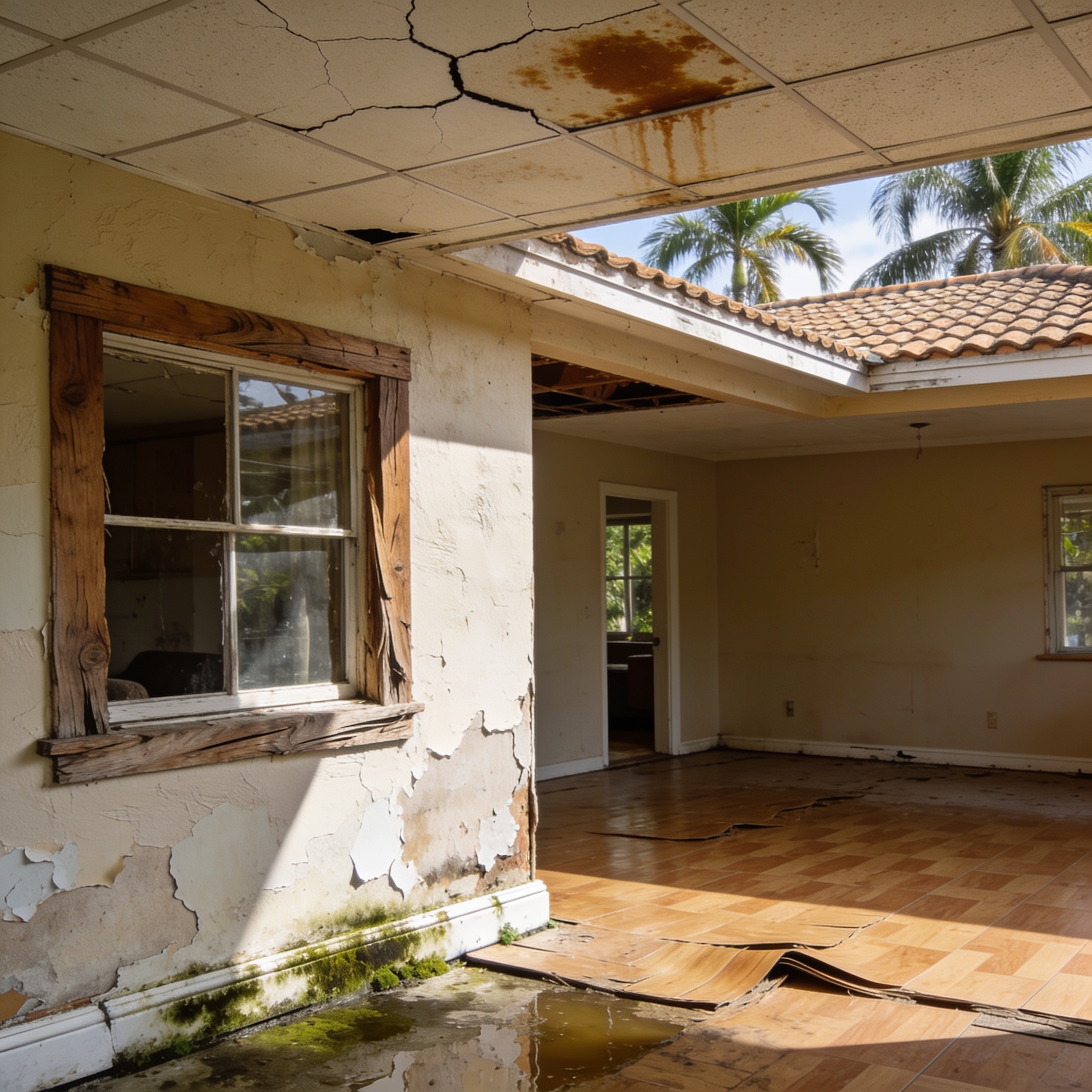
A flood cut is the strategic removal of the bottom portion of wallboard to allow for the inspection and drying of the wall cavity. This process is necessary because drywall acts like a sponge, trapping moisture and contaminants that lead to rapid mold growth. In SWFL, where humidity levels are consistently high, failure to perform a proper flood cut often results in secondary damage that requires extensive water damage restoration. This partial removal effectively exposes the wall cavity, allowing for professional equipment to remove moisture from the structure.
Why is drywall so vulnerable to water damage?
Drywall is highly vulnerable because its gypsum core is encased in paper facing, which provides a perfect food source for mold. The porous nature of the material allows it to absorb water rapidly, leading to a loss of structural integrity and the development of musty odors. Unlike masonry, which can be dried, damaged drywall often loses its bond with the paint and texture, making it impossible to restore to its original state. Because dry wall traps moisture so effectively, it must be addressed immediately following any water exposure, especially in cases like burst pipes where saturation is instantaneous.
How far will water wick up drywall — and what does that mean for your cut?
Water can wick upward through capillary action significantly higher than the initial standing water level, often traveling several feet. You must use moisture meters to identify the exact point where the material is dry to ensure you are not leaving behind hidden moisture. If you only cut to the visible waterline, you risk leaving wet insulation or damp studs that will inevitably foster mold spores in the dark, humid wall cavities. Utilizing moisture readings helps determine the exact affected drywall that needs to be discarded to ensure complete dryness.
What are the signs that wet drywall needs to be removed rather than dried?
Visible signs that you must remove the material include swelling, crumbling edges, or dark water stains that do not dissipate after 48 hours. Any drywall exposed to Category 3 floodwater must be removed immediately to prevent health hazards associated with contaminated water. If you notice the tape and mud bubbling or peeling away from the joints, the integrity of the board is already compromised. Even if the surface feels dry to the touch, the internal structure may still be saturated, and if moisture remains, the wall releases spores into your living environment.
Can water-damaged drywall be saved, or does it always need to be replaced?
Most water-damaged drywall cannot be saved because the paper backing and gypsum core are highly absorbent and prone to rapid microbial growth. While some materials can be saved if the water source is clean and drying begins within hours, porous drywall almost always requires a remove and replace approach. Attempting to dry contaminated wallboard often results in trapped moisture that fuels long-term decay. Removing drywall is the only way to ensure the underlying studs are properly dried and treated.
How high should a flood cut be made on drywall?
A flood cut should be made at a minimum of 12 inches above the high-water mark, though many professionals recommend a standard 24-inch cut for easier reconstruction. Cutting at a consistent height makes the subsequent installation of new drywall sections and baseboards much more efficient for your contractor. In cases of severe flooding in Lee or Collier County, cutting at the 4 feet mark is common to allow for the removal of damaged insulation across the entire wall height. This often involves replacing several feet of drywall to ensure a clean, mold-free surface.
How do you cut out drywall after a flood (step-by-step)?
- Safety and Assessment: Turn off electricity to the affected area and wear personal protective equipment, including an N95 respirator, to protect against mold spores and potential asbestos in older homes.
- Marking and Cutting: Use a stud finder to locate the framing, then use a drywall saw to cut a straight, horizontal line at your determined height, ensuring you do not cut into electrical wires or plumbing lines.
- Removal and Disposal: Carefully pry the damaged drywall away from the studs and remove any wet insulation, placing all debris into heavy-duty contractor bags for disposal according to local waste regulations.
How long does it take for drywall to dry after water damage?
The drying process typically takes three to five days using professional drying equipment like industrial dehumidifiers and air movers. Drying time depends heavily on the ambient humidity and the effectiveness of the airflow directed into the wall cavity. Without professional intervention, the high humidity in Southwest Florida will prevent the wall from ever becoming completely dry. By introducing dry air into the space and running fans, the rate of evaporation increases, allowing for faster drying compared to normal moisture levels.
Should you remove wet drywall yourself or hire a professional?
Hiring a professional is recommended if the Water Damage Restoration is extensive or if you suspect the presence of hazardous materials like asbestos. Professional mitigation experts have the tools to verify that moisture levels are safe before you begin the reconstruction phase. Attempting this work yourself can lead to incomplete drying, which often results in recurring mold issues that are much more expensive to remediate later. A professional moisture assessment will also check exterior walls and basements—where a sump pump might be failing—to ensure the entire home is secure.
Frequently asked questions
Below are common concerns regarding the mitigation of water-damaged walls in Florida homes.
Is it safe to leave wet insulation inside the wall?
No, wet insulation acts as a reservoir for moisture and must be removed to prevent mold growth and structural rot.
Does my insurance cover the cost of a flood cut?
Most homeowner policies cover mitigation costs, but you must document the damage thoroughly before starting the removal process.
Can I use a fan to dry the wall cavity?
Using standard household fans is generally discouraged as they can spread mold spores throughout your home; professional air movers are required.
How do I know if my drywall contains asbestos?
If your home was built before the late 1970s, you should have the joint compound and texture tested by a certified lab before cutting.
| Factor | Recommendation |
|---|---|
| Cut Height | 12-24 inches above waterline |
| Safety Gear | N95 Mask, Gloves, Goggles |
| Tooling | Drywall saw, moisture meter, ceiling drywall inspection tools |
See also: Water Damage Restoration
Our editorial team verifies licensing and reviews for every restoration company in the directory and writes practical, Florida-specific guides to help homeowners act fast and protect their insurance claims after water, fire, mold or storm damage.