How Can Storm Surge Damage Be Prevented? Essential Protection Tips
The most effective way to prevent storm surge damage is to elevate your property above the base flood elevation, which can reduce insurance premiums by thousands of dollars annually. When you prepare for storm surge, you must account for the specific geography of the Gulf Coast of the United States, where shallow waters often exacerbate the rise in water level. Understanding how can storm surge damage be prevented requires a combination of structural hardening and proactive emergency planning. Across the U.S., natural disasters like a major hurricane represent a significant threat to lives and property, as seen during the catastrophic impact of hurricane ian.
Key Takeaways
- Elevating your home or critical utilities is the most reliable method to mitigate long-term storm surge damage.
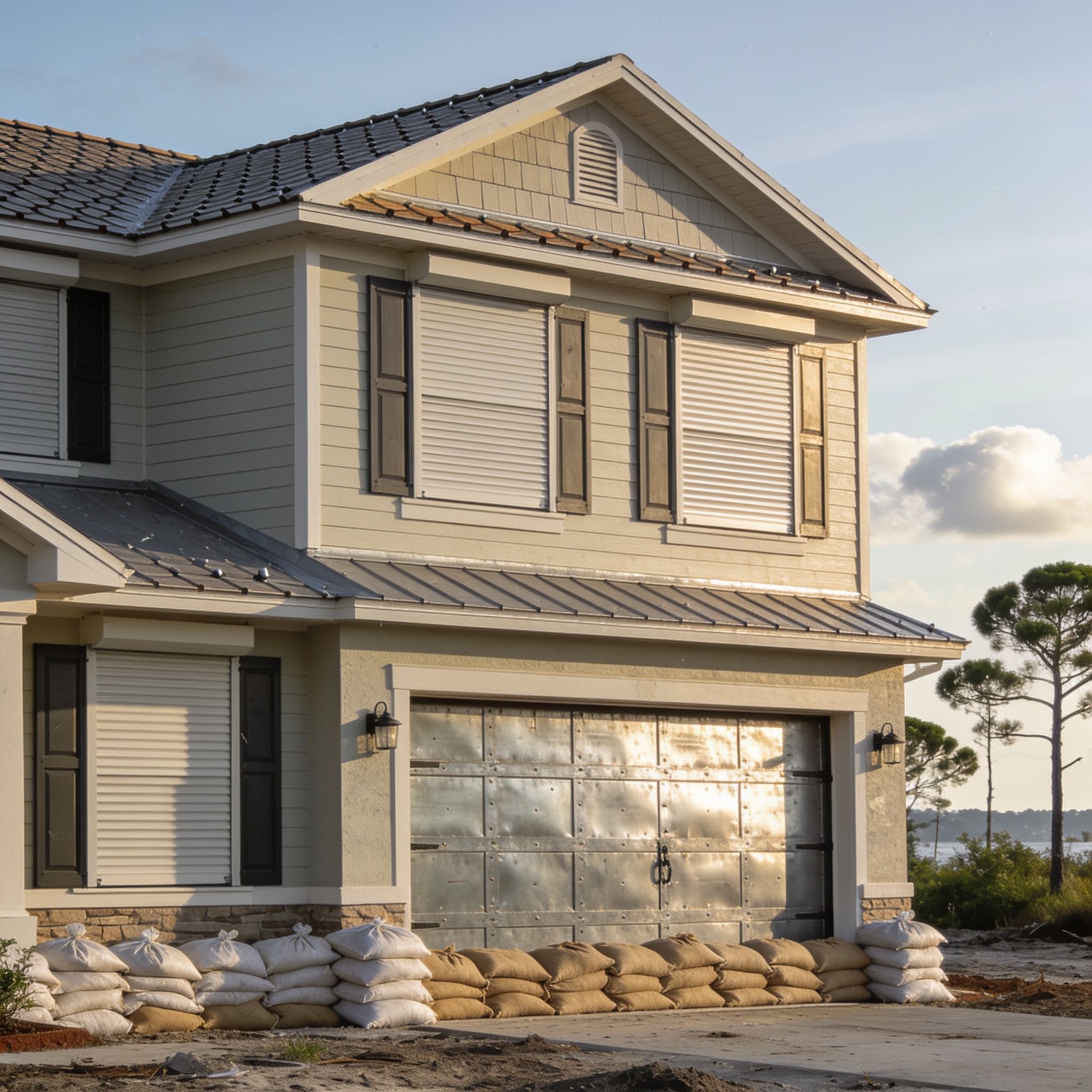
- Installing flood barriers, such as flood shields or deployable panels, provides a secondary line of defense for low-lying entry points.
- Understanding your specific flood zone designation from FEMA is essential for determining your property’s vulnerability.
- Maintaining a comprehensive emergency kit and following evacuation orders remains the primary way to protect human life.
- Investing in impact-resistant materials helps buildings withstand the combined force of wind and water during a hurricane.
What Is a Storm Surge and How Does It Form?
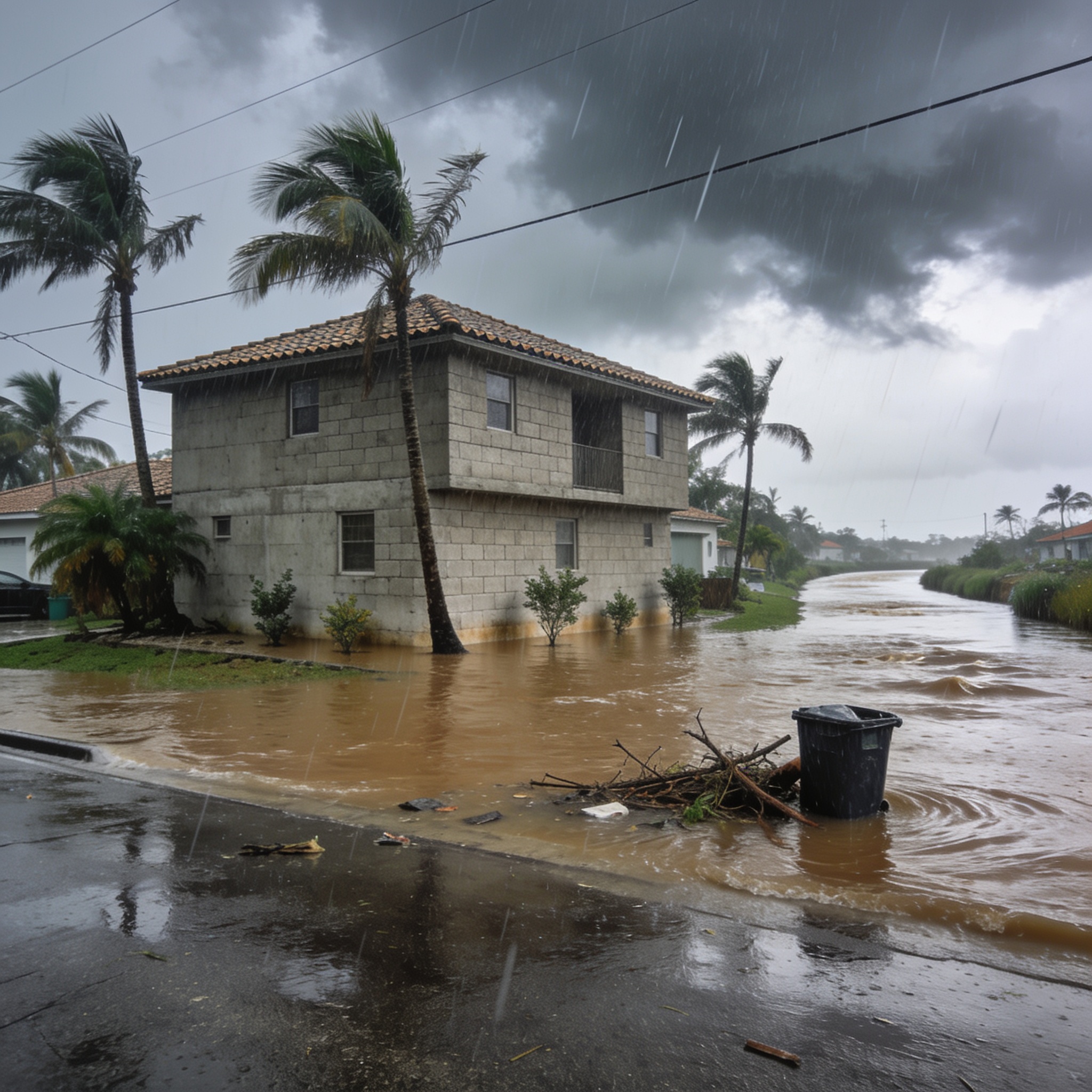
A storm surge is an abnormal rise of water generated by a storm, over and above the predicted astronomical tide. As a hurricane or tropical storm approaches the coastline, the low atmospheric pressure and strong winds push water toward the shore. The total water level is a critical metric for safety, especially when the storm surge coincides with high tide. This specific level that occurs when the surge coincides with high tide can cause extreme flooding, as the water level can cause extreme damage to coastal infrastructure. Understanding the mechanics of a storm surge is crucial for coastal safety. A larger storm with a wide wind field can produce a higher surge than a smaller, more intense system. The eye of a hurricane often dictates the primary wind direction, while the angle of approach significantly influences how water is funneled into bays and estuaries.
The intensity of the surge is heavily influenced by the shape and characteristics of the coastline and the shallow depth of the continental shelf. In Southwest Florida, the wide, shallow shelf allows the water to pile up quickly, creating a higher storm surge than would occur on a steeper coast. This phenomenon is distinct from a tsunami, as it is driven by the physical force of the wind rather than seismic activity.
Flood and Storm Surge
The primary difference is that a storm surge is a rapid rise in sea level caused by a storm, while flooding often refers to the accumulation of water from heavy rainfall or overflowing rivers. While both involve water intrusion, flood and storm surge events often happen simultaneously during a major weather event. Hurricanes and tropical storms frequently bring both hazards, leading to widespread damage to homes. Historical events like hurricane katrina demonstrated how these combined forces can overwhelm even robust defenses.
Distinguishing between these two hazards is vital because standard homeowners insurance often excludes damage from storm surge flooding. You may require a separate policy from the National Flood Insurance Program (NFIP) to cover the extensive damage to buildings caused by seawater. Relying on professional storm damage repair services is often necessary when both types of water intrusion occur.
Hurricane
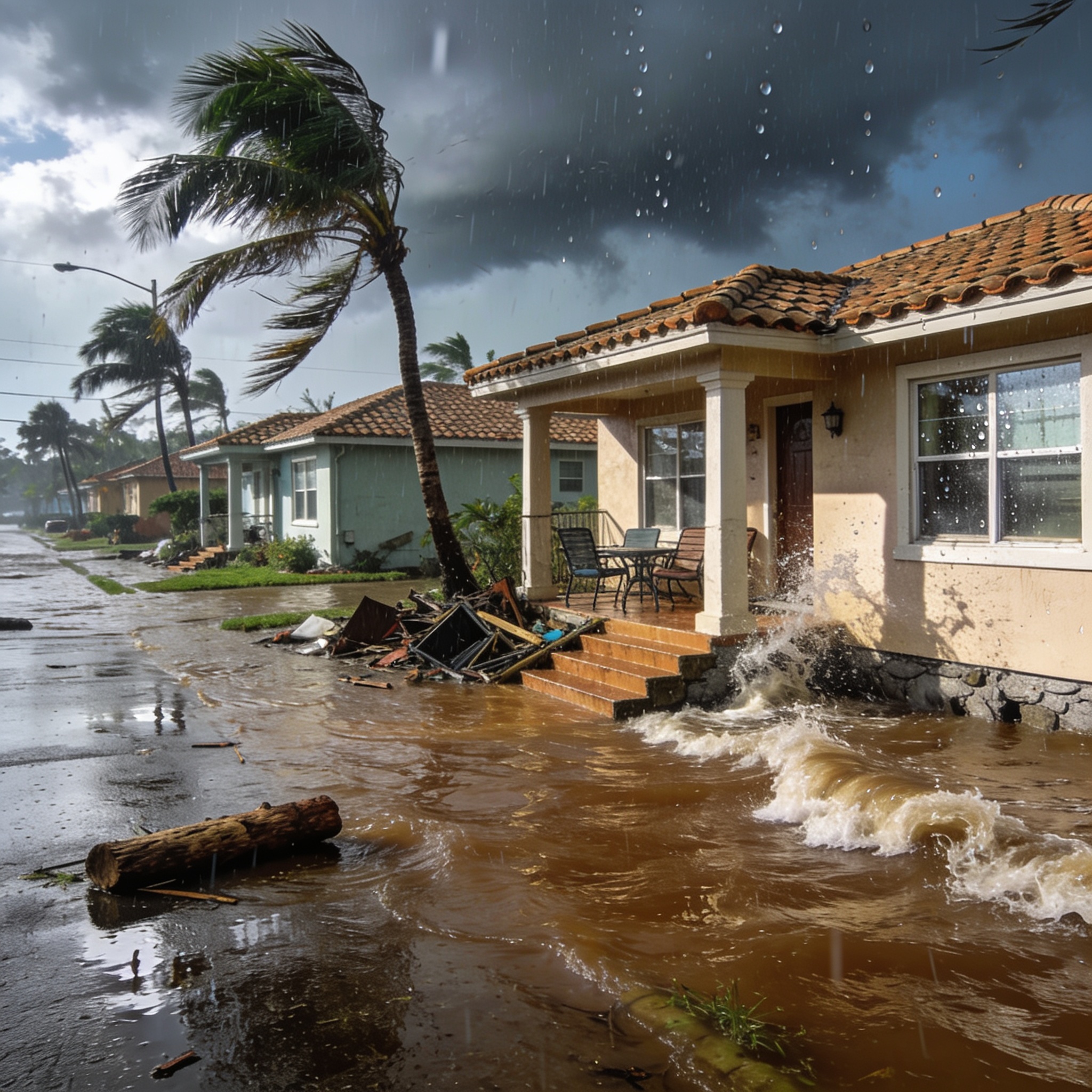
Storm surges cause damage through the sheer weight of moving water, which can exert thousands of pounds of pressure on structural foundations. When a hurricane makes landfall, the combination of wave action and rising water levels can be devastating. Storm surge can cause catastrophic structural damage to homes and infrastructure. If a category 4 or 5 hurricane hits, the loss of life and property damage can be immense. Storm surges can lead to erosion that undermines the stability of buildings and infrastructure near the coast. Beyond the initial impact, the saltwater intrusion causes long-term Water Damage Restoration to electrical systems, drywall, and flooring. If you have experienced recent inundation, seeking immediate Water Damage Restoration is critical to preventing mold growth.
Coastal Communities
Residents living in low-lying coastal communities, particularly those in Lee, Collier, and Charlotte counties, face the highest risk during a hurricane. By utilizing better flood mapping and mitigation strategies, communities can better prepare for future events. The risk of storm surge is amplified for properties located near an estuary or bay, where the flow of water can be funneled inland. Protecting coasts from storm surge is a priority for emergency planners across the U.S. to prevent the loss of life.
Properties located within designated V-zones or high-velocity flood zones require the most stringent surge protection measures. The National Hurricane Center provides maps that help homeowners understand if they reside in an evacuation zone. Ignoring these warnings can lead to a catastrophic threat to life and property.
Prepare for Storm Surge
A storm surge can travel several miles inland depending on the flat topography of the terrain and the presence of natural or man-made barriers. During a major event like a hurricane, the surge pushed water deep into residential neighborhoods that were previously considered safe. A cyclone or similar weather system can also generate a dangerous storm tide that threatens inland areas.
A 15-foot surge can penetrate significantly further inland than a smaller event, especially if the storm intensity and size are large. The following table illustrates how different surge heights can impact coastal areas based on typical Florida coastal topography.
| Surge Height | Potential Impact Level | Inland Penetration Risk |
|---|---|---|
| 3-5 Feet | Moderate | Low to Moderate |
| 6-10 Feet | Severe | High |
| 15+ Feet | Catastrophic | Very High |
What Safety Actions Should You Take Before and During a Storm Surge?
Safety starts with having a pre-packed emergency kit and a clear evacuation plan well before the hurricane season begins. When a storm approaches, you must monitor updates from the National Oceanic and Atmospheric Administration (NOAA) to determine if your area is under an evacuation order. Residents must always follow evacuation orders to ensure personal safety.
Following local emergency management directives is the only way to ensure your safety when a surge is predicted. Never attempt to drive through flooded roads, as the depth of the water can be deceptive and the road surface may have been washed away.
What Measures Can Prevent Storm Surge Damage to Your Property?
Preventing damage requires a multi-layered approach to structural hardening and property maintenance. Here are 5 proven strategies to protect your home:
- Elevate Utilities: Move electrical panels, HVAC units, and water heaters to a higher floor or an elevated platform above the base flood elevation.
- Install Flood Barriers: Use deployable flood shields or permanent flood gates on all ground-level entry points to prevent water intrusion.
- Seal Foundation Penetrations: Use marine-grade sealants to close gaps where pipes or wires enter the home to stop water from seeping into walls.
- Install Backflow Valves: Fit your sewer lines with backflow prevention valves to stop sewage from backing up into your home during flooding.
- Upgrade to Impact-Resistant Materials: Replace ground-level doors and windows with reinforced, wind-and-water-resistant materials to withstand debris impact.
How Can Coastal Ecosystems Help Protect Against Storm Surge?
Natural features like mangroves, salt marshes, and barrier islands serve as the first line of defense by absorbing the energy of incoming waves. These ecosystems reduce the speed of the water as it moves toward the coast, effectively acting as a natural buffer. They also help prevent the widespread damage from hurricanes that often results in significant soil loss.
Preserving these coastal wetlands is vital to the long-term resilience of our communities against storm surge. When mangroves are removed for development, the coastline becomes more vulnerable to the devastating effects of storm surge and erosion.
How Can We Protect Against Storm Surges at a Community and Infrastructure Level?
Community-level protection involves the construction of large-scale infrastructure such as levees, sea walls, and restored dunes. Hardened barriers like sea walls are essential for protecting high-density areas. These projects are designed to mitigate the rise in water level before it reaches populated areas.
Engineered solutions must be integrated with natural buffers to provide the most robust protection for coastal communities. Local governments in Florida are increasingly focusing on “living shorelines” that combine structural stability with ecological health.
What Role Does Insurance Play in Storm Surge Protection and Recovery?
Insurance is the financial backbone of recovery, but it is not a substitute for physical mitigation measures. Most standard policies do not cover damage from rising water, making a separate flood insurance policy through the NFIP or private carriers a necessity.
Reviewing your flood insurance coverage annually is essential to ensure you are protected against the full replacement cost of your home. Documenting your property’s condition before a storm occurs will significantly streamline the claims process after a disaster.
Frequently asked questions
Understanding the nuances of flood protection helps homeowners make informed decisions about their property’s safety.
Does homeowners insurance cover storm surge?
No, standard homeowners insurance policies typically exclude damage caused by rising water or storm surge, necessitating a separate flood insurance policy.
What is the best way to seal a home against flooding?
The best method involves installing flood shields on doors and using marine-grade sealants on all wall penetrations to create a water-resistant envelope.
Are there grants available for elevating homes in Florida?
Yes, FEMA offers various hazard mitigation grant programs that can help homeowners cover the costs of elevating their properties in high-risk areas.
How does the shape of the coastline affect surge height?
A shallow, gently sloping coastline allows water to pile up higher and travel further inland compared to a steep, deep-water coastline.
What should be in a storm surge emergency kit?
Your kit should include at least three days of water, non-perishable food, flashlights, batteries, a first-aid kit, and copies of important insurance documents.
Our editorial team verifies licensing and reviews for every restoration company in the directory and writes practical, Florida-specific guides to help homeowners act fast and protect their insurance claims after water, fire, mold or storm damage.