House Flooded: What to Do Immediately After Water Damage
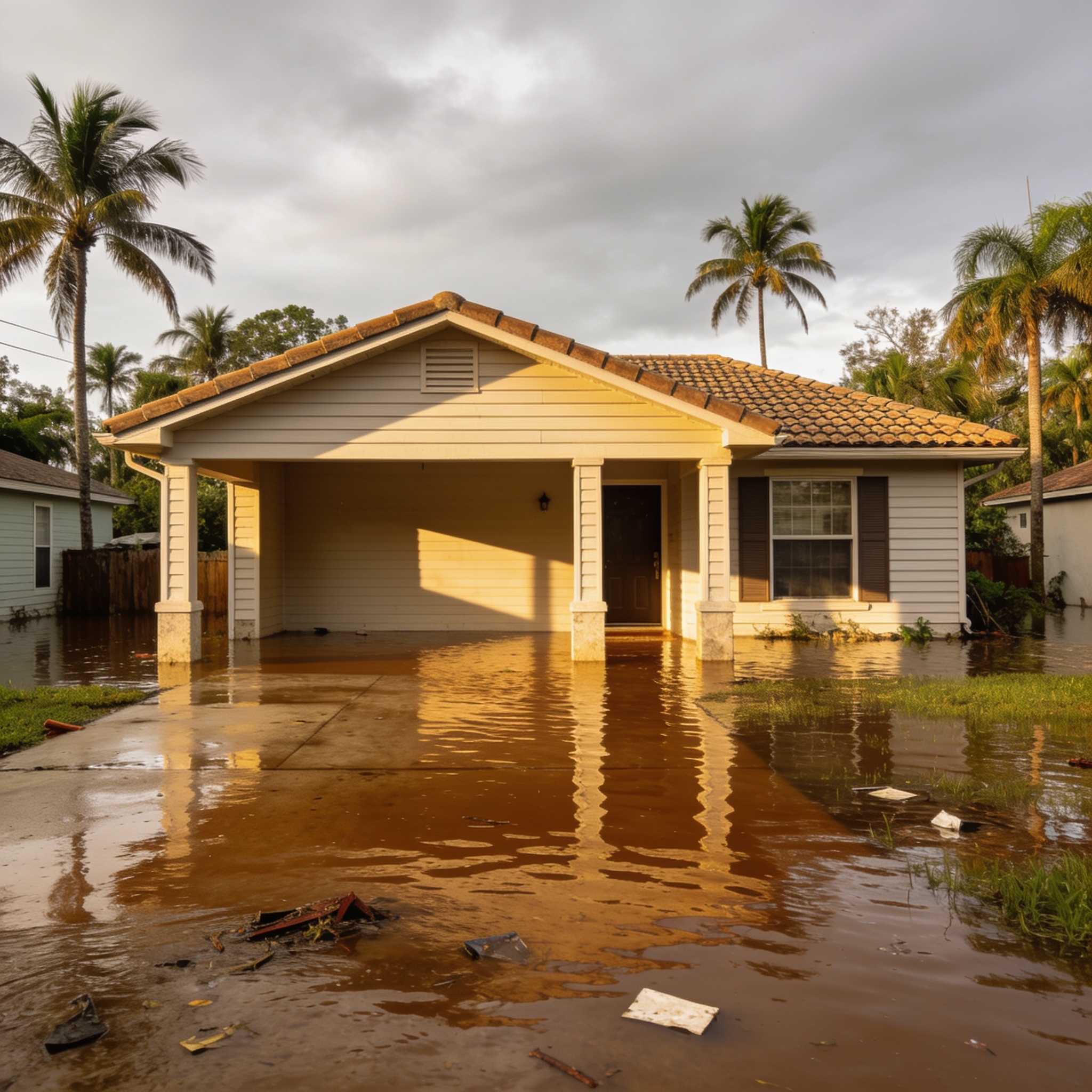
When your house floods, the most critical factor in minimizing long-term structural loss is initiating professional mitigation within the first 24 to 48 hours to prevent irreversible damage. Taking immediate action when your house floods is essential for preserving your property value and ensuring the safety of your household in the humid climate of Southwest Florida. Following these structured steps to take will help you navigate the initial crisis of a flooded home effectively, helping you minimize damage to your home and protect your home from long-term decay.
Key Takeaways
- Prioritize your physical safety by turning off electricity and avoiding contact with contaminated floodwater.
- Document all damage with photos and videos before starting any cleanup efforts to support your insurance claim.
- Contact your insurance company immediately to report the flood and begin the claim process.
- Remove standing water and saturated materials like drywall and insulation to prevent rapid mold growth.
- Hire a professional water restoration company to handle structural drying and sanitization.
What should you do immediately if your house floods?
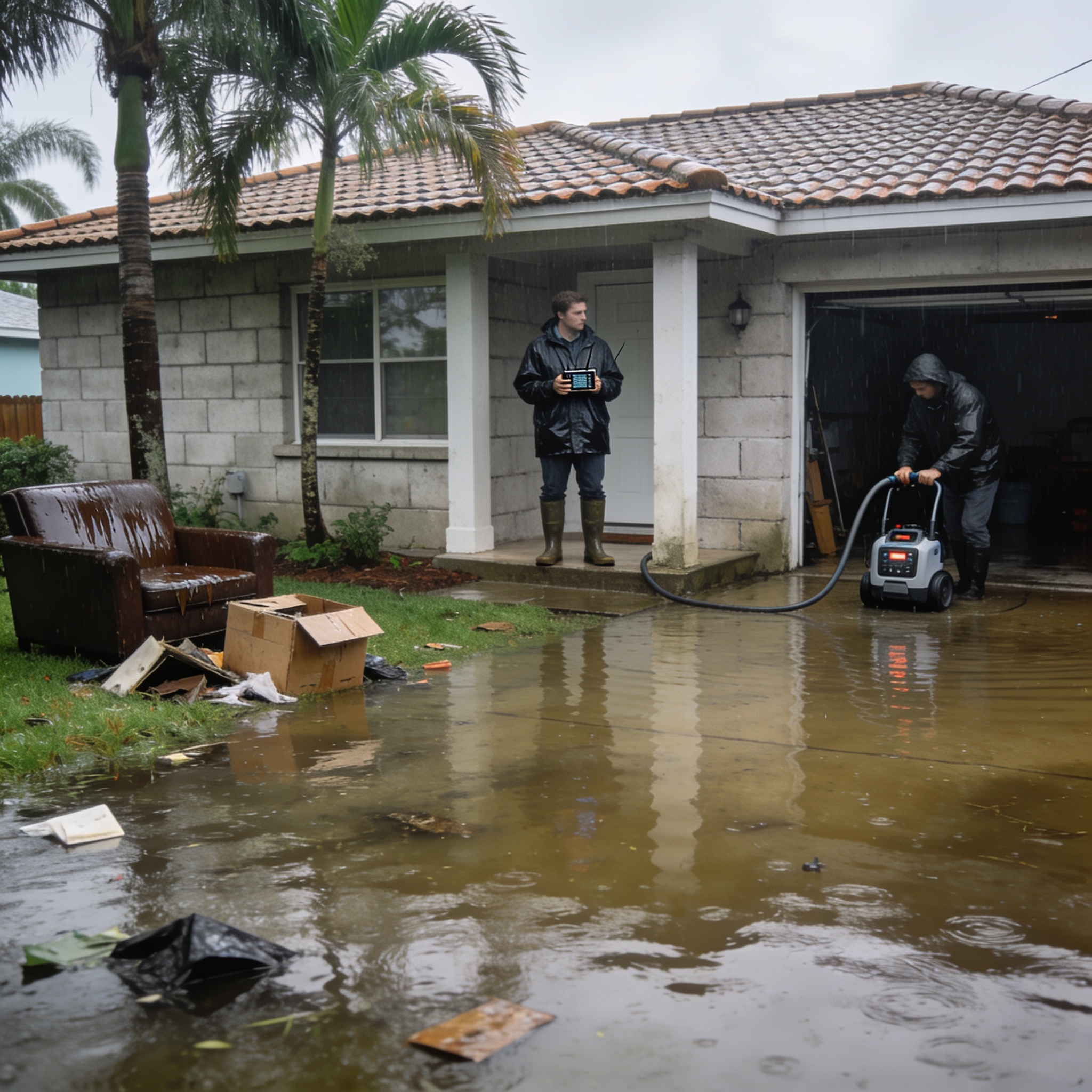
The first priority when your house floods is to ensure the safety of all occupants by exiting the premises if the water level is rising or if there is an electrical hazard. You must turn off the electricity to prevent shock. Once you are safe, you must stop the water source if the flooding is caused by a burst pipe or appliance failure. After the source is controlled, contact your insurance company to report the event and receive guidance on the next steps to take. It is vital to document the damage for insurance purposes by taking extensive photographs of every room before beginning any cleanup. Whether dealing with natural flooding or a burst pipe, you must act quickly to prevent further damage.
What safety precautions should you take when dealing with a flooded house?
Safety first is the guiding principle because floodwater often contains hazardous contaminants, including sewage and bacteria, especially after a tropical cyclone. Never enter your home if there is standing water and the electricity is still active, as this poses a severe risk of electrocution. Wear personal protective equipment, such as rubber boots, gloves, and masks, to protect yourself from pathogens. If you suspect the water has been contaminated by a septic tank backup or a municipal sewer failure, avoid all contact and wait for professional water damage restoration services. Understanding the steps to protect yourself is the first phase of flood recovery.
How do you remove flood water from your house?
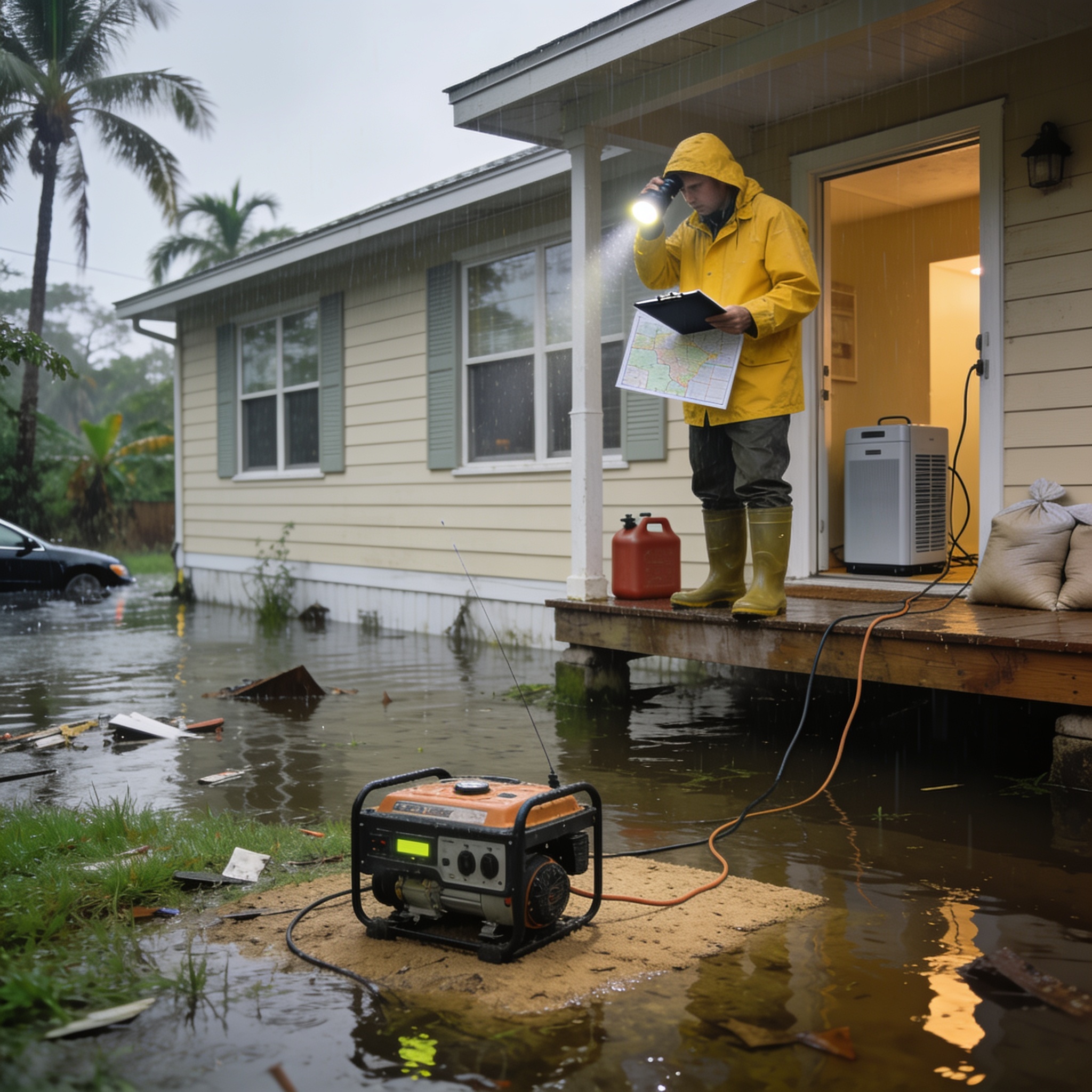
You should remove standing water as quickly as possible using a sump pump or a wet-dry industrial vacuum to prevent deep saturation of your home’s flooring and walls. In a flooded house, the goal is to extract as much liquid as possible before it wicks into the studs or baseboards. For larger volumes of water, professional damage restoration services use high-capacity pumps to clear the area. Once the bulk water is gone, use fans to keep air circulating and clean surfaces to begin the cleanup process.
How long does it take for a house to dry out after a flood?
A typical residential property requires between 72 hours to dry out after a flood, provided that commercial-grade dehumidifiers and air movers are utilized correctly. In the high-humidity environment of Lee or Collier County, natural evaporation is rarely sufficient to prevent secondary damage. You must open doors and windows if the exterior air is drier than the interior air to facilitate the drying process. Check all windows and doors for structural warping. Failure to properly dry your home can lead to structural damage that compromises the integrity of your floors and cabinetry.
How quickly does mold grow after a house floods?
Mold growth can begin in as little as 24 to 48 hours after a house floods if the environment remains warm and damp. The EPA notes that moisture control is the primary method to prevent mold growth in a flooded home. Once spores settle on wet drywall or insulation, they will colonize rapidly, potentially spreading to your furniture and kitchen cabinet units. You must prioritize the removal of porous materials that have been saturated for more than 48 hours to avoid extensive remediation costs.
What steps are involved in cleaning up and repairing a flooded house?
The 5-step cleanup checklist ensures you address the most urgent needs to restore your home after a flood:
- Document all damage: Take high-resolution photos of all affected areas and damaged items before moving anything.
- Remove saturated materials: Tear out water-logged drywall, insulation, and carpeting to allow the wall cavities to breathe.
- Sanitize the area: Thoroughly clean all non-porous surfaces with an EPA-approved disinfectant to eliminate bacteria and pathogens.
- Deploy industrial drying equipment: Use a commercial dehumidifier and air movers to force moisture out of the structural framing.
- Reconstruct and restore: Once the moisture content levels are verified as safe by a professional, begin the process of rebuilding after a flood.
Can a house be saved after a flood, and what materials need to be replaced?
Most homes can be saved after a flood if the structural integrity remains intact and the drying process is initiated immediately. Porous materials that have been in contact with floodwater, such as insulation, carpet padding, and drywall, generally must be removed and replaced. Wood cabinetry and furniture may be salvageable if they are dried out quickly and treated for moisture. Consult a qualified Water Damage Restoration to assess which items can be restored versus those that pose a health risk.
How do you document flood damage for insurance claims?
You must document the damage for insurance by creating a comprehensive inventory list supported by date-stamped photos and videos of every affected room. Do not discard any damaged items until an adjuster has inspected them, unless they pose an immediate health hazard. Keep a detailed log of all expenses incurred during the cleanup process, including receipts for equipment rentals or professional services. Providing clear evidence is the most effective way to expedite your insurance claim. Check if you have coverage under the National Flood Insurance Program, as this is a special flood policy distinct from standard homeowner insurance.
When should you call a professional restoration service after a flood?
You should call a professional immediately if the floodwater is deep, contaminated, or if the water damage affects more than one room in your home. Professionals possess the specialized equipment and training required to handle complex Water Damage Restoration safely and efficiently. If you are in the Punta Gorda area, seeking expert Water Damage Restoration can prevent long-term mold issues. These experts understand the specific challenges of SWFL, including high humidity and hurricane-related storm surges.
What should you do if your house floods and you don’t have insurance?
Homeowners without flood insurance should immediately contact the Federal Emergency Management Agency (FEMA) or the Small Business Administration (SBA) to inquire about disaster assistance programs. Even if you do not have a private flood insurance policy, you may qualify for low-interest loans or grants for urgent repairs. Documenting the damage is still necessary to demonstrate your need for financial aid. Reach out to local community organizations or the United States Department of Housing and Urban Development for additional resources regarding emergency housing and recovery support.
Frequently asked questions
The following answers address common concerns regarding the recovery process after a flood event in Southwest Florida.
Can I use a regular vacuum to clean up flood water?
No, you should never use a standard household vacuum to remove standing water, as it poses a significant risk of electric shock and will likely ruin the appliance. Use professional-grade flood cleanup equipment instead.
Is it safe to stay in my home after a flood?
It is generally not safe to remain in a home after a flood due to the risks of mold, structural instability, and potential electrical hazards when your house is flooded.
How do I know if my drywall is ruined?
If drywall has been soaked by floodwater, it is usually considered unsalvageable because it absorbs moisture and contaminants, leading to rapid mold development. Restoration after a flood often requires full replacement of these materials.
What is the difference between flood water and clean water?
Clean water comes from a broken supply line, whereas floodwater is considered contaminated and may contain sewage, chemicals, and hazardous debris. Cleaning up after a flood requires different protocols than a simple pipe leak.
Should I turn off my HVAC system?
Yes, you should turn off your HVAC system immediately to prevent it from circulating mold spores and moisture throughout the rest of the house.
| Action Item | Priority Level | Expected Outcome |
|---|---|---|
| Shut off electricity | Critical | Prevents electrocution |
| Document damage | High | Supports insurance claim |
| Remove standing water | High | Prevents structural decay |
| Install dehumidifiers | Medium | Stops mold growth |
| Review National Flood Insurance | Medium | Verify coverage limits |
Our editorial team verifies licensing and reviews for every restoration company in the directory and writes practical, Florida-specific guides to help homeowners act fast and protect their insurance claims after water, fire, mold or storm damage.