Florida Hurricane Preparedness Checklist: Essential Steps for Safety
The most effective Florida hurricane preparedness checklist guide relies on having at least 14 days of non-perishable supplies and a verified evacuation plan before the Atlantic hurricane season begins. Following this comprehensive approach ensures you can protect your property and loved ones against the severe wind and flood threats common in Southwest Florida. It is wise to prepare for hurricane season early to avoid the last-minute rush and to stay informed about any marginal risk that may develop into a significant threat.
Key Takeaways
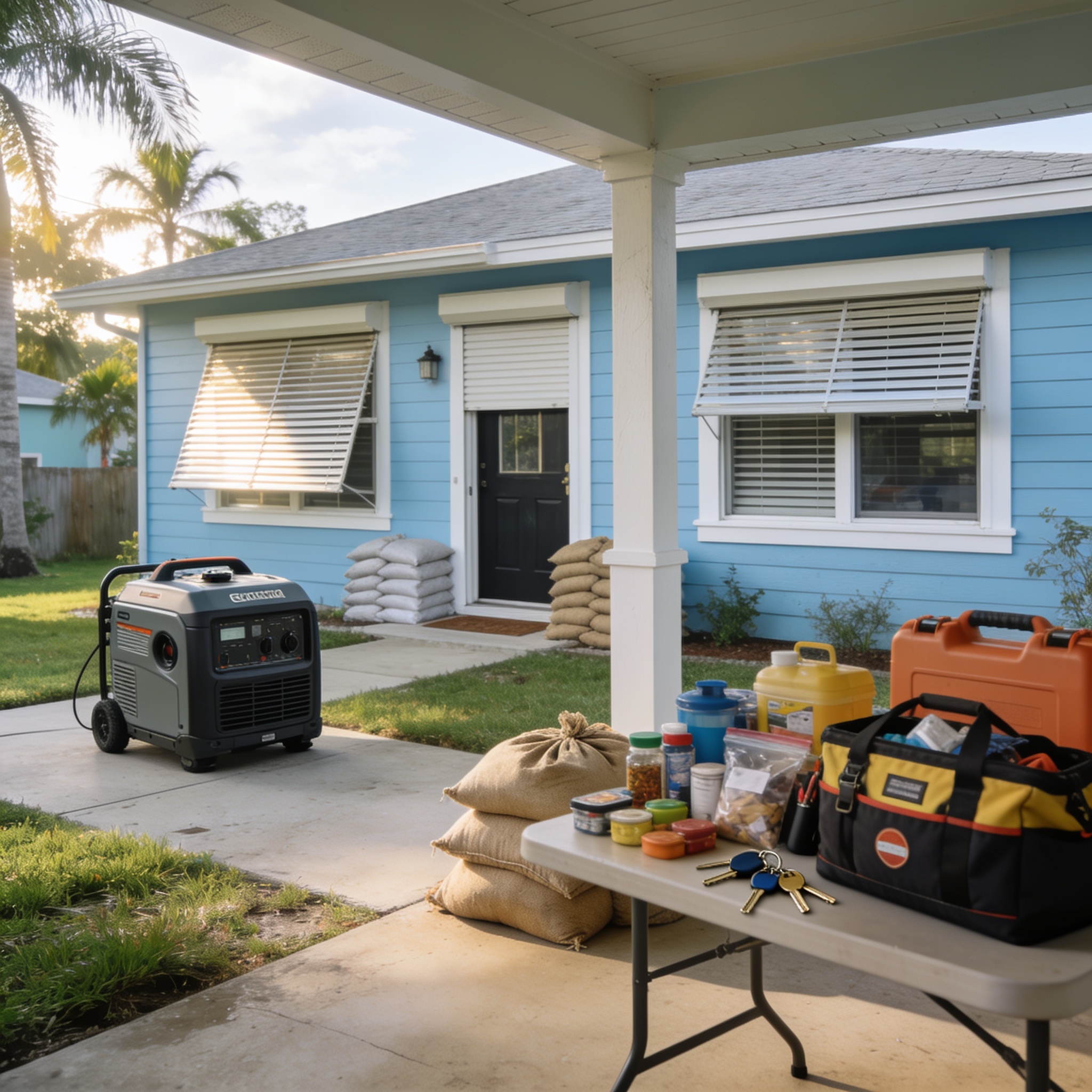
- Secure all windows and doors with rated shutters to minimize damage from high-velocity debris.
- Maintain a 14-day supply of water, non-perishable food, and essential medicine for every family member.
- Verify your flood zone status through local county emergency management websites to understand your specific risk.
- Keep digital and physical copies of insurance policies and property inventories in a waterproof container.
- Register for local emergency alerts in Lee, Collier, and Charlotte counties to receive real-time updates.
- Review these preparedness tips regularly to ensure your household is ready for any potential storm.
What Is the Florida Hurricane Season Timeline and What Do Different Alerts Mean?
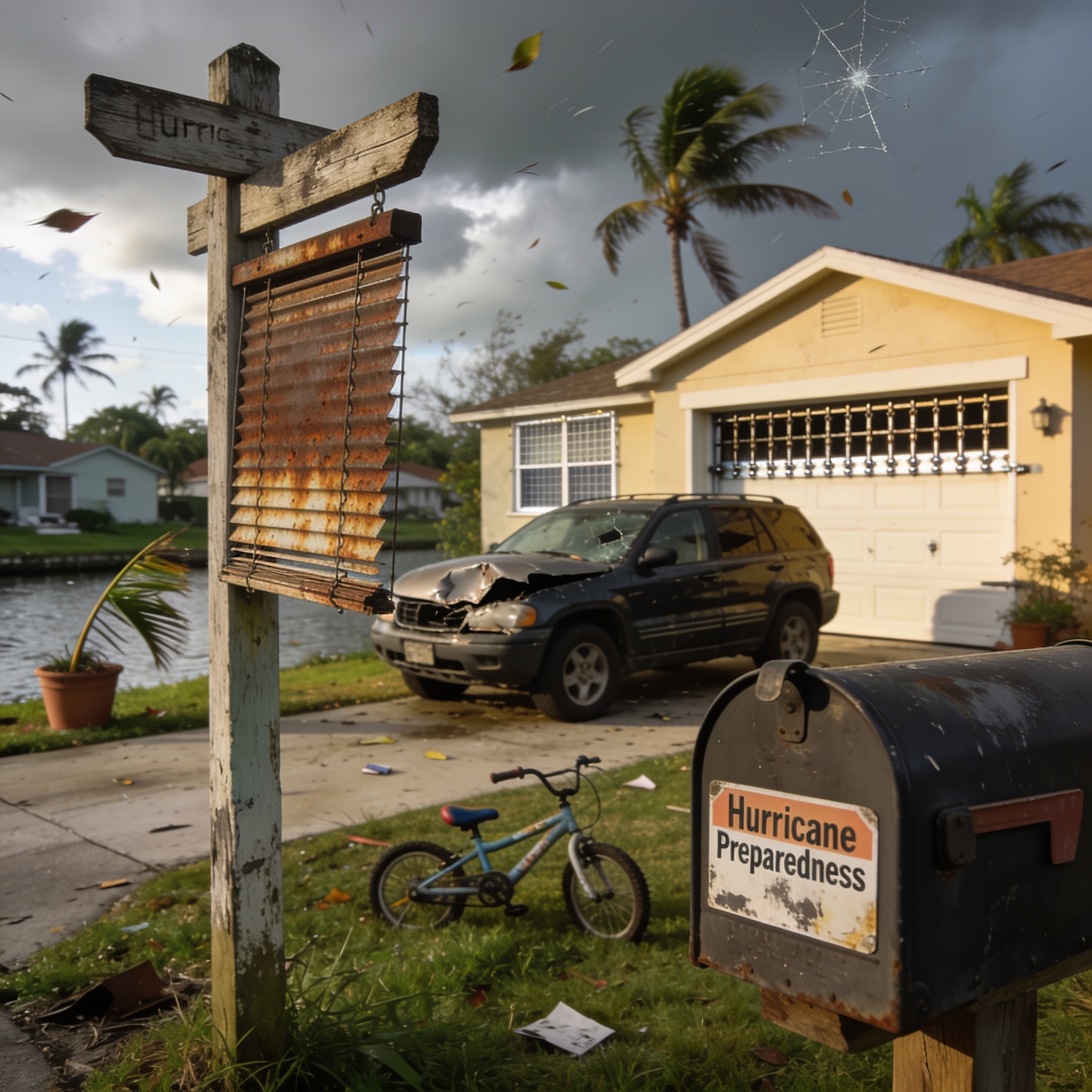
The Atlantic hurricane season officially spans from June 1 to November 30, with peak activity typically occurring between mid-August and October. A tropical cyclone is classified as a hurricane when it reaches sustained winds of at least 74 mph, as defined by the National Hurricane Center. Monitoring weather conditions is a useful habit for all residents, especially when systems are accompanied by lightning or bring gusty winds that can impact your property.
Understanding Watches and Warnings
- A hurricane watch means that hurricane conditions are possible within the specified area, usually within 48 hours.
- A hurricane warning indicates that hurricane conditions are expected, and you must complete all preparations immediately.
What Items Should Be Included in a Hurricane Preparedness Kit or Go-Bag?
Every household needs a well-stocked supply kit to sustain occupants for at least two weeks following a major disaster. You should store these items in a portable, waterproof container that is easy to grab if an evacuation is ordered. Ensure every electronic device is fully charged and that you have up-to-date maps of your local area.
| Category | Essential Items |
|---|---|
| Hydration | 1 gallon of water per person per day; fill your water tank if applicable |
| Power | Battery-powered radio, external charger, extra batteries |
| Health | First aid kit, prescription medicine, hygiene supplies |
| Documentation | Insurance papers, IDs, medical records |
| Maintenance | Heavy-duty tape for temporary repairs and a multi-tool |
| Alerts | Hand-crank radio to monitor for any tornado warnings |
How Can I Prepare My Home for a Hurricane to Protect Against Wind and Flooding?
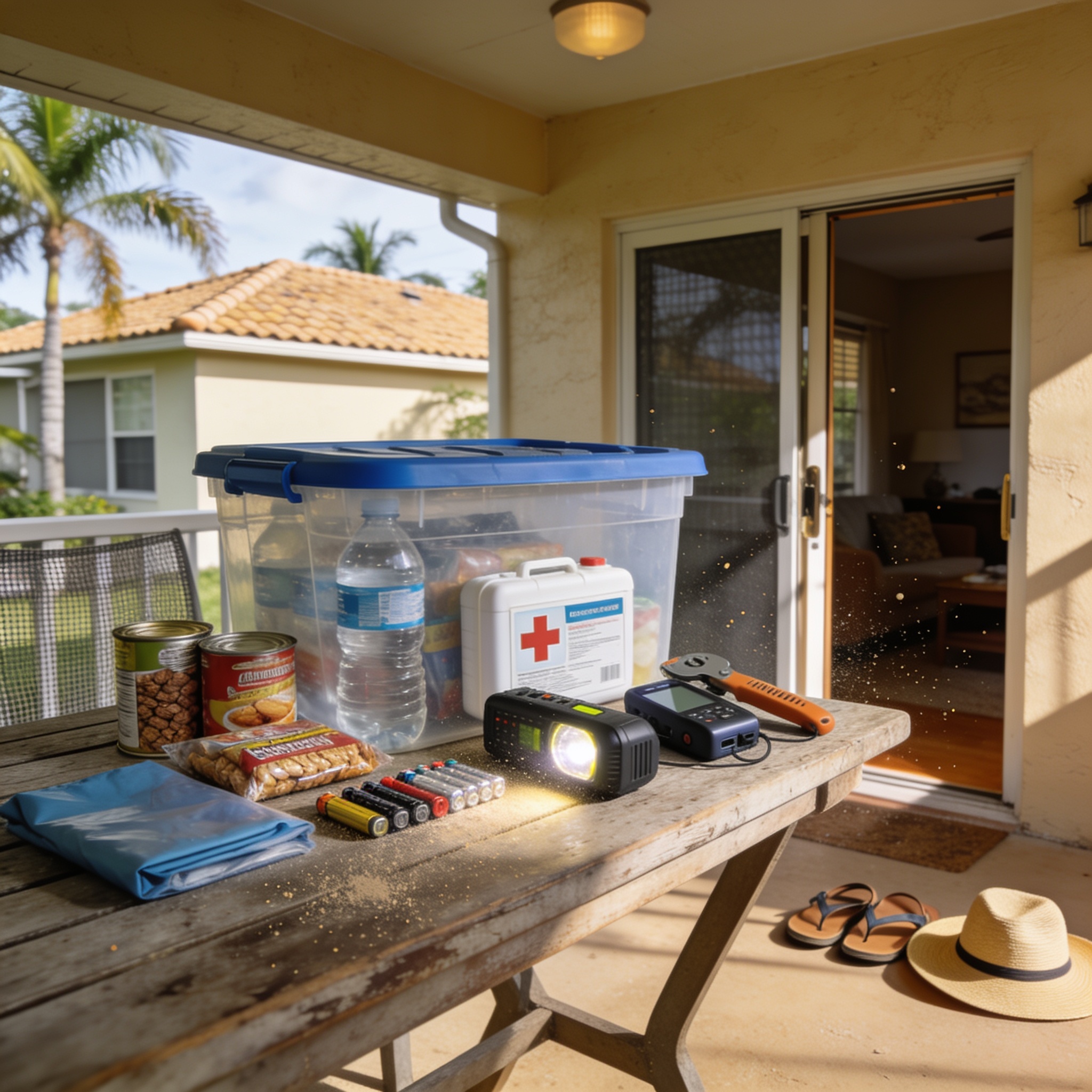
Securing your home involves reinforcing entry points and clearing the exterior of any loose items that could become projectiles during a storm. You should install hurricane shutters or impact-resistant glass to prevent wind from breaching the building envelope. If you experience structural issues, contact professional storm damage repair services immediately after the threat passes. A helpful tip is to clear gutters to manage heavy rain effectively and to check the interior of your home for any potential leaks.
What Steps Should I Take Before, During, and After a Hurricane for Safety?
Preparation before the storm is the most critical factor in ensuring your safety and minimizing potential property loss. If a warning is issued, we strongly advise you to follow local directives. During the event, stay in your home if it is structurally sound, or move to a safe shelter. After the storm, avoid walking through standing water, as it may be contaminated or hide downed power lines. If you encounter a flooded road, turn around and find an alternative route to alleviate the risk of being stranded.
How Do I Create a Family Emergency Plan, Including Evacuation and Communication?
Establishing a clear communication plan ensures every family member knows exactly where to meet if local networks fail. You should designate an out-of-state contact person who can relay information when local lines are congested. Always map out at least two evacuation routes that avoid low-lying coastal areas or inland zones where flash flooding outlooked by meteorologists may occur. If officials encourage you to leave the area, do so promptly to stay safe.
What Should I Do About Important Documents and Insurance Before a Hurricane?
Organizing your financial and legal documents in advance significantly speeds up the recovery process after a disaster. Keep your flood insurance policy, property deed, and inventory list in a fireproof, waterproof safe. If your home sustains damage, document the scene thoroughly before beginning any cleanup or hiring Water Damage Restoration Companies in Southwest.
What Are the Guidelines for Safe Drinking Water During and After a Hurricane?
Maintaining a clean water supply is vital because municipal systems can fail or become contaminated during a severe storm. Fill your bathtub and extra containers with water before the storm hits to use for flushing toilets. If a boil water notice is issued, follow the instructions from your local health department to prevent illness.
How Can I Ensure the Safety of Pets and Vehicles During a Hurricane?
Including your pets in your emergency planning is essential because many public shelters do not accept animals. Keep a current photo of your pet, their vaccination records, and a sturdy carrier ready to go. Additionally, park your vehicle in a garage or away from trees to protect it from wind damage. If you must evacuate, ensure your pets are transported safely.
What Resources Are Available for Hurricane Preparedness in Florida, Including Financial Assistance?
Federal and state agencies provide extensive support to help Floridians recover from the financial impact of a hurricane. You can apply for assistance through FEMA if your area is declared a federal disaster zone. Local resources, such as the Disaster Distress Helpline, are also available to support your mental well-being during the recovery phase.
Where Can I Find Official Weather Outlooks and Emergency Management Information for Florida?
Staying informed through official channels is the best way to make data-driven decisions during an active weather event. You should download the official Florida disaster app to receive real-time updates and evacuation orders. Be aware of the storm surge risk in your area, as this is often the most dangerous aspect of a hurricane, especially when ocean water is pushed inland by torrential downpours. If your property suffers from moisture intrusion, consult with certified mold remediation companies to prevent secondary damage.
Frequently asked questions
These answers address common concerns regarding hurricane safety and property protection in the SWFL region.
How much water should I store per person?
You should store at least one gallon of water per person per day for at least 14 days.
What should I do if my home floods?
Turn off the main power breaker if it is safe to do so and avoid contact with floodwater. If you need to take shelter, ensure you have your supplies ready.
Are hurricane shutters mandatory?
While not always mandatory, they are highly recommended to protect your home from high-speed wind debris.
How do I know if I live in an evacuation zone?
Check your county’s official emergency management website or map to identify your specific flood and evacuation zone.
When should I use a generator?
Only operate a generator outdoors in a well-ventilated area, never inside your home or garage, to prevent carbon monoxide poisoning.
Where can I find more safety tips?
Follow these safety tips provided by the National Hurricane Center and your local county emergency management office.
Our editorial team verifies licensing and reviews for every restoration company in the directory and writes practical, Florida-specific guides to help homeowners act fast and protect their insurance claims after water, fire, mold or storm damage.