Flood in Basement: What to Do Immediately to Prevent Damage
When you discover a flood in basement, you must immediately turn off the electricity at the main breaker before entering the standing water to prevent fatal electrocution. Swiftly addressing basement flooding within a 24-hour window is the decisive factor in preventing permanent structural damage and toxic mold growth in your SWFL home. Following this 5-step flooded basement cleanup checklist will help you mitigate property damage while you call your insurance company to initiate a claim.
Key Takeaways
- Prioritize personal safety: turn off the circuit breakers and wear protective gear like rubber boots before entering the flooded area.
- Document the damage thoroughly with photos and video before you start any water removal process.
- Identify the source of the flooding, such as a sewer backup or heavy rain, to determine the appropriate cleanup protocol.
- Contact professional restoration specialists if the water is contaminated or if the flooding exceeds a few inches.
- Ensure your home is clean and dry using commercial-grade fans and a dehumidifier to prevent long-term structural issues.
What Should You Do Immediately When Your Basement Is Flooded?
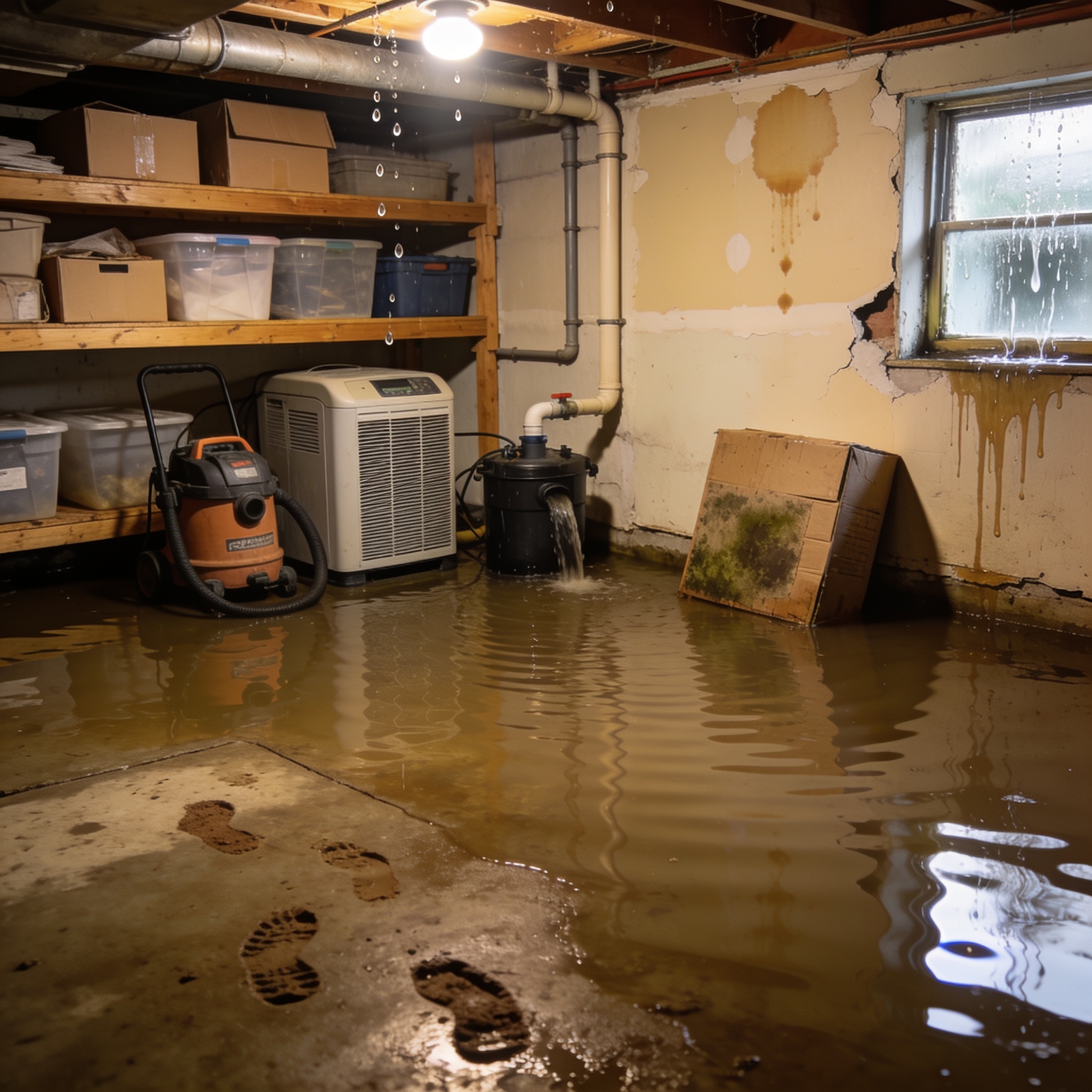
Your first priority when your basement is flooded is to ensure the environment is electrically safe before you attempt to remove the water. If you cannot reach the main breaker without standing in water, you must immediately contact an electrician or your utility company to shut off power to the property. Once the area is safe, put on rubber boots and gloves to protect yourself from wet electrical hazards and potential contaminants. After securing your safety, you should document the damage by taking clear photographs and videos of all affected areas and important items. Finally, reach out to your insurance company to open a file and ask for guidance on emergency service providers.
Is It Safe to Live in a House with a Flooded Basement?
Living in a home with a flooded basement is generally unsafe due to the high risk of electrical hazards, structural instability, and exposure to biological contaminants. According to the EPA, standing water can harbor bacteria and pathogens, especially if the flooding involves a sewer backup. The presence of moisture in the basement creates an ideal environment for rapid mold growth that can affect the air quality throughout your entire home. You should consult with restoration specialists to determine if the home remains habitable during the remediation process. In many cases, especially if the HVAC system is compromised, you may need to relocate temporarily, whether you are a homeowner or a renter.
What Are the Common Causes of Basement Flooding?
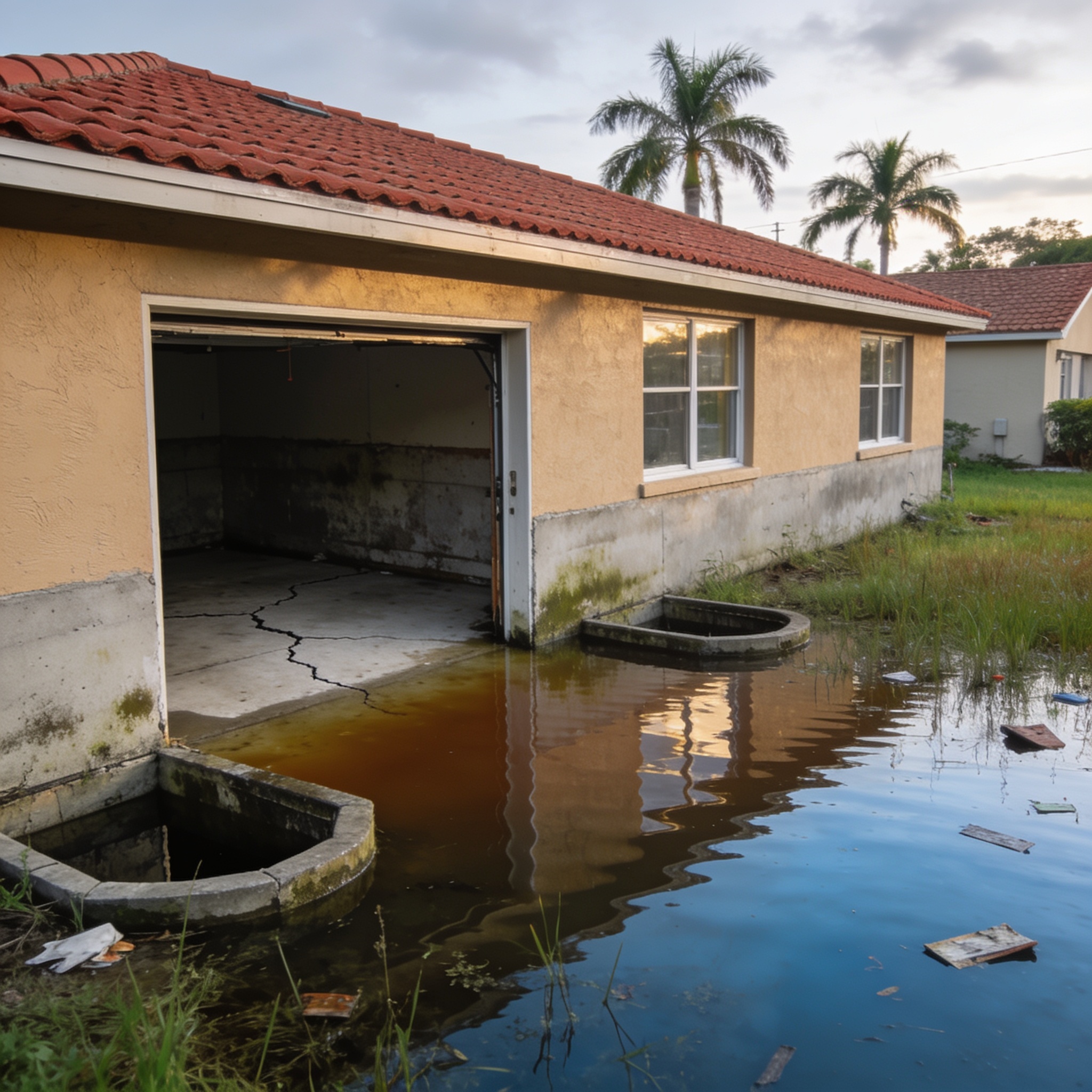
Basement flooding in Southwest Florida is frequently caused by intense tropical weather, high water tables, or localized drainage failures. Heavy rain and storm surges during hurricane season often overwhelm municipal storm drain systems, leading to water intrusion through cracks in your foundation. Other common causes include a failed sump pump, a burst pipe, or a sanitary sewer backup that forces contaminated water back into your home. If you notice water rising during dry weather, it is likely a plumbing issue that requires a professional plumber to inspect your floor drain and backflow prevention valves.
What Soaks Up Water in a Basement and How Do You Remove It?
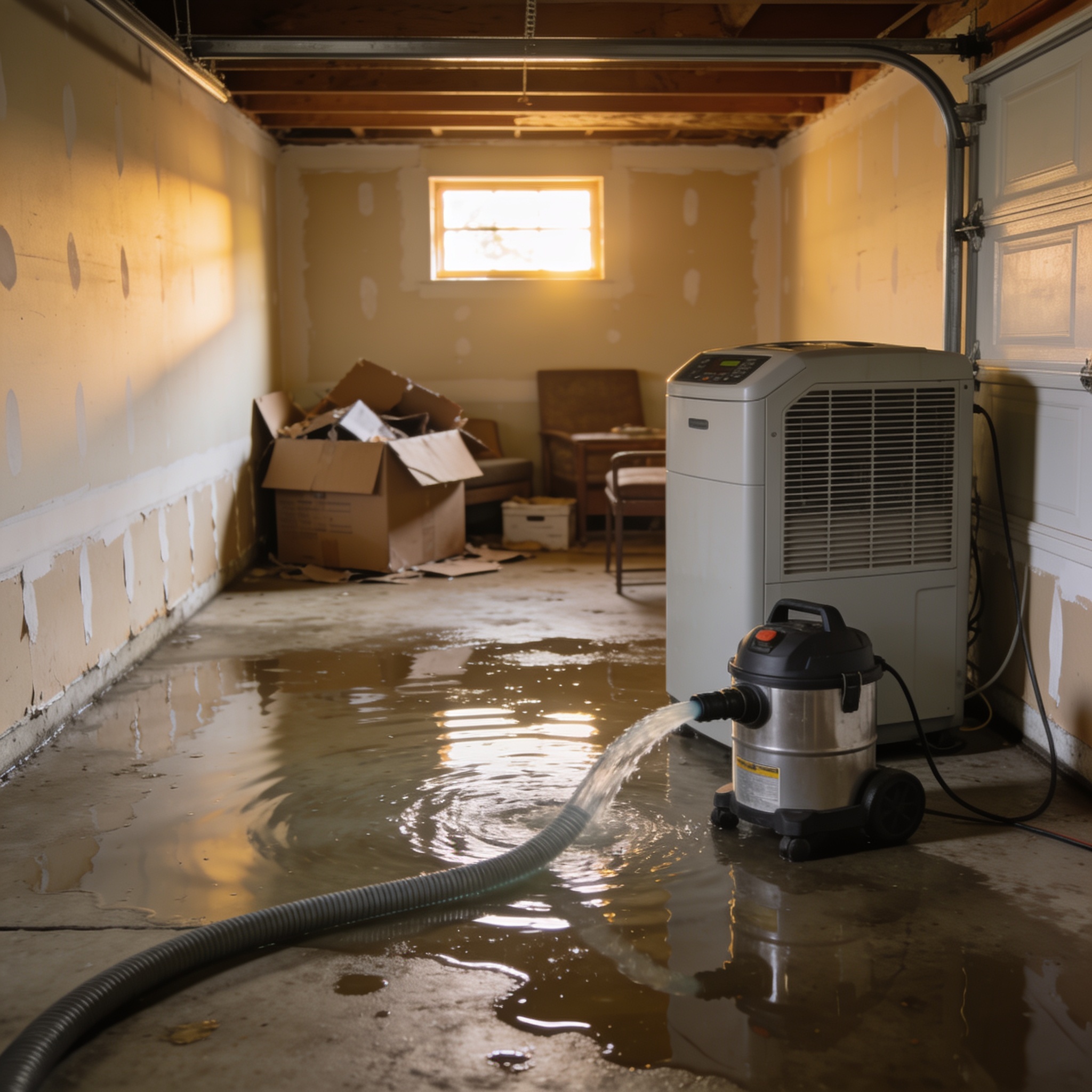
Removing excess water requires a systematic approach using specialized equipment to ensure the basement floor is dry as possible. For small amounts of water, a wet/dry vac is effective, but larger volumes require utility pumps to move the liquid out of the structure. You can use towels, mops, and absorbent pads to soak up remaining moisture, but these items must be discarded if they become saturated with contaminated water. Professional water mitigation services utilize industrial-grade extraction tools that are far more efficient than consumer-grade equipment at removing water from porous materials like carpet and drywall.
How Long Does It Take to Dry Out a Basement After a Flood?
The drying process typically takes between three to seven days depending on the volume of water and the humidity levels in your region. Utilizing professional-grade fans and dehumidifiers is essential to lower the relative humidity and accelerate the evaporation of moisture trapped in building materials. In the humid climate of Lee and Collier counties, natural ventilation is rarely sufficient to dry the space before mold begins to colonize surfaces. You should use fans to circulate air and monitor the progress of your flood cleanup daily to ensure that moisture levels are consistently dropping.
How Do You Clean and Sanitize a Flooded Basement?
Cleaning the basement requires a thorough approach to ensure all surfaces are disinfected and safe for re-entry. Once the water is removed, you must clean all non-porous surfaces with a solution of water and 2 tablespoons of liquid chlorine bleach per gallon to kill bacteria. Porous materials like drywall or insulation that have been soaked in contaminated water often cannot be saved and must be removed to prevent long-term health risks; however, some items may be salvageable if cleaned immediately. Following these steps for sanitization is critical to restoring your home to a safe condition after a significant flood event.
The 5-Step Cleanup Checklist
- Safety First: Turn off the main electrical breaker and wear protective gear including rubber boots and gloves before entering.
- Documentation: Take comprehensive photos and videos of the damage to support your claim with your insurance company.
- Water Extraction: Use a utility pump or wet/dry vac to remove the bulk of the standing water from the basement floor.
- Dehumidification: Place industrial fans and a high-capacity dehumidifier in the space to pull moisture from the air and surfaces.
- Sanitization: Thoroughly clean all affected surfaces with a disinfectant solution to prevent mold growth and bacterial contamination.
Who Should You Call When Your Basement Floods — and When Is a Professional Required?
You should contact a professional if the flooding involves sewage, if you lack the proper safety equipment, or if the water has affected electrical equipment. Professionals like those offering Water Damage Restoration in Lehigh Acres have the training to handle hazardous materials safely. If the floodwater is deep or if you suspect structural damage to your foundation, you must contact professional help immediately to avoid further property damage and ensure structural integrity. They can provide the necessary documentation required by your insurance company to process your claim efficiently and provide basement and help in navigating the complex recovery process.
Will Insurance Cover Basement Flooding?
Standard homeowner policies in Florida typically exclude damage caused by rising groundwater or overland flooding, requiring a separate policy through the NFIP. You must call your insurance company immediately to verify your specific coverage limits and determine if your policy includes riders for sewer backups or sump pump failure. Always refer to your policy documents, as coverage for water damage restoration punta gorda services depends heavily on the specific source of the water intrusion.
| Flood Source | Typical Coverage |
|---|---|
| Burst Pipe / Water Heaters | Usually Covered |
| Sewer Backup | Requires Add-on |
| Overland Flooding | Flood Insurance Required |
How Can You Prevent Future Basement Floods?
Preventing future basement flooding requires a proactive maintenance strategy focused on your home’s drainage system. Installing a sump pump with a battery backup is the most effective way to ensure your basement remains dry during severe Florida storms. Regularly cleaning your rain gutters and extending downspouts away from the foundation will prevent water from pooling near the basement walls. Additionally, inspecting your foundation for cracks and ensuring backflow valves are functional will provide a necessary layer of defense against future water intrusion.
Frequently asked questions
Below are common concerns regarding basement flooding and the restoration process.
Can I use a regular vacuum to clean up the water?
No, you must never use a standard household vacuum to remove water, as this creates a severe risk of electric shock and will permanently damage the machine.
How do I know if the water is contaminated?
Any water that enters from a sewer backup, storm drain, or external ground flooding should be treated as contaminated and hazardous to your health.
Should I remove the carpet if it gets wet?
Yes, carpet and its underlying padding are highly porous and usually must be removed and discarded if they have been submerged in floodwater to prevent mold growth.
What if my water heater is in the basement?
If your water heater has been submerged, do not attempt to turn it on; contact a licensed plumber or utility professional to inspect the unit for safety.
Is mold growth inevitable after a flood?
Mold growth is not inevitable if you act within a 24-hour window to remove the water and use professional-grade dehumidifiers to dry the structure completely.
See also: Water Damage Restoration
Our editorial team verifies licensing and reviews for every restoration company in the directory and writes practical, Florida-specific guides to help homeowners act fast and protect their insurance claims after water, fire, mold or storm damage.