Flood Cut Drywall Repair Cost: A Homeowner’s Guide
The average flood cut drywall repair cost typically ranges between $1,500 and $4,500 for a standard room in Southwest Florida, depending on the extent of the water damage and the square footage involved. This price estimate accounts for local labor rates, material costs, and the specialized moisture-mitigation requirements common in hurricane-prone regions like Lee and Collier counties. Homeowners should anticipate that professional water damage repair costs fluctuate based on whether the damage is limited to lower wall sections or if it has compromised the structural integrity of the home. When planning your repair budget, it is helpful to understand that the cost of drywall repair varies based on the specific drywall type, the total damage size encountered, and the local cost of living which influences contractor overhead.
Key Takeaways
- Flood cuts are essential to remove saturated drywall and prevent long-term mold growth in humid Florida climates.
- Total repair costs are heavily influenced by the height of the water line and the presence of hazardous materials like insulation.
- Most professional contractors charge for drywall work based on a combination of material costs and local labor rates.
- Homeowners insurance may cover the cost of repairs, but policyholders must document all damage thoroughly before starting the repair process.
- Attempting DIY repairs after a flood can lead to hidden moisture issues that may cause structural failure later.
- Utilizing a calculator to estimate your total expenses before hiring a drywall contractor is a smart financial move.
What Are the Signs That Drywall Needs Repair or Replacement After Water Damage?
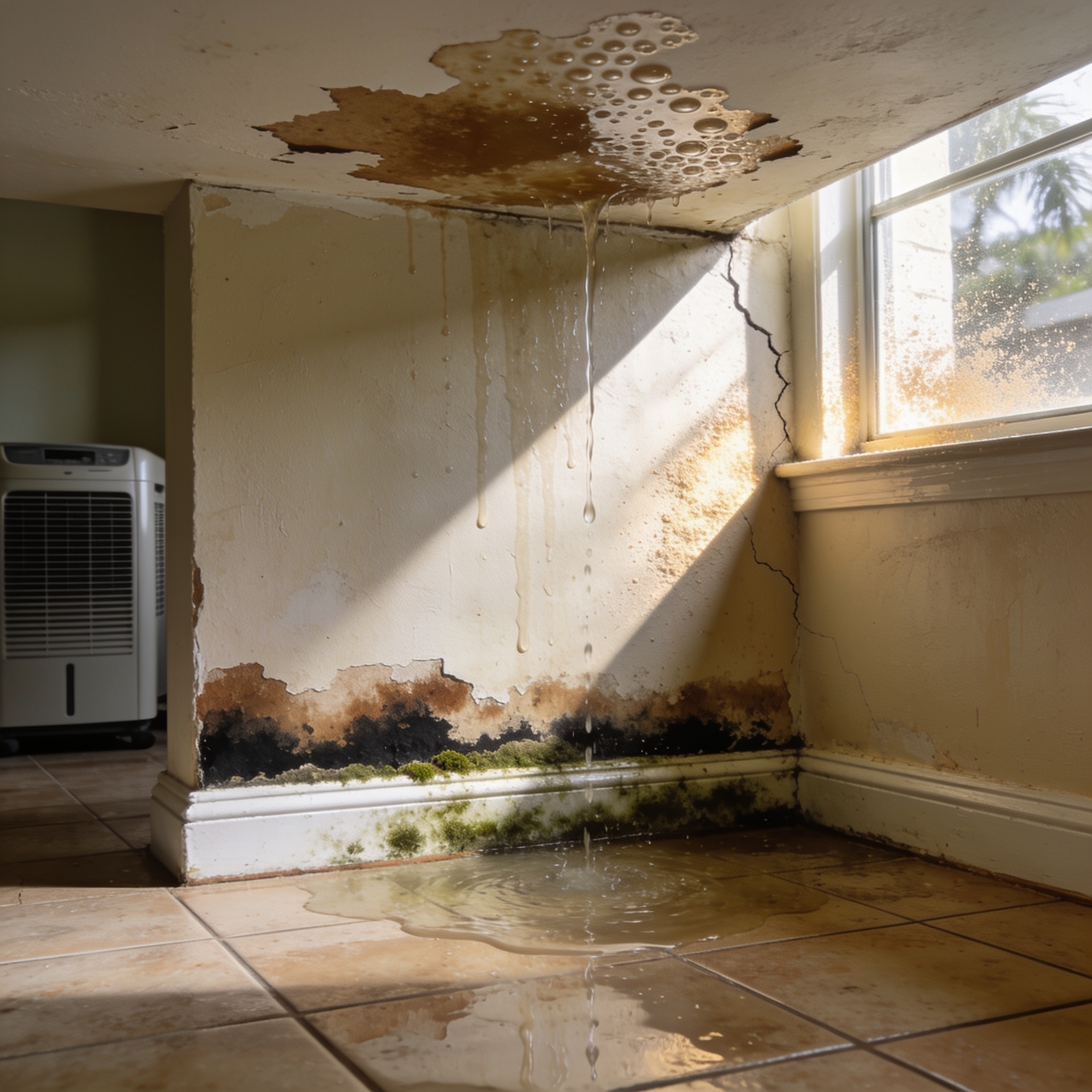
Visible signs of water damage on drywall include soft, crumbling wall surfaces, persistent musty odors, and visible mold growth near the baseboards. In Southwest Florida, the high humidity levels mean that even minor moisture trapped behind walls can escalate into a significant issue within 24 to 48 hours. If you notice discoloration, paint bubbling, or even minor hairline cracks, the drywall has likely lost its structural integrity and requires immediate attention to prevent further drywall issues that could compromise the studs.
The 5 visual signs of black mold
- Musty Odor: A persistent, damp, or earthy smell is often the first indicator of mold growth behind or inside walls.
- Discoloration: Dark spots or patchy stains appearing on the surface of the drywall indicate deep moisture penetration.
- Peeling Paint or Wallpaper: Moisture trapped behind the wall surface causes paint to bubble or wallpaper to detach from the drywall.
- Surface Texture Changes: The drywall may feel soft, spongy, or show signs of crumbling when touched, indicating it is saturated.
- Visible Fungal Growth: Actual fuzzy or slimy patches appearing on the wall surface are a definitive sign that mold has colonized the material.
Can Drywall Be Saved After Water Damage, or Does It Need to Be Replaced?
Saturated drywall must be replaced rather than repaired because the gypsum core acts like a sponge and cannot be effectively dried once it has absorbed significant water. According to guidelines from the IICRC, porous materials like standard drywall that have been exposed to Category 3 water (floodwater) are considered non-salvageable. Attempting to dry and reuse this material often leads to recurring mold issues and poor indoor air quality in your home. A professional repair ensures that all contaminated materials are removed, preventing future damage. You must identify the source of the water to ensure the problem does not return after you replace drywall in the affected area.
How Much Drywall Should Be Cut Out After Flood Damage?
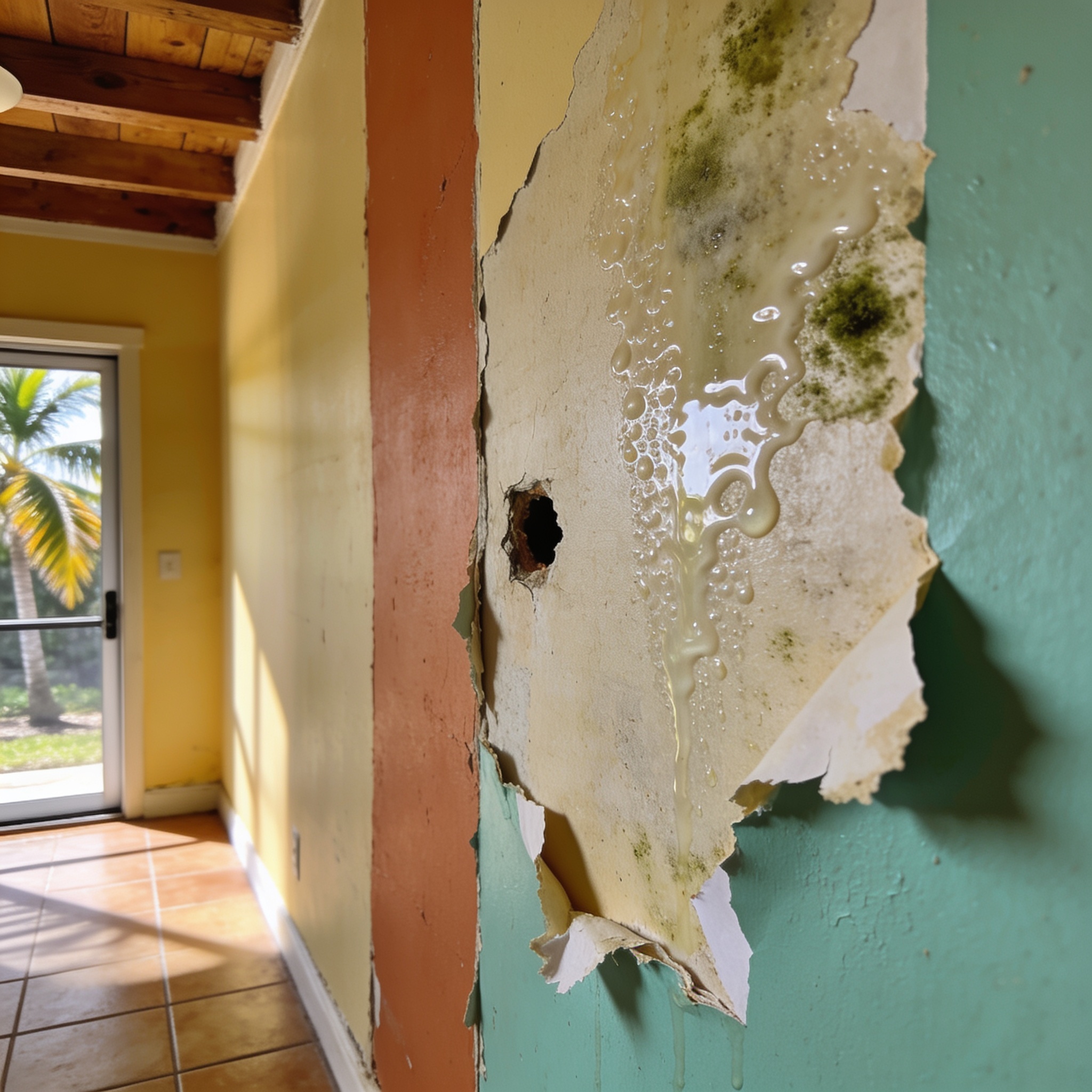
A standard flood cut requires removing at least 12 to 24 inches of drywall above the highest visible water line to ensure all contaminated material is cleared. This process allows for the inspection of the wall cavity, including the wooden studs and insulation, which are also prone to water damage. FEMA recommends this practice to ensure that the wall cavity can be properly cleaned, sanitized, and dried before installing new drywall sheets. Proper drywall installation is key to restoring the wall’s structural integrity, and removing specific drywall sections ensures no hidden moisture remains.
What Is the Process for Repairing Drywall After a Flood Cut?
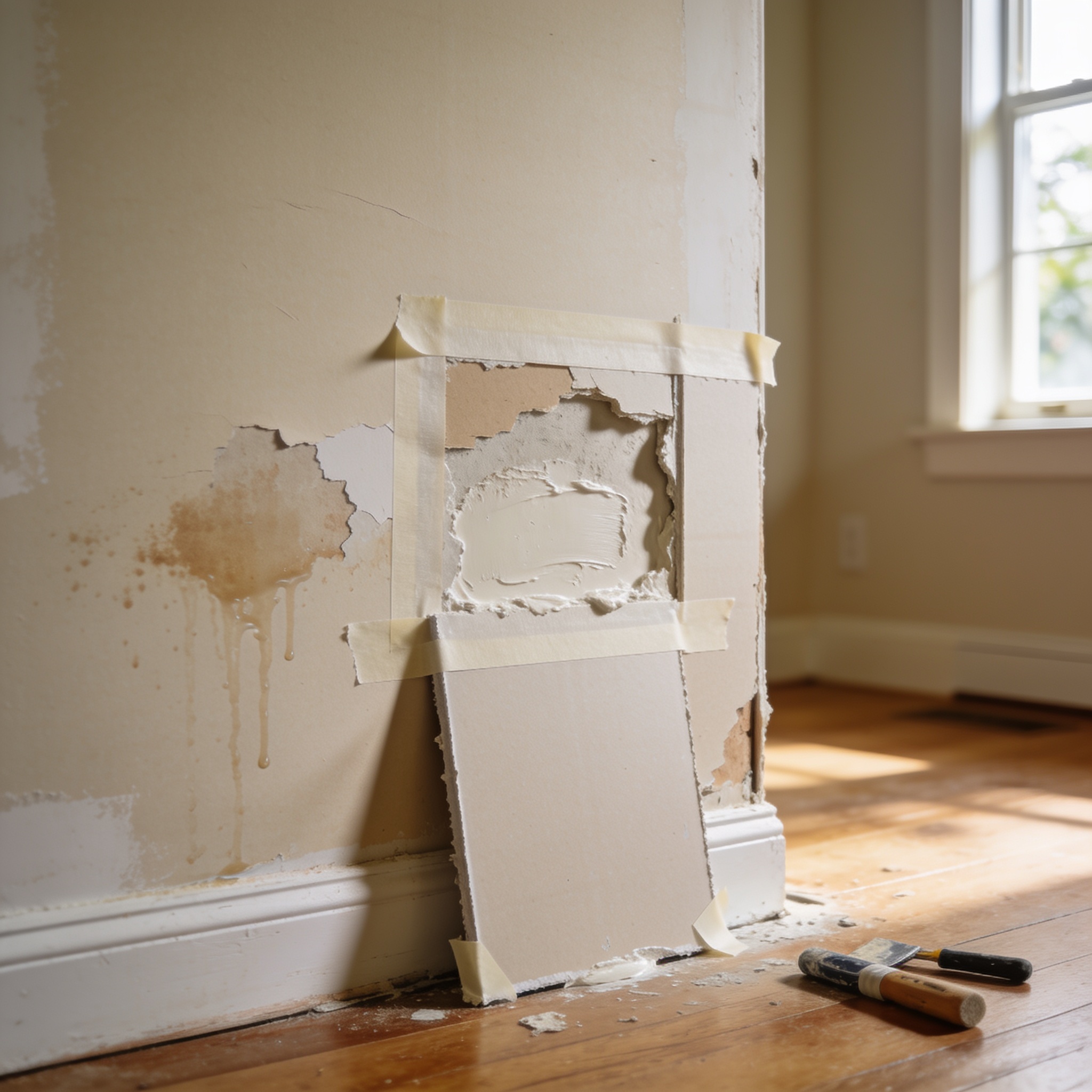
The repair process involves removing the damaged sections, sanitizing the studs, installing new moisture-resistant drywall, and finishing the seams with joint compound. After the flood cut, professionals will treat the exposed wall cavity with antimicrobial agents to prevent mold. Once the area is completely dry, they install the new drywall, apply drywall tape, and finish with several coats of joint compound to ensure a smooth surface that is ready for primer and paint. Whether you need a simple drywall patch or a full wall replacement, these steps are essential for a lasting finish. Note that professional repair work often involves specialized vacuums to manage drywall dust during the sanding phase.
How Much Does Flood Cut Drywall Repair Cost — and What Factors Influence the Price?
The average cost to repair drywall after a flood typically ranges from $3 to $8 per square foot, though total project costs vary based on the complexity of the repair. Factors such as the height of the flood cut, the need for insulation removal, and the cost of local labor significantly impact the final price. Below is a breakdown of common cost drivers for Southwest Florida homeowners, including the average price you might expect for typical water damage drywall repair.
| Cost Factor | Impact on Price |
|---|---|
| Square Footage | Higher volume increases material and labor costs per sq ft. |
| Height of Cut | Removing more than 2 feet of drywall increases labor time. |
| Insulation Removal | Removing wet fiberglass adds to disposal and replacement costs. |
| Mold Remediation | Additional treatment for mold adds to the total damage repair cost. |
| Material Cost | Prices are often calculated per sheet for new panels. |
| Labor Rates | Expect rates around $100 per hour for specialized work. |
| Cost Breakdown | Includes materials, labor, and debris disposal fees. |
How Long Does It Take to Repair Flood-Damaged Drywall?
Most flood cut drywall repairs take between three to seven days, depending on the drying time required for the wall cavity and the application of joint compound. It is critical not to rush the process; the studs must reach a moisture content level acceptable by industry standards before installing new material. If you are dealing with extensive damage, consider contacting Storm Damage Repair Companies in Southwest to expedite the restoration. These experts can provide accurate estimates for drywall repair based on the specific scope of your project, including the per-square-foot cost of the labor involved.
Should You Hire a Professional or DIY Your Flood Cut Drywall Repair?
Hiring a professional is strongly recommended for flood-related drywall repairs because of the risk of hidden mold and the need for proper structural remediation. While minor drywall repairs like filling nail holes or patching small holes can be done by a homeowner, flood damage involves complex logistics, including proper disposal of contaminated materials. For professional assistance, you can search for water damage restoration near me to ensure the work meets local building codes. You may also compare the handyman drywall repair cost against a specialized contractor’s quote to find the best fit for your budget.
Does Homeowners Insurance Cover Flood Cut Drywall Repair Costs?
Homeowners insurance coverage for flood cut drywall repair depends entirely on whether the damage was caused by a covered peril like a burst pipe or a separate flood insurance policy. Standard homeowners policies often exclude flood damage, requiring a separate policy through the NFIP. Always consult with your insurance adjuster and document the extent of the damage with photos before beginning any repairs to ensure your claim is processed correctly. Understanding the cost range for your specific repair needs will help you negotiate your claim effectively.
How Can You Save Money on Flood Cut Drywall Repair?
Homeowners can save on repair costs by performing the initial debris removal themselves, provided they wear appropriate personal protective equipment. Removing wet carpet, baseboards, and water-damaged drywall can reduce the labor hours billed by a professional contractor. However, ensure you do not damage electrical wiring or plumbing while performing these tasks. If you are in the region, you might look into specialized Water Damage Restoration services to get accurate estimates for your specific property.
Frequently asked questions
The following answers address the most common concerns regarding drywall restoration after a flood event in Florida.
Can I just paint over water-damaged drywall?
Painting over water-damaged drywall is ineffective because it traps moisture inside the wall, which will eventually lead to mold growth and structural decay. You must replace the damaged drywall to ensure a healthy home environment.
How much does it cost to fix small holes in drywall?
Small drywall repairs typically cost between $100 and $300 depending on the number of patches and the required texture matching. These minor repairs are significantly cheaper than full flood cut restoration.
Does Florida law require professional mold remediation?
While Florida law requires licensed mold assessors and remediators for certain projects, homeowners can often manage small areas of damage themselves. However, for large-scale flood damage, professional remediation is the safest route to prevent future health hazards.
What is the difference between standard and moisture-resistant drywall?
Moisture-resistant drywall, often called green board, is treated with a water-repellent coating that makes it ideal for areas prone to humidity like bathrooms or kitchens. Using this material in your repair can provide better long-term protection against future moisture issues.
How do I know if my ceiling drywall is damaged?
Ceiling damage is often indicated by sagging, water stains, or peeling paint on the ceiling surface, which usually points to a leak from the roof or plumbing above. If you notice these signs, ceiling repairs are necessary to prevent a collapse and ensure the safety of your home.
Our editorial team verifies licensing and reviews for every restoration company in the directory and writes practical, Florida-specific guides to help homeowners act fast and protect their insurance claims after water, fire, mold or storm damage.