Flood Cleanup Tips: A Step-by-Step Guide for Homeowners
The most effective flood cleanup strategy involves professional mitigation within the first 24 to 48 hours to prevent structural decay and hazardous mold growth. Following a storm in Southwest Florida, your immediate priority is ensuring the structure is stable before attempting any cleanup activities. Whether you are dealing with storm surge in Lee County or heavy rainfall in Collier County, acting quickly is the only way to minimize long-term water damage. If you are returning home after a flood, ensure you have coordinated with your local health department to confirm it’s safe to return before beginning your recovery efforts. Learning how to clean up after a flood properly is essential for your long-term safety.
Key Takeaways
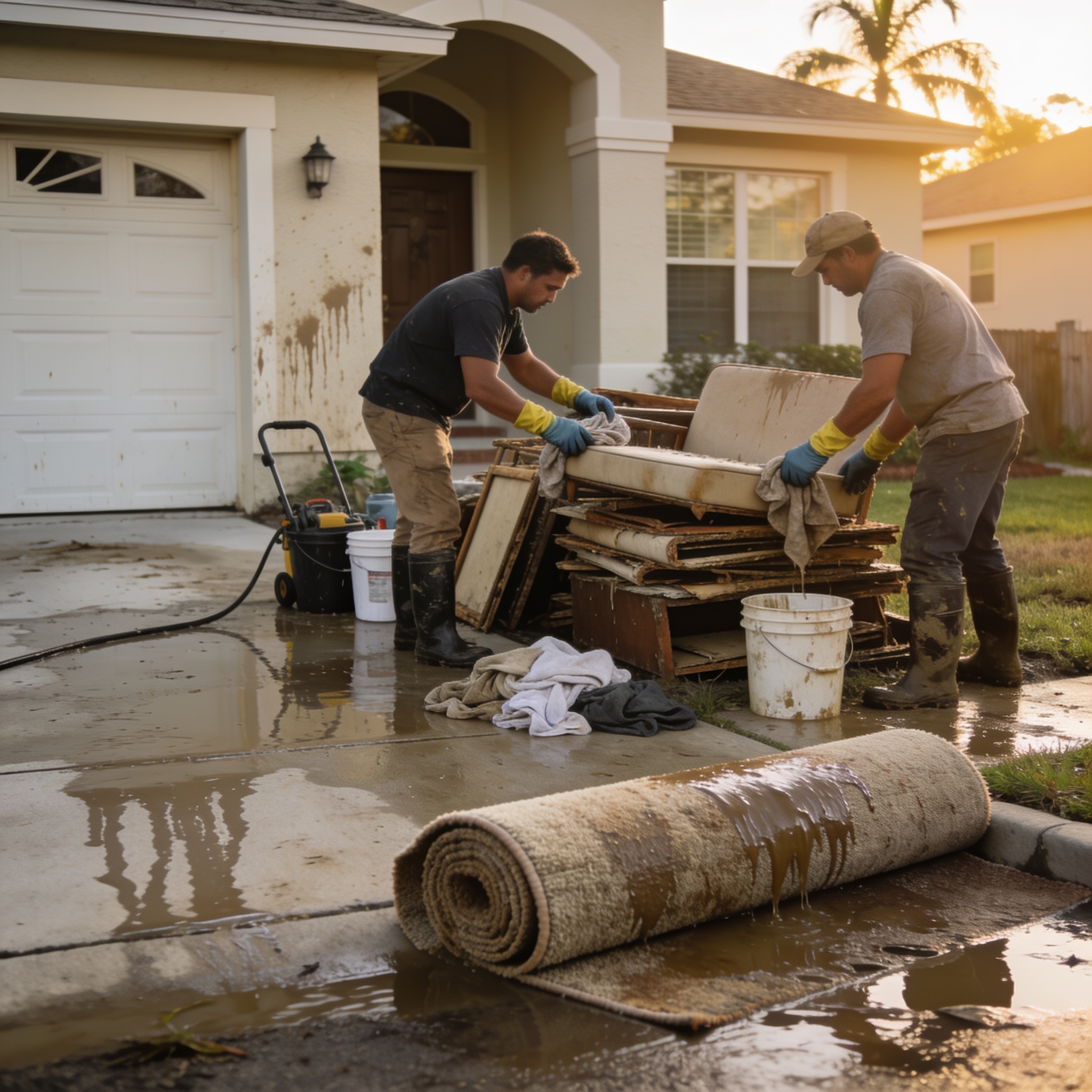
- Prioritize personal safety by wearing protective gear, such as goggles and an N-95 face mask, before entering a flooded house.
- Document all flood-damaged property with photos and videos before beginning any clean-up efforts.
- Remove standing water and saturated materials like drywall and insulation immediately.
- Clean and disinfect surfaces using a bleach solution to prevent bacterial contamination.
- Call your insurance company and consult resources from HUD early to understand the scope of your flood insurance policy.
What is the best way to clean up your home after a flood?
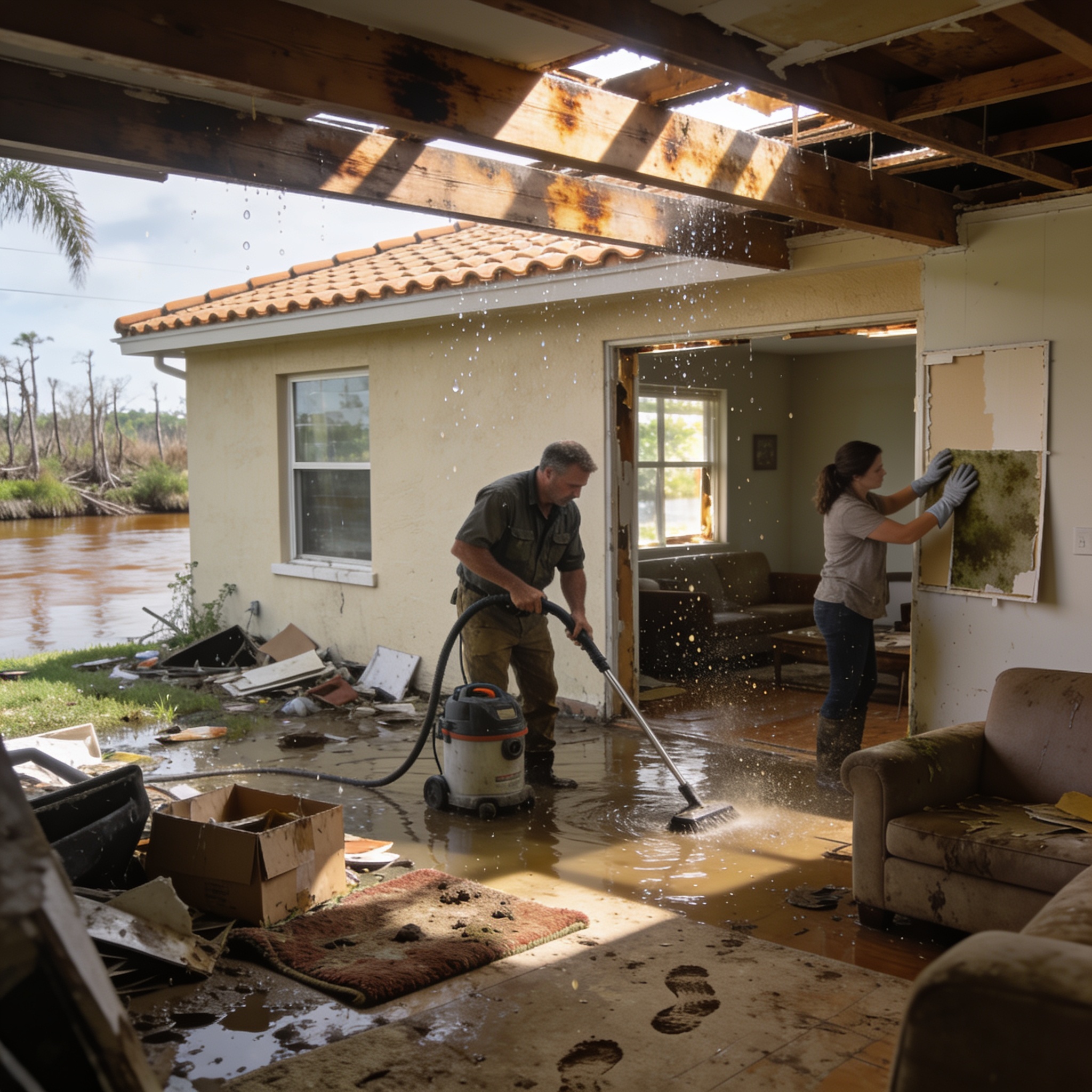
The most efficient way to clean up your home is to follow a systematic approach that prioritizes drying the structure and removing porous materials. Start by ensuring the electricity and gas are turned off at the main breakers to prevent electrocution or fire hazards. Avoid standing in water while checking electrical systems, as this poses a severe risk of shock. Once the area is safe, remove all standing water using pumps or wet-dry vacuums. After the water is gone, remove all wet drywall and insulation that has been contaminated with floodwater, as these materials act as sponges for bacteria and mold. Following a flood, it is essential to prioritize the cleaning and sanitizing of the structure to prevent secondary damage. If you need physical assistance, organizations like Team Rubicon often provide support to residents in the wake of disasters.
What safety precautions should you take during flood cleanup?
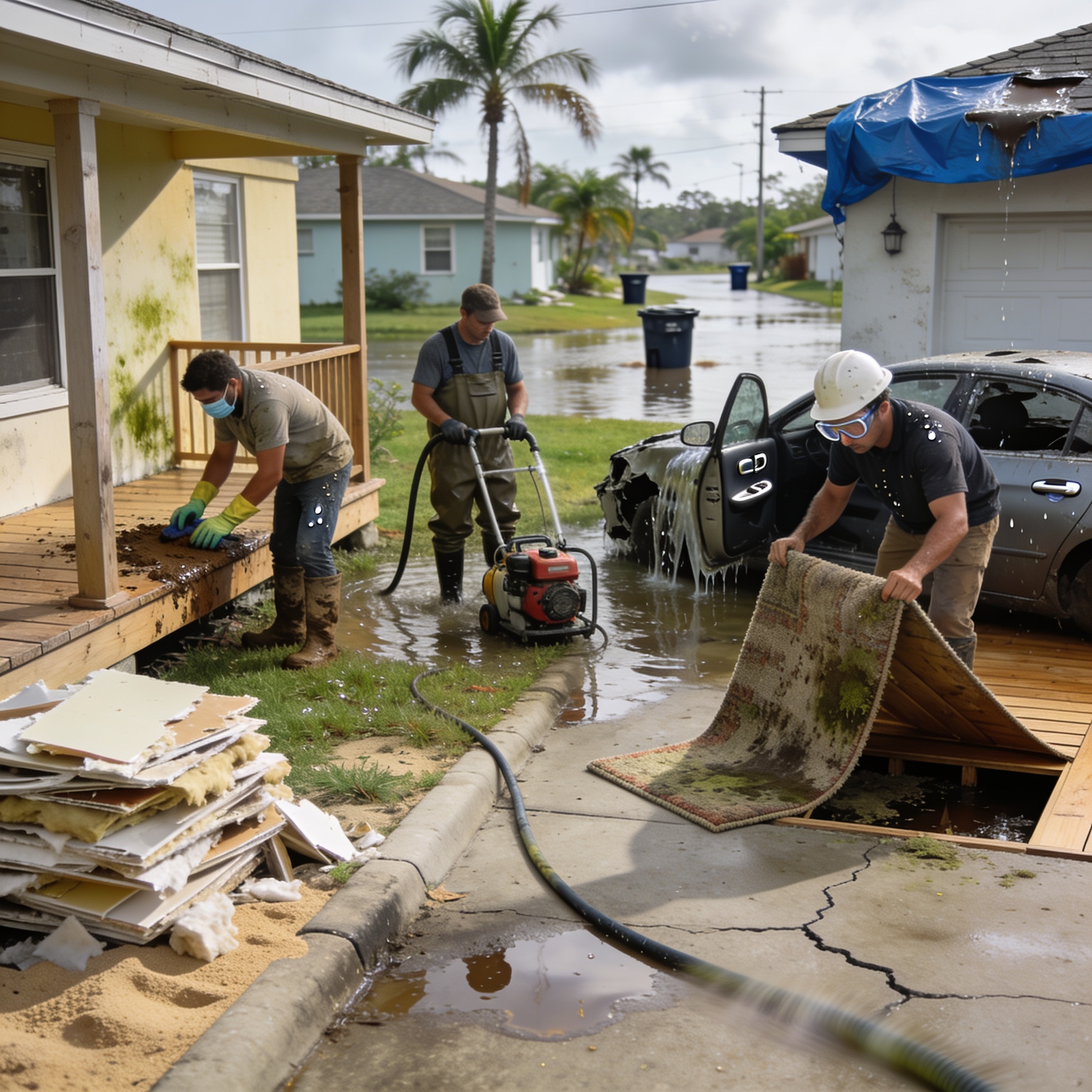
You must wear personal protective equipment at all times to avoid exposure to bacteria, sewage, and debris found in floodwater. Floodwater contains various pathogens, so always wear rubber boots, wear rubber gloves, and eye protection to prevent skin contact with contaminated items. If you are working in an area with potential mold, wear an N-95 respirator to protect your indoor air quality. Never enter a flooded house if there is a risk of structural collapse or if you smell gas to avoid carbon monoxide poisoning. Always check with your local department of health for guidance on handling materials that have been submerged in potentially hazardous water.
What dries up water quickly during the drying process?
The fastest way to dry a home is to combine high-velocity air movers with commercial-grade dehumidifiers to pull moisture from the air and materials. Open all doors and windows to encourage cross-ventilation, provided the outdoor humidity is lower than the indoor humidity. Use fans to circulate air, but avoid using them if you suspect mold spores are already present, as this can spread contamination. For persistent moisture in subfloors, specialized drying mats may be required. Professional Water Damage Restoration services often use thermal imaging to detect hidden moisture behind walls that standard fans cannot reach. Ensure all gas-powered equipment is safe to use outdoors only to prevent dangerous fume buildup.
What items should you discard or try to save after a flood?
Any porous material that has been soaked by contact with floodwater containing sewage or chemicals must be discarded to prevent health risks. Items like mattresses, upholstered furniture, carpeting, and particle-board furniture are generally not salvageable and need to be discarded. We categorize these as items that cannot be washed and disinfected effectively. Some textiles may be cleaned in a washing machine if they were not heavily soiled, but many items that cannot be washed need to be removed. Solid wood furniture might be salvageable if it is cleaned, disinfected, and dried slowly to prevent warping. Non-porous items like metal, plastic, or glass can usually be salvaged if they are thoroughly scrubbed with a detergent solution. Always consult with a professional before deciding to keep items that were submerged in deep floodwater.
What cleaning products should you use for flood recovery?
The most effective solution for disinfecting non-porous surfaces is to use a solution of one teaspoon of household bleach per 1 gallon of water. Before using this mixture, wash the surface with soap and water to remove dirt and silt. Always wash your hands with soap after handling contaminated items. Never mix bleach with ammonia or other household cleaners, as this creates toxic gases that are dangerous to inhale. If you are cleaning sensitive surfaces, use a mild detergent instead of harsh chemicals. Always test a small, inconspicuous area first to ensure the cleaning agent does not cause discoloration.
How do you prevent mold growth after a flood?
Preventing mold growth requires keeping indoor humidity below 50% and removing all wet, organic materials within 48 hours. Mold spores are ubiquitous in the Florida environment and will colonize any damp surface rapidly. Use a HEPA-filtered vacuum to remove dust and debris that can serve as food for mold. If you notice a musty odor, it is a sign that mold remediation may already be necessary. Proper Water Damage Restoration management is the only way to ensure your home remains safe for occupancy. All HVAC systems should be cleaned and checked by a professional before being turned back on.
How do you document flood damage for insurance claims?
You must document every piece of damage with high-resolution photos and videos before you start any cleanup activities. Create a detailed inventory of all contaminated items, including their approximate age and value. Keep a log of all communications with your insurance adjuster and save all receipts for emergency repairs. This documentation is essential for your flood insurance claim process. Call your insurance company as soon as it is safe to do so to initiate the claim and determine what you may be able to save.
When should you hire professionals for flood cleanup?
You should hire a professional whenever the floodwater is contaminated with sewage or if the water has been standing for more than 48 hours. Professionals have the specialized training and equipment, such as moisture meters and commercial-grade disinfectants, to handle complex cleanup. They can also perform air quality testing to ensure the home is safe to inhabit. Attempting to handle large-scale contamination without proper training can lead to significant health risks and incomplete remediation.
What can you use instead of sandbags to stop water?
Modern flood barriers, such as water-activated flood bags or portable flood gates, are more effective and easier to deploy than traditional sandbags. These products expand upon contact with water to create a heavy, watertight seal against thresholds. They are particularly useful for homeowners in flood zones who need a quick, temporary solution to prevent water from entering a home. Ensure that any barrier you choose is rated for the depth of water you expect to encounter.
What is the 100-year flood rule and why does it matter?
The 100-year flood rule refers to a statistical probability, not a timeline, meaning there is a 1% chance of a flood of that magnitude occurring in any given year. This designation is used by FEMA to determine flood insurance requirements and building codes in high-risk areas. Living in a 100-year flood zone does not mean you are safe for 99 years after a flood; it means your risk is persistent. Understanding your property’s flood zone status is vital for long-term financial planning and disaster preparedness in Southwest Florida.
Frequently asked questions
These answers address common concerns regarding the recovery process following a major flood event.
Can I use bleach on everything to kill mold?
Bleach is effective on non-porous surfaces, but it is not recommended for porous materials like drywall or wood because it cannot penetrate the surface to kill the root of the mold. Items that cannot be cleaned need to be discarded.
Is it safe to return to my home immediately after the water recedes?
It is only safe to return once local authorities have declared the area clear of hazards, including downed power lines, gas leaks, and structural instability.
How much household bleach per 1 gallon of water is safe for disinfecting?
The standard recommendation for a disinfectant solution is one teaspoon of household bleach per 1 gallon of water, applied to pre-cleaned surfaces.
What should I do if I find mold behind my walls?
If you find mold behind walls, you should call a professional for mold remediation, as disturbing the area can release spores into your indoor air quality.
| Task | Priority Level | Recommended Action |
|---|---|---|
| Electrical Safety | Immediate | Turn off main power |
| Water Removal | High | Pump out standing water |
| Debris Removal | High | Discard items that need to be removed |
| Disinfection | Medium | Clean surfaces with clean water and bleach |
See also: water damage restoration near me
Our editorial team verifies licensing and reviews for every restoration company in the directory and writes practical, Florida-specific guides to help homeowners act fast and protect their insurance claims after water, fire, mold or storm damage.