Damage From Category 5 Hurricane: Understanding the Devastation
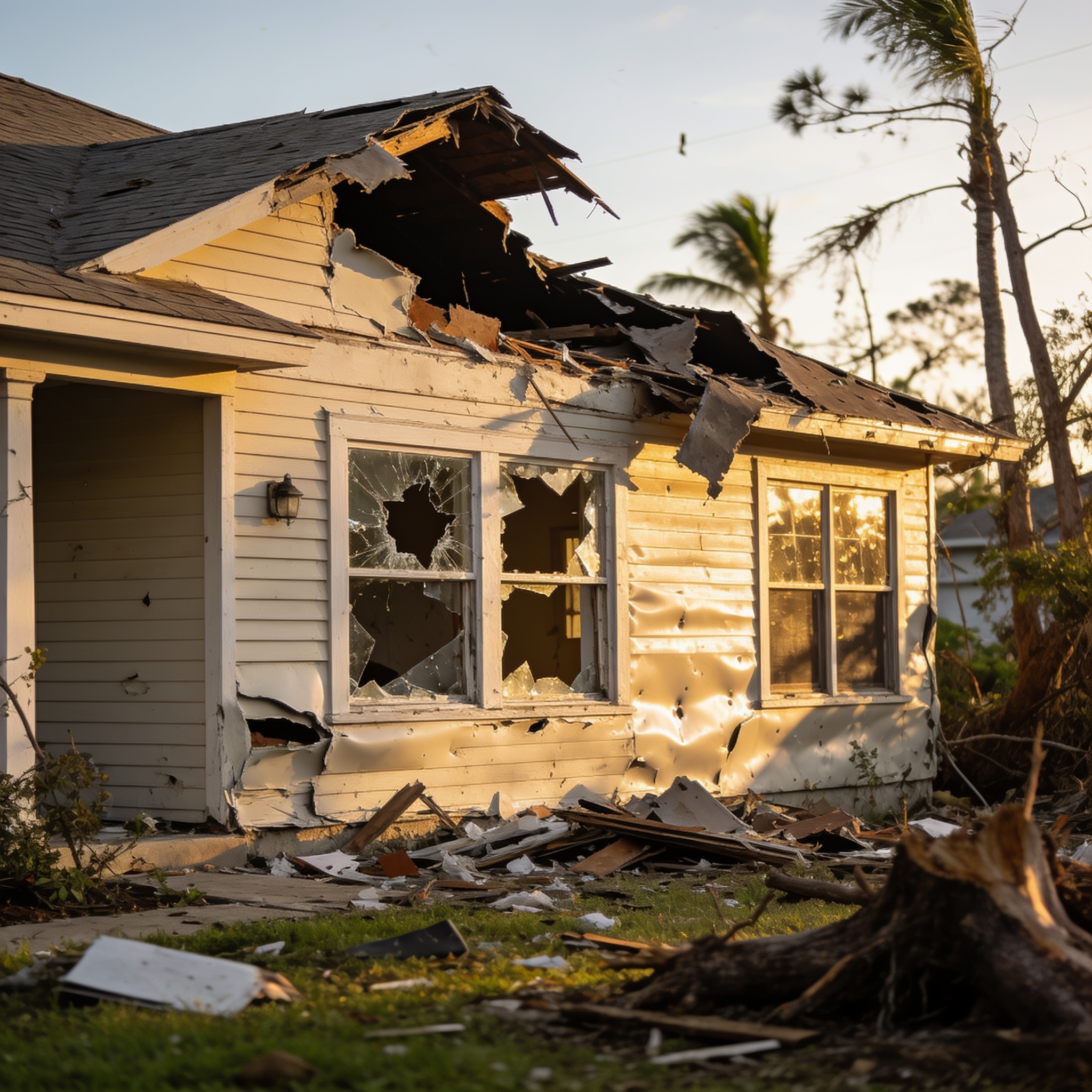
The total financial impact of a category 5 hurricane often exceeds $100 billion in damage, as this level of storm causes catastrophic destruction that renders homes uninhabitable for several days to weeks. Understanding the hurricane intensity of a category 5 hurricane is essential for residents in South Florida, where the risk of a major tropical cyclone is a constant reality during hurricane season. Proper preparation and knowledge of the saffir-simpson hurricane wind scale are the primary factors in mitigating long-term property damage.
Key Takeaways
- A category 5 hurricane packs sustained wind speeds of at least 157 mph.
- The saffir-simpson hurricane wind scale categorizes storms from 1 to 5 based on wind intensity.
- Storm surge and rainfall often cause more long-term structural damage than wind alone.
- Residents in Lee, Collier, and Charlotte counties must prioritize evacuation orders to avoid significant loss of life.
- Post-storm recovery often requires professional water damage restoration sanibel services to address flooding.
What Is the Saffir-Simpson Hurricane Wind Scale and How Are Hurricane Categories Determined?
The saffir-simpson hurricane wind scale is a 1 to 5 rating based on a hurricane’s maximum sustained wind speed. This hurricane scale estimates potential property damage and helps emergency management officials coordinate disaster recovery efforts. The National Hurricane Center utilizes this metric to communicate the threat level of a tropical cyclone to the public, noting that major hurricanes can cause catastrophic devastation. Notably, the lowest tier on this wind scale is a 1, which can still cause significant structural issues.
What Are the Wind Speeds for Each Hurricane Category 1 to 5?
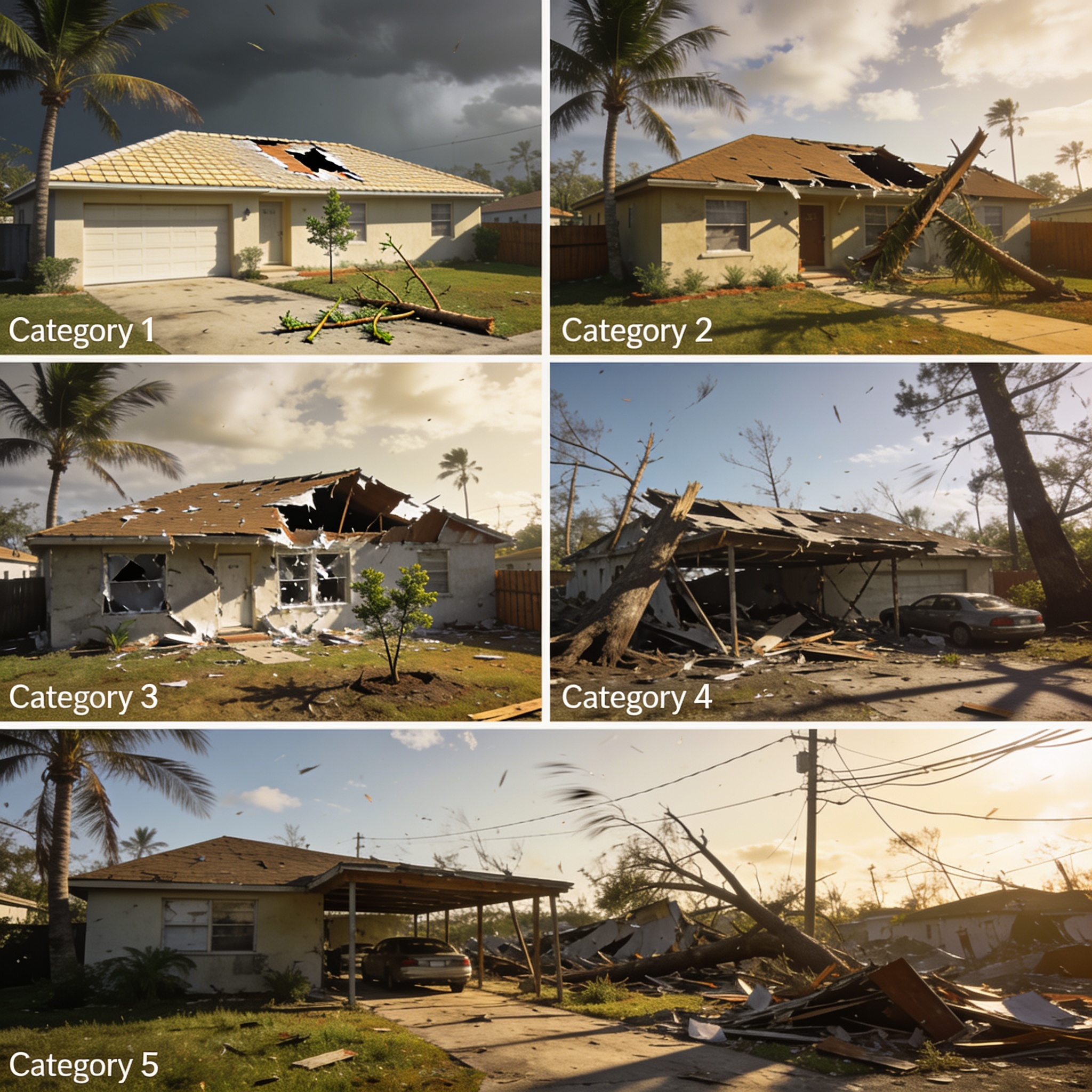
Understanding the five categories of hurricanes requires looking at the specific wind thresholds established by meteorologists. Each category represents a significant increase in potential destruction for residential and commercial structures, including the risk that trees may uproot or snap. While a category 1 storm is the weakest, it can still cause major damage to roofs and siding.
| Category | Sustained Wind Speed (mph) |
|---|---|
| Category 1 | 74–95 mph |
| Category 2 | 96–110 mph |
| Category 3 | 111–129 mph |
| Category 4 | 130–156 mph |
| Category 5 | 157 mph or higher |
| Reference | See list of category 5 storms for historical context |
How Do Category 5 Hurricanes Form During Hurricane Season?
A category 5 hurricane forms when a tropical cyclone encounters ideal environmental conditions, specifically warm ocean waters and low vertical wind shear. These storms draw energy from the heat of the ocean surface, which acts as fuel for the system. As the pressure drops and the eye becomes well-defined, the storm can rapidly intensify into a category 5 monster. When these systems made landfall in south regions, they often cause extensive damage to coastal infrastructure.
What Hurricane Damage Would a Category 5 Hurricane Cause Beyond Just Rainfall?
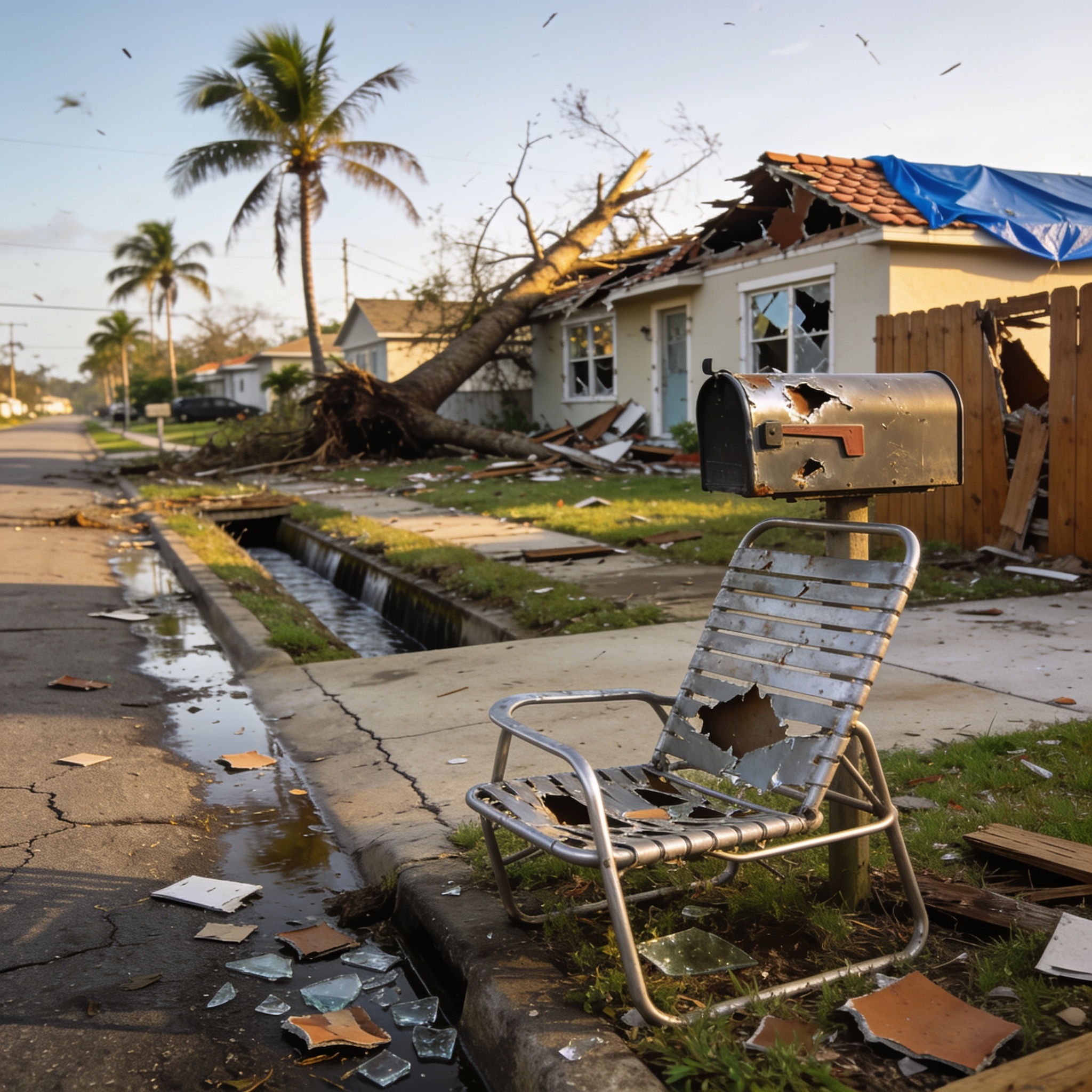
Beyond the immediate impact of high-velocity winds, a category 5 hurricane produces a life-threatening storm surge and rainfall that can destroy entire coastal communities. The resulting water damage often requires specialized services like water damage restoration sanibel to remediate saturated building materials. Even well-constructed homes may sustain extensive damage and wall collapse when exposed to the sustained force of such a storm. Most of the area will be uninhabitable for weeks or months due to the destruction of trees and power lines, leading to near-total power outages.
Has a Category 5 Hurricane Ever Hit the US — and Which Storms Made Landfall?
Only a small number of 5 hurricanes have made landfall in the United States since records began. Notable examples include hurricane michael, which struck the Florida Panhandle with devastating force, and hurricane rita, which impacted the Gulf Coast. Historically, only a few category 5 hurricanes have made landfall in the U.S. These events serve as a sobering reminder that hurricane damage is not limited to the coast but extends deep inland, where fallen trees and damaged power poles can block emergency routes.
What Category Was Hurricane Katrina and How Does It Compare to the Five Categories?
Hurricane Katrina was a category 3 hurricane at the time of its second landfall in the United States, despite having reached category 5 status earlier in its life cycle over the Gulf of Mexico. While its wind speed decreased before striking land, the massive storm surge caused catastrophic damage to the levee system in New Orleans. Comparing the five categories helps residents understand that even category 2 hurricanes or category 3 and higher storms can cause significant, life-altering destruction.
Is There a Category 6 on the Saffir-Simpson Hurricane Wind Scale?
There is no official category 6 hurricane on the current scale, as the system is capped at category 5. Some researchers have proposed adding a higher category to describe storms with winds exceeding 190 mph, but the National Hurricane Center maintains the current five categories of hurricanes. Regardless of the label, any storm reaching category 5 strength is considered a catastrophic event that requires immediate evacuation.
How Can You Prepare for a Category 5 Hurricane Before It Strikes?
Disaster preparedness is the most effective way to minimize the financial and emotional toll of a major hurricane.
- Secure all outdoor furniture and debris that could become projectiles in high winds.
- Install impact-resistant windows or high-quality storm shutters to prevent total roof failure.
- Create a comprehensive emergency kit that includes enough supplies for at least one week.
- Review your insurance policy to understand your coverage for wind versus water damage.
- Identify your local evacuation zone and have a pre-planned route for leaving the area.
Professional restoration services are essential for addressing the aftermath of a major storm, especially when dealing with hidden water damage. If your property is impacted, contact experts in water damage to begin the drying process as soon as it is safe to return. Documenting every piece of property damage with photos and videos is vital for your insurance claim process. Always prioritize your safety over the protection of physical assets during the peak of the hurricane season.
Frequently asked questions
These common inquiries address the most pressing concerns regarding severe storm events in Southwest Florida.
What is the difference between a hurricane watch and a warning?
A hurricane watch means hurricane conditions are possible within 48 hours, while a warning means those conditions are expected within 36 hours.
How does storm surge impact property values?
Storm surge causes significant water damage that can lead to long-term mold growth and structural decay, often decreasing property value if not remediated by professionals.
Why are mobile homes more vulnerable to wind damage?
Mobile homes lack the structural integrity of site-built homes, making them susceptible to being overturned or destroyed by even a category 1 hurricane.
What should I do if my home is flooded?
Do not enter a flooded home until local authorities declare it safe, then contact a professional team for water damage assessment and remediation.
How long does it take for power to be restored after a category 5 storm?
Power outages following a major hurricane can last for several weeks, as the destruction of power lines and poles requires a total rebuild of the local grid.
See also: Water Damage Restoration
See also: Water Damage Restoration
See also: Water Damage Restoration
Our editorial team verifies licensing and reviews for every restoration company in the directory and writes practical, Florida-specific guides to help homeowners act fast and protect their insurance claims after water, fire, mold or storm damage.