Cost of Flood Elevation Certificate: What You Need to Know
The average cost of a flood elevation certificate in Southwest Florida ranges between $500 and $1,500 depending on the property’s size and complexity. Securing this document is a critical step for any homeowner looking to accurately assess their home’s flood risk and potentially optimize their annual insurance premiums under the national flood insurance program. Understanding your total flood insurance cost is essential when budgeting for homeownership.
Key Takeaways
- The elevation certificate provides essential data regarding your home’s elevation in relation to the bfe.
- Prices for an elevation certificate vary based on the surveyor’s travel time and the specific terrain of your property.
- FEMA flood data is used to determine your property’s placement within a special flood hazard area.
- Many homeowners in Lee, Collier, and Charlotte counties utilize these documents to verify their home’s elevation compared to local floodplain standards.
- While flood insurance policies are mandatory in a special flood hazard zone, having an elevation certificate on file can sometimes influence your insurance cost and help you save money on your flood insurance premiums.
What is a flood elevation certificate?
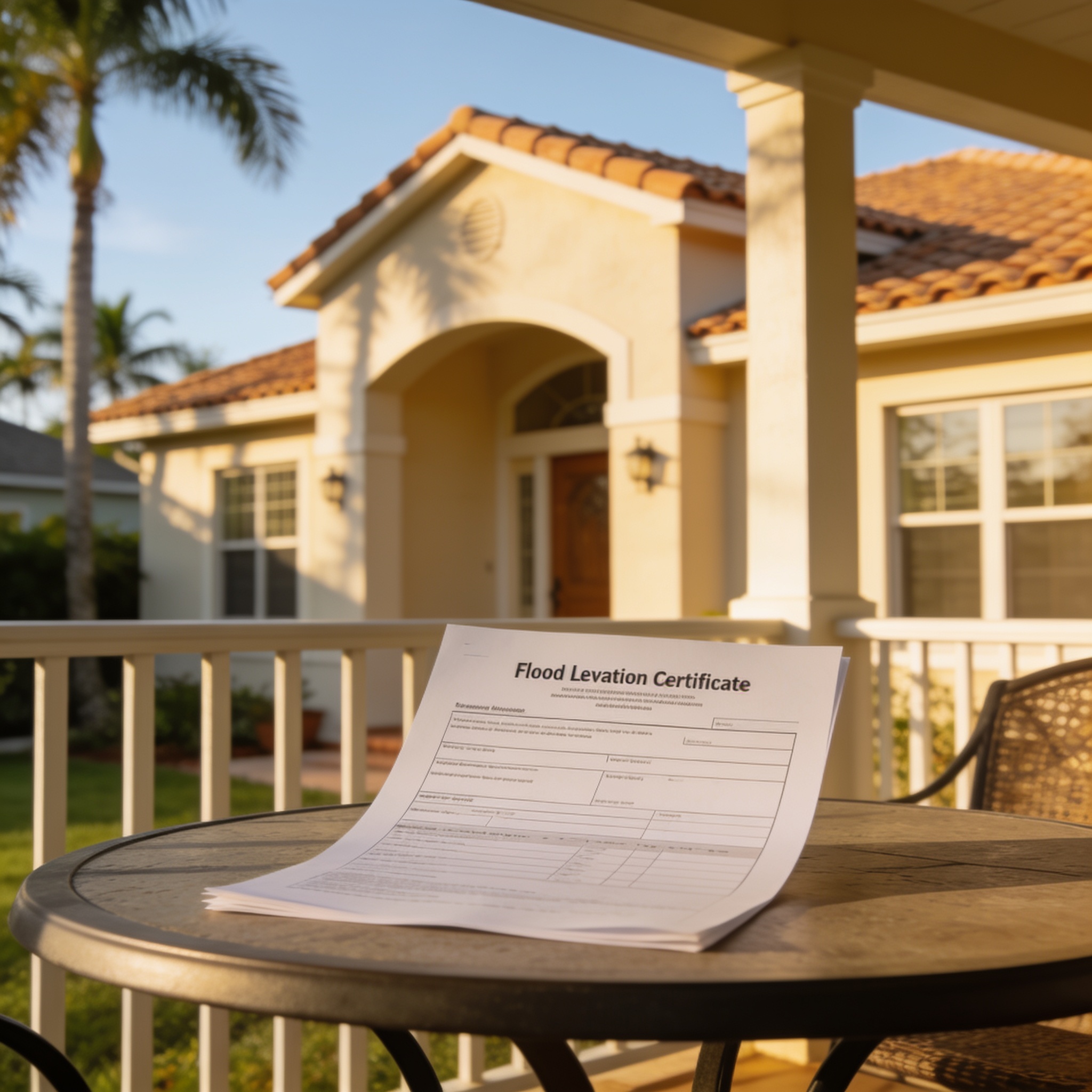
A fema flood elevation certificate is a document that provides critical elevation information about a building to determine the proper flood insurance premium rate. It certifies the lowest floor elevation of a structure compared to the base flood elevation established by the federal emergency management agency. This data is vital for floodplain management and helps determine if you live in a flood area. If you have experienced water intrusion, you may also need water damage restoration near me to address immediate structural concerns. Most insurance companies offer guidance on how these documents help cover damage from flooding.
Who needs an elevation certificate, and when is it required?
Property owners who live in a high risk flood zone are often required to get an elevation certificate to determine their accurate flood insurance rates. You will likely need an elevation certificate when you purchase a flood insurance policy, apply for a mortgage, or renew your home insurance policy. Local authorities in a city or county like Sanibel may require this documentation for new construction. Additionally, you may also be required to obtain this document if you are performing substantial improvements. If you are dealing with recent storm impacts, consider professional Water Damage Restoration to stabilize your property.
How much does a flood insurance rate cost?
The total cost of a flood elevation certificate is determined by the professional surveyor’s time, equipment usage, and the complexity of the site. You will need to hire a professional to assess the risk of flooding accurately. Under the new risk rating 2.0 methodology, having this data helps you money on your flood insurance by providing granular detail to underwriters. Most homeowners should budget for a professional service fee that reflects the precision required to certify elevation information.
How much does it cost to get an elevation certificate in Florida?
Florida residents typically pay between $600 and $1,200 for a standard residential elevation certificate provided by a licensed land surveyor. Costs in coastal areas like Punta Gorda may fluctuate based on local demand and the density of the floodplain. For those seeking assistance after a storm, finding reliable Water Damage Restoration services is just as important as managing your insurance documentation. Always request an elevation certificate quote from a professional land surveyor before authorizing the work.
How do I obtain an elevation certificate?
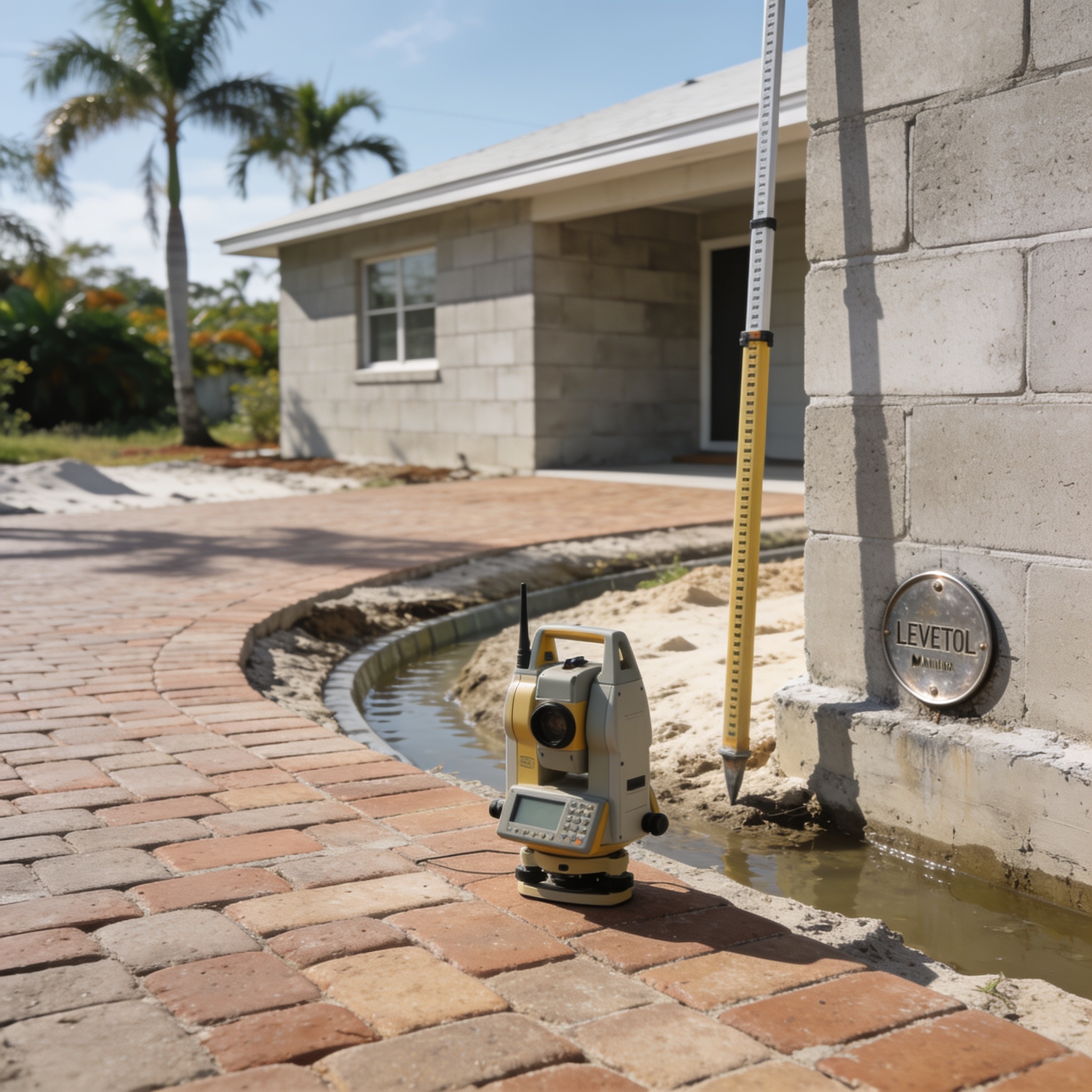
To obtain an elevation certificate, you must hire a certified architect who is authorized by law to certify elevation information. These professionals will visit your property to measure the elevation of the lowest floor, basement or crawl space, and the surrounding grade. Once the survey is complete, they usually provide the finalized report within five business days. Check with your local floodplain manager to see if a new elevation certificate or a previous one is already on file for your specific address.
How long does it take to get an elevation certificate?
The turnaround time to get an elevation certificate usually spans between one and three weeks from the date of the site visit. This timeline accounts for the time spent on-site by the surveyor and the subsequent data processing required to finalize the document. Complex properties or those in heavily regulated floodplain areas may require additional time for administrative review. Planning ahead is essential if you are closing on a home or renewing your flood insurance coverage.
How does an elevation certificate affect potential flood risk?
FEMA uses the elevation certificate to calculate your home’s flood risk, which directly influences your annual flood insurance premium. By comparing your home’s elevation to the BFE, the program determines the likelihood of potential flood damage. A property built higher than the BFE generally presents a lower risk, which can be advantageous for your insurance profile. Having an accurate document on file ensures you are not overpaying based on incorrect flood map assumptions.
Can I pay less for flood insurance?
Providing an accurate elevation certificate can help you pay less for flood insurance if your home is elevated above the required base flood elevation. While the NFIP has shifted toward new rating methodologies, the elevation certificate can be used as a vital component of your property’s profile to lower your flood insurance rates. You should consult with your insurance agent to determine if your specific situation allows you to lower your flood insurance premiums. Always ensure your documentation is current, as outdated certificates may not reflect recent structural improvements.
Do I need an nfip flood insurance policy?
You can buy flood insurance without an elevation certificate, but you may lose the opportunity to potentially pay less for flood insurance. Without this document, your insurance provider might default to a higher-risk rating based solely on your flood zone, which could result in a higher premium. While not always mandatory for every policy, having the certificate to get flood insurance is a proactive way to manage your home insurance costs. Consult with your provider to see if the cost of the survey is offset by the potential long-term savings on your premiums.
Frequently asked questions
Common inquiries regarding the elevation certificate process help homeowners navigate the complexities of flood insurance and property management.
Does my elevation certificate expire?
An elevation certificate does not technically expire, but it may become invalid if the property has undergone structural changes or if the local flood map has been updated. Note that some older elevation certificates are no longer required under specific new rating systems.
Can I use a neighbor’s elevation certificate?
No, you cannot use a neighbor’s elevation certificate because the document is specific to the unique elevation of your individual structure and lot.
Who is authorized to sign an elevation certificate?
Only a licensed land surveyor, professional engineer, or architect who is authorized by law to certify elevation information can sign the document.
What if I live in a high-risk flood zone?
If your home is in a high-risk flood zone, you are likely required to get an elevation certificate to determine your NFIP flood insurance rates. You will need an elevation certificate to get flood insurance coverage that accurately reflects your property’s elevation. Note that in some scenarios, certificates are no longer required for specific rating adjustments, though they might have been required in the past.
| Factor | Impact on Cost |
|---|---|
| Property Complexity | High |
| Surveyor Travel Distance | Medium |
| Existing Records | Low (potential savings) |
| Local Permit Compliance | May also be required |
Our editorial team verifies licensing and reviews for every restoration company in the directory and writes practical, Florida-specific guides to help homeowners act fast and protect their insurance claims after water, fire, mold or storm damage.