What Kills Black Mold on Concrete: Effective DIY Removal Methods
The most effective way to kill black mold on concrete is by using a specialized EPA-registered fungicide or a solution of 1 part bleach to 10 parts water, which eliminates the fungal growth on the porous surface. In Southwest Florida, high humidity levels often necessitate professional mold remediation to ensure the structural integrity of your home remains intact. Addressing moisture intrusion immediately is the decisive factor in preventing long-term damage to your property.
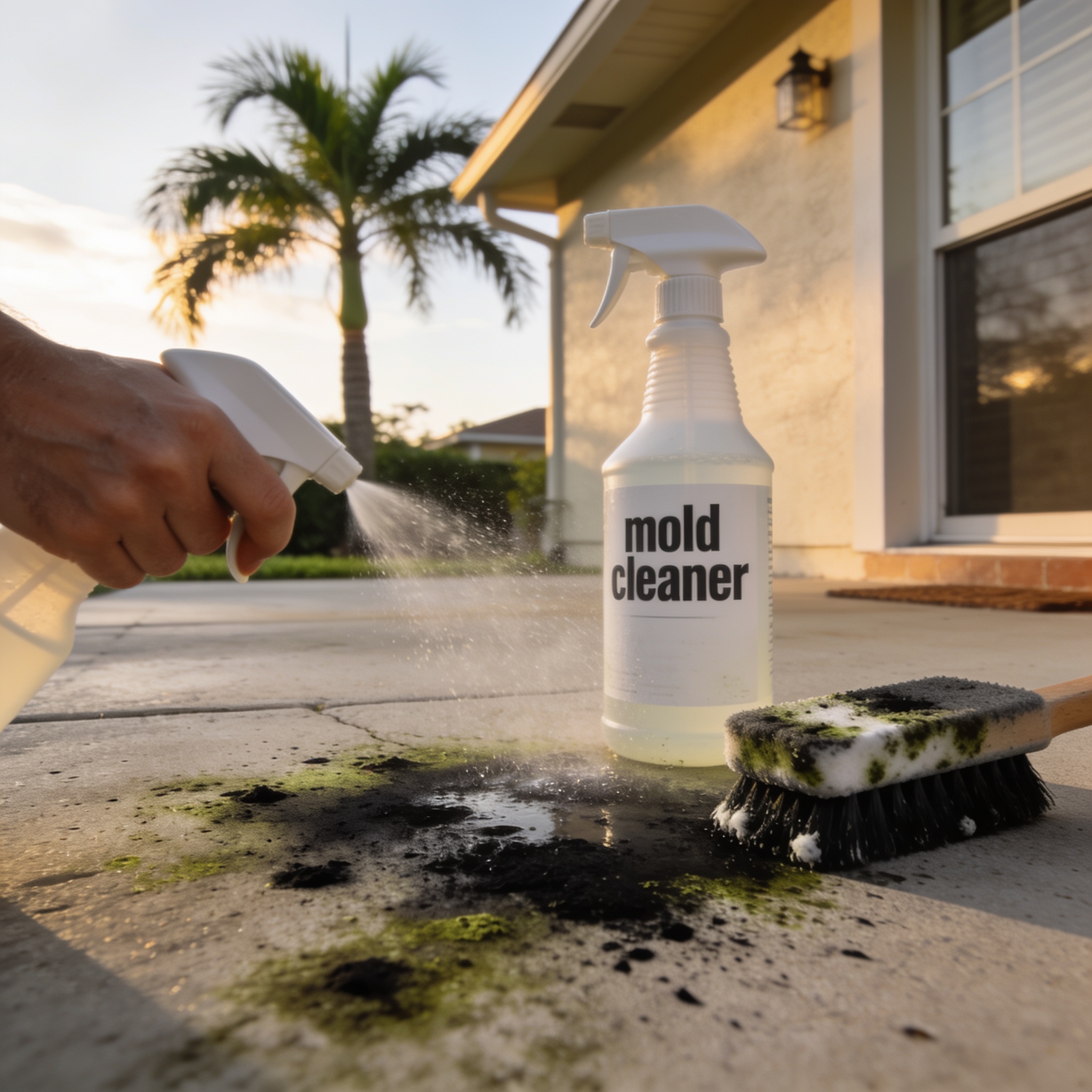
Key Takeaways
- Concrete is porous, meaning mold spores can penetrate deep into the material.
- Bleach is effective on the surface, but fungicides are better for deep root penetration.
- Humidity control is essential for preventing regrowth in Florida’s climate.
- Always wear protective gear when handling mold to avoid inhaling spores.
- Professional intervention is required if the mold covers a large area.
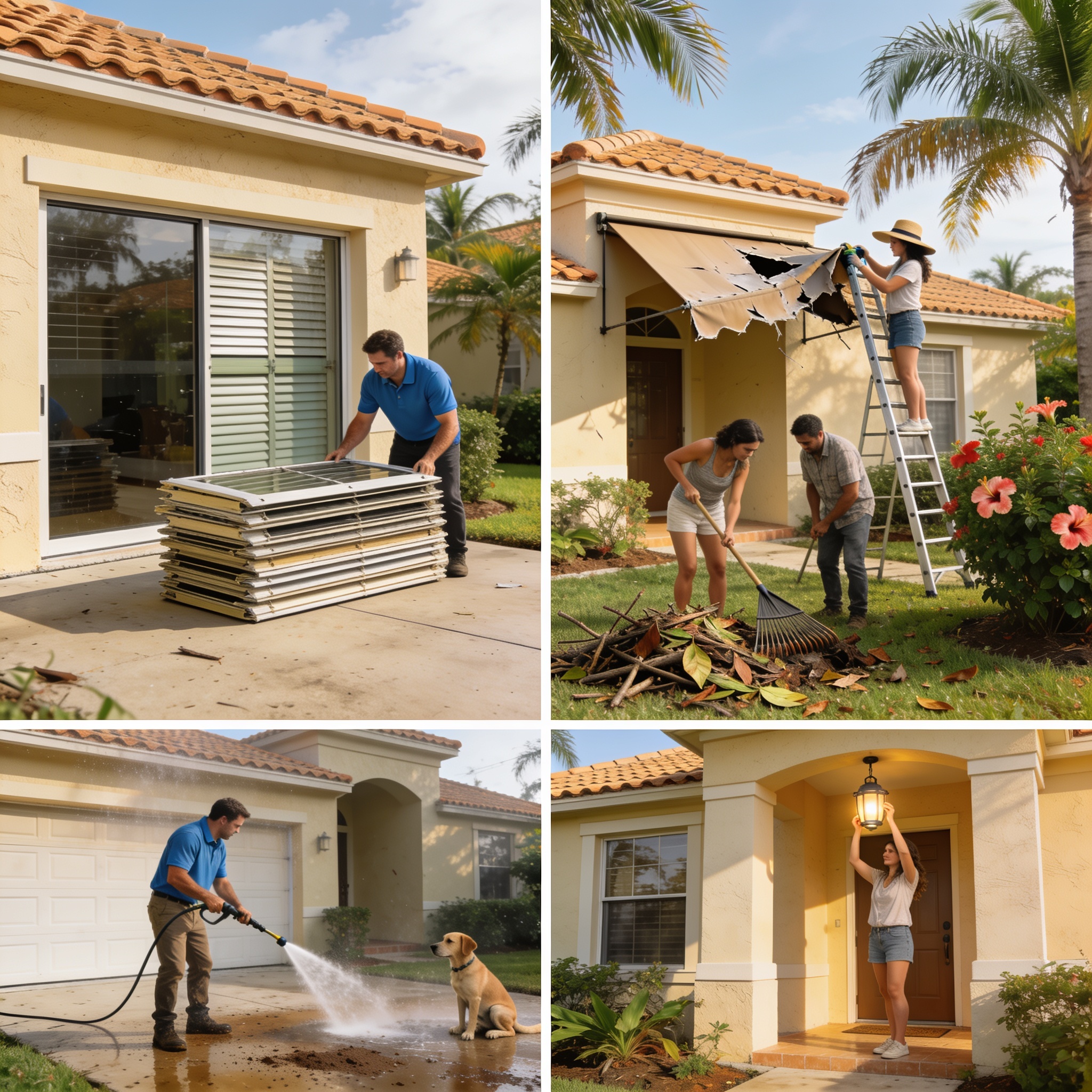
5 Step Removal Checklist
Following a structured process ensures you effectively remove mold while protecting your health.
- Step 1: Seal off the affected area with plastic sheeting to prevent spores from spreading indoors.
- Step 2: Wear protective gear, including an N95 respirator, gloves, and goggles, to stay safe during the process.
- Step 3: Apply your chosen cleaning solution to the concrete surface using a spray bottle or sponge.
- Step 4: Scrub the area thoroughly with a stiff brush to ensure the cleaner reaches the mold roots.
- Step 5: Rinse the surface with a garden hose and let it dry completely to prevent moisture buildup.
Can Black Mold Grow and Live in Concrete?
Concrete is a porous material that can easily host mold growth when moisture is present. While concrete itself is inorganic, the dust and debris that settle on it provide the organic material mold needs to thrive. In regions like Lee or Collier County, high water tables often lead to moisture wicking through a basement slab, creating an ideal environment for mold. If you have found mold on a concrete block foundation, you must act quickly to get rid of the infestation before it spreads to the frame of your home. Always check for signs of moisture indoors to ensure the problem isn’t spreading to other structural elements.
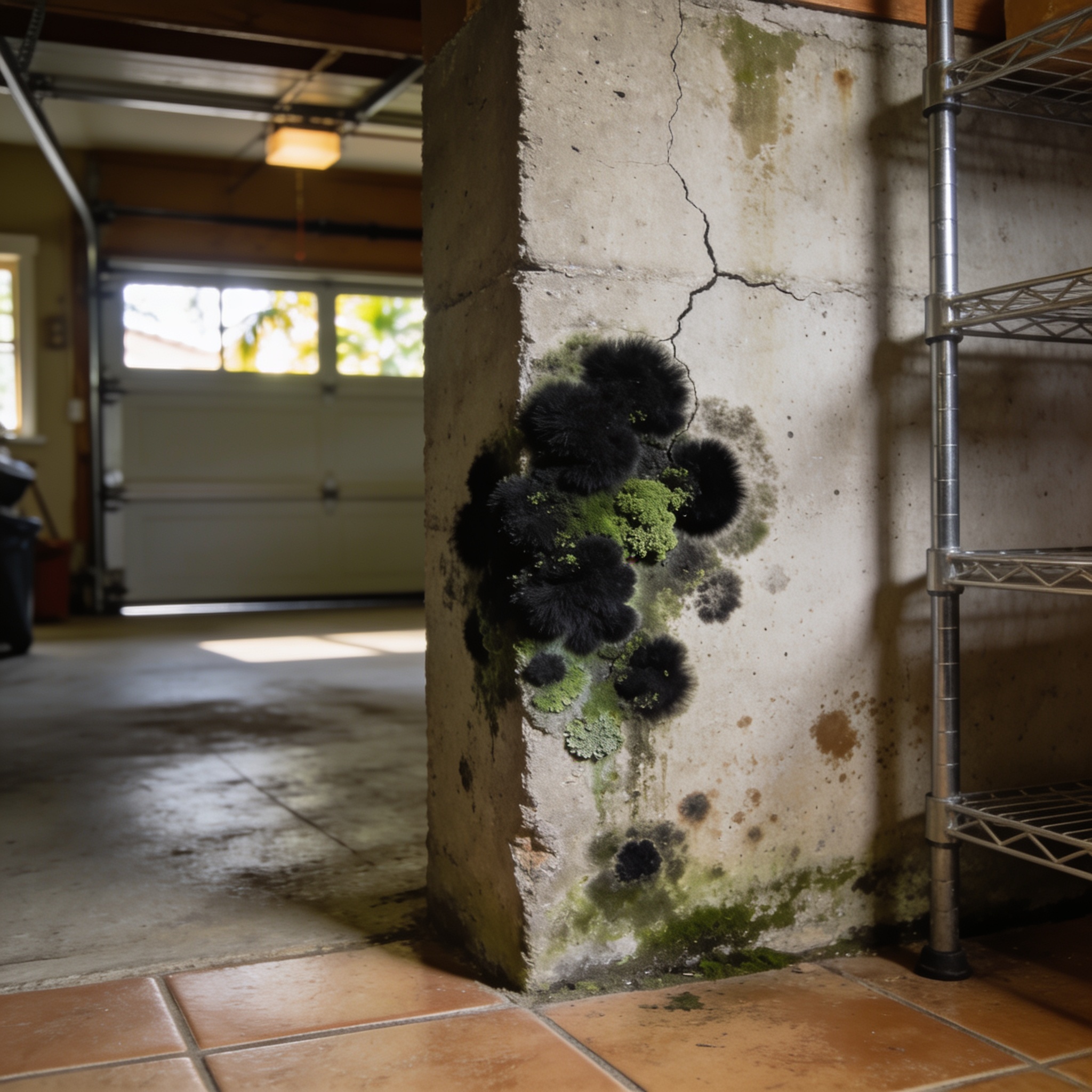
What Causes Mold to Grow on Concrete?
Excess moisture is the primary driver of mold growth on concrete surfaces. This often stems from high humidity, poor drainage around the foundation, or leaks in nearby drywall or wood framing. If you have experienced flooding, seeking Water Damage Restoration in Punta Gorda is critical to mitigate these risks before mold takes hold. If you notice a pool of water near a corner, it may be seeping through the concrete walls, requiring an immediate repair to the exterior barrier. Keeping the area dry is essential for preventing mold from returning to your old house foundation.
Is Mold on Concrete Dangerous to Your Health?
Mold exposure can trigger respiratory issues and allergic reactions in sensitive individuals. According to the EPA, all mold should be treated with caution, especially in an old house where ventilation might be poor. If you suspect extensive growth, consider professional Water Damage Restoration to safely assess the air quality. When mold is found indoors, it can quickly impact the air quality of your old house, necessitating prompt action.
What Supply Is Needed to Clean Mold and Mildew Off Concrete?
Preparation is key to a successful cleaning project. You will need a stiff brush, a spray bottle, protective eyewear, an N95 mask, and a high-quality cleaning solution. To kill the mold, you can use bleach in a bleach solution, but ensure you scrub the entire surface to reach deep into the block. If you are dealing with paneling attached to the concrete, you may need to remove it to expose the bare surface for proper treatment. Having the right supply on hand is vital for removing mold and mildew effectively.
What Are the Best Methods for Removing Mold from Concrete?
The best way to remove mold involves scrubbing with a detergent-based cleaner or a fungicide. After applying the solution, you must scrape away any stubborn debris and scrub the surface to lift the spores. Finally, rinse the area and let it dry to ensure the mold does not return. If you are working indoors, ensure proper ventilation to protect your health while you scrape and clean the entire surface.
Is Bleach or Vinegar Better for Killing Black Mold on Concrete?
Bleach is highly effective at killing surface mold on non-porous materials, but it may not penetrate deep into concrete. Vinegar is a mild acid that can kill some mold species but is less effective than specialized fungicides. For deep-seated growth, a professional-grade product is often the better choice. Whether you use vinegar or bleach, ensure you have the proper supply to manage mold and mildew safely.
Does a Vinegar and Water Mixture Effectively Kill Mold on Concrete?
Vinegar can kill some mold, but it is not a permanent solution for deep infestations in concrete. While it is a natural option, it lacks the chemical strength to neutralize deep root systems. It is best used for minor surface stains rather than heavy infestations. If you are cleaning an old house, you may need a stronger bleach solution to kill the mold permanently.
What Do Professionals Use to Kill Black Mold on Concrete?
Professionals often use EPA-registered fungicides like Concrobium to kill mold and prevent future growth. These products are designed to crush mold spores at the root level. They are safer and more effective than household bleach for long term remediation. Professionals also ensure that any mold and mildew found indoors is treated with the correct supply to prevent regrowth.
When Should You Call a Professional for Mold Removal on Concrete?
You should call a professional if the mold covers an area larger than ten square feet or if you suspect it has spread behind walls. Dealing with large-scale infestations requires specialized equipment to prevent spreading spores into the air. Experts can also identify the source of the moisture to stop the problem at its root. If you live in an old house, professional help is often the best recommendation to ensure the entire surface is remediated.
How Can You Prevent Black Mold from Growing on Concrete?
Maintaining low indoor humidity levels with a dehumidifier is the most effective way to prevent mold from returning to your concrete surfaces. Ensure your home has proper drainage and that all cracks are sealed to prevent water intrusion. Regular inspections of your basement walls can help you catch and fix moisture issues early. Keeping your indoors dry is the best long term strategy for any old house.
Frequently asked questions
Addressing common concerns helps homeowners maintain a healthy living environment.
Can I paint over mold on concrete?
Never paint over mold, as it will continue to grow beneath the surface and eventually ruin the paint.
How long does it take for mold to grow on wet concrete?
Mold can begin to grow on damp concrete within 24 to 48 hours if the moisture is not addressed.
Does a pressure washer kill mold?
A pressure washer can remove surface mold, but it does not kill the spores without the addition of a chemical cleaner.
Is efflorescence the same as mold?
Efflorescence is a white, powdery salt deposit, whereas mold is typically dark, fuzzy, and organic.
What is the best patch recommendation for cracks?
If you find cracks, use a hydraulic cement patch to seal the concrete and prevent future moisture entry. This is a vital recommendation for maintaining the structural integrity of your old house.
Our editorial team verifies licensing and reviews for every restoration company in the directory and writes practical, Florida-specific guides to help homeowners act fast and protect their insurance claims after water, fire, mold or storm damage.