What Does Black Mold Look Like? A Homeowner’s Visual Guide
Black mold typically appears as dark green or black, slimy, or soot-like patches on surfaces, and the decisive factor in identifying it is often the presence of persistent moisture in high-humidity climates like Southwest Florida. Understanding what black mold look like is the first step in protecting your property from the structural damage and health risks associated with a mold infestation. Because SWFL residents face unique challenges from tropical storms and high humidity, recognizing the visual signs early can save you thousands in potential restoration costs. If you see mold, it is vital to act quickly to prevent further spread. Understanding the amount of mold present is crucial, as even small colonies can indicate a larger, hidden black mold infestation. If you are concerned about the air quality in your home, professional mold testing can provide definitive answers regarding the presence of spores.
Key Takeaways
- Black mold often presents as dark, slimy, or powdery patches on porous surfaces like drywall.
- High humidity and water damage are the primary drivers for mold thrives in Lee, Collier, and Charlotte counties.
- Professional mold remediation is recommended if you suspect an infestation larger than 10 square feet.
- Health risks of black mold include respiratory symptoms and allergic reactions, particularly for those with asthma.
- Effective mold prevention requires controlling indoor moisture levels and ensuring proper ventilation.
What Does Black Mold Look Like and How Can You Identify It?
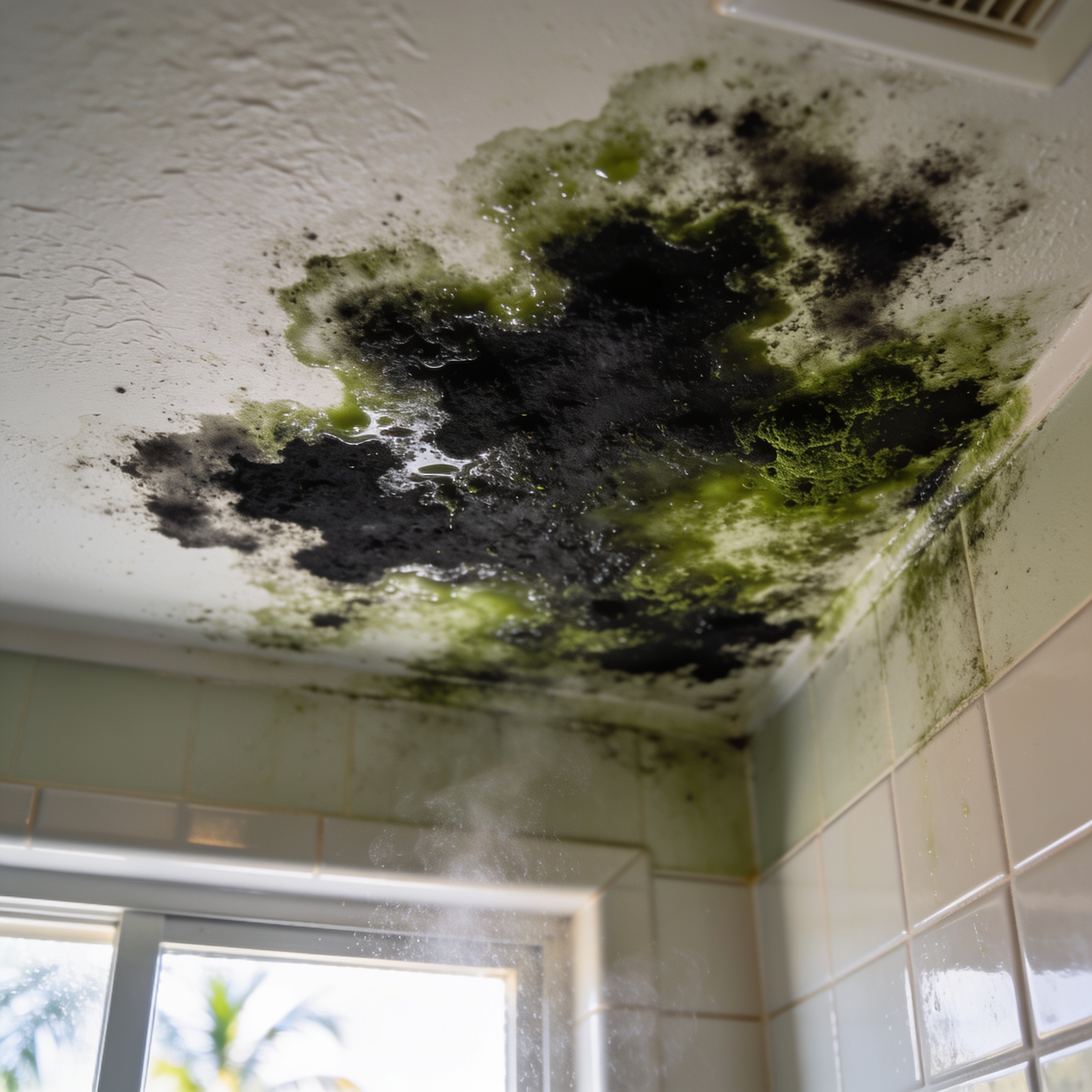
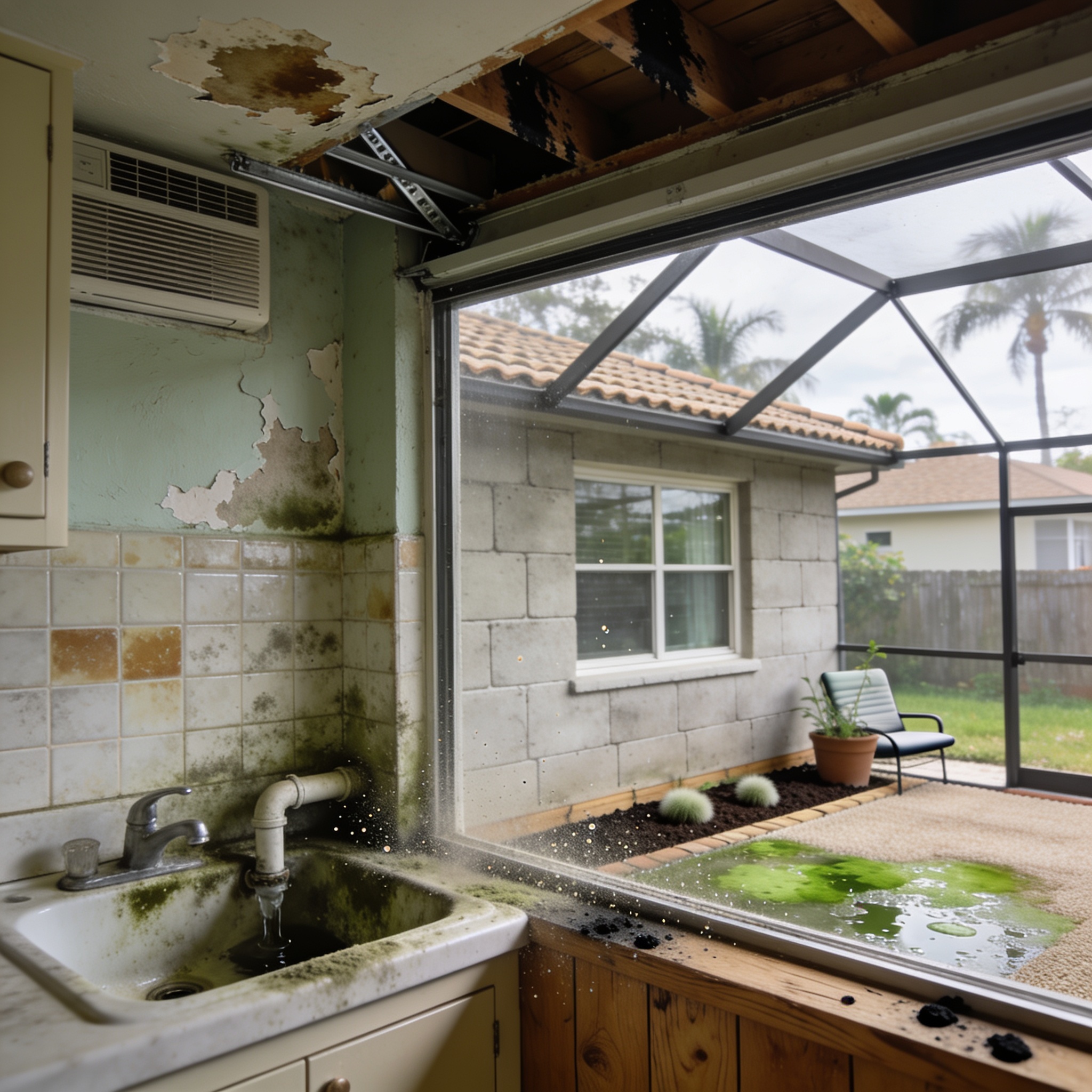
To identify black mold, you must look for dark, irregular patches that often feel slimy or appear powdery on damp surfaces. While many fungi can appear dark, Stachybotrys chartarum—the scientific name for toxic black mold—often has a distinct, wet, and gelatinous texture when it is actively growing. This type of mold is a common concern for property owners. Because black mold is a fungus that requires moisture, you will often find black patches in areas with hidden leaks. It is important to remember that not every mold species that happens to appear black is the same; however, possible black mold should always be treated with caution. Because black mold may trigger health issues, early identification is essential.
The 5 visual signs of black mold
- Dark, slimy patches: The mold colony often looks like a wet, dark green or black smear on surfaces like drywall or ceiling tiles.
- Powdery, soot-like texture: In drier environments, the mold may appear as a dry, dusty, or velvety black substance that easily rubs off.
- Irregular, blotchy growth patterns: Unlike neat circles, black mold often grows in uneven, spreading clusters that follow the path of moisture behind walls.
- Discoloration of surrounding materials: You may notice the paint bubbling, peeling, or turning a darker shade, which indicates that mold is growing beneath the surface.
- Visible water staining: The presence of black mold is almost always accompanied by yellow-brown water rings or damp, soft spots on wood or gypsum board.
What Does Black Mold Smell Like?
Black mold typically emits a musty, earthy, or damp odor that many residents describe as smelling like rotting leaves or old, wet socks. If you notice a persistent, pungent smell in your home, it is a strong indicator that mold is growing in areas hidden from plain sight, such as behind baseboards or inside HVAC ducts. If you can smell mold, it is often a sign that mold flourishes in areas you cannot see. Because SWFL homes often have high indoor humidity, this smell can sometimes be mistaken for general dampness, but a localized, strong odor usually signals a deeper mold problem.
How Can You Tell the Difference Between Black Mold and Other Types of Mold or Mildew?
Distinguishing between mold and mildew requires observing the texture and the specific surface where the growth is occurring. When evaluating black mold vs other fungi, remember that mildew is often gray or white and powdery, whereas common black mold is typically darker and more deeply embedded into porous materials like drywall or wood. Identifying the correct mold type is essential for proper cleanup.
| Feature | Black Mold | Mildew |
|---|---|---|
| Color | Dark green, black, or dark brown | White, gray, or yellowish |
| Texture | Slimy or velvety | Powdery or downy |
| Growth Surface | Porous materials (drywall, wood, insulation) | Hard surfaces (tile, grout, paper) |
| Health Impact | Can cause severe respiratory issues | Generally less hazardous |
| Visual Indicator | Often mold is black | Rarely black |
| Primary Cause | Persistent black mold growth | Surface moisture |
What Causes Black Mold to Grow and Where Is It Commonly Found?
Black mold grows when there is a consistent source of moisture, such as a roof leak, plumbing failure, or excessive condensation from an HVAC system. In Southwest Florida, the high ambient humidity combined with frequent storm-related water damage creates the perfect conditions for mold and mold to thrive. Common breeding ground for mold include:
- Attics with poor ventilation.
- Basements or crawl spaces with high moisture levels.
- Areas behind appliances like refrigerators or dishwashers.
- Walls affected by water intrusion from hurricanes or tropical storms.
What Are the Health Risks of Black Mold?
Black mold can affect your health in various ways, particularly in individuals with pre-existing respiratory conditions or compromised immune systems. Black mold symptoms often manifest as respiratory distress, and breathing in mold spores can lead to significant irritation. Black mold can cause reactions ranging from sneezing to chronic coughing. Furthermore, black mold spores can trigger a severe mold allergy, leading to persistent allergy symptoms like itchy eyes and congestion. The toxicity associated with certain strains is why many consider black mold dangerous. Because black mold can produce mycotoxins, it is important to address any toxic mold presence immediately. Understanding the risk of black mold is vital for maintaining a healthy environment.
How Is Black Mold Exposure Treated?
There is no specific medical treatment to “kill” mold inside the body, as the focus of care is on managing the health symptoms caused by the immune system’s response to the allergen. If you suspect you are suffering from black mold exposure, you should consult a healthcare professional to address your specific symptoms, such as coughing, wheezing, or skin rashes. Medical providers typically treat the reaction, not the mold itself, as the body naturally works to expel the foreign particles once the source of exposure is removed.
Does Black Mold Ever Go Away on Its Own, or Does It Require Removal?
Black mold will not go away on its own and will continue to spread as long as the moisture source remains active. Leaving a mold infestation untreated can lead to structural decay of your home, as the fungus feeds on organic materials like drywall or wood. Professional intervention is often required to ensure that both the visible growth and the underlying moisture issue are fully addressed.
What Are the Best Ways to Clean or Remove Black Mold?
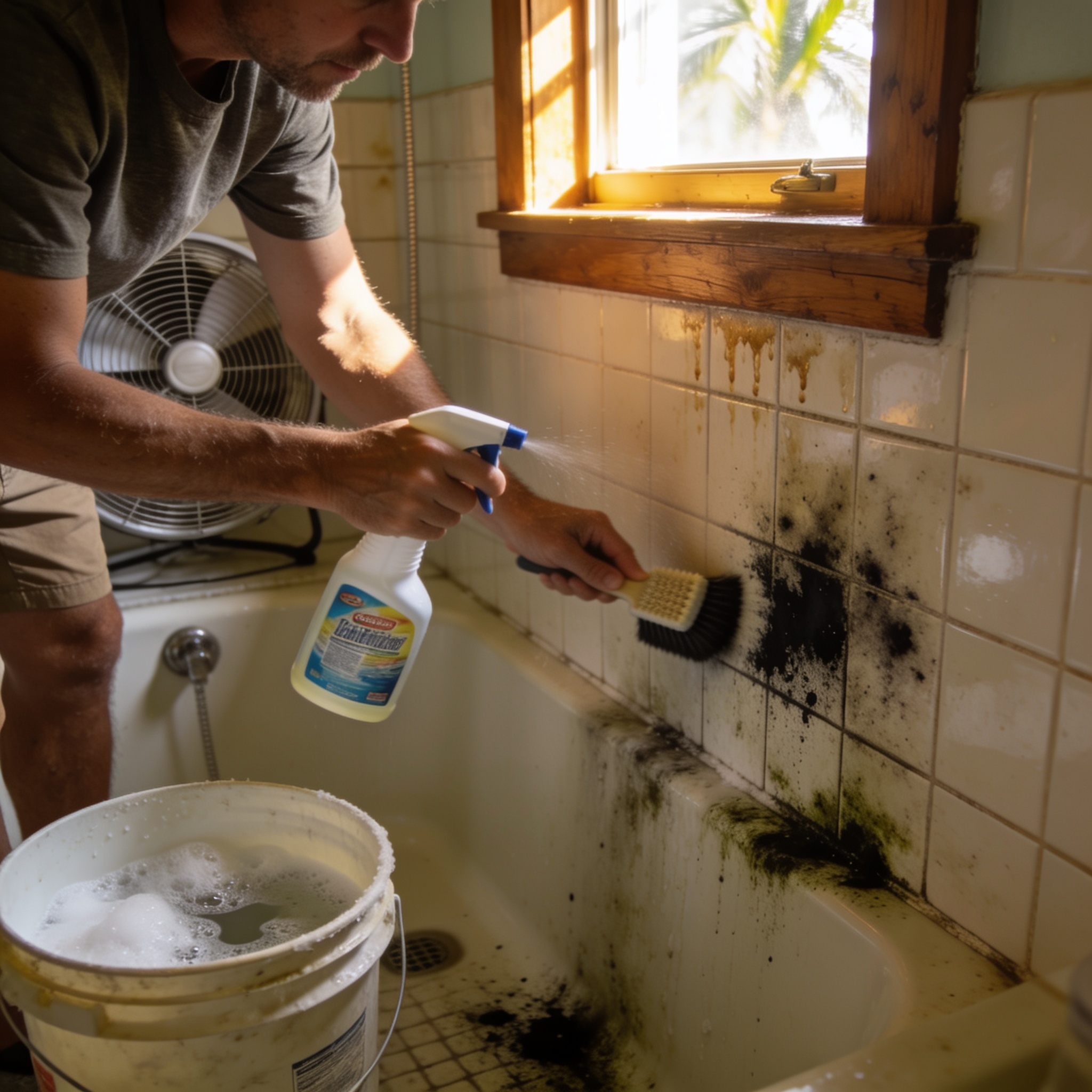
For small, isolated areas of mold less than 10 square feet, you may be able to clean the surface with a mixture of soap and water, but porous materials often require complete removal. Do not rely on bleach to kill mold on porous surfaces, as the EPA notes that bleach may not penetrate deep enough to reach the roots of the colony. If you are attempting to get rid of black mold, always wear personal protective equipment, including an N95 respirator and gloves, to avoid inhaling mold spores.
When Should You Call a Professional for Mold in Your Home?
You should call a professional for a mold inspection if the mold covers a large area, is located inside HVAC systems, or if you have experienced significant water damage from events like hurricanes. Licensed mold remediation experts have the specialized equipment, such as HEPA vacuums and moisture meters, required to safely remove mold without spreading spores throughout your home. For residents in the region, seeking help from Mold Remediation & Removal Companies in Southwest Florida is the safest way to handle black mold in your home. Remember that black mold can grow rapidly, so timely intervention is key.
How Can You Prevent Black Mold from Growing?
To prevent black mold, you must maintain indoor humidity levels between 30% and 50% and address any moisture leaks immediately. Regular maintenance of your HVAC system and ensuring proper ventilation in bathrooms and kitchens are critical steps to help prevent mold. After significant water events, such as those addressed by Water Damage Restoration, professional drying is essential to stop mold growth before it starts. Consistent mold prevention is the most cost-effective way to protect your property.
Frequently asked questions
Below are common inquiries regarding the identification and management of mold issues in Southwest Florida properties.
Can I test for mold myself?
Yes, you can purchase DIY mold test kits, but they are often unreliable and cannot identify the specific species of mold or the extent of the infestation behind your walls.
Is black mold always toxic?
Not all mold that appears black is the specific “toxic” species, but all indoor mold should be treated as a potential health risk and removed promptly.
Will my insurance cover mold removal?
Coverage for mold removal depends on your policy and whether the mold was caused by a “covered peril,” such as a sudden plumbing leak, rather than long-term neglect or flooding.
How long does it take for mold to grow after a leak?
If the environment is warm and humid, mold can begin to colonize within 24 to 48 hours of water exposure.
Should I move out during mold remediation?
Whether you need to vacate depends on the size of the infestation and the containment measures used; consult your remediation professional for guidance based on your specific situation.
Our editorial team verifies licensing and reviews for every restoration company in the directory and writes practical, Florida-specific guides to help homeowners act fast and protect their insurance claims after water, fire, mold or storm damage.