What Causes Mold Spores in the Air and How to Improve Indoor Air Quality
The primary factor determining what causes mold spores in the air is the presence of an active moisture source, which typically leads to colonization within 24 to 48 hours of water intrusion. In Southwest Florida, the combination of high outdoor humidity and frequent tropical weather events makes managing indoor air quality a constant challenge for homeowners. By addressing the root moisture problem, you can prevent mold growth and maintain a healthy living environment. Because mold may develop rapidly, understanding the science of mold indoors is essential for every homeowner.
Key Takeaways
- Mold spores are microscopic particles that exist naturally in the environment but become a problem when they settle on damp surfaces indoors.
- Excessive moisture from leaks, flooding, or high relative humidity is the primary catalyst for indoor mold growth.
- Professional mold remediation is often necessary when mold colonies cover an area larger than 10 square feet.
- Improving indoor air quality requires a combination of source removal, proper ventilation, and humidity control.
- Always address water damage immediately to prevent the rapid reproduction of mold colonies.
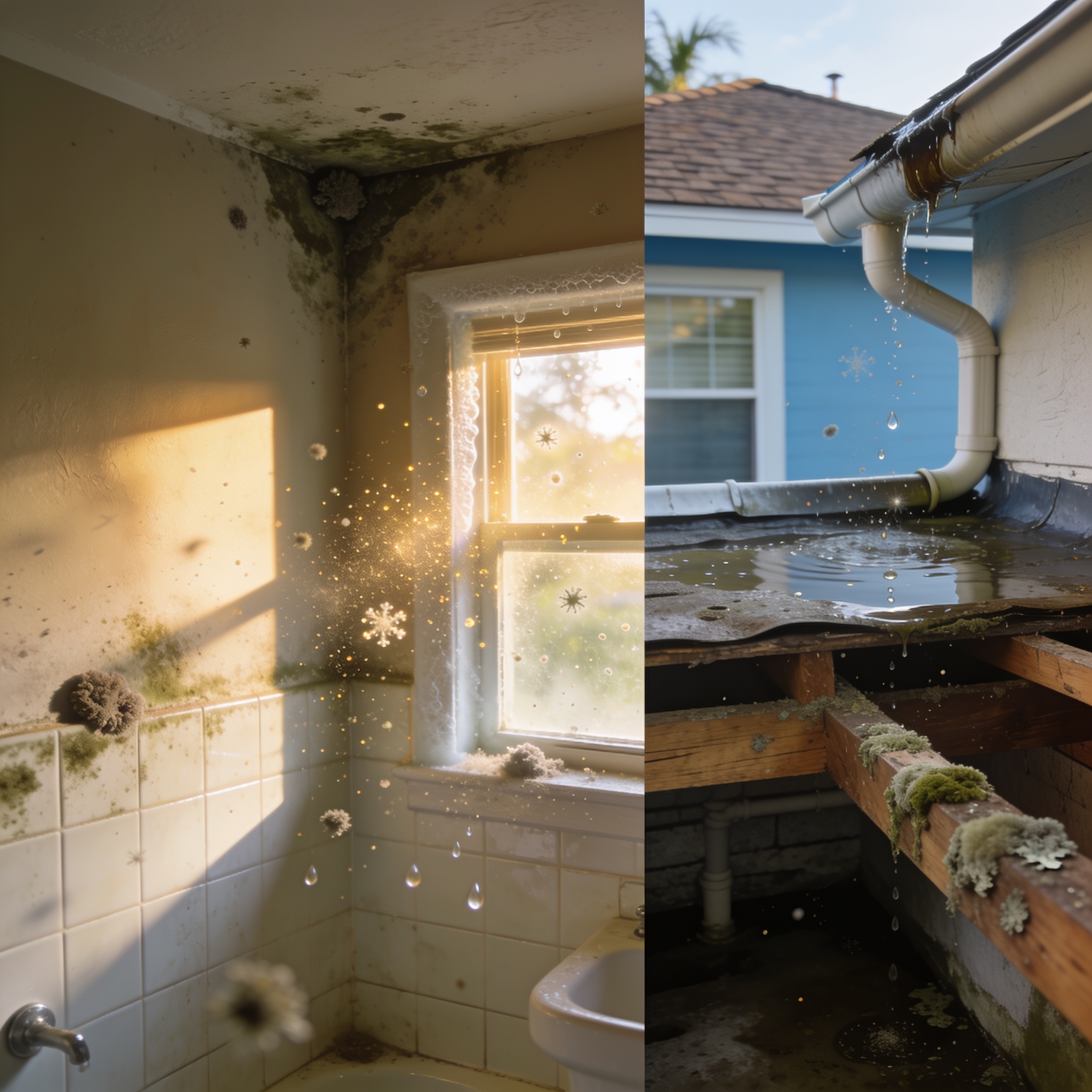
What causes mold growth in your home, and where do airborne mold spores come from?
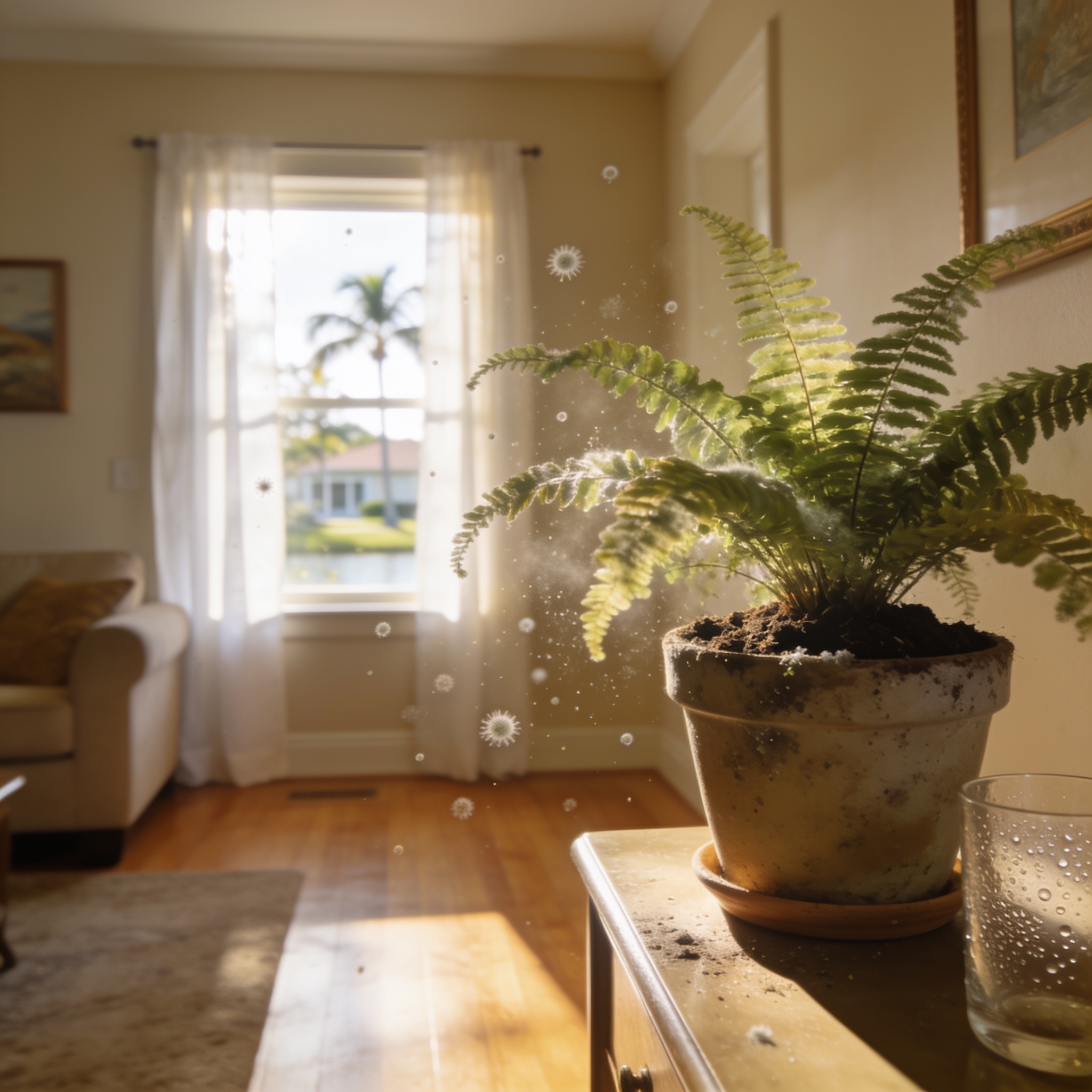
Mold grows when spores land on a damp surface that provides the necessary organic material for the fungus to feed on. These airborne spores are ubiquitous in the natural environment and enter homes through open windows, doors, air conditioning systems, or by hitching a ride on clothing and pets. Once inside your home, they require a moisture problem to transition from dormant particles into active, spreading colonies. Understanding how mold spores get into your living space is the first step in effective management.
5 Common Triggers Explained
Understanding what causes mold spores in the air requires identifying the specific environmental triggers that allow them to flourish.
- High Indoor Humidity: Sustained indoor humidity above 60% provides the perfect climate for mold to thrive on walls and furniture.
- Water Leaks: Chronic leaks from roofs, windows, or pipes create localized dampness that serves as a breeding ground for mold.
- Inadequate Ventilation: Bathrooms and kitchens without proper exhaust fans trap steam, leading to condensation on cool surfaces.
- Flooding Events: Following a storm, water damage often saturates porous materials like drywall and carpet, triggering rapid mold development.
- HVAC System Issues: Dirty air ducts or poorly maintained air conditioners can circulate spores throughout the home if mold is present in the cooling coils.
How long do mold spores stay in the air?
The duration that mold spores stay in the air depends heavily on airflow, humidity levels, and the size of the particles, but they can remain suspended for several hours or even days in stagnant conditions. When active mold colonies are disturbed, they release spores into the air, increasing the risk of inhalation. In the humid climate of SWFL, these spores are easily transported by HVAC systems, spreading the contamination to rooms far from the original source. To control mold growth, you must minimize the disturbance of affected areas.
How does mold spread through a building?
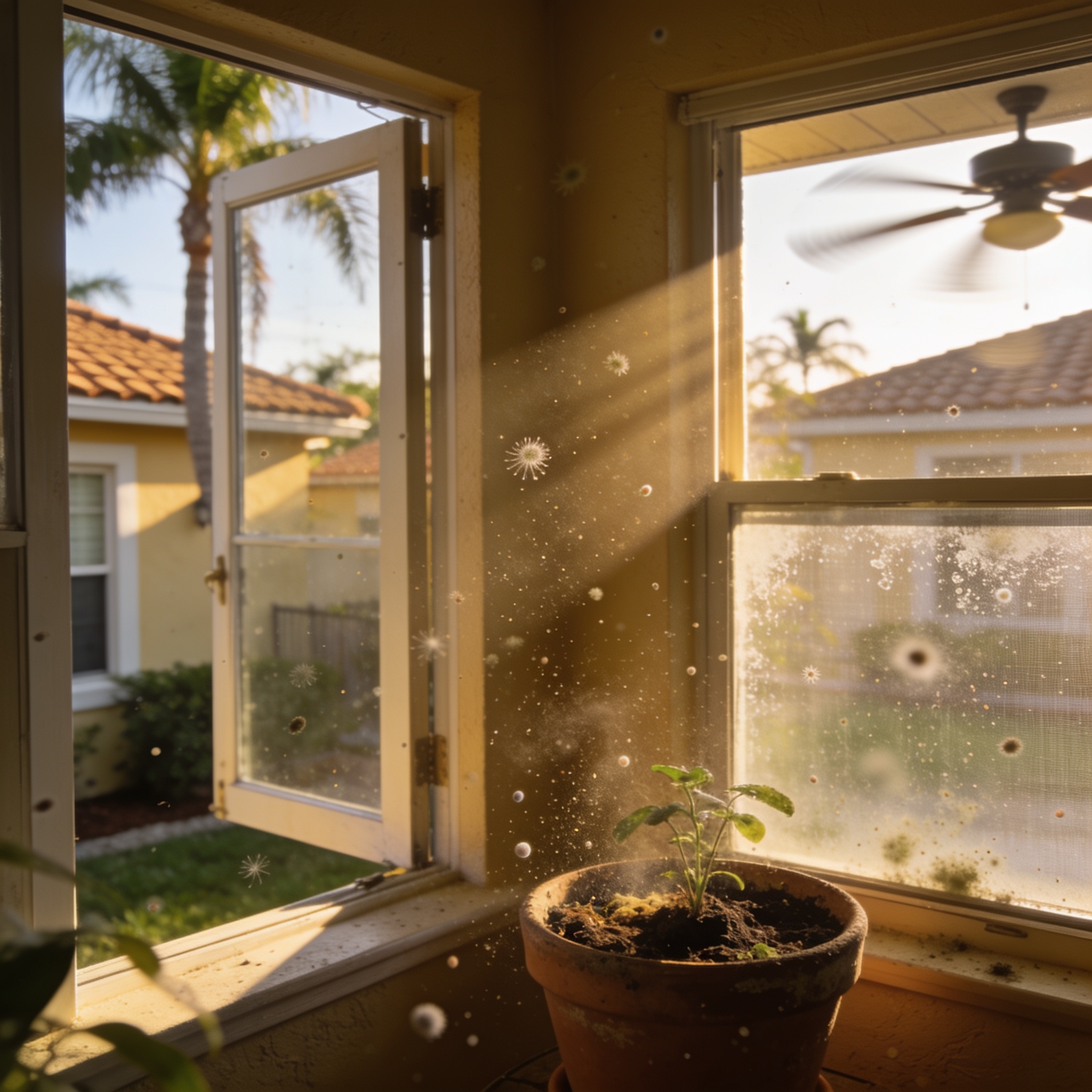
Mold spreads through a building by releasing microscopic spores that travel via air currents, attaching themselves to porous materials like ceiling tiles, drywall, or carpet. Once these spores land on a surface with sufficient moisture, they begin to colonize and form new networks of mycelium. The most effective way to stop this spread is to isolate the affected area and eliminate the moisture source immediately. If you suspect extensive contamination, contacting mold remediation companies near me is the safest course of action to prevent further structural damage.
What are the health effects of mold exposure, and how do you know if you inhaled them?
Health effects of mold exposure vary by individual, but common symptoms include sneezing, rhinorrhea, and skin irritation, particularly for those who are allergic to mold. Prolonged exposure to mold can cause more severe respiratory issues, especially in people with asthma who may experience increased asthma symptoms in people. The epa’s mold guidelines note that mold can cause allergic reactions, even in individuals who are not typically sensitive to allergens. If you notice a persistent musty odor or visible mold, these are strong indicators that mold is growing nearby and you have been breathing in high concentrations of spores.
How do you get rid of mold spores in the air — and what kills them fastest?
To get rid of mold spores in the air, you must first physically remove the moldy material and then utilize high-efficiency particulate air (HEPA) filtration to scrub the remaining particles. While many homeowners reach for bleach, the EPA warns that it is not effective on porous surfaces because it only kills surface mold while leaving the roots intact. Professional mold remediation is the only reliable method for deep cleaning because it addresses the underlying moisture problem while safely containing the spores. You can often clean the mold from non-porous surfaces using simple soap and water, but professional intervention is required for extensive infestations.
| Method | Effectiveness | Best Used For |
|---|---|---|
| HEPA Vacuuming | High | Removing settled spores from carpets and surfaces. |
| Dehumidification | High | Preventing new mold growth by lowering indoor humidity. |
| Sampling for mold | High | Identifying specific kinds of mold present in the air. |
| Professional Remediation | Highest | Large-scale infestations or hidden mold in walls. |
Can an air purifier help with a mold problem?
An air purifier equipped with a true HEPA air filter can significantly improve indoor air quality by capturing airborne mold spores as they pass through the device. To effectively filter air, ensure the unit is rated for the size of your room. However, a purifier will not solve the underlying moisture problem that allows mold to grow in the first place. You must address the water damage or humidity issue before relying on air filtration to manage the mold problem. Without source control, the mold will continue to reproduce faster than the filter can remove it.
How can you prevent mold growth and keep it from coming back?
You can prevent mold growth by maintaining indoor humidity levels between 30% and 50% and ensuring all areas of the home are well-ventilated. In Southwest Florida, where Water Damage Restoration is a common occurrence, keeping gutters clear and inspecting roofs for leaks is essential. Regular maintenance of your heating and air conditioning system is vital to prevent mold from colonizing your air ducts. Taking these proactive steps will help you reduce mold spores and avoid the need for costly Water Damage Restoration services.
Frequently asked questions
These common questions address the practical concerns of homeowners managing mold in the Florida climate.
Can I clean up the mold myself?
You can clean up the mold yourself if the area is less than 10 square feet, but you must wear an N95 respirator and rubber gloves to protect yourself from exposure. When you clean up mold, ensure you are eliminating mold at the source to prevent recurrence.
Does mold grow on tile?
Mold can grow on tile surfaces, especially in the grout lines where moisture and organic soap scum accumulate over time. Use a stiff brush and appropriate cleaner to eliminate spores.
How do I know if I have hidden mold?
If you smell a persistent musty odor but cannot find visible mold, you may have hidden mold behind walls or under carpet, which often requires professional sampling for mold or air quality tests to confirm.
Is black mold more dangerous than other types?
While Stachybotrys chartarum is often called toxic black mold, all indoor mold should be treated as a potential health risk and removed promptly to maintain healthy indoor air. Even small amounts of mold can trigger reactions in sensitive individuals.
How does Florida humidity affect mold growth?
The high indoor humidity in Florida significantly increases the risk of mold growth, as it allows moisture to condense on cool surfaces and remain trapped in porous materials. Using a dehumidifier is the best way to control mold.
Maintaining a dry environment is the most effective strategy to ensure your home remains free from harmful mold colonies. Always prioritize the safety of your household by using proper personal protective equipment during any mold cleanup efforts. If you find extensive mold growth, do not hesitate to contact a professional mold remediation company to protect your property and health. Remember that preventing moisture accumulation is the single most important factor in long-term mold prevention.
Our editorial team verifies licensing and reviews for every restoration company in the directory and writes practical, Florida-specific guides to help homeowners act fast and protect their insurance claims after water, fire, mold or storm damage.