What Causes Mold in Ductwork and How to Prevent It
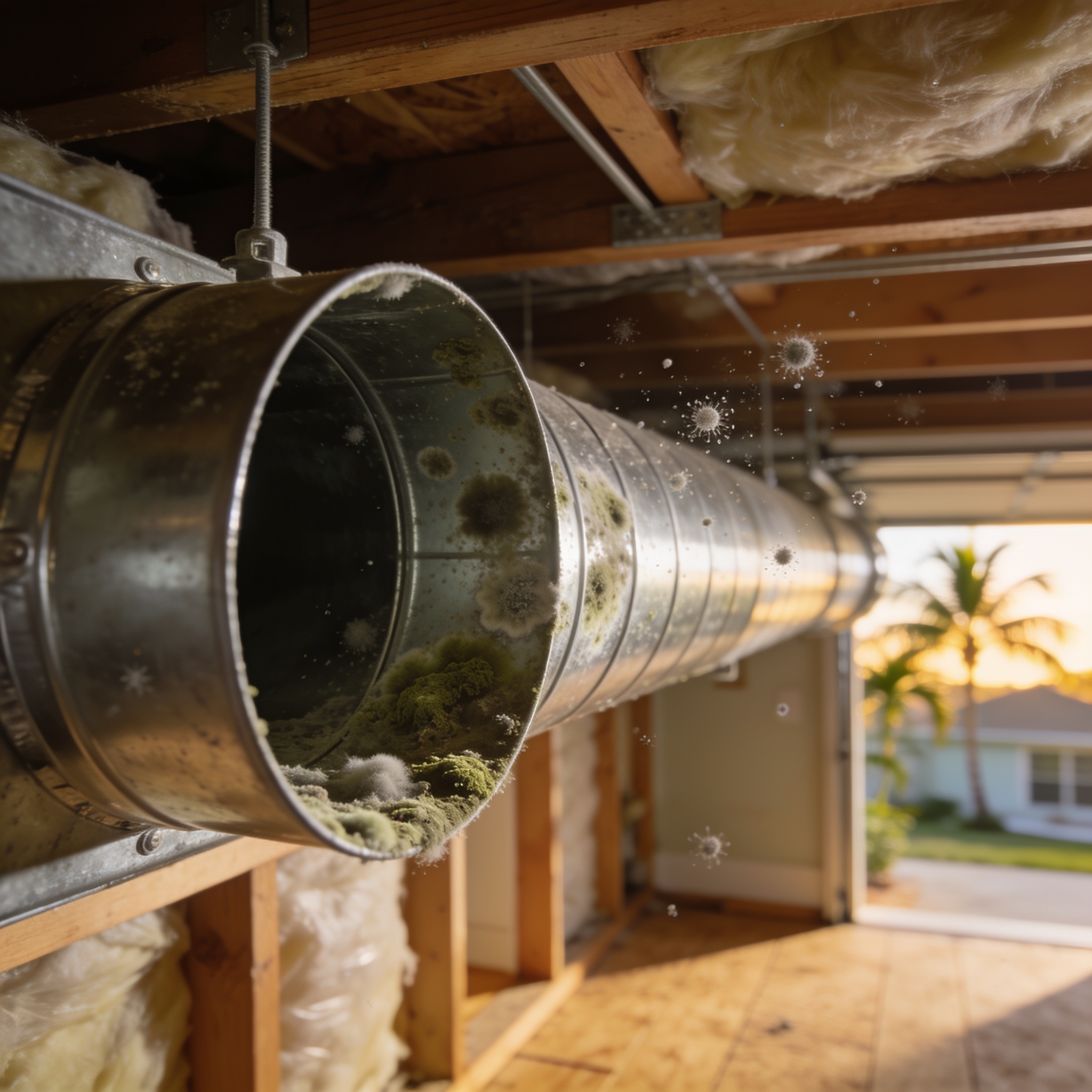
The primary factor determining what causes mold in ductwork is the presence of sustained moisture combined with organic debris, which can lead to repair costs ranging from $500 to $2,000 depending on the severity of the contamination. In the humid subtropical climate of Southwest Florida, your HVAC system acts as a central hub for air circulation, making it a common site for fungal development when humidity levels exceed 60%. Addressing a mold problem early is essential to maintaining healthy indoor air quality, as moisture in the air can easily condense within the system, creating the perfect environment for mold to grow.
Key Takeaways
- Excessive moisture from condensation or leaks is the main driver of mold in your hvac system.
- Regular hvac air filters changes and professional air duct cleaning are essential to mold prevention.
- SWFL homeowners should monitor for musty odors, especially following heavy tropical storms, as these often lead to mold.
- Early detection of mold in your air ducts can save thousands in potential mold removal costs.
- Professional inspection is required to distinguish between harmless dust and active black mold colonies.
Can Mold in HVAC Systems Grow, and How Common Is It?
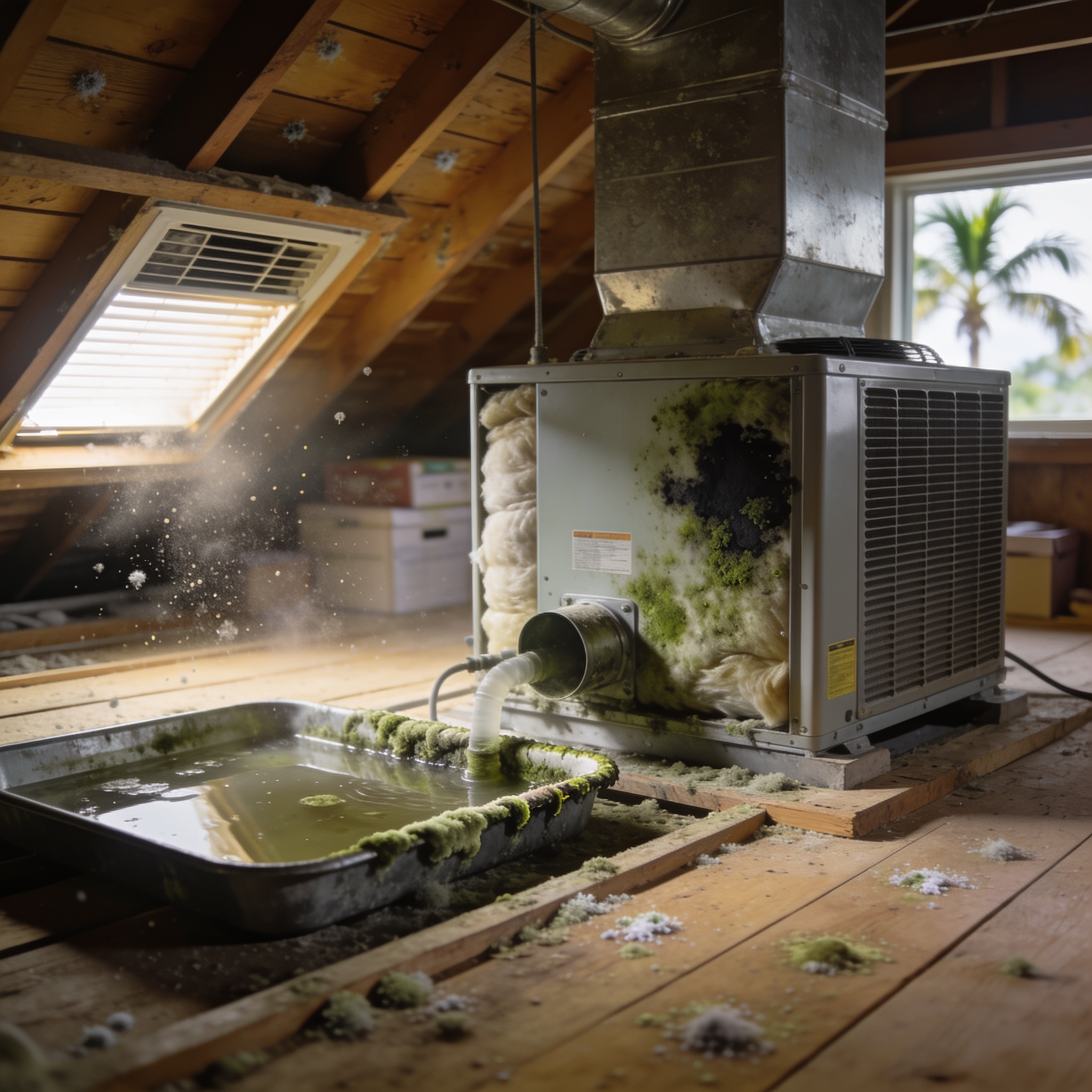
Mold can absolutely grow because the dark, insulated environment provides a place for mold to thrive when moisture is present. While many homeowners assume their system is sealed, the reality is that the high humidity in Lee and Collier counties frequently creates condensation on metal surfaces. The United States Environmental Protection Agency notes that mold needs moisture, oxygen, and a food source like dust or skin cells to thrive. Because the air conditioning or heating cycles through these variables constantly, the presence of mold in hvac systems is a relatively common issue in coastal Florida homes. If you suspect mold, it is vital to act quickly, as early mold growth can rapidly escalate into a widespread infestation.
Causes of Mold in HVAC
The primary causes involve the accumulation of moisture and organic matter that settles within the hvac components. Excessive humidity in the home’s air combined with poor airflow allows mold spores to settle and colonize on interior surfaces. In Southwest Florida, the following factors are the most frequent triggers for mold formation:
- Condensation buildup on evaporator coils due to improper drainage.
- Leaking roof or plumbing lines that introduce water into the ductwork.
- Accumulated dust and debris that act as a food source for fungi.
- Inadequate insulation leading to temperature differentials that promote sweating.
- High outdoor humidity levels that overwhelm the hvac unit‘s dehumidification capacity.
What Are the Signs of Mold in Your HVAC Ducts?
The 5 visual signs of mold in your home that homeowners should monitor include the following indicators:
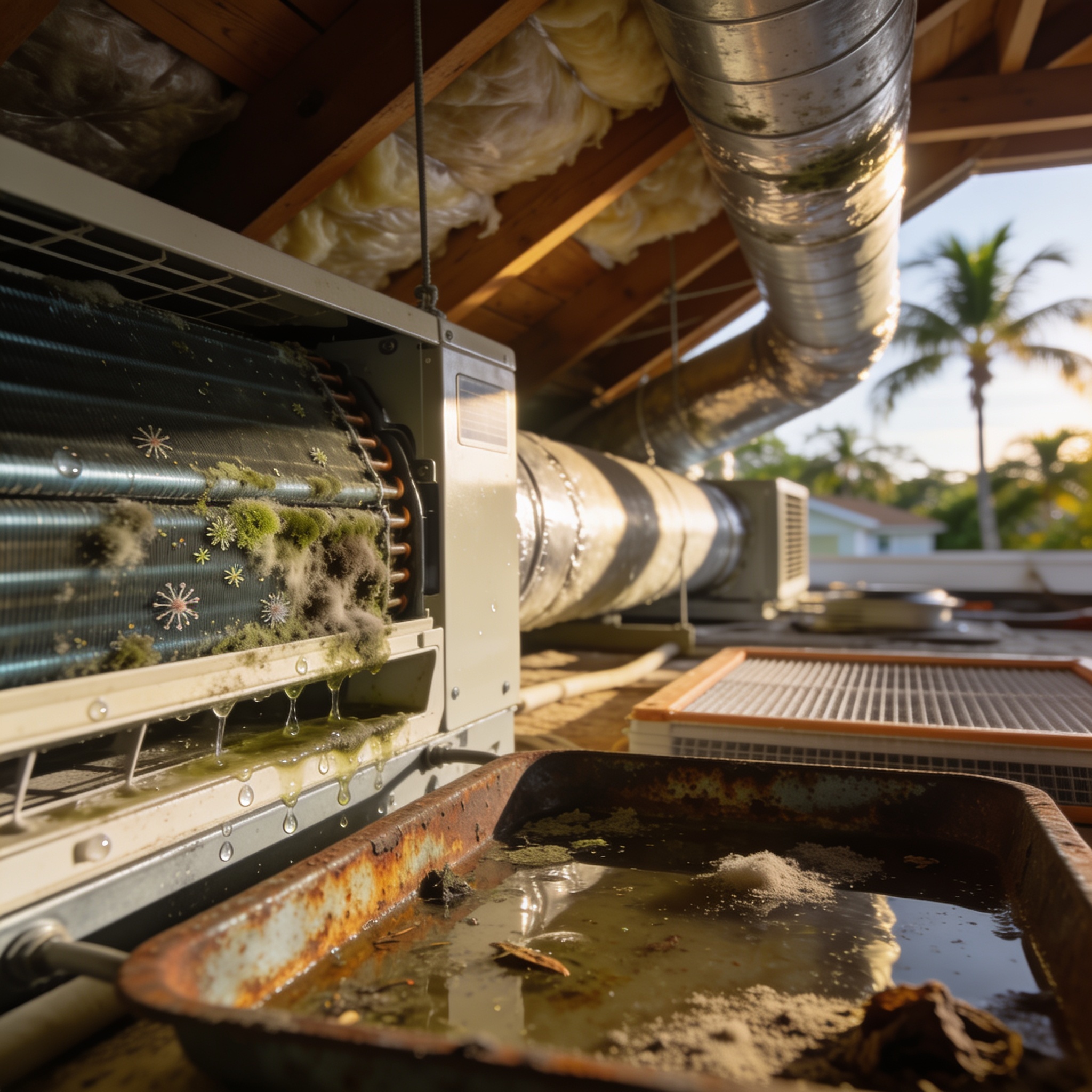
- Musty Odors: A persistent, earthy smell that intensifies when the cool air or cold air kicks on.
- Visible Growth: Fuzzy or discolored patches appearing around ducts and vents or on the register covers.
- Allergic Reactions: Sudden onset of sneezing, coughing, or eye irritation when spending time indoors, often caused by the system blowing spores into the air.
- Dust Accumulation: Excessive, dark-colored dust particles blowing out of the vents when the system starts, which may indicate surface mold inside the system.
- Water Stains: Visible dampness or discoloration on the ceiling or walls near the air handler.
Is Mold Growth Exposure Dangerous to Your Health?
Mold inside your system can be dangerous to your health because it distributes mold in air ducts throughout your entire living space, contributing to poor indoor air pollution. According to the Florida Department of Health, exposure to indoor mold can trigger respiratory issues, skin irritation, and severe allergic reactions in sensitive individuals. While not every mold species is toxic, the presence of aggressive strains requires immediate professional attention. Ensuring healthy indoor air quality is vital, especially for households with children or elderly residents, as mold spreads easily through the ventilation system.
Will Remove Mold Clean Air Ducts, and How Long Does It Take?
Cleaning air ducts will only work if the underlying moisture source is addressed. Professional mold remediation is often necessary to ensure that all contaminated components are sanitized or replaced. A standard duct cleaning service typically takes between 3 to 6 hours, depending on the size of your home and the complexity of the ductwork layout. If the mold has infiltrated the insulation or the air handler, the process may take longer and require specialized antimicrobial treatments to ensure eliminating mold is successful, otherwise, mold will return.
Can You Clean Air Vents Yourself, and What Kills Mold?
You should generally avoid cleaning mold in air ducts yourself because improper techniques can spread growth in your hvac system into the air. Professional technicians use negative air pressure machines and HEPA-filtered vacuums to safely remove mold without cross-contaminating your home. While some DIY enthusiasts attempt to use household disinfectants, these products are often ineffective against deep-seated mold in porous duct insulation. If you have experienced Water Damage Restoration, you should contact experts rather than attempting a surface-level cleanup.
When Should You Call a Professional for Duct Cleaning?
You should call a professional for mold growth as soon as you notice visible mold or detect a persistent, strong musty odor. Expert intervention is required when the mold growth covers a large area or has been caused by significant water damage restoration needs. Professionals have the diagnostic tools to identify hidden moisture pockets that could lead to recurring issues. If you suspect your HVAC system is compromised, seek a certified inspector before the problem spreads to other areas of your home.
How Can You Prevent Mold Growth?
To prevent mold growth, you must maintain a consistent humidity level below 60% and ensure your HVAC system is serviced annually. Regular maintenance of your air conditioning unit is the most effective way to prevent mold from returning to your ductwork. Follow these steps to keep your system clean:
| Action | Frequency |
|---|---|
| Replace hvac air filters | Every 30-90 days |
| Clean condensate drain lines to remove moisture in the air | Annually |
| Inspect ductwork for leaks | Bi-annually |
| Professional HVAC tune-up | Annually |
Frequently asked questions
Below are common inquiries regarding the maintenance and safety of your home’s air distribution system.
Does running the AC prevent mold?
Running the AC helps by dehumidifying the air, but if the unit is improperly sized or the drainage is clogged, it can actually promote mold growth.
Can mold in ducts cause sickness?
Yes, circulating mold spores can lead to respiratory distress, headaches, and worsened asthma symptoms for occupants.
How do I know if my ductwork is leaking?
Signs include uneven cooling in different rooms, increased energy bills, and whistling sounds coming from the vents.
What is the cost of mold remediation for HVAC?
Costs vary based on the extent of contamination, but professional mold remediation typically starts at several hundred dollars and increases based on the scope of work.
How often should ducts be cleaned?
Most experts recommend professional cleaning every 3 to 5 years, or sooner if you notice signs of mold or heavy dust accumulation.
See also: Water Damage Restoration
Our editorial team verifies licensing and reviews for every restoration company in the directory and writes practical, Florida-specific guides to help homeowners act fast and protect their insurance claims after water, fire, mold or storm damage.